
The Humble Omelet: A Canvas for Culinary Artistry
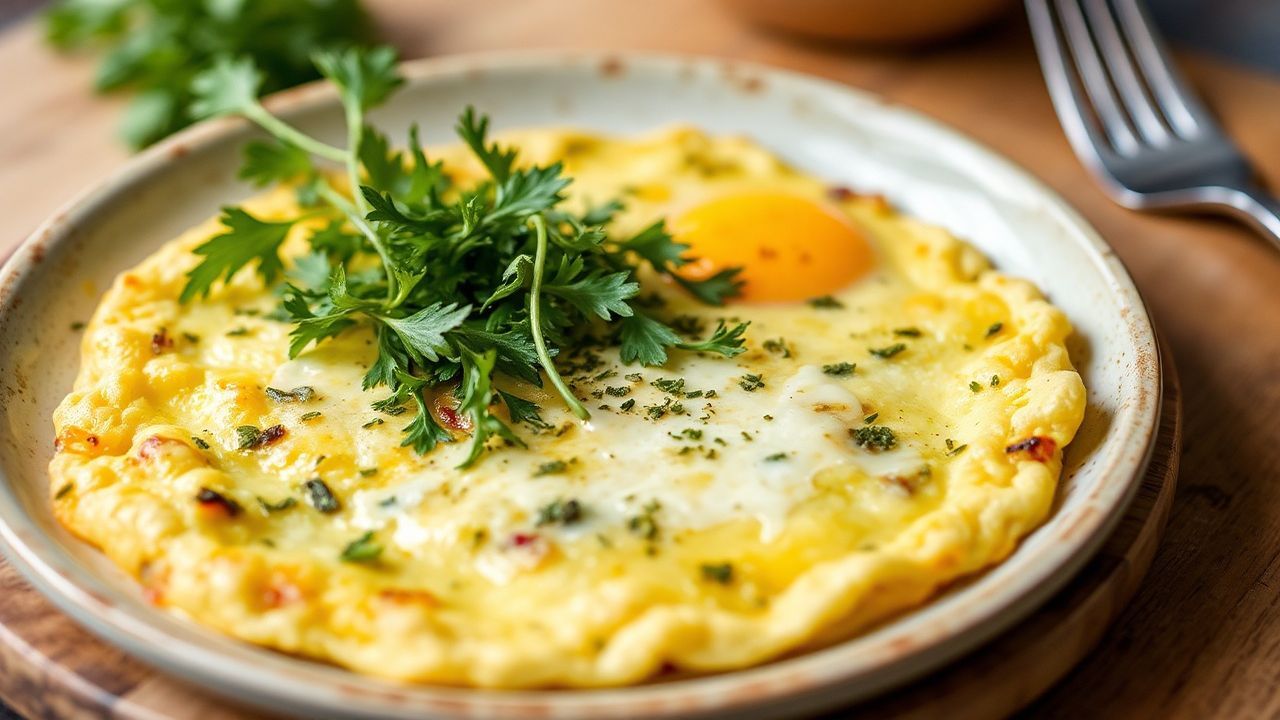
What is it about the humble omelet that has captivated palates for centuries? More than just a vehicle for eggs, a well-executed omelet is proof of technique, a delicate dance between heat and protein, and a vibrant expression of flavor. It’s a dish that can be as rudimentary as a quick weeknight meal or as refined as a centerpiece for a leisurely brunch. The seemingly simple act of folding cooked eggs belies a complex interplay of factors that, when mastered, transform it from sustenance to sublime. This article explore the art and science of crafting the perfect herbed omelet, exploring its history, the nuances of ingredient selection, meticulous preparation, and the subtle touches that elevate it from everyday to extraordinary.
- The Humble Omelet: A Canvas for Culinary Artistry
- The Essential Ensemble: Ingredients for an Exemplary Herbed Omelet
- The Art of the Fold: Mastering the Omelet Technique
- Nutritional Insights and Considerations
- Elevating the Omelet: Expert Tips for Restaurant-Quality Results
- Frequently Asked Questions about Herbed Omelets
At a Glance: Mastering the Herbed Omelet
- The Foundation: Quality eggs and fresh herbs are non-negotiable for superior flavor and aroma.
- Technique is Paramount: Gentle heat and patient stirring are key to achieving a tender, custardy interior.
- Herb Selection Matters: Understand how different herbs contribute to the overall flavor profile.
- The Fold: A precise fold is crucial for presentation and even cooking.
The history of the omelet is as varied as its fillings, with roots tracing back to ancient Rome. The term “omelet” itself likely derives from the Old French “amelette,” which in turn may have come from the Latin “lamella,” meaning “thin plate,” referring to the flattened shape of the cooked egg. Across cultures, variations abound: the French call it an “omelette,” the Spanish “tortilla” (though this often refers to a potato and egg dish), and the Italians “frittata.” Each iteration showcases a different approach to the basic concept of cooked eggs, but the classic French omelet, particularly the one adorned with fresh herbs, remains a benchmark for its elegance and simplicity. It’s a dish that demands respect for its ingredients and a certain finesse in its preparation. The aroma of gently sautéed herbs mingling with the richness of eggs is, for many, the very essence of a comforting and sophisticated breakfast.
The Essential Ensemble: Ingredients for an Exemplary Herbed Omelet
The beauty of the herbed omelet lies in its minimalism, meaning each component must sing. The selection of eggs is paramount. For a truly luxurious omelet, opt for free-range, organic eggs. Their richer yolks contribute a deeper color and a more complex flavor. The difference between a pale, watery yolk and a vibrant, almost orange one is palpable, impacting both taste and visual appeal. Aim for eggs that are at room temperature; this allows them to incorporate air more readily when whisked, leading to a lighter, fluffier texture, and they cook more evenly, reducing the risk of a rubbery exterior.
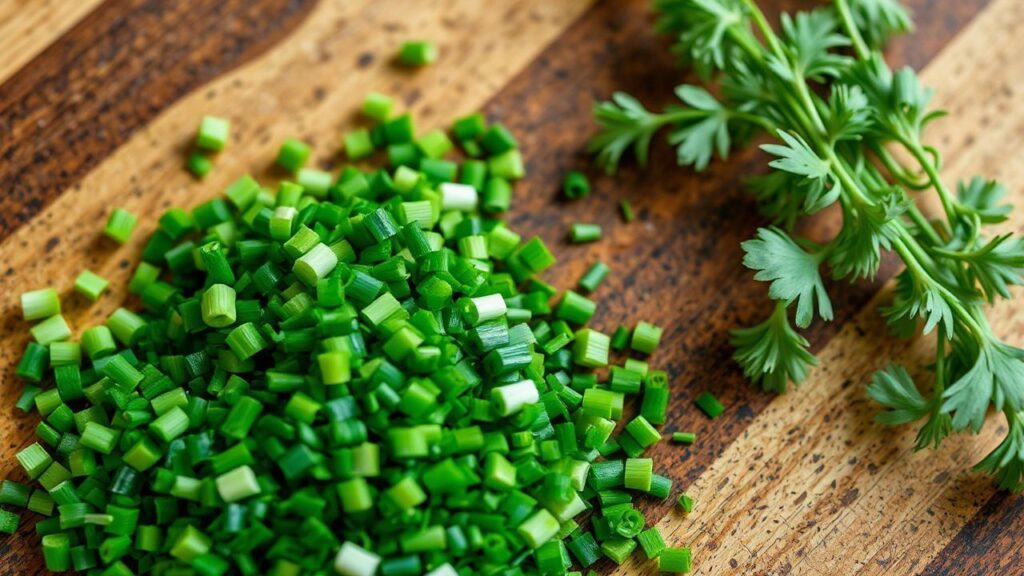
When it comes to herbs, freshness is the only acceptable standard. Wilted or bruised herbs will impart a dull, sometimes bitter, note. The classic combination often includes chives, parsley, and tarragon, but the possibilities are as vast as your herb garden. Chives offer a delicate oniony bite, parsley a clean, green freshness, and tarragon its distinctive anise-like whisper. Dill can lend a bright, citrusy note, while thyme provides an earthy, slightly floral undertone. A finely minced blend can create a symphony of flavors, each herb playing its part without overpowering the others. The quantity is also crucial; too many herbs can make the omelet watery or bitter, while too few will render the dish bland.
Key Ingredients:
- Eggs: 3 large, free-range, organic (approx. 180-200g)
- Butter: 1-2 tablespoons (approx. 15-30g), unsalted
- Fresh Herbs: 2-3 tablespoons, finely chopped (e.g., chives, parsley, tarragon, dill)
- Salt: Fine sea salt, to taste
- Black Pepper: Freshly ground, to taste
- Optional: 1 tablespoon milk or cream (for added richness, though purists often forgo this)
The choice of fat for cooking is equally important. While oil can be used, unsalted butter is the traditional and preferred medium for a classic omelet. Its nuanced flavor complements the eggs beautifully, and it browns gently, providing a lovely golden hue to the exterior. The amount of butter is not merely for greasing the pan; it’s an integral part of the omelet’s richness and mouthfeel. A pan that is too hot will scorch the butter and cook the eggs too quickly, resulting in a dry, tough omelet. Conversely, a pan that is too cool will lead to a greasy, pale, and unevenly cooked result.
Seasoning, often overlooked in its simplicity, is another critical element. Fine sea salt dissolves readily, ensuring even distribution of flavor. Freshly ground black pepper adds a subtle warmth and complexity. It’s not just about salting the eggs; it’s about tasting and adjusting. The herbs themselves contribute salinity and character, so it’s a delicate balance. Some chefs advocate for seasoning the eggs before whisking, while others prefer to season just before cooking. Experimentation here can reveal personal preferences, but the goal is always a harmonious balance where no single flavor dominates.
The Art of the Fold: Mastering the Omelet Technique
Creating a superior omelet is less about brute force and more about finesse. The process begins with the whisking of the eggs. For a French-style omelet, the goal is to break down the yolks and whites just enough to combine them, without incorporating excessive air. Over-whisking can lead to a foamy texture that collapses upon cooking. A few vigorous stirs with a fork or whisk until no streaks of white remain is usually sufficient. Adding a tablespoon of milk or cream, while not traditional for the purest of French omelets, can indeed contribute to a creamier, more yielding texture, especially for those who find the pure egg texture too firm. However, this addition can also dilute the pure egg flavor and requires slightly more careful temperature control to prevent curdling.
The cooking vessel is also a crucial consideration. A non-stick skillet of appropriate size (typically 8-10 inches for a 3-egg omelet) is ideal. A well-seasoned cast-iron skillet can also work, but demands more careful heat management. The pan should be heated over medium-low to medium heat. This is arguably the most critical stage of omelet preparation. Too high a heat will instantly cook the exterior, leaving the interior raw or creating a tough, rubbery disc. Patience is key. Allow the pan to preheat thoroughly, then add the butter. Once the butter has melted and begins to foam gently, swirl it to coat the entire surface of the pan. It should be shimmering, not smoking.
Pour the whisked eggs into the heated, buttered pan. Immediately, using a heat-resistant spatula, begin to gently stir and push the cooked egg from the edges towards the center, tilting the pan to allow the uncooked egg to flow underneath. This continuous motion, often referred to as “scrambling the omelet” initially, is vital for creating soft curds and an even texture. Continue this process for about 30-60 seconds, or until the eggs are mostly set but still appear slightly wet and custardy on the surface. At this point, stop stirring and let the omelet cook undisturbed for another 15-30 seconds, allowing the bottom to set into a cohesive layer.
Now comes the incorporation of the herbs. Sprinkle the finely chopped fresh herbs evenly over the surface of the partially set omelet. If you are adding any other fillings like cheese or finely diced sautéed vegetables, this is the time to add them to one half of the omelet. Season with salt and pepper. The heat from the eggs will begin to release the fragrant oils from the herbs, infusing the dish with their aroma. This step, when done just before folding, ensures the herbs retain their bright color and fresh flavor, rather than becoming cooked and muted.
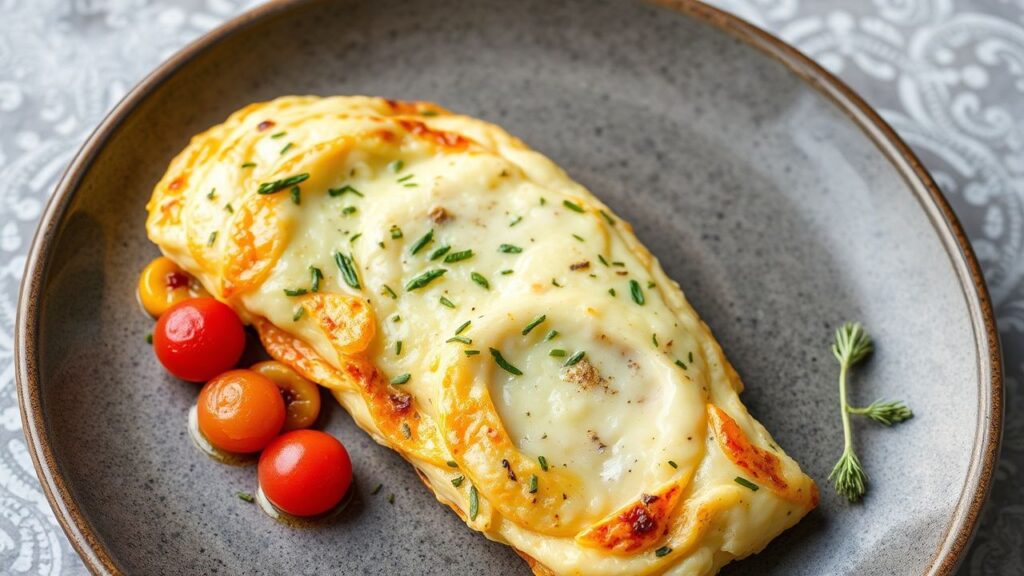
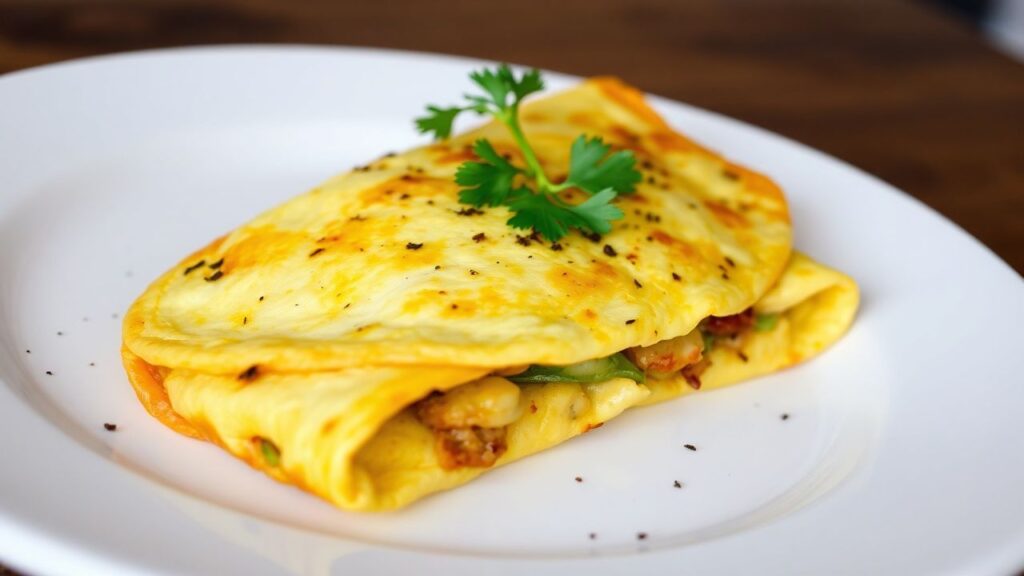
The final flourish is the fold. This can be achieved in several ways. The classic French method involves tilting the pan and using the spatula to fold one-third of the omelet over the center, then folding the remaining third over that, creating a neat, elongated shape. Alternatively, you can simply fold the omelet in half. The key is to do this confidently and swiftly. The residual heat will continue to cook the interior to a perfect, slightly molten consistency. Slide the finished omelet onto a warm plate, ensuring the seam side is down for presentation. A perfectly executed omelet should have a pale, unblemished exterior, with a tender, custardy interior that is neither runny nor dry.
Nutritional Insights and Considerations
A classic herbed omelet, prepared with the ingredients and proportions outlined, offers a remarkably balanced nutritional profile. The primary components, eggs and herbs, provide essential vitamins, minerals, and protein. A typical 3-egg omelet, excluding additional fillings like cheese or meat, contains approximately 230-280 calories, with about 18-20 grams of protein. This protein content is crucial for satiety, muscle repair, and overall bodily function. Eggs are also a rich source of choline, vital for brain health, and vitamins A, D, E, and K, as well as B vitamins. The yolk, often unfairly demonized, contains the majority of these beneficial nutrients and healthy fats.
The addition of fresh herbs contributes minimal calories but offers significant micronutrient benefits. They are packed with antioxidants, vitamins (like C and K), and minerals. For instance, parsley is a good source of vitamin K, essential for blood clotting and bone health, and vitamin C, an antioxidant that supports the immune system. Chives provide vitamin K and vitamin A. The butter adds healthy fats and contributes to the rich mouthfeel, typically adding around 100-150 calories per tablespoon used. Therefore, a single serving of a basic herbed omelet can range from approximately 330 to 430 calories, depending on the amount of butter used. This makes it a satisfying and nutrient-dense option for breakfast or a light meal.
When considering dietary needs, the herbed omelet is naturally gluten-free and low in carbohydrates. For those managing blood sugar levels, it’s an excellent choice. However, individuals concerned about cholesterol intake might note that eggs are a source of dietary cholesterol. Current dietary guidelines, however, emphasize that for most healthy individuals, dietary cholesterol has a less significant impact on blood cholesterol levels than saturated and trans fats. It’s always prudent to consult with a healthcare professional or registered dietitian for personalized dietary advice.
| Nutrient | Amount |
|---|---|
| Calories | ~380 kcal |
| Protein | ~20 g |
| Fat | ~28 g |
| Saturated Fat | ~10 g |
| Carbohydrates | ~2 g |
| Fiber | ~0.5 g |
| Cholesterol | ~550 mg |
| Sodium | ~200 mg (depending on salt added) |
Elevating the Omelet: Expert Tips for Restaurant-Quality Results
Achieving a truly exceptional omelet goes beyond the basic recipe. It’s about understanding the subtle nuances that separate the good from the sublime. One of the most impactful techniques is the “baveuse” texture. This French term describes an omelet that is just cooked through, with a creamy, almost molten interior that flows slightly when cut. To achieve this, it’s imperative to cook the eggs gently and not overcook them. The moment the eggs are mostly set but still visibly glistening and moist on top, it’s time to stop stirring and allow them to finish cooking briefly before folding. This requires keen observation and a feel for the eggs’ readiness.
Another crucial aspect is the heat management. A common mistake is using heat that is too high. This results in browning on the bottom before the interior is properly cooked, leading to a rubbery texture. Medium-low to medium heat is your ally. It allows for controlled cooking, ensuring a tender exterior and a creamy interior. If the pan seems to be getting too hot, don’t hesitate to briefly remove it from the heat. This level of control is what distinguishes professional chefs. The slight browning that occurs is desirable, contributing to flavor and visual appeal, but it must be gentle and even.
The herbs themselves can be treated in different ways to enhance their impact. While fresh, finely chopped herbs are standard, consider infusing the butter used for cooking with some of the herbs beforehand. Gently warm the butter with hardy herbs like thyme or rosemary for a few minutes, then strain it before using it to cook the omelet. This imparts a more profound herbal essence. For delicate herbs like chives and parsley, adding them fresh at the end preserves their bright, vibrant flavor and aroma. The choice depends on the desired intensity and the specific herbs used.
Finally, serving temperature and presentation play a significant role. An omelet is best served immediately after cooking. Allowing it to sit for even a few minutes can cause it to continue cooking and lose its delicate texture. A warm plate is essential to maintain the omelet’s temperature and prevent it from becoming soggy. A simple garnish of extra fresh herbs or a sprinkle of cracked black pepper can elevate its visual appeal, transforming a simple dish into a culinary work of art. The ultimate herbed omelet is a celebration of fresh ingredients and precise execution, proof of the fact that sometimes, the simplest dishes offer the greatest opportunities for perfection.
The journey from a basic egg dish to a celebrated omelet is one of mindful technique and thoughtful ingredient selection. The herbed omelet, in its elegant simplicity, offers a profound culinary experience when approached with respect and skill. It is a dish that rewards attention to detail, proving that even the most familiar foods can hold secrets of exquisite flavor and texture, waiting to be unveiled by a discerning hand. The aroma of fresh herbs, the custardy interior, and the tender, golden exterior all converge to create a breakfast or light meal that is both deeply satisfying and remarkably sophisticated.
Frequently Asked Questions about Herbed Omelets
What are the best herbs to use in an omelet?
The “best” herbs are subjective and depend on personal preference and the desired flavor profile. However, a classic and widely loved combination includes chives, parsley, and tarragon. Chives offer a mild oniony flavor, parsley provides a clean, fresh, herbaceous note, and tarragon brings a subtle anise-like sweetness. Other excellent choices include dill for its bright, citrusy notes, thyme for its earthy and slightly floral aroma, or even a touch of mint for an unexpected freshness. For a more complex flavor, consider a mix of 2-3 different herbs. It’s advisable to use fresh herbs rather than dried, as they retain their vibrant color and delicate flavor better in an omelet. Finely chopping them ensures they are evenly distributed and don’t overwhelm the dish.
How do I prevent my omelet from sticking to the pan?
Preventing an omelet from sticking is primarily about using the right pan and adequate fat, along with proper heat management. A high-quality non-stick skillet is your best friend. Ensure it is in good condition, with no scratches. Before adding the eggs, preheat the pan over medium-low to medium heat, then add enough unsalted butter to generously coat the bottom surface. Swirl the butter to ensure even distribution. It should be melted and shimmering, but not smoking. Once the eggs are in, use a heat-resistant spatula to gently stir and move the cooked egg towards the center, allowing the uncooked egg to flow underneath. This technique, combined with sufficient butter and controlled heat, is the most effective way to ensure a non-stick omelet. If using a well-seasoned cast-iron skillet, ensure it is properly seasoned and heated thoroughly before adding the butter and eggs.
Can I add cheese to my herbed omelet?
Absolutely! Adding cheese to a herbed omelet is a very popular and delicious variation. The key is to add the cheese just before folding the omelet, sprinkling it over one half of the cooked egg mixture. This allows the cheese to melt gently from the residual heat of the eggs. Popular cheese choices include grated Gruyère, cheddar, Swiss, or a mild goat cheese. For a lighter option, a sprinkle of Parmesan can add a salty, umami kick. Be mindful not to overload the omelet with too much cheese, as it can make it heavy and difficult to fold neatly. The goal is for the cheese to complement the herbs and eggs, not to dominate them. Ensure the cheese is at room temperature or slightly warmed if possible, as it will melt more evenly.
What is the difference between a French omelet and an American omelet?
The primary distinctions between a French omelet and an American omelet lie in their texture, cooking method, and presentation. A classic French omelet is characterized by its pale, unblemished exterior and a tender, custardy, almost “baveuse” (slightly runny) interior. It’s cooked quickly over medium-high heat, with continuous stirring and swirling of the eggs. The omelet is typically rolled or folded into a neat cylinder or half-moon shape. In contrast, an American omelet often has a more golden-brown exterior, sometimes with slight browning. It’s typically cooked over lower heat, allowing the bottom to set more firmly before being folded in half, often encasing larger fillings like vegetables, cheese, and meats within its folds. The American style is generally fluffier due to more vigorous whisking and a less delicate approach to stirring.
See also: Omelet