
Vegetarian carbonara is more than just a meatless rendition; it’s an audacious reimagining of a Roman classic, a dish that hinges on the alchemy of cured pork fat, egg, and Pecorino Romano. To question its authenticity is to miss the point entirely. The true spirit of *cacio e uova*—cheese and eggs—lies not solely in the guanciale, but in the masterful emulsion that coats each strand of pasta, a creamy, unctuous embrace born from precise technique and quality ingredients. This article explore the art and science of crafting a vegetarian carbonara that not only satisfies but, dare I say, might even surprise purists with its depth and satisfaction.
At a Glance:
* The success of vegetarian carbonara hinges on achieving a rich, emulsified sauce without relying on guanciale fat.
* Careful selection and preparation of umami-rich vegetarian ingredients are paramount to replacing the savory depth of cured pork.
* Mastering the egg-and-cheese emulsion is crucial for the characteristic creamy texture.
* Patience and precise timing are non-negotiable for achieving the perfect vegetarian carbonara.
The very notion of vegetarian carbonara often elicits skepticism, a culinary heresy whispered in hushed tones by those who hold the Roman original as sacrosanct. And indeed, the traditional *carbonara* – a symphony of guanciale, eggs, Pecorino Romano, black pepper, and pasta – is proof of deceptive simplicity. Its magic lies in the rendered fat of the cured pork cheek, which acts as the flavor base and emulsifying agent, binding the beaten eggs and cheese into a silken sauce that clings lovingly to spaghetti. To remove the guanciale, one might assume, is to strip the dish of its very essence. Yet, this perspective overlooks the fundamental principles at play: the primal comfort of a well-made pasta dish, the marriage of richness and salt, and the sublime texture achieved through emulsification. A thoughtfully constructed vegetarian carbonara can, and does, achieve these very same goals, offering a profoundly satisfying experience that honors the spirit, if not the letter, of its iconic ancestor.
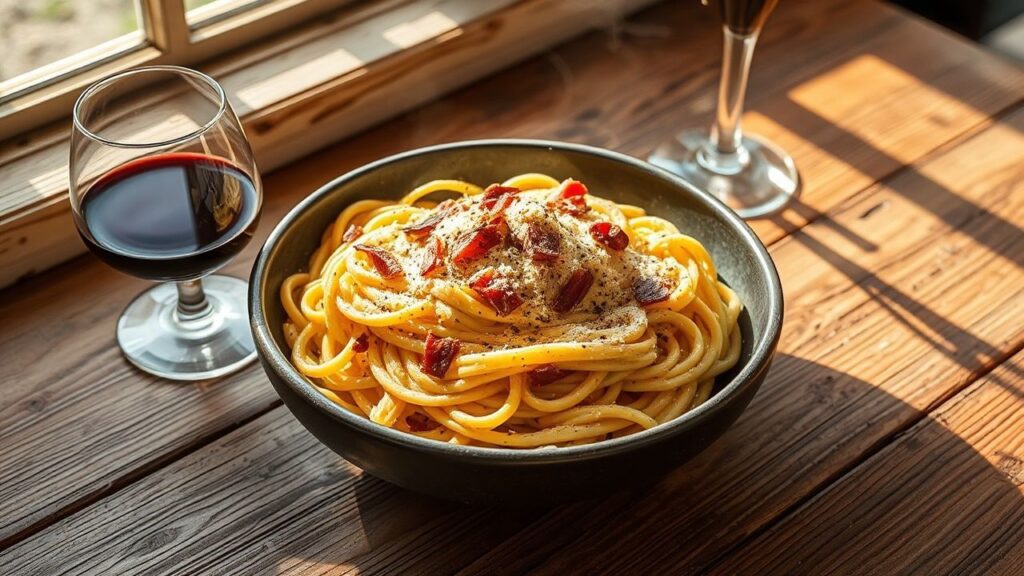
At its core, carbonara is about three fundamental elements: fat, savory depth, and creamy texture. The traditional recipe achieves this through guanciale (cured pork jowl), eggs, and Pecorino Romano cheese. For a vegetarian iteration, we must meticulously recreate these pillars using plant-based alternatives, focusing on ingredients that provide comparable flavor profiles and functional properties. The challenge is not merely to omit the meat but to actively *replace* its contribution with something equally compelling. This requires a nuanced understanding of flavor science and ingredient synergy.
Guanciale provides a unique trifecta of rendered fat, salty brine, and deep, porky umami. Replicating this multi-faceted contribution in a vegetarian context is the most significant hurdle. Simply substituting a generic vegetarian bacon or smoked tofu often falls short, lacking the specific aromatic compounds and textural nuances of cured pork. The key lies in layering umami-rich ingredients and employing techniques that mimic the Maillard reaction and slow rendering.
One highly effective strategy involves the careful selection of mushroom varieties. Shiitake mushrooms, with their intensely savory, almost meaty flavor, are a prime candidate. When dried and rehydrated, or sautéed until deeply caramelized, they release a complex umami that can form the backbone of our vegetarian carbonara. Another excellent addition is nutritional yeast, which imparts a cheesy, nutty, and distinctly savory note that complements other umami sources. Think of it as a flavor amplifier, bridging the gap between vegetables and the richness of cheese.
For a more direct textural mimicry, smoked tempeh or crispy fried king oyster mushrooms can be employed. King oyster mushrooms, when sliced thinly and pan-fried until golden and slightly chewy, offer a satisfying bite and a subtle sweetness. Tempeh, fermented soybeans, provides a firm texture and a nutty depth that, when smoked and crisped, can approximate the chewiness and smoky notes of guanciale. The fat component, so crucial for the sauce’s emulsion, can be achieved through a combination of high-quality olive oil and, perhaps, a small amount of vegan butter or rendered coconut oil for added richness, though the latter requires judicious use to avoid a coconutty flavor profile.
The soul of carbonara is its sauce, a delicate emulsion of raw egg yolks, whole eggs, Pecorino Romano, and a touch of pasta cooking water. This creates a creamy, glossy coating that is neither truly a sauce nor simply coated pasta; it is something entirely unique. In vegetarian carbonara, this emulsion remains paramount. The egg yolks provide richness and color, while the cheese adds saltiness and a binding quality. The starchy pasta water is the magic ingredient that helps to emulsify the fat and egg mixture, preventing it from scrambling and creating that signature silken texture.
The critical factor here is temperature control. The pan should be hot enough to cook the pasta but not so hot that it instantly scrambles the eggs. The rendered fat (or its vegetarian substitute) is tossed with the hot pasta, followed by the egg and cheese mixture, all while continuously tossing and adding small amounts of pasta water. This gradual incorporation of heat and liquid is what allows the proteins in the eggs to thicken without solidifying, creating a harmonious blend.
A common pitfall in vegetarian carbonara is overcooking the egg mixture, resulting in a lumpy, scrambled egg texture rather than a smooth, creamy sauce. Conversely, undercooking can leave the sauce too thin and eggy. The sweet spot is a delicate balance achieved through practice and an understanding of the heat transfer involved.
This recipe aims to capture the essence of carbonara’s richness and satisfying texture while remaining entirely plant-based. It relies on carefully selected ingredients and precise technique.
For the Pasta:
- 400g (approx. 14 oz) Spaghetti or Bucatini
- 2 tablespoons Sea Salt (for pasta water)
For the Vegetarian “Guanciale”:
- 150g (approx. 5.3 oz) King Oyster Mushrooms, thinly sliced into rounds, or 150g smoked tempeh, cut into small lardons
- 2 tablespoons Olive Oil (plus more if needed)
- 1 teaspoon Smoked Paprika
- Pinch of Cayenne Pepper (optional, for a hint of heat)
For the Carbonara Sauce:
- 3 large Egg Yolks (from free-range, high-quality eggs for best flavor and color)
- 1 whole large Egg (optional, for a slightly looser sauce)
- 75g (approx. 2.6 oz) Pecorino Romano cheese, finely grated (ensure it’s vegetarian if strict adherence is required; some Pecorino uses animal rennet. A good quality vegetarian Parmesan or a blend can be used as an alternative.)
- 25g (approx. 0.9 oz) Nutritional Yeast
- 1-2 cloves Garlic, finely minced (optional, for added aroma)
- Freshly Ground Black Pepper, to taste (generous amount)
1. Prepare the Vegetarian “Guanciale”: If using king oyster mushrooms, slice them thinly into rounds or half-moons. If using smoked tempeh, cut it into small, bite-sized lardons. In a dry, non-stick skillet over medium-high heat, add the mushrooms or tempeh. Cook, stirring occasionally, until they begin to brown and release their moisture. Add 1-2 tablespoons of olive oil and continue to cook until golden brown and slightly crispy. Stir in the smoked paprika and cayenne pepper (if using), and cook for another minute until fragrant. Remove from the skillet and set aside, leaving any rendered fat or residual oil in the pan.
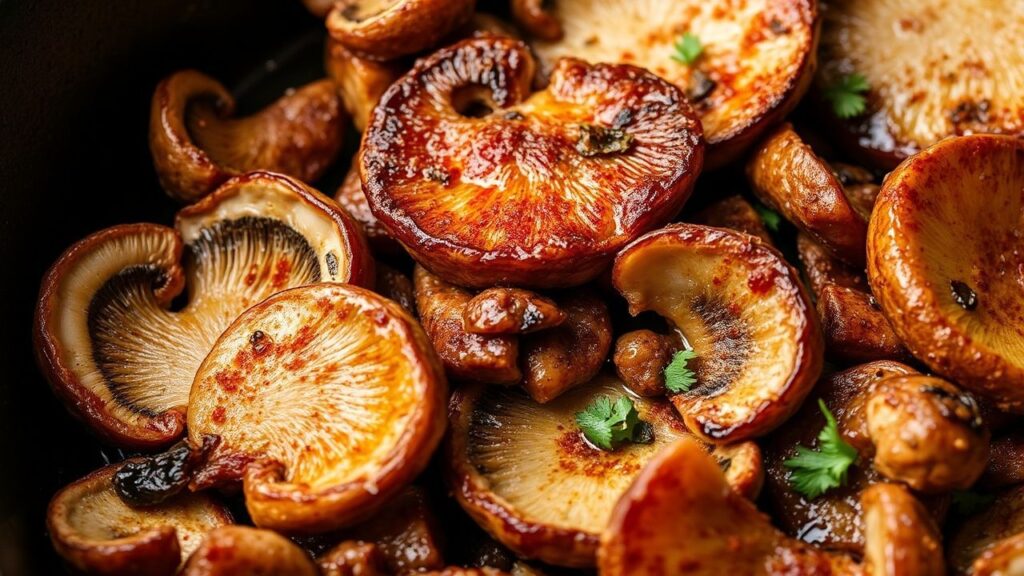
2. Prepare the Egg and Cheese Mixture: In a medium bowl, whisk together the egg yolks (and the whole egg, if using) until well combined. Add the finely grated Pecorino Romano cheese and nutritional yeast. Whisk vigorously until a thick, paste-like consistency is achieved. Season generously with freshly ground black pepper. Set aside.
3. Cook the Pasta: Bring a large pot of water to a rolling boil. Add 2 tablespoons of sea salt. Add the spaghetti or bucatini and cook according to package directions until al dente. Crucially, before draining the pasta, reserve at least 2 cups (480ml) of the starchy pasta cooking water. This water is essential for creating the sauce.
4. Combine and Emulsify: Drain the pasta, but do not rinse it. Immediately return the hot pasta to the pot it was cooked in (off the heat). Add the prepared vegetarian “guanciale” (mushrooms or tempeh) to the pasta. If you are using garlic, add the minced garlic to the skillet used for the “guanciale” with a tiny splash of olive oil, and sauté for about 30 seconds until fragrant, then add this to the pasta.
5. The Crucial Emulsion: Pour the egg and cheese mixture over the hot pasta. Work quickly. Using tongs, toss the pasta vigorously to coat. Begin adding the reserved pasta water, a ladleful (about 1/4 cup or 60ml) at a time, while continuously tossing. The heat from the pasta and the starch in the water will cook the eggs and melt the cheese, creating a creamy, emulsified sauce. Continue adding pasta water as needed, tossing constantly, until the sauce is glossy, creamy, and coats the pasta beautifully without being watery or clumpy. The goal is a sauce that clings, not drips.
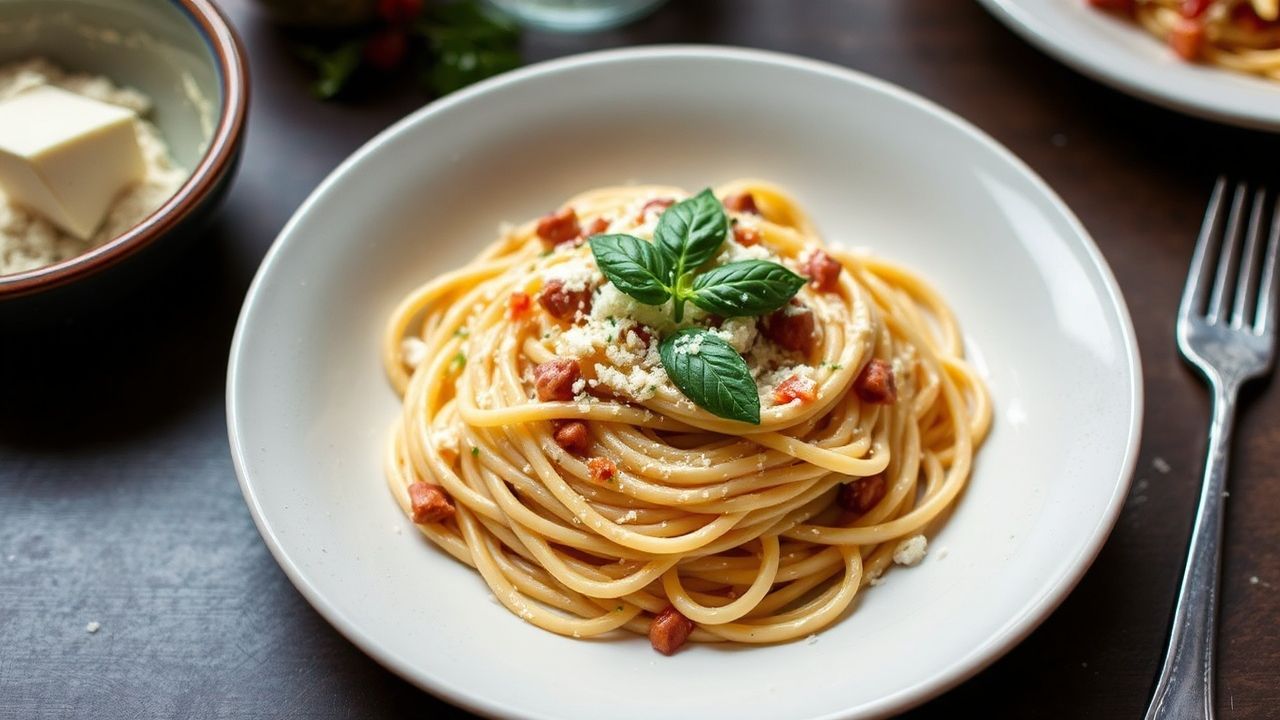
6. Serve Immediately: Once the sauce has reached the desired consistency, serve the vegetarian carbonara immediately in warmed bowls. Garnish generously with more freshly ground black pepper and an extra sprinkle of grated Pecorino Romano or nutritional yeast.
- Calories: 650-750 kcal (varies based on exact ingredients and portion size)
- Protein: 25-30g
- Fat: 30-38g
- Saturated Fat: 10-14g
- Carbohydrates: 70-85g
- Fiber: 4-6g
- Sugars: 3-5g
- Sodium: 800-1200mg (highly dependent on cheese and salt used)
- Cholesterol: 200-250mg (from eggs)
*Note: This is an approximate nutritional breakdown. Actual values will vary based on specific brands of ingredients, portion sizes, and any substitutions made.*
Achieving a truly sublime vegetarian carbonara requires attention to detail that transcends mere ingredient substitution. It’s about understanding the interplay of textures, aromas, and the subtle nuances that transform a good dish into an exceptional one.
The eggs are the heart of the carbonara sauce. For the best flavor and a vibrant golden hue, opt for free-range, omega-3 enriched eggs. The yolks from these eggs are typically a deeper orange and possess a richer flavor that contributes significantly to the final sauce. If you’re able to source them from a local farmer’s market, even better. Their freshness and quality are palpable.
While guanciale offers an unparalleled crispness and salty crunch, our vegetarian alternatives need careful preparation to achieve a similar effect. For mushrooms, ensure they are sliced thinly and cooked until genuinely crisp, not just browned. This might require a slightly higher heat and patience. For tempeh, frying until golden brown and firm provides a satisfying chew and a slight crunch. The aim is to create small, flavorful morsels that offer textural contrast to the creamy pasta.
Authentic Pecorino Romano is made with sheep’s milk and animal rennet, making it unsuitable for strict vegetarians. However, many high-quality vegetarian hard cheeses can be used as a substitute. Look for aged, hard Italian-style cheeses that offer a sharp, salty, and nutty profile. A good vegetarian Parmesan-style cheese, or even a blend of Parmesan-style and a sharp cheddar, can work. Nutritional yeast is indispensable here, providing a cheesy, umami depth that the vegetarian cheese alone might lack.
Freshly ground black pepper is not merely a garnish in carbonara; it is an integral flavor component. Use whole black peppercorns and grind them fresh just before serving. The aroma and sharp bite of freshly ground pepper cut through the richness of the sauce, providing balance and complexity. Don’t be shy with it; a generous amount is characteristic of a true carbonara.
The starchy pasta water is the unsung hero of carbonara. It’s not just water; it’s a liquid gold infused with starch that helps to emulsify the sauce and bind the ingredients. When cooking your pasta, ensure it is cooked to a perfect al dente. Overcooked pasta releases too much starch, potentially making the sauce gummy, while undercooked pasta won’t yield enough starch. Always reserve more water than you think you’ll need; you can always discard the excess.
The final stage of combining the pasta, sauce ingredients, and pasta water is a dance of heat and motion. The pan should be off the heat, but still warm. The pasta needs to be tossed vigorously and continuously. This action, coupled with the gradual addition of pasta water, is what creates the luxurious, creamy emulsion. It’s a moment where technique trumps brute force. Think of it as a gentle, persistent stirring that encourages the ingredients to meld harmoniously. This is where the magic happens, transforming disparate elements into a unified, silken coating.
The creation of a vegetarian carbonara is more than just a culinary experiment; it’s an exploration of flavor, texture, and the fundamental principles of Italian cooking. It challenges our preconceptions about what constitutes a classic dish and demonstrates that innovation, when rooted in understanding, can lead to equally rewarding outcomes. The allure of carbonara lies in its comforting richness, its satisfying chew, and the harmonious marriage of simple, high-quality ingredients. By meticulously substituting the key components and mastering the crucial emulsification technique, we can achieve a vegetarian carbonara that stands proud, offering a deeply flavorful and texturally satisfying experience that appeals to vegetarians and adventurous omnivores alike. It’s proof of the enduring power of good food to evolve and delight, proving that the soul of a dish can indeed be captured, even without its original flesh and bone.
The most effective substitutes aim to replicate the rendered fat, savory depth, and textural chew of guanciale. King oyster mushrooms, sliced thinly and pan-fried until golden and slightly crispy, offer a wonderful texture and umami. Smoked tempeh, cut into lardons and crisped, provides a firmer chew and a smoky note. For an intense savory punch, incorporating dried shiitake mushrooms, rehydrated and finely chopped or sautéed, can add significant depth. Crispy fried shallots can also contribute a sweet, savory crunch and a hint of richness. The key is to layer these ingredients to build complexity.
No, this recipe is specifically for vegetarian carbonara, which means it excludes all meat products, including regular bacon and pancetta. Guanciale, bacon, and pancetta are all cured pork products and would defeat the purpose of a vegetarian dish. The recipe focuses on plant-based ingredients to achieve the desired flavor and texture without any animal products.
The primary reasons for a scrambled or dry sauce are excessive heat and insufficient pasta water. Always remove the pan from direct heat before adding the egg and cheese mixture. Toss the pasta vigorously and add the reserved, starchy pasta water gradually, a ladleful at a time, as you toss. This combination of gentle heat from the pasta and pan, along with the starchy water, will create a smooth, creamy emulsion. If the sauce appears too dry, add more pasta water. If it seems too liquid, continue tossing off the heat; the residual heat and starch will help it thicken further. The consistency should be glossy and cling to the pasta.
See also: Vegetarian carbonara