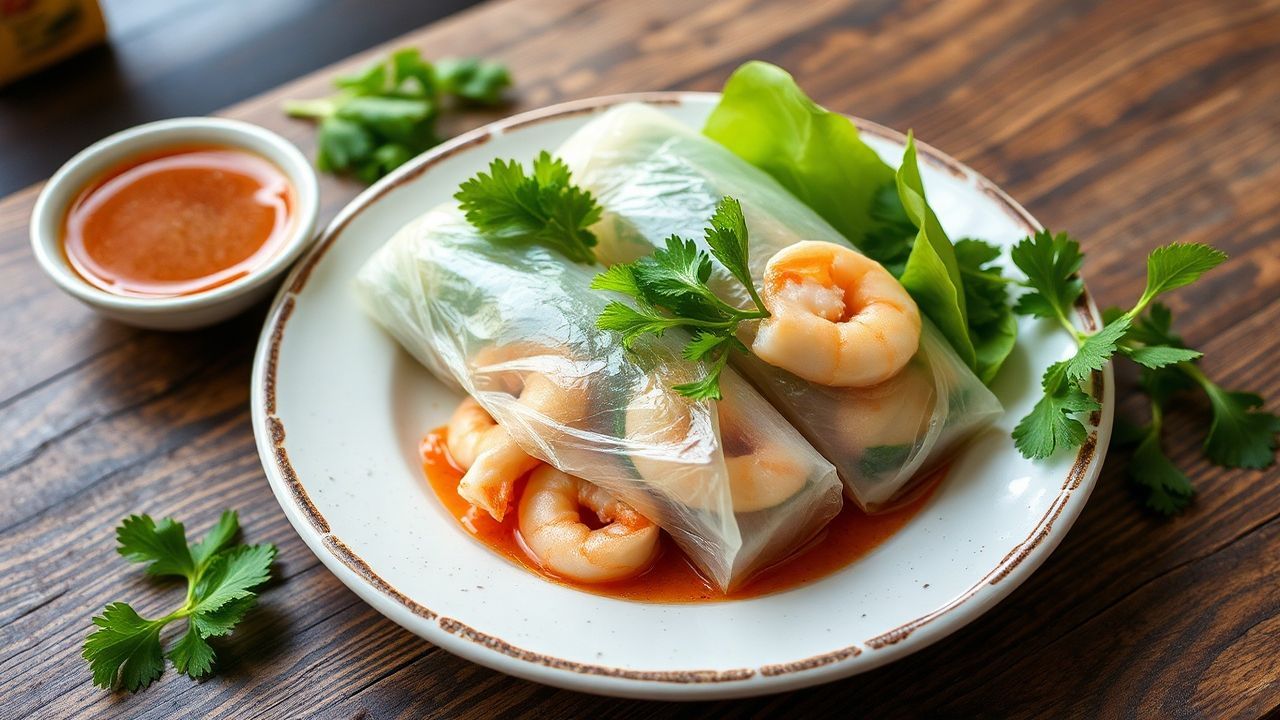

The humid air of a Hanoi summer afternoon, thick with the scent of jasmine and simmering pho, often finds me seeking refuge under a thatched awning, a cool glass of trà đá (iced tea) in hand. It’s in these moments, amidst the gentle hum of street life, that the true essence of Vietnamese culinary artistry reveals itself. Few dishes embody this spirit of freshness, balance, and vibrant flavor as perfectly as the humble yet profound Gỏi Cuốn, or Vietnamese spring rolls, particularly those graced with succulent shrimp. These aren’t the deep-fried, heavy appetizers one might encounter elsewhere; rather, they are delicate, translucent wonders, proof of the power of raw ingredients treated with respect and precision. Mastering the art of crafting these spring rolls is not merely about following a recipe; it’s about understanding the interplay of textures, the harmony of flavors, and the sheer joy of creating something so wholesome and beautiful.
- At a Glance: Key Takeaways for Perfect Spring Rolls
- The Genesis of Freshness: A Look at Vietnamese Spring Rolls
- Unveiling the Components: Ingredients for Exquisite Spring Rolls
- The Foundation: Rice Paper Wrappers
- The Heart of the Roll: Protein and Noodles
- The Aromatic Core: Fresh Herbs and Vegetables
- Crafting the Masterpiece: The Preparation Method
- Step 1: Preparation of Ingredients
- Step 2: Setting Up Your Rolling Station
- Step 3: Hydrating the Rice Paper
- Step 4: Assembling the Filling
- Step 5: The Art of Rolling
- Step 6: Serving
- The Perfect Counterpoint: Dipping Sauces
- Nutritional Insights: A Wholesome Indulgence
- Elevating Your Spring Roll Game: Expert Pro-Tips
- A Culinary Journey in Every Bite
- Frequently Asked Questions About Vietnamese Spring Rolls
- Can I make Vietnamese spring rolls ahead of time?
- What are the best types of shrimp to use for spring rolls?
- How do I prevent my spring rolls from tearing?
- Can I substitute the shrimp with other proteins or vegetables?
- What is the significance of the dipping sauce in Vietnamese cuisine?
At a Glance: Key Takeaways for Perfect Spring Rolls
- Freshness is Paramount: The success of Gỏi Cuốn hinges on the quality and freshness of its components.
- Texture is King: The interplay between the crisp vermicelli, tender shrimp, aromatic herbs, and the chewy rice paper is crucial.
- Dipping Sauce is Non-Negotiable: The accompanying sauce is as vital as the roll itself, providing the essential flavor bridge.
- Technique Matters: Proper rice paper handling and skillful rolling prevent tears and ensure a delightful eating experience.
The Genesis of Freshness: A Look at Vietnamese Spring Rolls
The history of spring rolls, or Gỏi Cuốn, is deeply rooted in Vietnamese agricultural traditions. Historically, these rolls were a way to utilize the bounty of fresh produce harvested during the spring season, hence their name. Unlike their fried counterparts (Chả Giò), which have a more complex culinary lineage and often feature in celebratory feasts, Gỏi Cuốn represent a lighter, everyday culinary expression. They are a staple at family gatherings, street food stalls, and fine dining establishments alike, proof of their universal appeal. The inclusion of shrimp, a readily available and prized protein in Vietnam’s extensive coastline and river systems, adds a touch of elegance and a satisfying depth of flavor. This dish is a perfect microcosm of Vietnamese cuisine’s core principles: balance, freshness, and a celebration of natural ingredients.
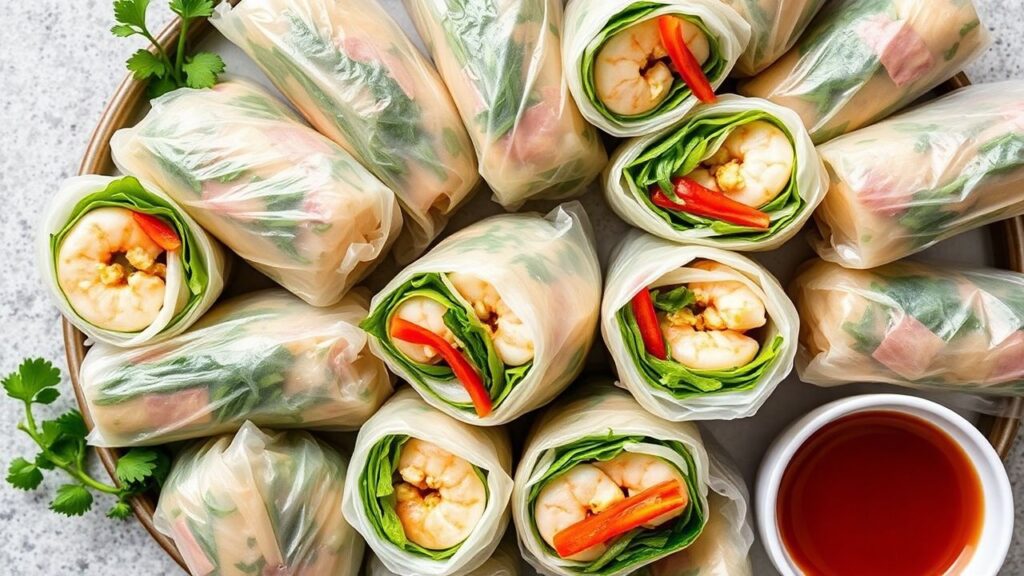
Unveiling the Components: Ingredients for Exquisite Spring Rolls
The magic of Gỏi Cuốn lies in its deceptively simple assembly. Each component, however, plays a critical role in the final symphony of flavors and textures. The selection and preparation of these elements are paramount to achieving that restaurant-quality result.
The Foundation: Rice Paper Wrappers
The very skin of our spring rolls, the rice paper, is a marvel of culinary engineering. Typically made from rice flour, tapioca starch, salt, and water, these thin, brittle sheets transform into pliable, translucent wrappers when briefly dipped in warm water. The key is to find high-quality wrappers; some can be overly starchy or prone to tearing. Look for brands known for their flexibility and strength once hydrated. The size also matters – 22cm (8.5-inch) wrappers are generally ideal for standard-sized rolls.
The Heart of the Roll: Protein and Noodles
Shrimp: For this iteration, we focus on succulent shrimp. Opt for medium-sized shrimp, peeled, deveined, and cooked just until pink and opaque. Overcooking them will render them tough and detract from the delicate texture. A quick boil or steam is all that’s needed. A common technique is to halve them lengthwise after cooking, presenting a beautiful visual and making them easier to arrange within the roll.
Rice Vermicelli Noodles: These thin, delicate rice noodles provide a delightful chewiness and absorb the flavors of the other ingredients. Cook them according to package directions, then rinse under cold water to prevent clumping and stop the cooking process. Draining them thoroughly is crucial to avoid a watery roll.
The Aromatic Core: Fresh Herbs and Vegetables
This is where the vibrant character of Vietnamese spring rolls truly shines. The generous use of fresh herbs is non-negotiable.
- Mint: Its refreshing, cool aroma is a cornerstone of Gỏi Cuốn. Use fresh mint leaves, plucked from their stems.
- Cilantro: Earthy and bright, cilantro adds another layer of herbaceous complexity. Again, use fresh leaves and tender stems.
- Thai Basil (optional but highly recommended): If available, Thai basil with its slight anise-like flavor offers a unique and sophisticated note.
- Lettuce: Crisp lettuce leaves, such as butter lettuce or romaine, provide a refreshing crunch and act as a protective layer for the rice paper.
- Bean Sprouts: These add a delicate crispness and a subtle, nutty flavor. Ensure they are fresh and free from any discoloration.
- Other Additions (optional): Thinly sliced cucumber, red bell pepper, or even julienned carrots can add further texture and color.
Crafting the Masterpiece: The Preparation Method
The process of assembling Vietnamese spring rolls is a meditative ritual, requiring patience and a gentle touch. It’s an exercise in precision that, once mastered, becomes second nature.
Step 1: Preparation of Ingredients
Begin by preparing all your filling components. Cook the shrimp and allow them to cool completely. Cook the rice vermicelli noodles, rinse them under cold water, and drain them thoroughly. Wash and dry all herbs and vegetables. Pluck mint and cilantro leaves from their stems. If using larger lettuce leaves, tear them into more manageable sizes. Julienne any additional vegetables like cucumber or bell pepper.
Step 2: Setting Up Your Rolling Station
This is a critical step for efficiency and success. You’ll need a large, shallow dish or pie plate filled with warm water. Have a clean, dry surface for rolling – a large cutting board or a clean countertop. Arrange all your prepared ingredients within easy reach. Have a separate plate or platter ready for the finished rolls.
Step 3: Hydrating the Rice Paper
Submerge one sheet of rice paper in the warm water for about 15-30 seconds, or until it becomes pliable. Do not over-soak, as it will become too fragile and difficult to handle. Gently lift the wrapper from the water, allowing any excess water to drip off. Lay it flat on your clean rolling surface.
Step 4: Assembling the Filling
This is where artistry comes into play. Place a lettuce leaf near the bottom edge of the rice paper, leaving some space on the sides. Layer a small amount of rice vermicelli noodles over the lettuce. Then, arrange a few fresh herbs (mint, cilantro, basil) on top of the noodles. Place 2-3 shrimp, cut side up, on top of the herbs, positioned towards one side of the wrapper, so they will be visible when rolled. Add a small handful of bean sprouts and any other julienned vegetables. Do not overfill, as this will make rolling difficult and increase the chances of tearing.
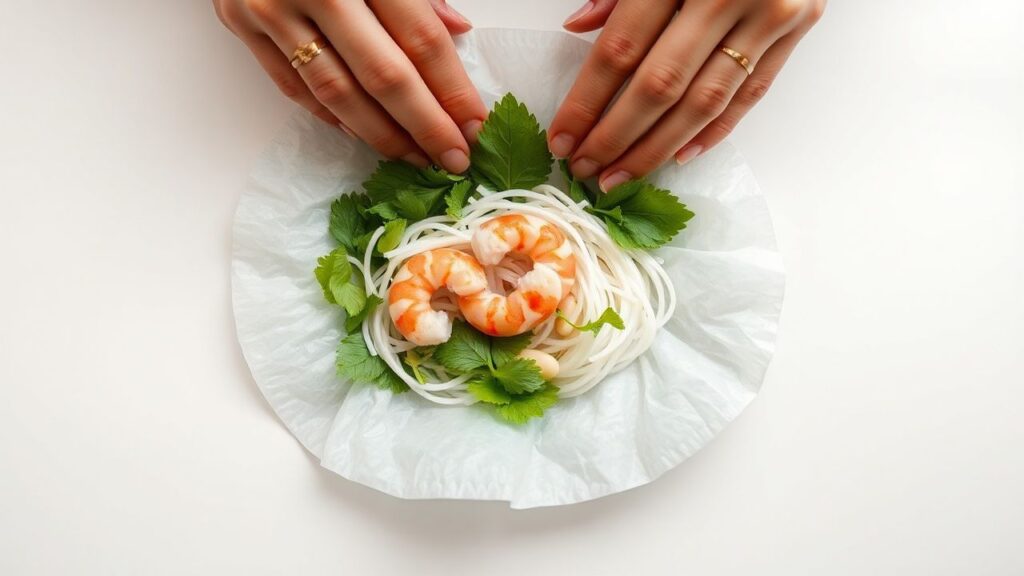
Step 5: The Art of Rolling
This requires a gentle but firm hand.
1. The Initial Fold: Fold the bottom edge of the rice paper over the filling, tucking it in snugly.
2. The Side Folds: Fold in the left and right sides of the wrapper towards the center, like an envelope. This creates a neat, enclosed package.
3. The Final Roll: Starting from the bottom, tightly roll the entire package upwards, ensuring a snug fit to prevent the filling from shifting. The goal is a compact, firm roll with the shrimp and herbs visible through the translucent wrapper.
Step 6: Serving
Place the finished spring rolls seam-side down on your serving platter. If you are not serving them immediately, cover them with a slightly damp kitchen towel to prevent them from drying out. They are best enjoyed fresh, within a few hours of preparation.
The Perfect Counterpoint: Dipping Sauces
No Gỏi Cuốn experience is complete without an exceptional dipping sauce. The two most traditional and beloved are Hoisin-Peanut Sauce and Nuoc Cham.
Hoisin-Peanut Sauce
This rich, savory, and slightly sweet sauce is a crowd-pleaser.
- Ingredients:
- 1/2 cup (120ml) hoisin sauce
- 1/4 cup (60ml) smooth peanut butter
- 2 tablespoons water (or more, to thin)
- 1 tablespoon rice vinegar
- 1 teaspoon soy sauce
- 1 clove garlic, minced
- Pinch of chili flakes (optional)
- Toasted peanuts, chopped, for garnish
- Method: Whisk all ingredients together in a bowl until smooth. Add more water, a tablespoon at a time, to reach your desired consistency. Garnish with chopped toasted peanuts.
Nuoc Cham (Vietnamese Dipping Sauce)
This bright, tangy, and slightly spicy sauce offers a refreshing contrast.
- Ingredients:
- 1/4 cup (60ml) fish sauce
- 1/4 cup (60ml) warm water
- 3 tablespoons granulated sugar
- 2 tablespoons fresh lime juice
- 1-2 cloves garlic, minced
- 1 small red chili, finely minced (or to taste)
- Method: In a bowl, dissolve the sugar in the warm water. Stir in the fish sauce and lime juice. Add the minced garlic and chili. Taste and adjust seasoning as needed – it should be a balance of salty, sweet, sour, and spicy.
Nutritional Insights: A Wholesome Indulgence
Vietnamese shrimp spring rolls are a remarkably healthy dish, especially when compared to many other appetizer options. They are inherently low in fat (depending on the dipping sauce) and packed with lean protein, fiber, and essential vitamins and minerals from the fresh herbs and vegetables.
Per Serving (1 roll, approximate, without sauce):
- Calories: 60-80 kcal
- Protein: 4-6g
- Fat: 1-2g
- Carbohydrates: 10-15g (primarily from noodles and wrapper)
- Fiber: 1-2g
- Vitamins & Minerals: Rich in Vitamin A, Vitamin C, Vitamin K, folate, potassium, and iron, depending on the specific herb and vegetable combination.
The nutritional profile can be significantly altered by the dipping sauce. The Hoisin-Peanut sauce, while delicious, will add more calories, fat, and sugar. Nuoc Cham, being primarily water-based with fish sauce, lime, and sugar, is generally a lighter option. For those mindful of sugar intake, the sugar in Nuoc Cham can be reduced or substituted with a low-calorie sweetener.
Elevating Your Spring Roll Game: Expert Pro-Tips
Achieving that perfect, delicate, and flavorful spring roll is within reach with a few insider secrets. These aren’t just about technique; they are about understanding the soul of the dish.
One area where many home cooks falter is in the preparation of the shrimp. While simply boiling is effective, consider a quick pan-sear with a touch of garlic and ginger for an added layer of aromatic complexity. This minor step can elevate the shrimp from merely cooked to something truly special, infusing them with a subtle, savory depth that resonates throughout the roll. Imagine the slight caramelization on the shrimp, adding a whisper of umami that complements the fresh herbs beautifully.
Furthermore, the balance of textures is crucial. Don’t shy away from generous amounts of fresh herbs. They are not just for flavor; their slight resistance and aromatic burst are what make each bite so invigorating. Consider adding thinly sliced cucumber for an extra layer of crispness and a cooling sensation. The key is to create a harmonious interplay – the slight chew of the noodle, the snap of the bean sprouts, the tender shrimp, and the fragrant, vibrant herbs all working in concert.
A Culinary Journey in Every Bite
Vietnamese spring rolls with shrimp are more than just a dish; they are an experience. They are a celebration of freshness, proof of the power of simple ingredients, and a delightful journey for the palate. From the initial visual appeal of the translucent wrapper revealing its vibrant contents to the satisfying crunch and the burst of fresh flavors, each element contributes to a culinary masterpiece. Mastering their preparation is a rewarding endeavor, offering a healthy, delicious, and visually stunning option for any occasion. They embody the very essence of Vietnamese hospitality and culinary philosophy, inviting you to partake in a moment of pure, unadulterated deliciousness.
Frequently Asked Questions About Vietnamese Spring Rolls
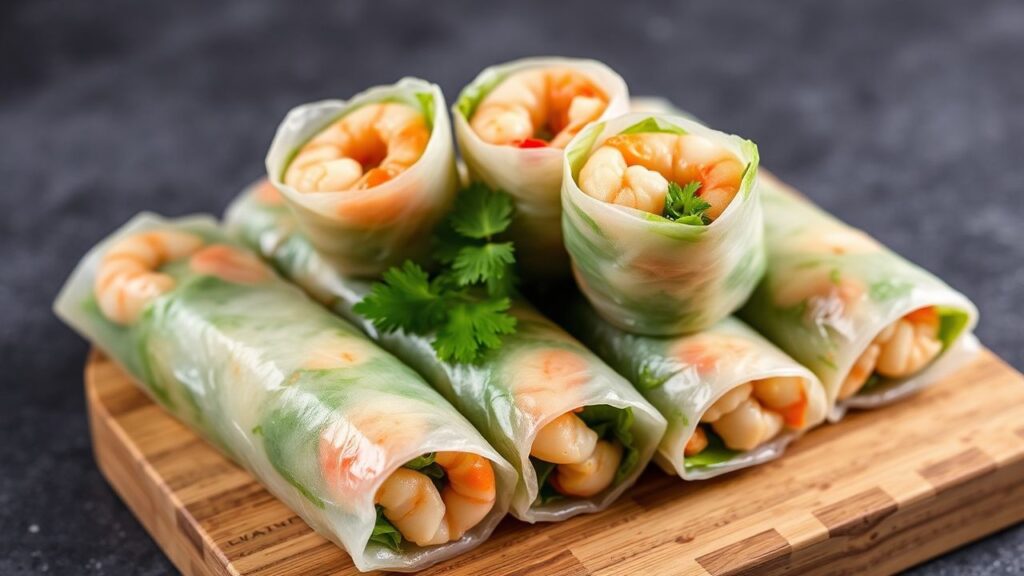
Can I make Vietnamese spring rolls ahead of time?
Vietnamese spring rolls are best enjoyed fresh, ideally within a few hours of preparation. The rice paper wrappers will begin to harden and can become tough if left out for too long, and the fresh ingredients will lose some of their crispness. If you must prepare them in advance, it is recommended to do so no more than 2-3 hours ahead of serving. Store them in an airtight container, separated by parchment paper or wax paper to prevent sticking, and keep them at room temperature. Avoid refrigerating them, as this can make the wrappers tough and brittle.
What are the best types of shrimp to use for spring rolls?
Medium-sized shrimp (approximately 26-30 count per pound or 51-60 count per kilogram) are ideal for Vietnamese spring rolls. They are small enough to be arranged attractively within the roll and cook quickly, ensuring they remain tender and succulent. Ensure they are fresh or have been properly thawed if frozen. Peeled and deveined shrimp are most convenient, but you can also buy them in the shell and prepare them yourself. For visual appeal, it is common to cook them, halve them lengthwise, and arrange them so the pink, curved side faces outwards, visible through the rice paper.
How do I prevent my spring rolls from tearing?
Tearing is a common issue for beginners, but it can be largely avoided with proper technique. Key factors include:
- Don’t over-soak the rice paper: A quick dip (15-30 seconds) in warm water is usually sufficient. The wrapper will continue to soften on your rolling surface.
- Use a clean, smooth rolling surface: A damp surface can cause the wrapper to stick and tear. Ensure your board or counter is dry.
- Don’t overfill the wrapper: Too much filling makes it difficult to fold and roll snugly, increasing stress on the rice paper.
- Gentle but firm rolling: Apply even pressure as you roll, but avoid yanking or pulling the wrapper.
- Moisten edges if needed: If the edge of the rice paper isn’t sealing properly towards the end of the roll, a very light dip of your finger in water can help it adhere.
Can I substitute the shrimp with other proteins or vegetables?
Absolutely! Vietnamese spring rolls are incredibly versatile. While shrimp is a classic, you can easily substitute it with:
- Tofu: Firm or extra-firm tofu, pressed and then pan-fried or baked until golden, makes an excellent vegetarian option.
- Chicken or Pork: Thinly sliced and cooked chicken breast or lean pork tenderloin can be used.
- Fish: Flaked cooked fish, such as cod or tilapia, can also be incorporated.
- Vegetables: For a purely vegetarian or vegan roll, focus on a medley of crisp vegetables like julienned carrots, daikon radish, bell peppers, avocado, and edamame, in addition to the herbs and noodles.
Ensure any protein is cooked and cooled before assembly, and any vegetables are julienned or sliced thinly to facilitate easy rolling.
What is the significance of the dipping sauce in Vietnamese cuisine?
In Vietnamese cuisine, dipping sauces are not mere accompaniments; they are integral components that complete a dish. They provide a vital balance of flavors – salty, sweet, sour, spicy, and umami – that enhance and complement the main ingredients. For spring rolls, the sauces cut through the richness of the peanut sauce or provide a bright, zesty counterpoint to the fresh ingredients. The artful balance within a sauce, like the nuanced complexity of Nuoc Cham, reflects the Vietnamese culinary philosophy of harmony. A well-made dipping sauce can elevate a simple dish to extraordinary heights, and for spring rolls, it is as crucial to the experience as the roll itself.
See also: Spring rolls