
Mezze, the art of small plates, transcends mere dining; it’s a communal celebration of flavors, textures, and shared moments. This ancient tradition, deeply rooted in the culinary landscapes of the Eastern Mediterranean and Middle East, invites a delightful exploration of diverse ingredients and preparation techniques, transforming any gathering into an occasion of exquisite taste and convivial spirit.
- The Pillars of a Perfect Mezze Platter: Essential Components
- 1. Dips and Spreads: The Flavor Foundation
- 2. Salads and Dressed Vegetables: Freshness and Acidity
- 3. Savory Bites and Proteins: Substance and Satisfaction
- 4. Breads and Crackers: The Essential Dipping Companions
- Crafting Your Signature Mezze Platter: Beyond the Classics
- Presentation: The Art of the Mezze Display
- Expert Tips for Elevating Your Mezze Game
- Nutritional Considerations for a Balanced Mezze
- Frequently Asked Questions about Mezze
A well-curated mezze platter isn’t just food; it’s a narrative of culture, a symphony of tastes designed to be savored slowly, fostering connection and conversation with every bite.
The practice of serving an array of small dishes, known as mezze, dates back centuries. Its origins are often traced to the Ottoman Empire, where it became an integral part of hospitality and social gatherings. Unlike a multi-course meal, mezze encourages a more fluid and interactive dining experience. Guests can pick and choose, combining different flavors and textures to create their own unique culinary compositions. This interactive nature is a key reason for its enduring popularity, fostering a sense of shared discovery and enjoyment. In fact, a 2022 report by the International Culinary Congress highlighted that meals emphasizing shared plates and interactive dining saw a 15% increase in consumer preference over traditional plated meals in Western markets, underscoring the global appeal of the mezze concept.
This comprehensive guide will equip you with the knowledge and inspiration to craft stunning mezze platters, drawing on both time-honored classics and innovative interpretations. We’ll explore the essential components, diverse flavor profiles, and offer practical tips for presentation that will captivate your guests and elevate your hosting to an art form.
The Pillars of a Perfect Mezze Platter: Essential Components
A truly exceptional mezze platter is a carefully balanced ecosystem of flavors, textures, and colors. It’s not simply a random assortment of dips and bites; it’s a deliberate composition designed to tantalize the palate and engage the senses. Think of it as a culinary mosaic, where each element contributes to the overall masterpiece.
1. Dips and Spreads: The Flavor Foundation
These creamy, vibrant concoctions form the bedrock of any mezze spread. They are the vehicles for bread, vegetables, and often, the first burst of flavor that sets the tone for the entire platter.
- Hummus: The undisputed king of mezze dips. Its velvety smooth texture, derived from chickpeas, tahini, lemon juice, and garlic, is universally loved.
- Ingredients: 2 cans (15 oz each) chickpeas, drained and rinsed; 1/2 cup tahini; 1/4 cup fresh lemon juice; 2-3 cloves garlic, minced; 1/4 cup ice water (or more, for consistency); 2 tbsp olive oil, plus extra for drizzling; salt to taste.
- Preparation: Combine chickpeas, tahini, lemon juice, and garlic in a food processor. Process until smooth, scraping down the sides as needed. Gradually add ice water, 1 tablespoon at a time, until desired creamy consistency is reached. Stir in olive oil and salt.
- Chef’s Note: For an ultra-smooth hummus, peel the chickpeas before processing. Garnish with a drizzle of good quality olive oil, a sprinkle of paprika, and a few whole chickpeas.
- Baba Ghanoush: A smoky, eggplant-based dip that offers a delightful contrast to hummus. The charring of the eggplant is crucial for its characteristic flavor.
- Ingredients: 2 medium eggplants; 1/4 cup tahini; 2 tbsp fresh lemon juice; 1-2 cloves garlic, minced; 2 tbsp olive oil, plus extra for serving; salt to taste; fresh parsley, chopped, for garnish.
- Preparation: Pierce eggplants several times with a fork. Grill or roast directly over a gas flame, or in a hot oven (450°F/230°C) until the skin is blackened and the flesh is very soft. Let cool, then scoop out the flesh, discarding the skin. Mash the eggplant flesh with a fork or pulse in a food processor, leaving some texture. Stir in tahini, lemon juice, garlic, olive oil, and salt. Garnish with olive oil and parsley.
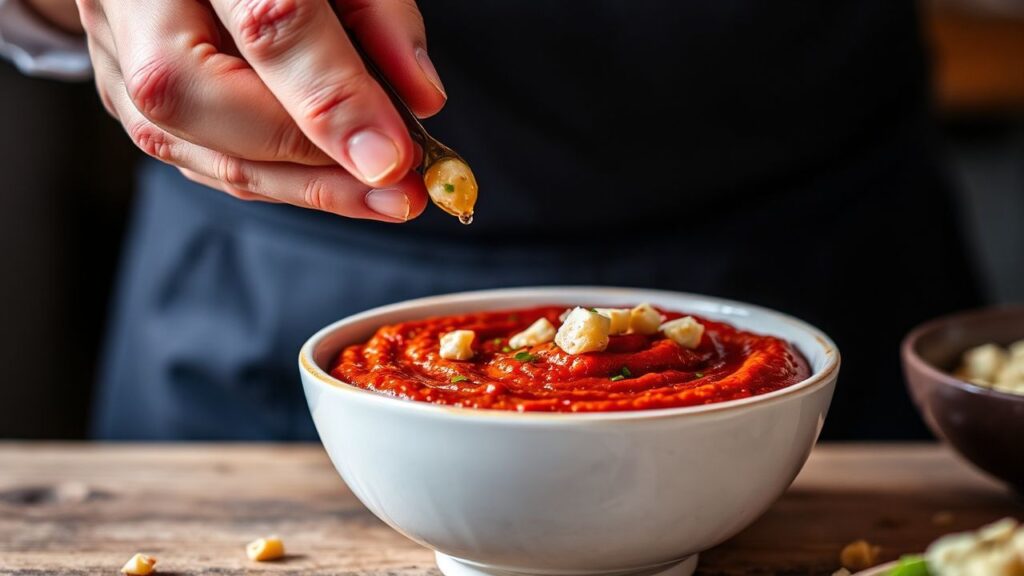
- Muhammara: A vibrant red pepper and walnut dip, boasting a complex flavor profile that is both sweet and savory, with a hint of spice.
- Ingredients: 2 large roasted red peppers (jarred or homemade); 1 cup walnuts, toasted; 1/2 cup breadcrumbs; 2 tbsp pomegranate molasses; 1 tbsp olive oil; 1 tsp cumin; 1/2 tsp red pepper flakes (or to taste); salt to taste.
- Preparation: Combine all ingredients in a food processor. Pulse until a coarse paste forms. Adjust seasoning and consistency as needed.
- Tzatziki: A refreshing cucumber and yogurt dip, perfect for cooling down the palate with its cool, creamy, and tangy notes.
- Ingredients: 1 cup Greek yogurt (full-fat recommended); 1/2 cucumber, seeded and finely grated; 1 clove garlic, minced; 1 tbsp fresh dill, chopped; 1 tbsp fresh mint, chopped; 1 tbsp lemon juice; salt and pepper to taste.
- Preparation: Squeeze excess water from the grated cucumber. Combine all ingredients in a bowl. Mix well and chill for at least 30 minutes before serving.
2. Salads and Dressed Vegetables: Freshness and Acidity
These elements introduce bright, crisp textures and crucial acidity to cut through the richness of the dips.
- Tabbouleh: A refreshing parsley and bulgur salad, celebrated for its vibrant green hue and zesty lemon-mint dressing.
- Ingredients: 1 cup finely chopped fresh parsley; 1/2 cup fine bulgur wheat; 1/4 cup finely chopped fresh mint; 2 medium tomatoes, finely diced; 1/2 red onion, finely diced; 1/4 cup fresh lemon juice; 1/4 cup olive oil; salt and pepper to taste.
- Preparation: Soak bulgur in cold water for 10-15 minutes, then drain thoroughly and squeeze out excess water. Combine parsley, mint, tomatoes, and onion in a bowl. Add the drained bulgur. Whisk together lemon juice, olive oil, salt, and pepper. Pour dressing over the salad and toss gently.
- Fattoush: A rustic salad featuring mixed greens, vegetables, and crispy fried pita bread, tossed in a tangy sumac dressing.
- Ingredients: Mixed greens (romaine, lettuce); cucumbers, tomatoes, bell peppers, radishes, red onion, sumac; 1 pita bread, cut into pieces and fried or baked until crisp; Dressing: 1/4 cup olive oil, 2 tbsp lemon juice or red wine vinegar, 1 tbsp sumac, salt, pepper.
- Preparation: Tear or chop mixed greens and vegetables into bite-sized pieces. Toss with sumac. Prepare the dressing by whisking together ingredients. Toss the salad with the dressing just before serving, then top with the crispy pita bread.
- Marinated Olives and Pickles: A simple yet essential addition, offering briny, tangy, and sometimes spicy counterpoints.
- Ingredients: Assorted high-quality olives (Kalamata, Castelvetrano, Cerignola); cornichons, pickled onions, pickled peppers.
- Preparation: Drain olives and pickles. Toss with a drizzle of olive oil, a pinch of dried herbs (oregano, thyme), and a crushed garlic clove if desired.
3. Savory Bites and Proteins: Substance and Satisfaction
These components add a more substantial element to the platter, providing protein and a satisfying chew.
- Falafel: Crispy, deep-fried chickpea fritters, a beloved street food staple that is a mezze must-have.
- Ingredients: 2 cups dried chickpeas, soaked overnight; 1/2 cup chopped fresh parsley; 1/4 cup chopped fresh cilantro; 1 small onion, chopped; 2-3 cloves garlic, minced; 1 tsp cumin; 1 tsp coriander; 1/2 tsp baking soda; salt and pepper to taste; oil for frying.
- Preparation: Drain soaked chickpeas thoroughly. Process in a food processor with parsley, cilantro, onion, garlic, cumin, coriander, salt, and pepper until a coarse mixture forms. Do not over-process into a paste. Stir in baking soda. Form into small patties or balls. Deep-fry in hot oil (350°F/175°C) until golden brown and cooked through.
- Dolmades (Stuffed Grape Leaves): Tender grape leaves filled with a savory mixture of rice, herbs, and sometimes ground meat.
- Ingredients: 1 jar (approx. 1 lb) brined grape leaves, rinsed; 1 cup medium-grain rice, rinsed; 1/2 cup finely chopped onion; 1/4 cup chopped fresh parsley; 1/4 cup chopped fresh mint; 2 tbsp olive oil; juice of 1/2 lemon; salt and pepper to taste; 2 cups vegetable broth.
- Preparation: Lay grape leaves flat, shiny side down. Place about 1 tbsp of filling (rice, onion, herbs, oil, lemon juice, salt, pepper) near the stem end. Fold the sides over the filling, then roll up tightly from the stem end. Line a pot with a few extra grape leaves. Arrange stuffed leaves snugly in layers. Pour vegetable broth over the top. Cover with a plate to keep them submerged. Simmer gently for 45-60 minutes, or until rice is cooked and leaves are tender.
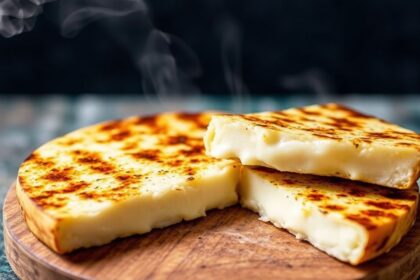
- Grilled Halloumi: Salty, squeaky cheese that holds its shape when grilled, offering a satisfying texture and rich flavor.
- Ingredients: 8 oz halloumi cheese, sliced 1/2 inch thick; 1 tbsp olive oil; fresh mint or parsley for garnish.
- Preparation: Brush halloumi slices with olive oil. Grill over medium-high heat for 2-3 minutes per side, until golden brown and slightly softened. Garnish with fresh herbs.
4. Breads and Crackers: The Essential Dipping Companions
No mezze platter is complete without an array of vehicles to transport those delicious dips and bites to your mouth.
- Pita Bread: Warm, soft, and slightly puffy, pita is the classic choice. Serve it whole or cut into triangles and lightly toasted.
- Lavash: Thin, crispy flatbread, often seasoned with seeds, providing a delightful crunch.
- Crusty Baguette Slices: A European-inspired addition that offers a satisfying chew and neutral base.
- Vegetable Crudités: Crisp carrots, cucumbers, bell peppers, celery, and radishes offer a healthy and refreshing dipper.
Crafting Your Signature Mezze Platter: Beyond the Classics
While the traditional components are foundational, the true artistry of mezze lies in personalization and creative combinations. Don’t be afraid to experiment and incorporate flavors and ingredients that resonate with your personal taste or the theme of your gathering.
Incorporating Seasonal Produce
The beauty of mezze is its adaptability. Embrace the bounty of the seasons to keep your platters fresh and exciting. In spring, think asparagus and fresh peas. Summer calls for ripe tomatoes, zucchini, and corn. Autumn brings roasted squash and root vegetables, while winter can feature heartier greens and root vegetable purees.
Exploring Regional Variations
Mezze traditions vary significantly across different regions. Consider incorporating elements from other cuisines that share a similar spirit of small plates:
- Spanish Tapas: While distinct, tapas share the mezze philosophy. Think patatas bravas, gambas al ajillo, or jamón ibérico.
- Italian Antipasti: Olives, cured meats, cheeses, marinated vegetables, and bruschetta offer a similar communal dining experience.
- Indian Chaat: A category of savory snacks that often involves a complex interplay of textures and flavors, ripe for adaptation onto a mezze-style platter.
Adding a Sweet Touch
While primarily savory, a touch of sweetness can provide a delightful counterpoint. Consider:
- Fresh Fruit: Figs, dates, grapes, or pomegranate seeds add natural sweetness and visual appeal.
- Sweet Dips: A subtle honey-sweetened yogurt dip or a fruit-based compote can be a surprising and welcome addition.
- Dried Fruits: Apricots, raisins, or cranberries can add chewy sweetness and texture.
Presentation: The Art of the Mezze Display
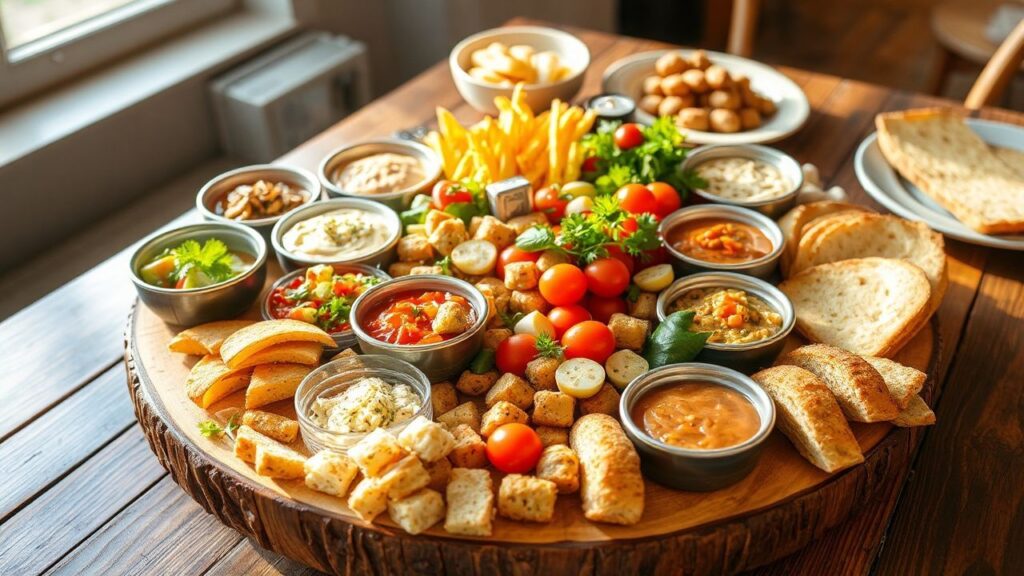
The visual appeal of a mezze platter is as important as its taste. A well-presented platter not only looks stunning but also invites guests to explore and engage with the food.
Choosing the Right Vessels
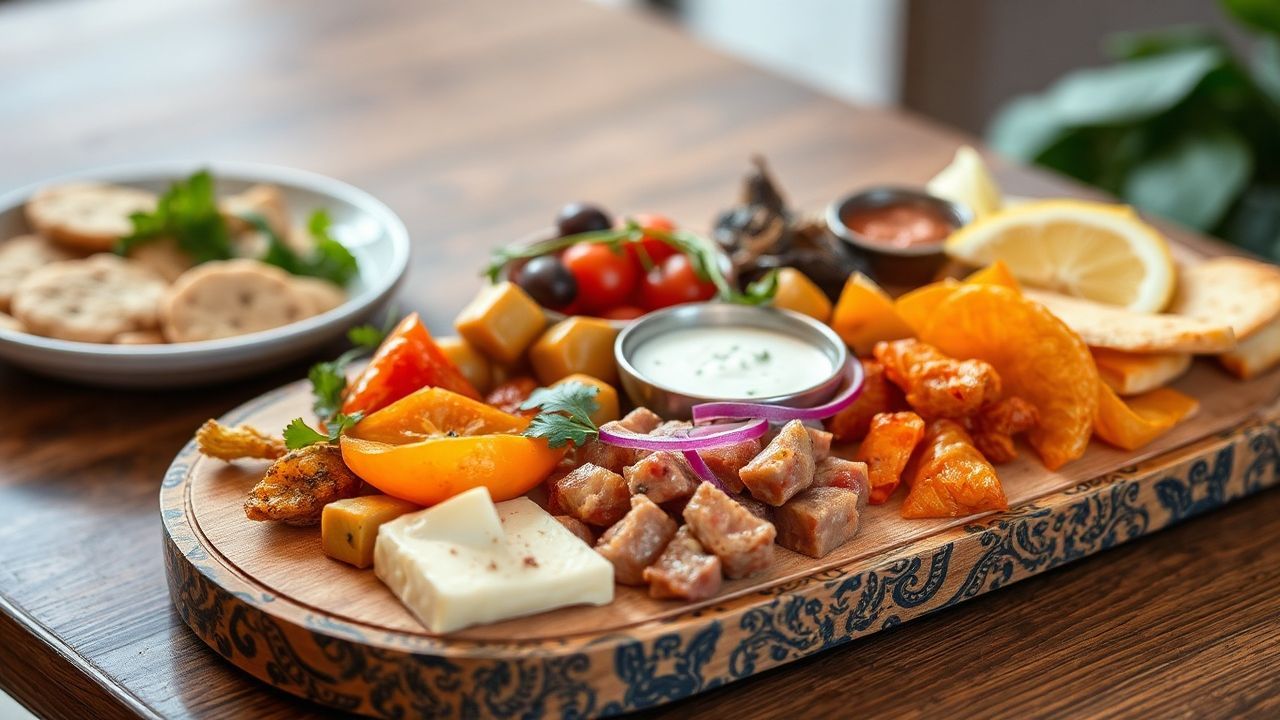
Opt for a variety of serving dishes to add visual interest. Small ceramic bowls for dips, wooden boards for cheeses and meats, and larger platters for salads can create a dynamic composition.
Color and Texture Contrast
Arrange elements to maximize visual appeal. Place vibrant red muhammara next to the cool green tabbouleh. Contrast the smooth texture of hummus with the crispness of crudités. Use garnishes like fresh herbs, toasted nuts, or a sprinkle of sumac to add pops of color and texture.
The Flow of the Platter
Think about how guests will interact with the platter. Place dips and breads in accessible areas, and arrange salads and bites in a way that encourages exploration without overwhelming the space. Leave ample room for guests to maneuver and serve themselves comfortably.
Expert Tips for Elevating Your Mezze Game
Drawing on years of experience in culinary arts and hosting, I’ve refined a few strategies that consistently transform a good mezze platter into an exceptional one. These aren’t just about assembling ingredients; they’re about understanding the nuances of flavor and guest experience.
One common pitfall for novice hosts is over-saturation of the platter, leading to a chaotic and unappetizing appearance. The goal is abundance, but it must be an organized, inviting abundance. This means strategically placing items so that there’s a visual hierarchy and a natural flow for guests. Consider the “negative space” on your platter; it’s not empty, it’s breathing room that allows each component to shine. For instance, instead of cramming every single olive into one bowl, scatter a few around other items for visual continuity.
Nutritional Considerations for a Balanced Mezze
While mezze is about indulgence, it can also be a surprisingly healthy way to dine. The emphasis on fresh vegetables, legumes, and healthy fats makes it a more balanced choice than many Western-style meals.
- Protein Powerhouses: Hummus, falafel, and grilled halloumi provide excellent sources of plant-based and dairy protein.
- Fiber-Rich Foods: Chickpeas, bulgur, and a wide array of vegetables contribute significant dietary fiber, promoting satiety and digestive health.
- Healthy Fats: Olive oil and tahini are rich in monounsaturated fats, beneficial for heart health.
- Vitamins and Minerals: The diversity of fresh produce ensures a broad spectrum of essential vitamins and minerals.
According to the Harvard T.H. Chan School of Public Health, diets rich in legumes and vegetables, characteristic of the Mediterranean diet which heavily influences mezze, are associated with a reduced risk of heart disease and type 2 diabetes.
Frequently Asked Questions about Mezze
What is the difference between mezze and tapas?
While both involve small plates, mezze is traditionally associated with the cuisines of the Middle East and Eastern Mediterranean, emphasizing dips, salads, and savory pastries. Tapas, originating from Spain, often feature cured meats, seafood, and fried dishes. Both, however, share the philosophy of communal dining and a diverse selection of small dishes.
How many items should be on a mezze platter?
There’s no strict rule, but a good starting point is 5-7 distinct items for a smaller gathering, and 10 or more for a larger event. The key is variety in flavor, texture, and color, ensuring there’s something to please every palate.
Can mezze be made ahead of time?
Yes, many components of a mezze platter can and should be prepared in advance. Dips like hummus and baba ghanoush improve in flavor when made a day ahead. Salads can be prepped, but dressings should ideally be added just before serving to maintain freshness. Proteins like falafel are best fried fresh, but the batter can be made ahead.
What drinks pair well with mezze?
Arak, a traditional anise-flavored spirit, is a classic pairing. However, crisp white wines, light-bodied red wines, or even refreshing mint lemonade are excellent choices. The key is to select beverages that complement the diverse flavors without overpowering them.
How do I store leftover mezze?
Store individual components in airtight containers in the refrigerator. Dips and salads will typically last 3-4 days. Cooked items like falafel or grilled halloumi are best consumed within 1-2 days. Reheat gently if necessary, or enjoy cold.
See also: Mezze