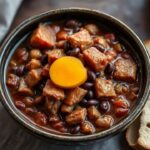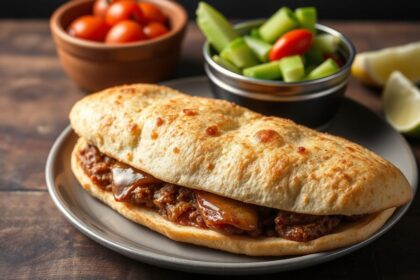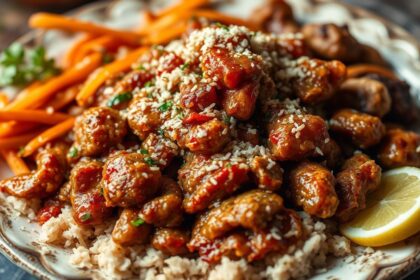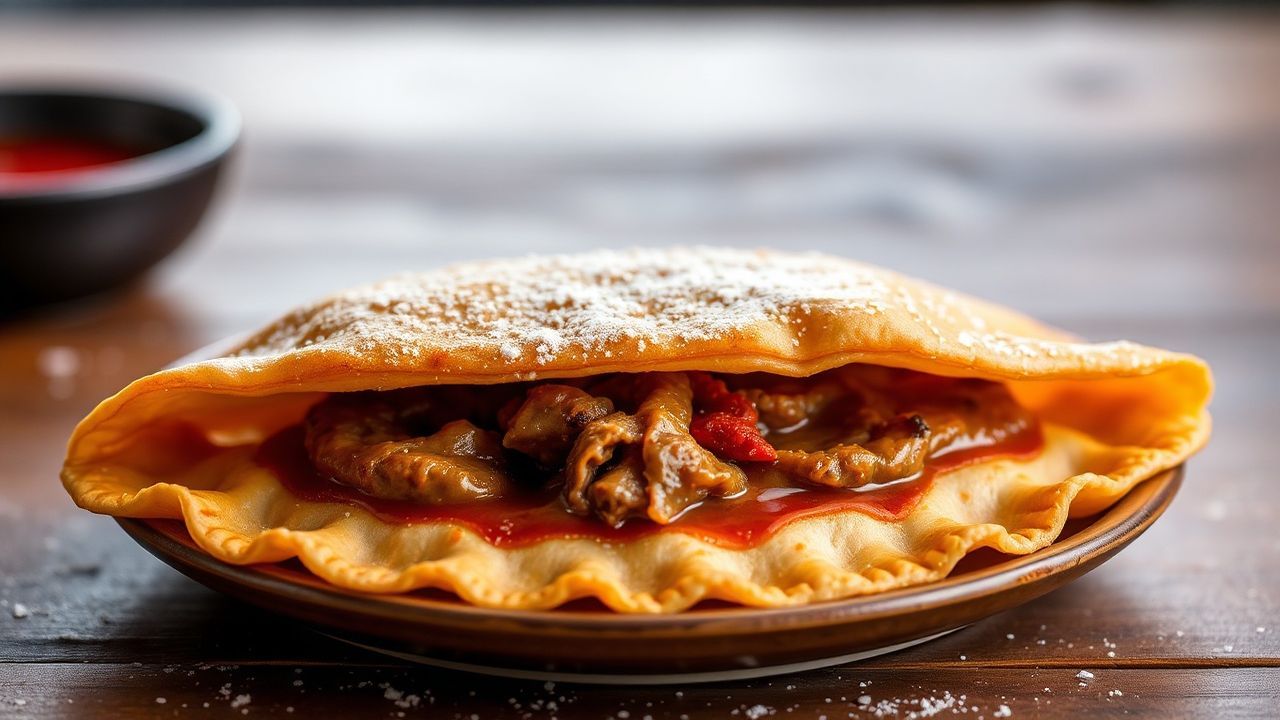

The humble empanada, a portable pastry pocket, is often relegated to the realm of mere snack food. This is a profound disservice, particularly to the Argentinian iteration, which transcends simple sustenance to become a vessel of culture, history, and profound flavour. To truly understand Argentinian empanadas with beef and spices is to peel back layers of tradition, to appreciate the subtle alchemy of slow-cooked beef infused with a symphony of spices, and to grasp the tactile joy of a perfectly crimped pastry. Many home cooks approach these beloved parcels with a timid hand, opting for pre-made dough and a hesitant spice blend. This article will guide you through the intricate, yet deeply rewarding, process of creating empanadas that echo the soul of Argentina’s most iconic comfort food.
- The Genesis of the Argentinian Empanada
- Crafting the Perfect Dough: The Foundation of Excellence
- The Heart of the Empanada: The Beef Filling
- Assembling and Baking the Empanadas
- Nutritional Information (Approximate per Empanada, based on 14 servings)
- Expert Tips for Elevating Your Empanadas
- Frequently Asked Questions
At a Glance: Key Insights for Authentic Empanadas
- The Dough is Paramount: A truly great empanada begins with a robust, flavourful dough that complements, rather than competes with, the filling.
- Slow Cooked Beef is Non-Negotiable: Achieving tender, deeply flavourful shredded beef requires patience and a methodical approach to braising.
- The Spice Blend is the Heartbeat: Argentinian empanadas are defined by their specific spice profile, a harmonious balance of warmth and depth.
- Crimping is an Art Form: The ‘repulgue’ is not merely decorative; it’s a mark of tradition and proof of the maker’s care.
The Genesis of the Argentinian Empanada
The history of the empanada is as rich and layered as its filling. Tracing its lineage back to the Iberian Peninsula, the concept of a stuffed dough parcel travelled across the Atlantic with Spanish colonizers. In Argentina, however, the empanada evolved, adapting to local ingredients and cultural preferences. The vast pampas, with their abundant cattle herds, naturally steered the filling towards beef. This wasn’t just about sustenance; it was a reflection of the nation’s identity, intrinsically linked to the gaucho culture and the agricultural bounty of the land. Each region developed its own subtle variations, influenced by indigenous spices and immigrant traditions, but the core essence of a savoury, spiced beef filling encased in a golden pastry remained a constant.
The empanada, in its Argentinian form, is more than a street food or a party appetizer; it’s a culinary ambassador. It’s the dish served at family gatherings, the comforting bite after a long day, and the offering of hospitality. Its ubiquity across the country, from the bustling streets of Buenos Aires to the remote estancias of Patagonia, speaks volumes about its cultural significance. Understanding this context is crucial, not just for appreciating the dish, but for approaching its preparation with the respect it deserves.
Crafting the Perfect Dough: The Foundation of Excellence
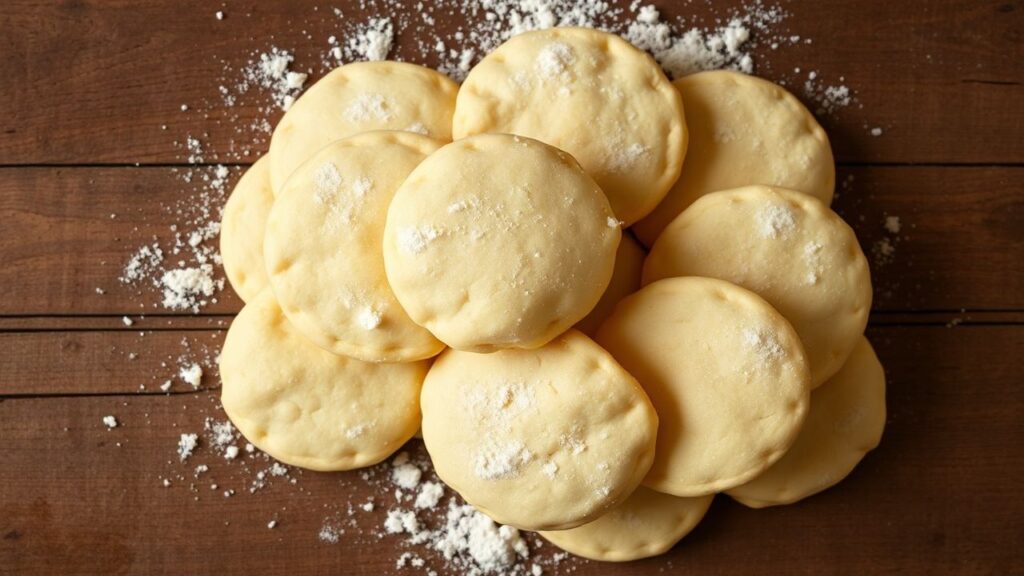
The dough for Argentinian empanadas is distinct from its more delicate, flaky cousins. It’s designed to be sturdy enough to hold a generous, moist filling, yet tender and flavourful enough to be a delightful component in its own right. Many recipes call for a simple flour, water, and fat mixture, but true mastery lies in the nuances. The type of fat used – be it lard, butter, or a blend – significantly impacts the texture and flavour. Lard, traditionally used, lends a distinct richness and a slightly crumbly texture that is highly prized.
The hydration level is also critical. Too little water, and the dough will be tough and difficult to work with; too much, and it will be gummy and prone to tearing. The process of mixing and resting is equally important. Overworking the dough can develop too much gluten, resulting in a tough pastry. A gentle hand and adequate resting time allow the gluten to relax, yielding a more tender and pliable dough, ideal for shaping and sealing.
Ingredients for the Empanada Dough (Yields approximately 12-15 discs)
- Flour: 500g (approx. 4 cups) all-purpose flour, plus more for dusting
- Fat: 125g (approx. 1/2 cup) lard or unsalted butter, chilled and cut into small cubes
- Salt: 1 teaspoon fine sea salt
- Water: 180-200ml (approx. 3/4 to 7/8 cup) cold water
Method for Empanada Dough
- In a large bowl, whisk together the flour and salt.
- Add the chilled lard or butter cubes to the flour mixture. Using your fingertips or a pastry blender, cut the fat into the flour until the mixture resembles coarse crumbs with some pea-sized pieces of fat remaining.
- Gradually add the cold water, a tablespoon at a time, mixing with a fork until the dough just begins to come together. Be careful not to add too much water; you want a shaggy dough that is not overly sticky.
- Turn the dough out onto a lightly floured surface and gently bring it together into a cohesive ball. Do not knead. Kneading will develop the gluten too much, resulting in a tough pastry.
- Divide the dough into 12-15 equal portions. Roll each portion into a smooth ball.
- Flatten each ball slightly into a disc, cover them with plastic wrap, and refrigerate for at least 30 minutes (or up to 2 days). This resting period is crucial for relaxing the gluten and making the dough easier to roll.
The Heart of the Empanada: The Beef Filling
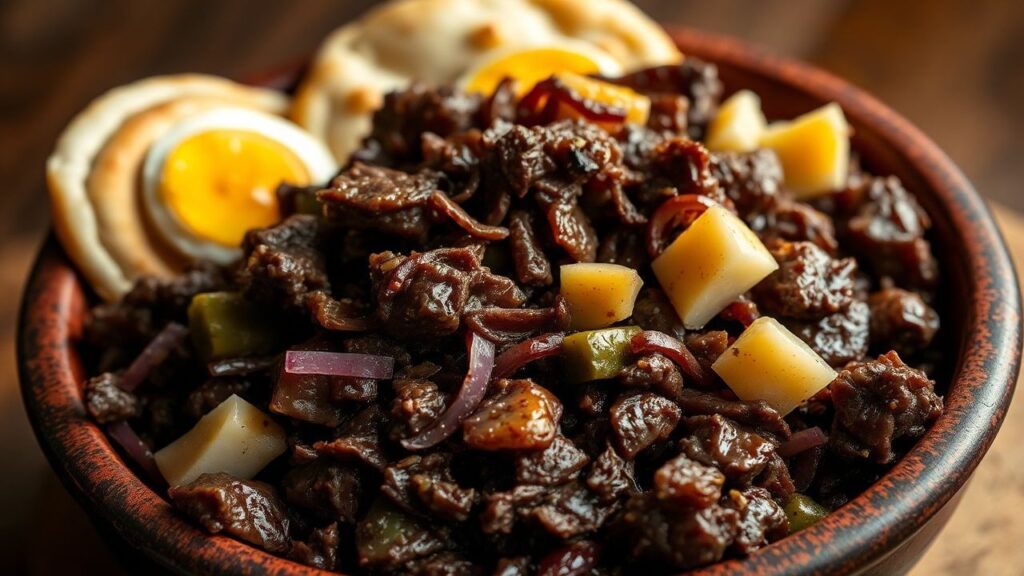
The filling is where the soul of the Argentinian beef empanada truly resides. It’s a slow, patient process of building flavour, transforming humble ingredients into a rich, aromatic mixture that is both comforting and complex. The foundation is, of course, beef. While many might opt for ground beef, the traditional and superior method involves slow-braising and then finely dicing or shredding a cut like chuck roast or brisket. This yields a more tender texture and allows the meat to absorb the myriad spices more profoundly.
The sautéed aromatics – onions, garlic, and sometimes bell peppers – form the initial flavour base. However, it’s the judicious use of spices that elevates this filling from good to extraordinary. Paprika, cumin, and oregano are foundational, providing warmth and earthiness. A touch of cayenne pepper or red pepper flakes offers a subtle, lingering heat, while a pinch of sugar can balance the savoury notes. The inclusion of hard-boiled eggs and olives adds textural contrast and bursts of briny flavour, common and beloved additions in many Argentinian households.
Ingredients for the Spiced Beef Filling
- Beef: 750g (approx. 1.65 lbs) beef chuck roast or brisket, trimmed of excess fat
- Onions: 2 large yellow onions, finely chopped
- Garlic: 4 cloves garlic, minced
- Bell Pepper: 1 red bell pepper, finely diced (optional, but recommended)
- Olive Oil: 2 tablespoons
- Beef Broth: 250ml (approx. 1 cup)
- Red Wine: 125ml (approx. 1/2 cup) dry red wine (optional, adds depth)
- Spices:
- 2 teaspoons sweet paprika
- 1 teaspoon ground cumin
- 1 teaspoon dried oregano
- 1/2 teaspoon cayenne pepper (or to taste)
- 1/4 teaspoon ground cinnamon (adds subtle warmth)
- 1/4 teaspoon ground cloves (use sparingly, but essential for complexity)
- Salt: To taste
- Black Pepper: Freshly ground, to taste
- Hard-boiled Eggs: 3 large, chopped
- Green Olives: 100g (approx. 1/2 cup), pitted and roughly chopped
- Fresh Parsley: 2 tablespoons, finely chopped (for garnish and flavour)
Method for Spiced Beef Filling
- Sear the Beef: Pat the beef dry with paper towels. Season generously with salt and pepper. Heat 1 tablespoon of olive oil in a Dutch oven or heavy-bottomed pot over medium-high heat. Sear the beef on all sides until deeply browned. Remove the beef from the pot and set aside.
- Sauté Aromatics: Add the remaining 1 tablespoon of olive oil to the pot. Add the chopped onions and bell pepper (if using) and sauté over medium heat until softened and translucent, about 8-10 minutes. Add the minced garlic and cook for another minute until fragrant.
- Deglaze and Braise: If using red wine, pour it into the pot and scrape up any browned bits from the bottom. Let it simmer and reduce by half. Return the seared beef to the pot. Add the beef broth, ensuring the liquid comes about halfway up the side of the meat. Bring to a simmer, then reduce the heat to low, cover, and braise for 2 to 3 hours, or until the beef is fork-tender and shreds easily.
- Shred/Dice the Beef: Once tender, remove the beef from the braising liquid. Reserve the braising liquid. Allow the beef to cool slightly, then shred it finely with two forks or chop it into small, uniform pieces.
- Build the Filling: Return the shredded or diced beef to the pot with the sautéed aromatics. Add all the dry spices: paprika, cumin, oregano, cayenne, cinnamon, and cloves. Stir well to combine, ensuring the spices coat the meat and vegetables.
- Moisten and Season: Add about 1/4 cup of the reserved braising liquid (or more, as needed, to achieve a moist but not wet consistency) to the beef mixture. Season generously with salt and freshly ground black pepper to taste. The filling should be well-seasoned, as the dough will absorb some of the flavour.
- Add Finishing Touches: Stir in the chopped hard-boiled eggs, chopped green olives, and fresh parsley. Mix gently. Let the filling cool completely. This is crucial; a hot filling will melt the dough and make it difficult to seal. For best results, prepare the filling a day in advance and refrigerate it overnight; the flavours will meld beautifully.
Assembling and Baking the Empanadas
The assembly of empanadas is a ritual that connects the cook to generations of tradition. Once the dough has rested and the filling has cooled completely, the magic begins. Rolling out the dough to the correct thickness is paramount – too thin, and it risks tearing; too thick, and it can be heavy and overwhelming. A diameter of about 15-18 cm (6-7 inches) is standard for most Argentinian empanadas, providing ample space for a generous portion of filling.
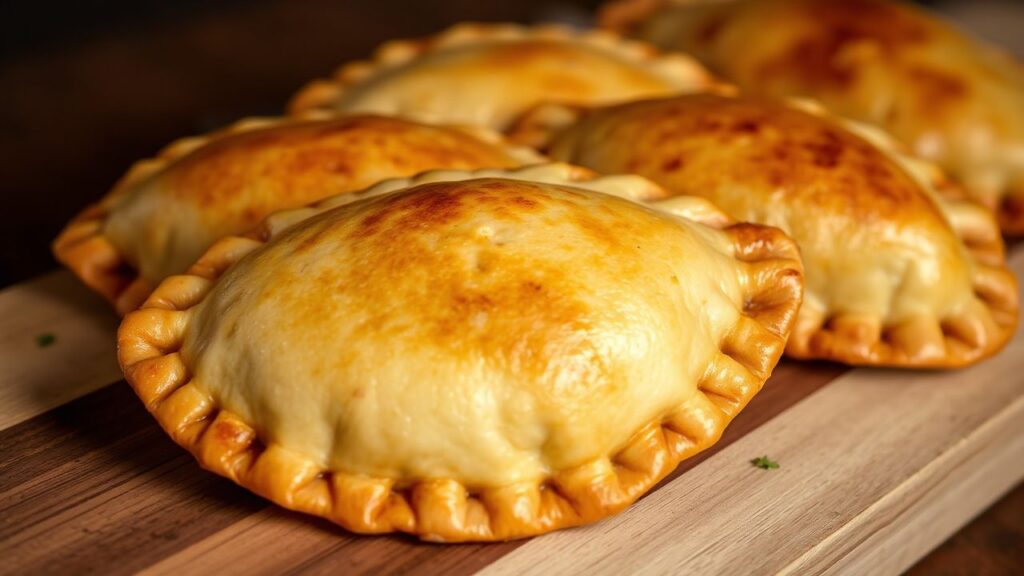
The sealing process, known as the ‘repulgue’, is an art form in itself. It’s not just about preventing the filling from escaping; it’s a signature. While a simple fork crimp is acceptable, the traditional hand-rolled ‘repulgue’ creates a beautiful, braided edge that is both decorative and functional. The baking temperature and time are also critical for achieving that perfect golden-brown crust, proof of a well-executed empanada. An egg wash provides a beautiful sheen and helps achieve that desirable crispness.
Assembly and Baking Instructions
- Roll the Dough: Remove the dough discs from the refrigerator. On a lightly floured surface, roll out each disc into a circle approximately 15-18 cm (6-7 inches) in diameter and about 2-3 mm (1/8 inch) thick. You may need to work with one or two discs at a time, keeping the rest covered to prevent them from drying out.
- Fill the Empanadas: Place about 2-3 tablespoons of the cooled beef filling onto one half of each dough circle, leaving a 1-1.5 cm (1/2 inch) border. Do not overfill, as this will make sealing difficult.
- Moisten the Edges: Lightly brush the edges of the dough with water or a beaten egg.
- Seal the Empanadas: Fold the unfilled half of the dough over the filling to create a half-moon shape. Press the edges firmly together to seal.
- Create the ‘Repulgue’ (Crimping): There are several methods. The most traditional involves starting at one corner of the sealed edge and folding the dough over itself, creating a small pleat. Press down to seal. Continue this process along the entire edge, working your way around to create a decorative, braided pattern. Alternatively, you can use the tines of a fork to press down and crimp the edges firmly.
- Prepare for Baking: Preheat your oven to 200°C (400°F). Line a baking sheet with parchment paper.
- Egg Wash: Whisk together 1 large egg with 1 tablespoon of milk or water. Brush the tops of the empanadas generously with the egg wash. This will give them a beautiful golden sheen and help them crisp up.
- Bake: Place the prepared empanadas on the lined baking sheet. Bake for 20-25 minutes, or until the pastry is deeply golden brown and puffed.
- Rest: Allow the empanadas to cool on the baking sheet for a few minutes before serving. They are best enjoyed warm.
Nutritional Information (Approximate per Empanada, based on 14 servings)
Nutritional values can vary significantly based on the exact ingredients and portion sizes used. This is a general estimation:
| Component | Amount (Approximate) |
|---|---|
| Calories | 350-400 kcal |
| Protein | 15-18 g |
| Fat | 20-25 g |
| Saturated Fat | 8-10 g |
| Carbohydrates | 25-30 g |
| Fiber | 2-3 g |
| Sodium | 400-500 mg |
The nutritional profile highlights the richness of these empanadas, characteristic of a hearty, satisfying meal. The fat content contributes to the pastry’s tenderness and flavour, while the protein comes from the generous beef filling. The carbohydrates are primarily from the flour in the dough.
Expert Tips for Elevating Your Empanadas
Achieving truly exceptional empanadas involves a combination of understanding the fundamentals and applying nuanced techniques. It’s about respecting the ingredients and the process. For instance, the quality of the paprika can make a noticeable difference; opting for a high-quality Spanish sweet paprika will impart a deeper, more complex flavour than a generic variety. Similarly, the type of beef chosen for braising will impact the final texture. A well-marbled cut like chuck roast or short rib will yield a more succulent and flavourful filling than a leaner cut.
Consider subtle additions that transform the flavour profile. A tiny pinch of ground cinnamon or cloves, often overlooked, adds a whisper of warmth and complexity that is distinctly Argentinian. The balance of sweet and savoury is key; a small amount of sugar in the filling can round out the flavours beautifully. Never underestimate the power of resting the filling overnight. This allows the spices to bloom and the flavours to meld, resulting in a far more cohesive and profound taste experience.
The dough is another area where subtle improvements can be made. While lard is traditional and yields a wonderful texture, a good quality unsalted butter can be substituted if lard is unavailable. Ensure it is very cold when incorporated into the flour. This creates steam pockets during baking, contributing to a more tender and slightly flaky crust. The temperature of the water used for the dough is also important; ice-cold water helps to keep the fat from melting too early, leading to a better pastry texture.
Regional Variations and Personal Touches
While this recipe focuses on a classic beef filling, the world of Argentinian empanadas is vast and diverse. In the northern provinces, for instance, you’ll often find empanadas ‘salteñas’, which are baked and feature a wetter, more stew-like filling often enhanced with aji amarillo (a Peruvian chili pepper, though less common in traditional Argentine recipes, it’s a nod to regional influences) and sometimes a touch of sugar. Other regions might incorporate raisins for a touch of sweetness, or different types of spices.
Experimentation is encouraged, but always with a foundation of understanding. For example, if you wish to add a touch of sweetness, consider adding a tablespoon of raisins or a teaspoon of brown sugar to the filling. The inclusion of hard-boiled eggs and olives is a classic touch that provides bursts of texture and flavour. Some families also add a small amount of potato, finely diced, to the filling for added heartiness. These variations are proof of the empanada’s adaptability and its role as a canvas for personal and regional culinary expression. To explore the historical context of these variations, one can look at the evolution of Argentinian cuisine, particularly how immigration and regional agriculture shaped its dishes. For instance, the influence of Italian immigrants can be seen in some pasta-like dough preparations, while Spanish influences are evident in the spice profiles and techniques. For a deeper dive into the history of Argentinian food, exploring resources on Argentine cuisine offers valuable insights.
The baking process itself can be a point of variation. While baking is most common for this style of empanada, some regions, particularly in the north, favour frying. Fried empanadas achieve a different kind of crispness – a satisfying crunch that is distinct from the baked version. If you choose to fry, use a neutral oil like canola or vegetable oil, heated to approximately 175°C (350°F), and fry in batches until golden brown and puffed. This method requires careful attention to prevent burning and ensure even cooking.
Frequently Asked Questions
What is the most authentic way to crimp an empanada?
The most authentic and traditional way to crimp an Argentinian empanada is the ‘repulgue’. This involves a meticulous, hand-rolled process where small sections of the dough edge are folded over and pressed down repeatedly along the entire seam. It creates a beautiful, braided pattern that is both decorative and functional, ensuring a secure seal. While a fork can be used for a quick crimp, mastering the ‘repulgue’ is considered a mark of a skilled empanada maker and a connection to culinary heritage.
Can I make the empanada dough and filling ahead of time?
Absolutely, and it’s highly recommended! The empanada dough benefits greatly from refrigeration, allowing the gluten to relax, making it easier to roll and resulting in a more tender pastry. The beef filling, in fact, is even better when made a day in advance. This allows the complex spice flavours to meld and deepen, creating a more profound and cohesive taste. Store both components separately in airtight containers in the refrigerator.
What kind of beef is best for empanada filling?
For the most tender and flavourful beef filling, it’s best to use a braising cut of beef. Cuts like beef chuck roast, brisket, or even short ribs are ideal. These cuts have enough connective tissue and marbling that break down during slow cooking, resulting in succulent, shreddable meat. While ground beef can be used in a pinch, it won’t achieve the same depth of flavour or tender texture that slow-braised and then diced or shredded beef provides.
How do I prevent my empanadas from leaking?
Preventing empanadas from leaking is a common concern, but it can be easily managed with a few key steps. Firstly, ensure your filling is completely cooled before assembling. Hot filling will melt the dough and make sealing impossible. Secondly, don’t overfill the empanadas; aim for about 2-3 tablespoons of filling per disc. Thirdly, ensure the dough edges are lightly moistened with water or egg wash to help them adhere. Finally, and most importantly, seal them thoroughly. Press firmly along the entire seam and execute your chosen crimping method (repulgue or fork) with confidence to create a robust seal.
The Argentinian beef empanada, when prepared with care and attention to detail, is a culinary masterpiece. It’s a dish that speaks of home, of tradition, and of the enduring power of simple, high-quality ingredients expertly combined. From the yielding embrace of the perfectly spiced beef filling to the satisfying crunch of the golden pastry, each bite is a journey through the heart of Argentinian culinary culture. Mastering this dish is not just about following a recipe; it’s about embracing a tradition and infusing it with your own passion.
See also: Empanadas