
Can the Humble Stir-Fry Elevate to Culinary Artistry? Mastering Chinese Beef Broccoli
- The Genesis and Evolution of Beef Broccoli
- Deconstructing the Perfect Beef Broccoli: The Anatomy of Flavor and Texture
- The Foundation: Selecting and Preparing the Beef
- The Verdant Counterpoint: Perfecting the Broccoli
- The Binding Agent: Crafting the Authentic Sauce
- The Alchemy of the Wok: Mastering the Stir-Fry Technique
- The Final Flourish: Ingredients and Nutritional Profile
- Expert Pro-Tips for Restaurant-Quality Beef Broccoli
- Frequently Asked Questions about Beef Broccoli
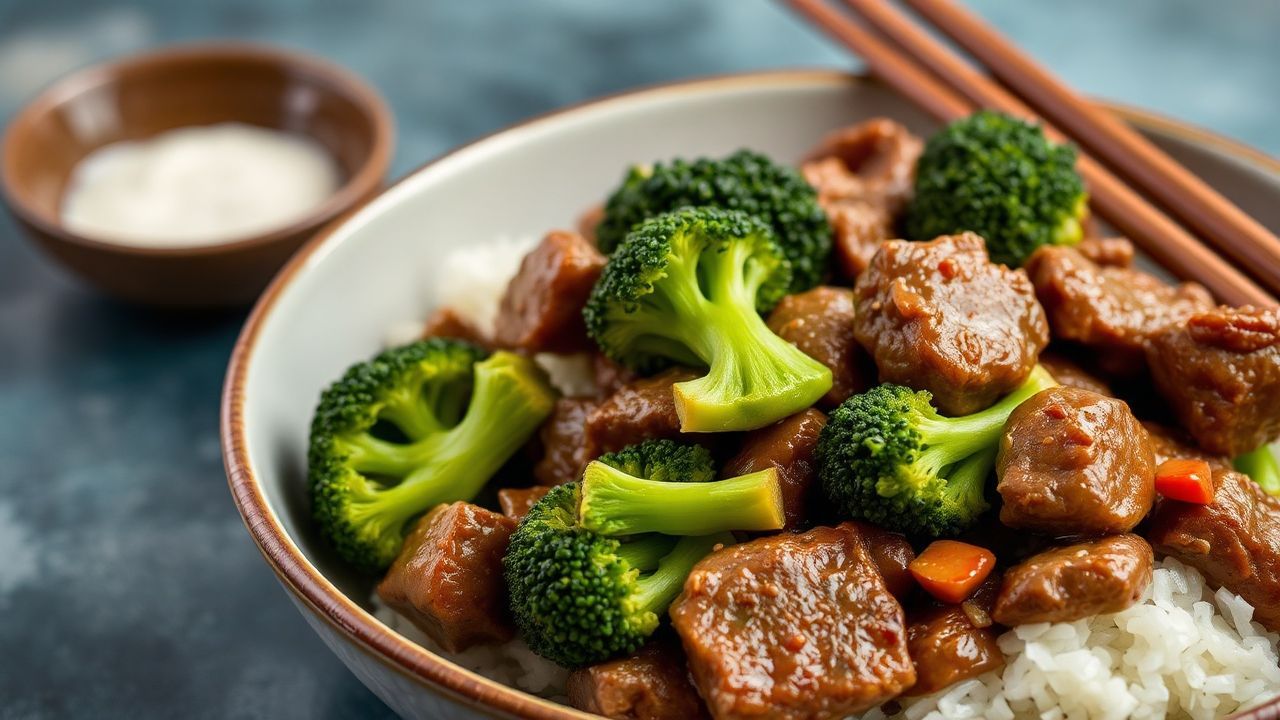
Beef Broccoli, a ubiquitous fixture on takeout menus and home dinner tables alike, often resides in a culinary purgatory of being “good enough.” Yet, behind its unassuming facade lies a dish capable of profound deliciousness, proof of the alchemy of heat, texture, and balanced flavor. This isn’t merely about tossing ingredients in a wok; it’s about understanding the delicate interplay of tender beef, crisp-tender broccoli, and a symphony of savory sauces that can transform a weeknight meal into an event. Achieving that perfect restaurant-quality Beef Broccoli requires a nuanced approach, one that respects both tradition and technique.
At a Glance: Elevating Beef Broccoli
- Marination is Non-Negotiable: Proper marination imbues beef with tenderness and flavor, a critical step often overlooked.
- The Art of the Sear: High heat and a screaming-hot wok are paramount for achieving that coveted Maillard reaction on the beef and maintaining broccoli’s vibrant green hue.
- Sauce Synergy: A well-balanced sauce is the soul of the dish; it should coat, not drown, the ingredients, harmonizing sweetness, saltiness, and umami.
- Texture is Key: The interplay of tender beef and crisp-tender broccoli is the defining characteristic of superior Beef Broccoli.
This exploration will dissect the anatomy of exceptional Chinese Beef Broccoli, moving beyond mere instruction to illuminate the principles that govern its success. We will explore the science of marination, the physics of stir-frying, and the subtle artistry of sauce construction. Prepare to redefine your understanding of this classic dish.
The Genesis and Evolution of Beef Broccoli
The origins of Beef Broccoli, as with many beloved dishes from China, are somewhat fluid, evolving over time and adapting to regional palates. While specific historical documentation pinpointing its exact birth is scarce, its lineage can be traced to the broader tradition of Cantonese stir-frying, a culinary art form renowned for its emphasis on fresh ingredients, swift cooking, and the skillful use of a wok. Cantonese cuisine, influenced by its coastal location, often features a lighter touch with sauces, prioritizing the natural flavors of the ingredients.
The integration of beef and broccoli into a single stir-fry likely gained traction as these ingredients became more readily available and affordable across China and subsequently, globally. As Chinese immigrants brought their culinary traditions to new shores, dishes like Beef Broccoli became ambassadors of their cuisine. In the United States, for instance, the dish underwent a significant transformation, adapting to local tastes and ingredient availability. The Americanized version often features a thicker, sweeter sauce, a departure from the more delicate profiles found in its ancestral homeland. This evolution, while sometimes a point of contention among purists, speaks to the dish’s adaptability and enduring appeal. Understanding this trajectory helps us appreciate the diverse interpretations of Beef Broccoli and informs our approach to crafting a truly exemplary version.
Deconstructing the Perfect Beef Broccoli: The Anatomy of Flavor and Texture
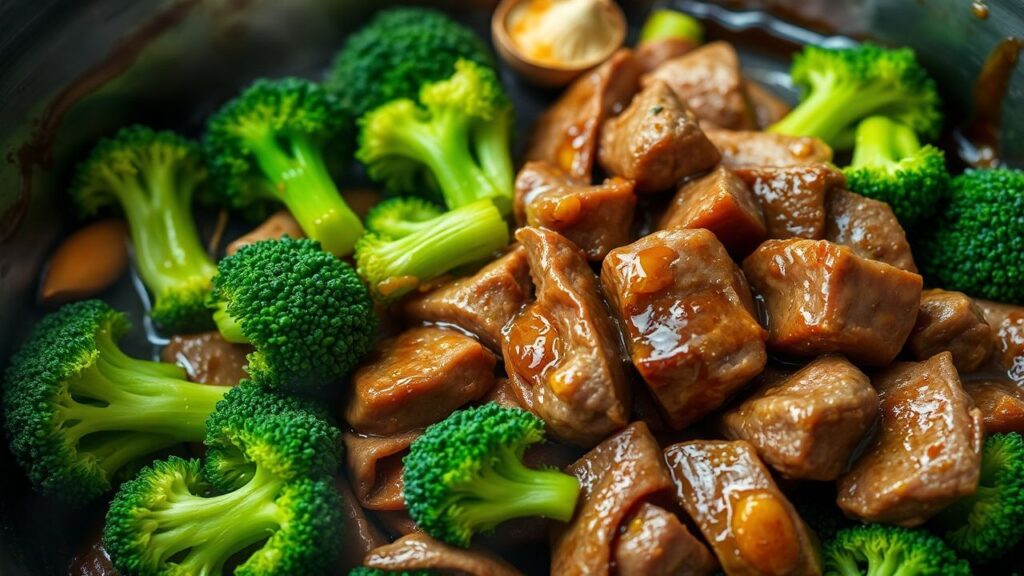
Achieving a truly spectacular Beef Broccoli hinges on a meticulous understanding of its constituent elements and how they interact. It’s a delicate dance between the succulent tenderness of the beef, the vibrant crunch of the broccoli, and the savory embrace of the sauce.
The Foundation: Selecting and Preparing the Beef
The quality of your beef is paramount. For stir-frying, lean cuts that are naturally tender are ideal. Flank steak, sirloin, or even tenderloin are excellent choices. The key is to slice the beef *against the grain*. This breaks down the tough connective tissues, resulting in incredibly tender morsels. Imagine a piece of flank steak as a bundle of parallel fibers; slicing perpendicular to these fibers shortens them, making them easier to chew. A sharp knife is your greatest ally here; a dull blade will crush the fibers, leading to a mushy texture.
The Crucial Marination: A Symphony of Tenderizers and Flavor Enhancers
Marination isn’t merely about adding flavor; it’s a chemical process that tenderizes the meat and prepares it to absorb the sauce. A typical Chinese marination for beef involves a blend of ingredients that achieve this dual purpose.
- Soy Sauce (Light): Provides saltiness and umami.
- Cornstarch: This is a critical element. It acts as a tenderizer by creating a protective coating that prevents the beef from drying out during the high-heat cooking process. It also contributes to the velvety texture of the cooked beef.
- Shaoxing Wine (or Dry Sherry): Adds a subtle depth of flavor and helps to mask any gamey notes.
- Sesame Oil: Imparts a nutty aroma and flavor.
- A Pinch of Sugar: Balances the saltiness and aids in caramelization.
- White Pepper: Adds a gentle warmth.
A minimum marination time of 30 minutes is recommended, but for truly sublime results, allowing the beef to marinate for 1-2 hours in the refrigerator is ideal. This extended period allows the cornstarch to work its magic and the flavors to penetrate deeply.
The Verdant Counterpoint: Perfecting the Broccoli
Broccoli, with its robust texture and slightly bitter undertones, provides a refreshing contrast to the richness of the beef. The goal is to achieve a vibrant green hue and a crisp-tender bite – cooked through but still possessing a pleasant snap. Overcooked broccoli turns a dull olive green and becomes mushy, a cardinal sin in stir-frying.
Preparation is key:
- Cut into Uniform Florets: Ensure all florets are roughly the same size to promote even cooking.
- Blanching (Optional but Recommended): A brief plunge into boiling water (30-60 seconds) followed by an immediate ice bath (shocking) locks in the vibrant green color and partially cooks the broccoli, ensuring it finishes perfectly in the wok. This step is crucial for achieving that restaurant-quality aesthetic and texture.
The Binding Agent: Crafting the Authentic Sauce
The sauce is the soul of any stir-fry, and for Beef Broccoli, it should be a harmonious blend of savory, slightly sweet, and deeply umami notes. It should coat the ingredients without overwhelming them.
A balanced sauce typically includes:
- Oyster Sauce: The cornerstone of many Chinese sauces, providing a complex, savory, and slightly sweet umami depth.
- Soy Sauce (Light and Dark): Light soy sauce for saltiness and umami, while dark soy sauce adds color and a hint of molasses-like sweetness.
- Shaoxing Wine: Enhances flavor complexity.
- Sugar: Balances the saltiness and aids in caramelization.
- Chicken Broth or Water: To achieve the desired consistency.
- Cornstarch Slurry: A mixture of cornstarch and water to thicken the sauce to a glossy finish.
The ratio of these ingredients is crucial. Too much soy sauce can make the dish overly salty; too much sugar can render it cloying. A good starting point for a balanced sauce might be 2 tablespoons oyster sauce, 1 tablespoon light soy sauce, 1 teaspoon dark soy sauce, 1 tablespoon Shaoxing wine, 1 teaspoon sugar, and 1/4 cup chicken broth, thickened with a slurry of 1 teaspoon cornstarch mixed with 2 teaspoons water.
The Alchemy of the Wok: Mastering the Stir-Fry Technique
Stir-frying is an art form that relies on high heat, rapid movement, and a well-orchestrated sequence of steps. The wok, with its curved shape and excellent heat conductivity, is the ideal vessel.
The High-Heat Sear: Unlocking Flavor and Texture
The success of your Beef Broccoli hinges on achieving a proper sear on the beef and crisp-tender broccoli. This requires extreme heat.
1. Preheating the Wok: Before adding any oil, heat your wok over high heat until it begins to smoke. This ensures the wok is screaming hot, which is essential for achieving the Maillard reaction – the chemical process responsible for browning and developing complex flavors.
2. Adding Oil: Once the wok is hot, add a high smoke point oil, such as peanut, canola, or grapeseed oil. Swirl it to coat the surface.
3. Cooking the Beef: Add the marinated beef in a single layer, ensuring not to overcrowd the wok. Overcrowding will steam the beef rather than sear it, leading to a rubbery texture. You may need to cook the beef in batches. Stir-fry for 1-2 minutes until browned on all sides, then remove from the wok and set aside.
4. Sautéing Aromatics: Add a little more oil to the wok if needed. Stir-fry minced garlic and ginger for about 30 seconds until fragrant. Be careful not to burn them.
5. Adding the Broccoli: Add the prepared broccoli to the wok. Stir-fry for 2-3 minutes, allowing it to char slightly in places. If the wok seems dry, add a tablespoon or two of water or broth to create steam, which will help cook the broccoli through.
6. Returning the Beef and Adding the Sauce: Return the seared beef to the wok. Pour in the prepared sauce. Stir constantly as the sauce thickens and coats the ingredients. This usually takes about 1-2 minutes.
The Role of Aromatics: Garlic, Ginger, and Beyond
The aromatic foundation of garlic and ginger is non-negotiable for authentic Chinese stir-fries. Minced or finely grated, they release their pungent oils when heated, infusing the entire dish with their characteristic fragrance and subtle bite. Beyond these staples, some variations might include thinly sliced scallions, chili peppers for a touch of heat, or even a pinch of five-spice powder for added complexity, though these are less common in a classic Beef Broccoli. The key is to introduce them at the right moment – typically after the initial searing of the beef and before the vegetables – allowing their volatile oils to bloom without burning.
The Final Flourish: Ingredients and Nutritional Profile
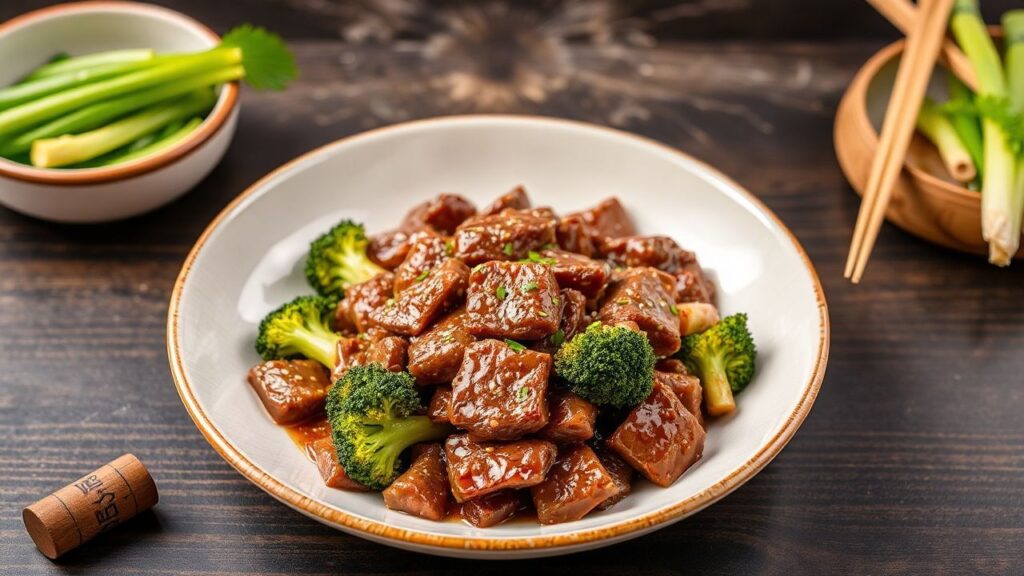
To achieve this restaurant-quality Beef Broccoli, precision in ingredient measurement and understanding the nutritional landscape is essential.
Detailed Ingredients for Beef Broccoli (Serves 4)
For the Beef Marinade:
- 450g (1 lb) Flank Steak or Sirloin, thinly sliced against the grain
- 1 tablespoon Light Soy Sauce
- 1 tablespoon Cornstarch
- 1 teaspoon Shaoxing Wine (or Dry Sherry)
- 1 teaspoon Sesame Oil
- 1/2 teaspoon Sugar
- 1/4 teaspoon White Pepper
For the Broccoli:
- 500g (1.1 lb) Broccoli Florets
- 1 tablespoon Vegetable Oil (for blanching, optional)
For the Stir-Fry Sauce:
- 2 tablespoons Oyster Sauce
- 1 tablespoon Light Soy Sauce
- 1 teaspoon Dark Soy Sauce
- 1 tablespoon Shaoxing Wine (or Dry Sherry)
- 1 teaspoon Sugar
- 1/4 cup (60 ml) Chicken Broth or Water
- 1 teaspoon Cornstarch mixed with 2 teaspoons Water (cornstarch slurry)
For Stir-Frying:
- 2 tablespoons High Smoke Point Oil (e.g., Peanut, Canola, Grapeseed)
- 2 cloves Garlic, minced
- 1 teaspoon Fresh Ginger, grated or minced
Optional Garnishes:
- Toasted sesame seeds
- Chopped scallions
- Calories: 350-450 kcal (depending on oil and sauce ratios)
- Protein: 30-40g
- Fat: 15-25g (with saturated fat varying)
- Carbohydrates: 10-15g
- Fiber: 3-5g
- Sodium: Varies significantly based on soy sauce and oyster sauce brands.
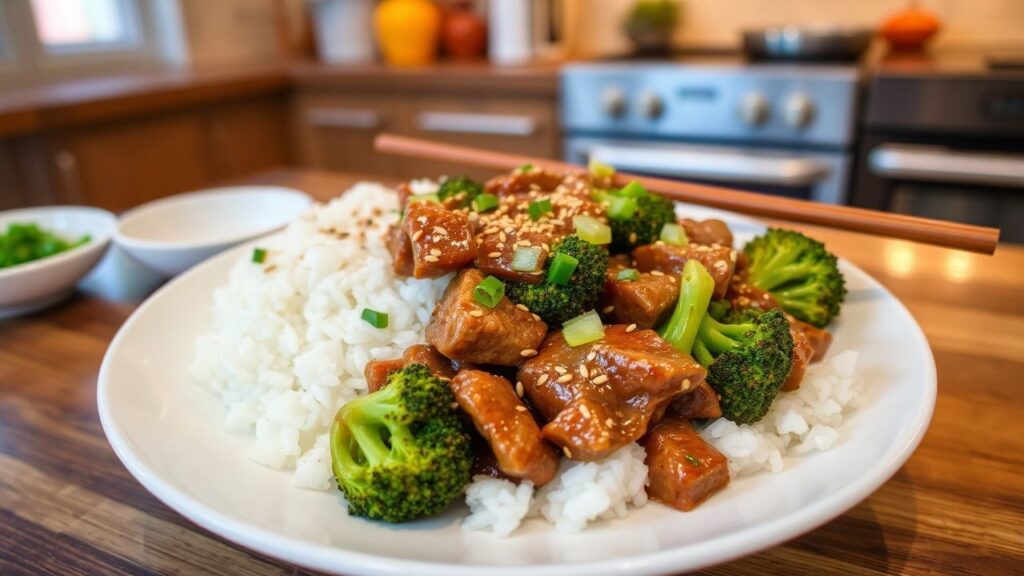
Expert Pro-Tips for Restaurant-Quality Beef Broccoli
Elevating your homemade Beef Broccoli from good to exceptional requires attention to detail and the application of professional techniques. These insights are born from years of observation and practice.
The Magic of the Wok Hei
The elusive “wok hei,” or breath of the wok, is that smoky, slightly charred aroma and flavor that characterizes truly great stir-fries. Achieving it is more about technique than specific ingredients. High heat is paramount. Ensure your wok is smoking before adding oil. Don’t be afraid of a little charring on the edges of the broccoli or beef; this is where much of the wok hei develops. The rapid movement of ingredients in the wok also contributes to this phenomenon by exposing them to intense heat from all sides.
The Cornstarch Slurry: A Delicate Balance
The cornstarch slurry is what gives the sauce its signature glossy finish and allows it to cling beautifully to the ingredients. However, it’s easy to overdo it, resulting in a gummy, unpleasant texture. Always mix your cornstarch and water thoroughly before adding it to the wok. Add it in stages, stirring constantly, and stop once the sauce reaches your desired consistency. A common mistake is adding too much slurry, which can create a thick, paste-like sauce that masks the flavors of the beef and broccoli.
The Importance of “Mise en Place”
In the fast-paced world of stir-frying, preparation is not just a suggestion; it’s a fundamental requirement. This is where the French culinary term “mise en place” (everything in its place) becomes invaluable. Have all your ingredients measured, chopped, sliced, and ready to go *before* you even turn on the heat. Once the wok is hot, the cooking process moves at a breakneck pace. Fumbling for ingredients will lead to overcooked or undercooked components, compromising the dish’s integrity. This includes having your sauce mixed and ready to be poured in, your beef marinated, and your aromatics minced.
Frequently Asked Questions about Beef Broccoli
H3: What kind of beef is best for Beef Broccoli?
The best cuts of beef for Beef Broccoli are lean and tender, such as flank steak, sirloin, or tenderloin. The key is to slice the beef thinly against the grain. This preparation is crucial for ensuring the beef remains tender and doesn’t become tough during the high-heat cooking process. Avoid fattier cuts as they can become greasy when stir-fried.
H3: Why is my Beef Broccoli sauce watery?
A watery sauce in Beef Broccoli is typically a result of insufficient thickening or incorrect sauce preparation. Ensure you are using a cornstarch slurry, which is made by mixing cornstarch with a small amount of cold water until smooth. Add this slurry to the simmering sauce in the wok gradually, stirring constantly, until it thickens to your desired consistency. Overcrowding the wok can also lead to excess moisture being released from the ingredients, diluting the sauce. Cooking in batches and ensuring the wok is sufficiently hot can help prevent this.
H3: How can I make my broccoli stay green and crisp in Beef Broccoli?
To achieve vibrantly green and crisp-tender broccoli, blanching is a highly effective technique. Briefly boil the broccoli florets for 30-60 seconds, then immediately plunge them into an ice bath. This process halts the cooking and locks in the bright green color. Alternatively, you can add the broccoli to the wok after searing the beef and aromatics, stir-frying it for a few minutes and adding a tablespoon or two of water to create steam to help it cook through without becoming mushy. Ensure you don’t overcook it in the wok; it should still have a noticeable bite.
See also: Beef Broccoli