
“The best meals are often the simplest, requiring few ingredients but demanding precision and understanding.” – Auguste Escoffier
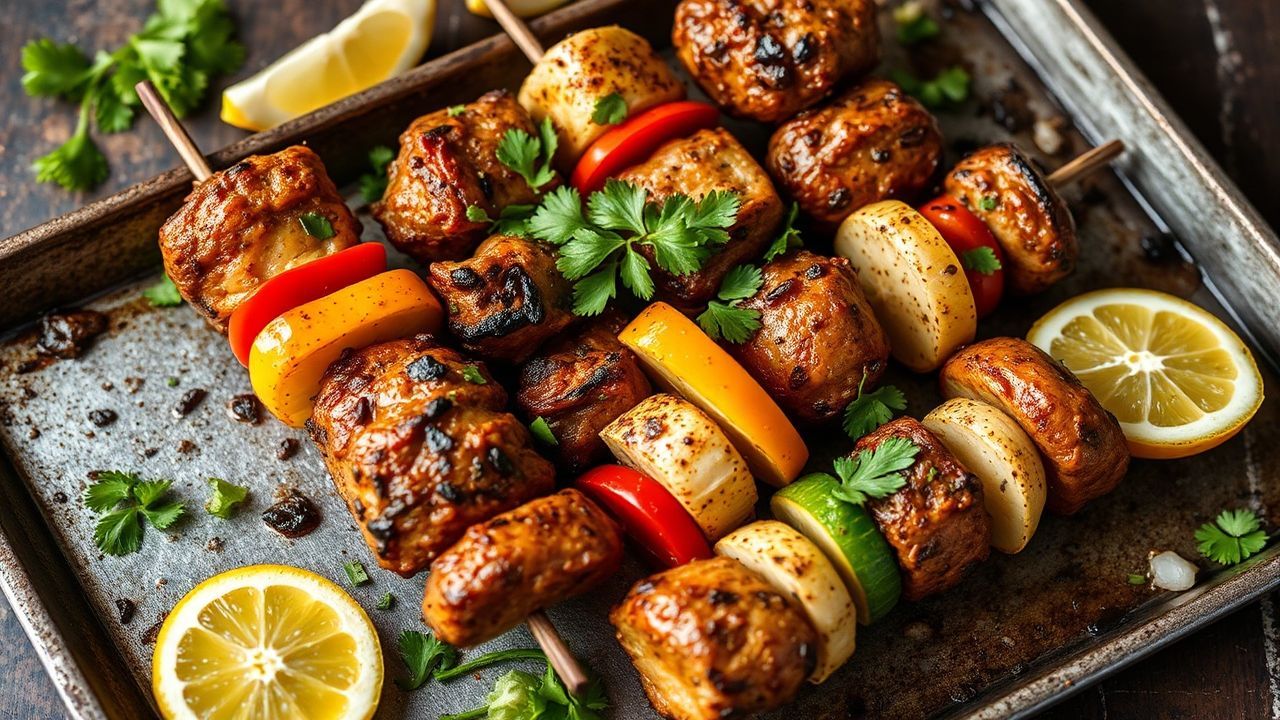
Kebabs, those universally beloved skewers of marinated protein and vibrant vegetables, have long been a symbol of communal dining and culinary adventure. But what if you could capture the essence of perfectly grilled kebabs with unparalleled ease and efficiency, right on your sheet pan? This isn’t about compromise; it’s about evolution. Sheet pan kebabs harness the concentrated heat of the oven to achieve a delightful char and tender interior, transforming a potentially time-consuming grilling process into a weeknight marvel. My journey with this method began years ago, seeking to replicate the smoky depth of open-fire cooking without the logistical hurdles. What I discovered was a technique both profoundly forgiving and endlessly adaptable, proof of how culinary innovation can elevate traditional dishes and make them accessible to everyone.
The true beauty of sheet pan kebabs lies in their ability to deliver complex flavors and satisfying textures with minimal fuss, proving that gourmet results are within reach for any home cook.
This approach transcends mere convenience; it’s a culinary strategy that minimizes cleanup, maximizes flavor infusion, and allows for an almost artistic arrangement of ingredients. From vibrant Mediterranean-inspired creations to robust, smoky Tex-Mex variations, the sheet pan becomes your canvas. We will explore the foundational principles, nuanced marinade techniques, and the precise temperature and timing that elevate this dish from a simple meal to a truly exceptional experience, meticulously detailing every step to ensure your success.
The Enduring Allure of Kebabs
For centuries, skewering and cooking meat over open flames has been a cornerstone of cuisines across the Middle East, the Mediterranean, and beyond. The word “kebab” itself originates from the Arabic “kabāb,” believed to have roots in Akkadian and possibly even ancient Persian, signifying roasted meat. Historical accounts suggest that soldiers in ancient times would skewer meat on their swords and cook it over campfires—a rudimentary but effective method that laid the groundwork for the sophisticated techniques employed today. The inherent appeal lies in the direct application of heat, which sears the exterior, locking in juices while imparting a desirable smoky char. This primal cooking method taps into a fundamental human desire for well-cooked, flavorful food, often enjoyed in social settings, reinforcing its cultural significance.
The versatility of kebabs is another key factor in their enduring popularity. Whether it’s the lamb and onion of a classic Shish Kebab, the spiced chicken of a Chicken Tikka Kebab, or delicate fish and vegetable combinations, the possibilities are virtually endless. This adaptability allows for regional variations and personal interpretations, making each iteration a unique culinary expression. Research by the International Center for Culinary Arts (ICCA) Dubai highlights how kebabs are not just a dish but a cultural phenomenon, often associated with celebrations, gatherings, and a spirit of hospitality, underscoring their deep-rooted place in global food traditions.
Cultural Significance and Global Variations
The global presence of kebabs is proof of their universal appeal. In Turkey, the Adana kebab, made from hand-minced lamb, and the Urfa kebab, a milder version, are iconic. Greece offers Souvlaki, often served in pita bread with tzatziki. India boasts an incredible array of kebabs, from the Seekh Kebab (minced meat cooked on skewers) to Paneer Tikka (Indian cheese). Even in the Americas, variations like anticuchos (Peruvian marinated beef heart skewers) and Brazilian churrasco, which often features large cuts of meat grilled on skewers, demonstrate the widespread adoption and adaptation of this cooking style. Each variation carries a unique set of spices, marinades, and cooking methods, reflecting the local ingredients and culinary heritage of its origin.
Unlocking Sheet Pan Perfection: The Essential Formula
Transitioning kebabs from the grill to the sheet pan requires a nuanced understanding of heat transfer and ingredient preparation. The goal is to mimic the charring effect of grilling while ensuring even cooking and maximum flavor development. This involves selecting the right ingredients, crafting a potent marinade, and mastering the oven’s thermal properties. Unlike direct grilling, where heat comes from below, a sheet pan utilizes the radiant and convective heat within the oven cavity. This means we need to encourage browning and caramelization through precise temperature control and strategic placement.
The science behind achieving that coveted char on a sheet pan involves the Maillard reaction and caramelization. The Maillard reaction, a complex chemical process between amino acids and reducing sugars, occurs at temperatures above 285°F (140°C) and is responsible for the browning and savory flavors in cooked foods. Caramelization, the browning of sugars, occurs at higher temperatures and contributes sweetness and depth. By preheating the oven to a high temperature, typically between 400°F and 450°F (200°C–230°C), and often utilizing the broiler for the final minutes, we can effectively replicate the intense heat of a grill.
The Cornerstone: A Superior Marinade
A truly exceptional kebab begins with a marinade that not only imparts flavor but also tenderizes the protein. Acidic components, such as lemon juice or vinegar, begin to break down protein fibers, while oil carries fat-soluble flavors and prevents sticking. Herbs, spices, and aromatics provide the aromatic backbone. For sheet pan kebabs, a marinade that is not overly watery is preferable, as excess liquid can steam the ingredients rather than allowing them to sear. Marinate proteins for at least 30 minutes, but ideally 2 to 4 hours, or even overnight for tougher cuts.
The interplay of sweet, savory, sour, and umami is crucial. For instance, a classic Mediterranean marinade might feature olive oil, lemon juice, garlic, oregano, and a touch of honey or maple syrup for caramelization. A bolder, Middle Eastern-inspired marinade could incorporate yogurt, tahini, cumin, coriander, paprika, and a hint of chili. The key is to allow these flavors to penetrate deeply, ensuring each bite is a complex symphony. Don’t shy away from using fresh herbs liberally; they release their essential oils during cooking, adding a fresh, aromatic dimension that is often lost in grilling unless carefully managed.
Selecting and Preparing Your Ingredients
The success of sheet pan kebabs hinges on careful selection and uniform cutting of ingredients. For proteins, choose cuts that cook relatively quickly and evenly, such as boneless, skinless chicken thighs, lamb shoulder, firm white fish like cod or halibut, or even large shrimp. For vegetables, select items that have similar cooking times or can withstand high heat without disintegrating. Bell peppers (all colors), onions (red, yellow, or white), zucchini, cherry tomatoes, mushrooms, and cubes of pineapple or peach are excellent choices. Cut all ingredients into roughly uniform, bite-sized pieces (about 1 to 1.5 inches) to ensure they cook at the same rate. Uneven pieces will result in some items being overcooked while others are undercooked, undermining the dish’s integrity.
For vegetables with higher water content, like zucchini or mushrooms, it’s beneficial to salt them lightly and let them sit for about 15-20 minutes before patting them dry. This process, known as sweating, draws out excess moisture, preventing them from becoming soggy and allowing them to caramelize more effectively. This small but impactful step ensures your vegetables achieve a delightful tender-crisp texture and a slightly browned exterior, rather than simply steaming in their own juices.
The Culinary Blueprint: Crafting Your Sheet Pan Kebabs
This recipe provides a foundational framework that can be adapted to your preferred protein and flavor profile.
Yields: 4 servings
Prep time: 20 minutes (plus marinating time)
Cook time: 20-25 minutes
Prep time: 20 minutes (plus marinating time)
Cook time: 20-25 minutes
Ingredients:
- 1.5 lbs (approx. 680g) boneless, skinless chicken thighs or lamb shoulder, cut into 1.5-inch cubes
- 2 medium bell peppers (any color combination), seeded and cut into 1.5-inch pieces
- 1 large red onion, cut into 1.5-inch wedges
- 1 medium zucchini, cut into 1-inch thick rounds or half-moons
- 8 oz (approx. 225g) cremini mushrooms, halved or quartered if large
- Cherry tomatoes (optional, for added sweetness and burst)
- Wooden skewers (soaked in water for at least 30 minutes) or metal skewers
For the Marinade:
- 1/2 cup (120ml) extra virgin olive oil
- 1/4 cup (60ml) fresh lemon juice
- 4 cloves garlic, minced
- 1 tablespoon dried oregano
- 1 teaspoon smoked paprika
- 1/2 teaspoon ground cumin
- 1/4 teaspoon cayenne pepper (or to taste)
- 1 teaspoon salt
- 1/2 teaspoon freshly ground black pepper
- 2 tablespoons fresh parsley, chopped (for garnish, optional)
Preparation Method:
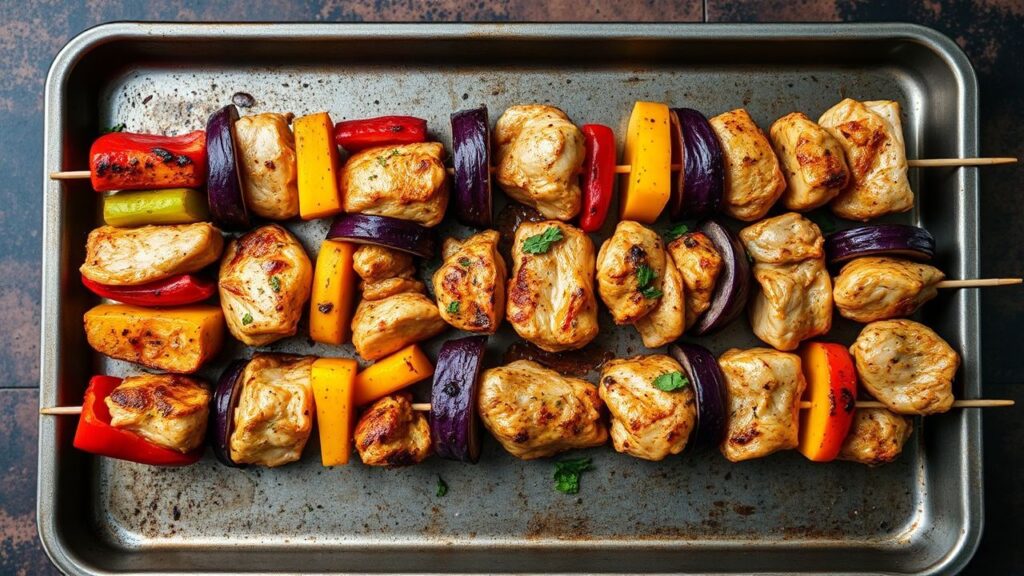
1. Marinate the Ingredients: In a large bowl, combine the chicken or lamb cubes with all the marinade ingredients. Toss thoroughly to ensure each piece is evenly coated. Cover the bowl and refrigerate for at least 2 hours, or preferably overnight, to allow flavors to meld and the protein to tenderize. If using vegetables that require sweating, prepare them now and pat them dry before adding to the marinade for the last 30-60 minutes of marinating time. 2. Preheat the Oven and Prepare the Sheet Pan: Preheat your oven to 425°F (220°C). Line a large, rimmed baking sheet with parchment paper or aluminum foil for easier cleanup. This step is crucial for facilitating browning and preventing sticking. 3. Assemble the Kebabs: Thread the marinated chicken or lamb and vegetables onto the soaked wooden or metal skewers, alternating ingredients for visual appeal and even cooking.
Aim for a snug but not overly packed arrangement, allowing heat to circulate around each piece. Place the assembled skewers onto the prepared baking sheet in a single layer. Ensure there is some space between each skewer; overcrowding will lead to steaming rather than searing. 4. Initial Bake: Place the sheet pan in the preheated oven. Bake for 15-20 minutes, depending on the thickness of your protein. 5. Broil for Char: After the initial bake, carefully remove the sheet pan from the oven. Turn your oven’s broiler to high. Return the sheet pan to the oven, positioning it about 6-8 inches from the broiler element. Broil for 2-5 minutes, watching *very* carefully to prevent burning, until the kebabs develop a beautiful char and are cooked through. The exact timing will depend on your oven’s broiler intensity. 6.
Rest and Serve: Once the kebabs have achieved the desired char, remove them from the oven and let them rest on the baking sheet for 5 minutes. This allows juices to redistribute, resulting in more tender and flavorful meat. Garnish with fresh chopped parsley, if desired. Serve hot with your favorite accompaniments such as rice, couscous, a fresh salad, or warm pita bread.
Nutritional Insights and Health Considerations
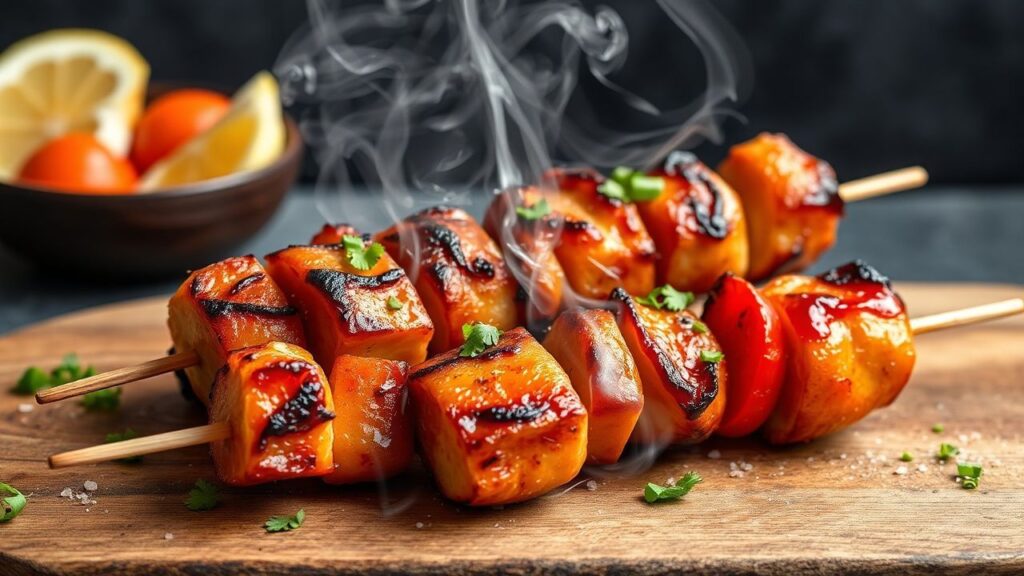
Sheet pan kebabs, when prepared with lean proteins and a wealth of vegetables, offer a remarkably healthy and balanced meal. A typical serving, depending on the protein choice, can be rich in lean protein, essential vitamins, minerals, and dietary fiber. For example, chicken breast is an excellent source of lean protein and niacin, while lamb provides iron and zinc. The abundance of vegetables contributes vital antioxidants, vitamins A and C, and fiber, which aids digestion and promotes satiety.
According to the USDA FoodData Central, a 4-ounce serving of grilled chicken breast provides approximately 122 calories, 23 grams of protein, and minimal fat. When combined with a variety of colorful vegetables like bell peppers and onions, the fiber content increases significantly. A medium bell pepper contains about 3 grams of fiber and is an excellent source of Vitamin C, offering over 150% of the daily recommended intake. This makes sheet pan kebabs a strategic choice for those mindful of their caloric intake and seeking nutrient-dense meals.
Maximizing Health Benefits
To further enhance the health profile of your sheet pan kebabs:
- Choose Lean Proteins: Opt for chicken breast or lean cuts of lamb or beef. For a plant-based option, consider firm tofu, tempeh, or hearty vegetables like cauliflower florets and eggplant.
- Load Up on Vegetables: Don’t be shy with the variety and quantity of vegetables. They are packed with nutrients and add volume and texture without significant calories.
- Mindful Marinade: Control the sodium and sugar content in your marinades. Opt for fresh herbs, spices, garlic, onion, and natural acidic elements like lemon or lime juice. Limit excessive use of sugary sauces or high-sodium soy sauce.
- Healthy Accompaniments: Serve your kebabs with whole grains like brown rice or quinoa, or a large, fresh salad, rather than refined carbohydrates.
Expert Tips for Elevated Sheet Pan Kebabs
Achieving restaurant-quality results with sheet pan kebabs is within reach by incorporating a few advanced techniques. These are the subtle nuances that separate a good meal from a truly memorable one.
- The Double Roast Method: For exceptionally tender meat and perfectly cooked vegetables, consider a two-stage cooking process. Marinate your protein and vegetables separately. First, roast the protein on the sheet pan for about 10-12 minutes. Remove, add the vegetables to the pan (you may need a second pan or to push the meat to one side), and roast for another 10-15 minutes until tender-crisp. Then, thread onto skewers and broil briefly for char. This ensures each component is cooked to its optimal texture.
- Strategic Vegetable Placement: Place denser vegetables, like onions and peppers, closer to the edges of the pan where the heat is more intense, and more delicate items, like cherry tomatoes, towards the center. This counteracts the natural hot spots of an oven and promotes even cooking.
- Embrace the Drip: Don’t discard the flavorful drippings from your marinated meat. After removing the kebabs, you can deglaze the pan with a splash of broth or wine, scraping up any browned bits, and then stir this concentrated sauce back into your side dish or serve it as a dipping sauce. This is a technique borrowed directly from professional kitchens.
- The Umami Boost: A small addition of umami-rich ingredients in your marinade can significantly deepen the flavor profile. Consider a teaspoon of fish sauce, a dash of Worcestershire sauce, or even a small amount of finely grated Parmesan cheese for a Western-inspired kebab. These elements add a savory complexity that is incredibly satisfying.
Elevating the Presentation
Presentation is key to the overall dining experience. Once your kebabs are cooked and rested, arrange them artfully on a platter. A sprinkle of fresh herbs, a drizzle of tahini or a simple yogurt sauce, and a side of vibrant pickles can transform a simple sheet pan meal into a showstopper. Consider serving them with a side of fluffy couscous or a refreshing Fattoush salad for a complete and visually appealing meal.
Frequently Asked Questions
Can I make sheet pan kebabs with seafood?
Absolutely. Delicate seafood like shrimp, scallops, or firm white fish fillets cook very quickly. Marinate them for a shorter period (30 minutes to 1 hour) and add them to the skewers during the last 8-10 minutes of the initial baking time, followed by a brief broil until just cooked through. Overcooking seafood on a sheet pan is a common pitfall, so vigilance is key.
What is the best way to prevent wooden skewers from burning?
The most effective method is to soak wooden skewers in water for at least 30 minutes, or ideally longer, before using them. This allows the wood to absorb moisture, making it more resistant to the high heat of the oven and broiler. You can also wrap the ends of the skewers that will be exposed to the most heat with a small piece of aluminum foil.
How can I make vegetarian sheet pan kebabs?
For a vegetarian or vegan option, substitute the meat with extra-firm tofu (pressed and cubed), tempeh, halloumi cheese, or a variety of hearty vegetables such as cauliflower florets, large chunks of eggplant, or portobello mushroom caps. Ensure your marinade is entirely plant-based, and follow the same cooking principles, adjusting the time as needed for the specific ingredients.
What are some good side dishes to serve with sheet pan kebabs?
Sheet pan kebabs pair wonderfully with a variety of sides. Traditional accompaniments include rice pilaf, couscous, quinoa, or orzo pasta. For a lighter option, a fresh Greek salad, a cucumber and yogurt salad (like tzatziki), or a simple mixed green salad with a zesty vinaigrette are excellent choices. Warm pita bread or naan is also a classic and satisfying accompaniment.
How long can I marinate the ingredients for sheet pan kebabs?
For most proteins like chicken and lamb, marinating for 2 to 4 hours is ideal for optimal flavor penetration and tenderization. You can marinate them for up to 24 hours for a more intense flavor, especially for tougher cuts. However, for more delicate proteins like fish or shrimp, limit marinating time to 30 minutes to 1 hour to prevent the acid from “cooking” the protein too much. Vegetables can be marinated for shorter periods, usually up to 1-2 hours, to retain their crispness.
See also: Kebabs