
The Unfolding Symphony of Zaalouk: A Moroccan Culinary Icon
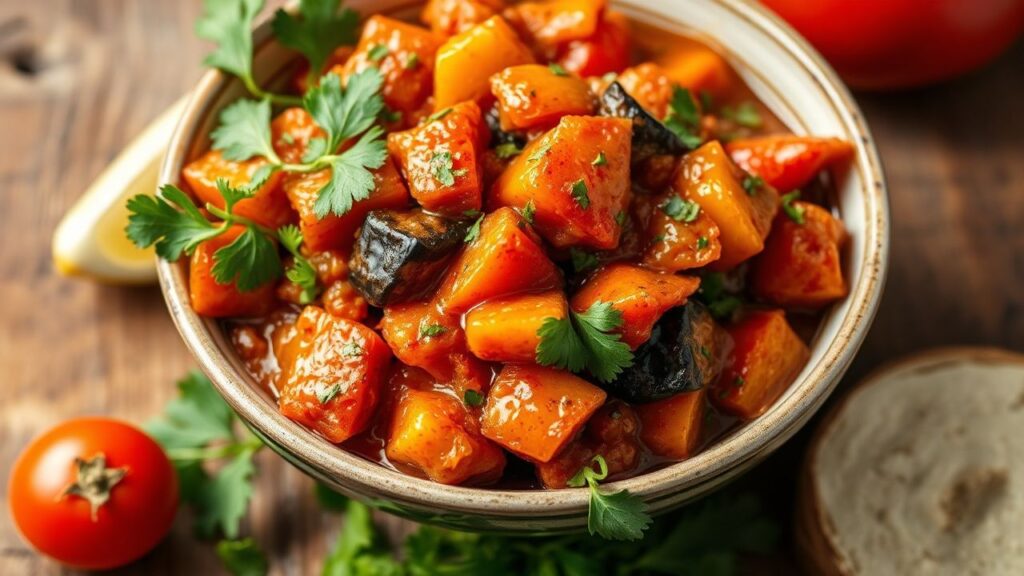
Imagine the humid Moroccan air, thick with the scent of spices and the murmur of a bustling souk. In the heart of this sensory tapestry lies a dish that embodies the very essence of Moroccan hospitality and culinary artistry: Zaalouk. It’s more than just a salad; it’s a deeply personal expression, a vibrant canvas painted with the earthy sweetness of roasted eggplant, the sun-kissed tang of ripe tomatoes, and a chorus of aromatic spices. For many Moroccans, the aroma of Zaalouk simmering on the stove evokes cherished memories of family gatherings, grandmother’s kitchens, and the comforting embrace of home. This humble yet profound dish, often served as a vibrant mezze or a flavourful side, has transcended its origins to become a celebrated staple, proof of the power of simple ingredients transformed by skillful hands and a rich culinary tradition. Its journey from a peasant dish to a restaurant-showcase item speaks volumes about its enduring appeal and its remarkable ability to adapt and captivate palates across the globe.
- The Unfolding Symphony of Zaalouk: A Moroccan Culinary Icon
- The Anatomy of Zaalouk: Essential Ingredients for Authenticity
- Mastering the Craft: A Step-by-Step Guide to Zaalouk Perfection
- Phase 1: Preparing the Eggplant for Transformation
- Phase 2: Building the Flavor Profile
- Phase 3: The Slow Simmer and Final Touches
- Nutritional Insights: A Wholesome Delight
- Elevating Your Zaalouk: Expert Tips for Restaurant-Quality Results
- 💡 Expert Insight Expert Insight: The Charred Whisper
- The Art of Texture: Achieving the Perfect Consistency
- ⚠️ Pro-Caution Pro-Caution: The Perils of Over-Spicing
- The Role of Olive Oil: A Flavorful Finish
- Conclusion: The Enduring Allure of Zaalouk
- Frequently Asked Questions About Zaalouk
Key Takeaways:
- Zaalouk is a cornerstone of Moroccan cuisine, celebrated for its depth of flavor and versatility.
- The quality of ingredients, particularly the eggplant and tomatoes, is paramount to achieving authentic Zaalouk.
- Mastering the cooking technique, especially the slow simmering, is crucial for developing its characteristic rich texture and complex taste.
- Zaalouk serves as a perfect example of how simple, accessible ingredients can be elevated into a culinary masterpiece through traditional methods.
The foundation of a truly exceptional Zaalouk lies in the meticulous selection of its core components. It’s a dish where even the most subtle variations in produce can lead to a significantly different outcome. The eggplant, the undisputed star, should ideally be the globe variety, known for its firm flesh and fewer seeds, which contributes to a smoother, less watery final texture. Tomatoes, too, matter significantly; ripe, juicy specimens, preferably vine-ripened, offer a natural sweetness and acidity that balances the richness of the eggplant. The interplay between these two elements, when coaxed through slow cooking, creates a velvety texture that is both luxurious and deeply satisfying. This careful consideration of raw materials is not merely about choosing the best; it’s about understanding how each ingredient will behave under heat and contribute to the overall harmony of the dish.
Beyond the primary players, the supporting cast of aromatics and spices is what truly elevates Zaalouk from a simple vegetable mash to a symphony of layered flavors. Garlic, pungent and assertive, provides a foundational warmth. Cumin, with its earthy, slightly smoky notes, adds a characteristic Moroccan warmth. Coriander, both fresh and ground, contributes a bright, citrusy counterpoint, while paprika, often a blend of sweet and smoked varieties, imparts a beautiful hue and a subtle depth. A whisper of cayenne pepper can introduce a gentle warmth that awakens the palate, and the judicious use of fresh cilantro and parsley, often added towards the end of cooking, provides a burst of herbaceous freshness. The precise balance of these spices is a matter of personal preference and regional variation, but the underlying principle remains constant: to create a complex and harmonious flavor profile that complements, rather than overwhelms, the inherent sweetness of the eggplant and tomatoes.
The Anatomy of Zaalouk: Essential Ingredients for Authenticity
To embark on the journey of creating authentic Zaalouk is to understand the precise nature of its components. Each element, from the humble eggplant to the fragrant olive oil, matter significantly in the final composition. Precision in measurement, while important in any culinary endeavor, takes on a particular significance here, as the balance of flavors is delicate.
Core Vegetables: The Heart of the Dish
- Eggplant: 1 kg (approximately 2.2 lbs) globe eggplants, preferably with smooth, unblemished skin.
- Tomatoes: 500g (approximately 1.1 lbs) ripe, fleshy tomatoes, such as Roma or plum varieties.
- Garlic: 4-6 cloves, finely minced.
Aromatic Foundation: Building Layers of Flavor
- Olive Oil: 100 ml (approximately 7 tablespoons) extra virgin olive oil, plus extra for drizzling. Quality here significantly impacts the final taste.
- Spices:
- 1 teaspoon ground cumin
- 1 teaspoon ground coriander
- 1/2 teaspoon sweet paprika
- 1/4 teaspoon smoked paprika (optional, for depth)
- Pinch of cayenne pepper (adjust to taste)
- Fresh Herbs:
- 1/4 cup finely chopped fresh cilantro
- 1/4 cup finely chopped fresh parsley
- Seasoning: Salt and freshly ground black pepper to taste.
The choice of eggplant is a critical determinant of Zaalouk’s success. While many varieties can be used, the globe eggplant, with its dense flesh and fewer seeds, offers a superior texture. When selecting, look for eggplants that are firm to the touch and have a glossy skin. Smaller eggplants tend to be less bitter and have a higher flesh-to-skin ratio, which is advantageous for a smooth purée. The tomatoes should be at the peak of ripeness, their skins slightly yielding and their interiors juicy. This inherent sweetness will form the backbone of the sauce, providing a natural counterpoint to the earthy eggplant. Overripe tomatoes can sometimes lend an unpleasant mushiness, so a balance is key. For the garlic, fresh cloves are non-negotiable; dried garlic powder simply cannot replicate the pungent, aromatic complexity that fresh minced garlic imparts. The quality of the extra virgin olive oil is also paramount; a robust, fruity oil will infuse the dish with its characteristic Mediterranean character, while a more neutral oil might leave the Zaalouk feeling somewhat incomplete.
The spice blend is where the true soul of Moroccan cuisine shines through in Zaalouk. Cumin, a staple in North African cooking, offers its unmistakable earthy warmth, while coriander adds a brighter, citrusy dimension. The addition of both sweet and smoked paprika provides not only a beautiful, inviting color but also a subtle layer of smokiness that hints at the charring of the eggplant, even if it’s not directly grilled. The cayenne pepper is a delicate dance; a mere suggestion of heat can enhance the other flavors without making the dish overtly spicy. The fresh herbs, cilantro and parsley, are not mere garnishes but integral flavor components. They are typically added towards the end of the cooking process to preserve their vibrant color and fresh, herbaceous aroma, cutting through the richness of the cooked vegetables. The precise ratio of these spices is often a closely guarded family secret, proof of the personal touch that defines authentic home cooking. Experimentation within these guidelines is encouraged, but a foundational understanding of their individual contributions is essential for achieving a balanced and delicious Zaalouk.
Mastering the Craft: A Step-by-Step Guide to Zaalouk Perfection
The creation of Zaalouk is a meditative process, a slow unfolding of flavors that requires patience and attention. It’s a culinary ritual that rewards diligence with a depth of taste and texture that is simply unparalleled.
Phase 1: Preparing the Eggplant for Transformation
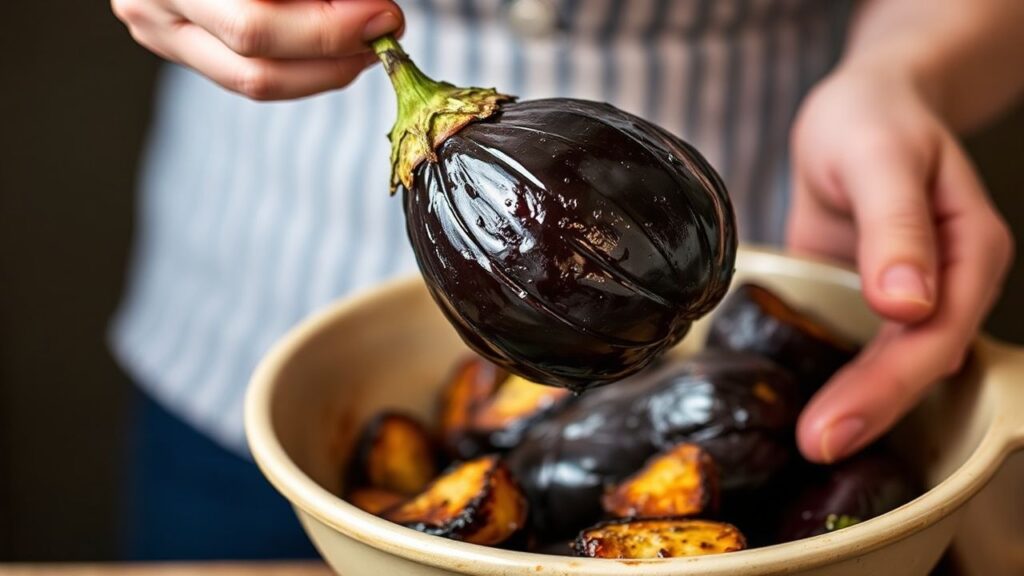
- Roasting the Eggplant: Preheat your oven to 200°C (400°F). Pierce the eggplants several times with a fork. Place them directly on the oven rack or on a baking sheet lined with parchment paper. Roast for 45-60 minutes, or until the eggplants are completely soft and the skins are wrinkled and slightly charred. The time will vary depending on the size of the eggplants.
- Cooling and Peeling: Once roasted, remove the eggplants from the oven and let them cool slightly until they are manageable to handle. This cooling period allows the flesh to firm up, making it easier to peel. Once cooled, carefully cut them in half lengthwise and scoop out the soft flesh into a colander set over a bowl to drain any excess liquid. Discard the skins.
- Mashing the Flesh: Using a fork or a potato masher, gently mash the eggplant flesh. Aim for a textured consistency, not a completely smooth purée. Some small chunks are desirable for textural interest. Over-mashing can lead to a gummy texture.
The roasting of the eggplant is a pivotal step, as it imbues the vegetable with a smoky depth and tenderizes it to perfection. The charring of the skin, while not essential, adds a subtle complexity that is highly prized in traditional Zaalouk. The key is to roast until the eggplant is thoroughly cooked through, yielding easily to pressure. This ensures a creamy texture without excessive moisture. Draining the mashed eggplant is a crucial but often overlooked detail. Excess water can dilute the flavors and lead to a watery final product. Allowing the flesh to drain for at least 15-20 minutes helps concentrate its essence.
The subsequent mashing of the eggplant flesh is where the chef’s touch truly begins to manifest. While a food processor can achieve a uniform texture, it often strips away the delightful textural nuances that make Zaalouk so engaging. A fork or a rustic masher preserves these desirable imperfections, creating a more satisfying mouthfeel. It’s a balance between achieving a certain degree of creaminess and retaining enough structure to provide interest. The goal is not a homogeneous paste, but rather a rich, textured blend that hints at the individual components while harmonizing into a cohesive whole. This tactile engagement with the ingredients is part of what makes preparing Zaalouk such a rewarding experience.
Phase 2: Building the Flavor Profile
- Preparing the Tomatoes: While the eggplant is draining, finely chop the ripe tomatoes. You can also blanch and peel them if you prefer a smoother texture, though this is not strictly necessary for authentic Zaalouk.
- Sautéing the Aromatics: In a wide, heavy-bottomed pan or pot, heat the extra virgin olive oil over medium heat. Add the minced garlic and sauté for about 1-2 minutes until fragrant, being careful not to burn it.
- Adding Tomatoes and Spices: Add the chopped tomatoes to the pan. Cook for 5-7 minutes, stirring occasionally, until the tomatoes begin to break down and release their juices. Stir in the ground cumin, coriander, sweet paprika, smoked paprika (if using), and cayenne pepper. Cook for another minute until the spices are fragrant.
The sautéing of the garlic and spices is a critical juncture where aromas begin to intermingle and build complexity. The gentle heat of the olive oil awakens the volatile compounds in the garlic and spices, creating a fragrant base. It’s imperative to avoid scorching the garlic, as burnt garlic imparts a bitter, acrid taste that can mar the entire dish. A low to medium heat is your ally here, allowing the aromatics to bloom without charring. The brief cooking time for the spices ensures that their essential oils are released, infusing the tomato mixture with their distinct characters.
The tomatoes, when added, begin their transformation into a rich, unctuous sauce. Their natural sugars caramelize slightly, deepening their flavor and adding a pleasing sweetness. This stage is about coaxing out their liquid and allowing them to meld with the spices. The resulting mixture should be vibrant and fragrant, proof of the synergistic relationship between the tomatoes and the spice blend. The texture at this point should be somewhat broken down, forming a thick, pulpy base that will cradle the eggplant.
Phase 3: The Slow Simmer and Final Touches
- Combining and Simmering: Add the mashed eggplant to the tomato and spice mixture in the pan. Stir well to combine everything thoroughly. Bring the mixture to a gentle simmer.
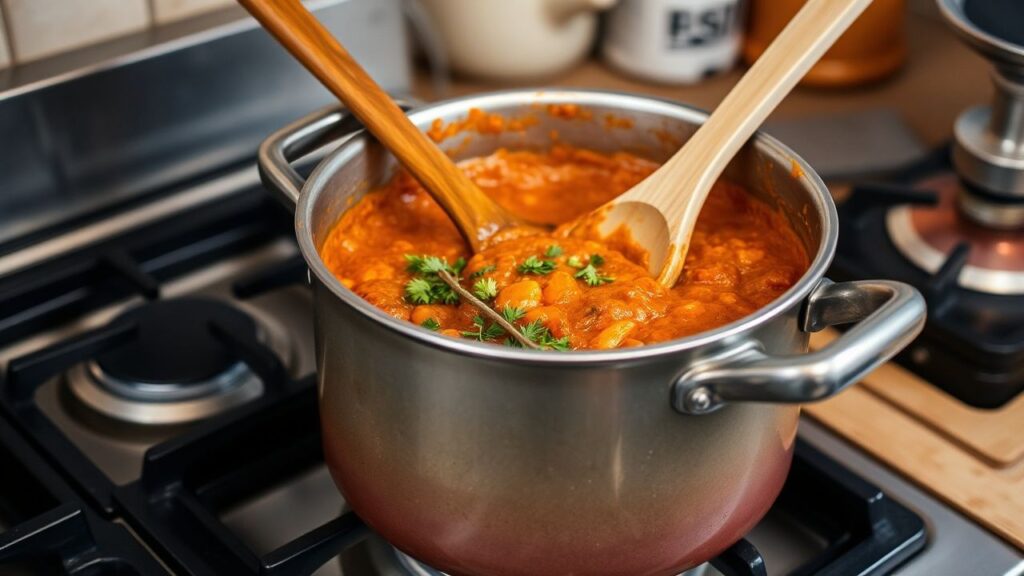
- Slow Cooking: Reduce the heat to low, cover the pan, and let the Zaalouk simmer for at least 30-40 minutes, stirring occasionally. The goal is to allow the flavors to meld and deepen, and for the mixture to thicken to a rich, spreadable consistency. If it becomes too dry, you can add a tablespoon or two of water, but do so sparingly.
- Finishing Touches: Once the Zaalouk has reached your desired consistency and the flavors have melded beautifully, stir in the chopped fresh cilantro and parsley. Season generously with salt and freshly ground black pepper to taste.
- Resting and Serving: Let the Zaalouk rest off the heat for at least 10-15 minutes before serving. This allows the flavors to settle and deepen further. Drizzle with a generous amount of good quality extra virgin olive oil just before serving.
The slow simmer is the alchemical heart of Zaalouk preparation. This is where the magic truly happens, where the individual components surrender their distinct identities to create a harmonious whole. Low heat and patience are paramount. Rushing this process will result in a dish that tastes like cooked vegetables rather than a deeply flavorful, integrated condiment. The gradual reduction of moisture concentrates the flavors, creating a rich, almost buttery texture. Stirring occasionally prevents sticking and ensures even cooking. This is not a dish to be hurried; it is proof of the rewards of taking your time in the kitchen.
The final addition of fresh herbs provides a crucial burst of freshness, cutting through the richness of the cooked vegetables and offering a bright, herbaceous counterpoint. This is not merely a garnish; it is an integral part of the flavor profile, balancing the earthy depth of the eggplant and the tang of the tomatoes. The resting period before serving allows these flavors to meld further, creating a more nuanced and integrated taste. Serving Zaalouk with a final flourish of extra virgin olive oil not only adds a beautiful sheen but also enhances the overall richness and mouthfeel, a classic Moroccan touch that elevates the dish to its full potential.
Nutritional Insights: A Wholesome Delight
Zaalouk, while a flavor powerhouse, is also a surprisingly nutritious dish, offering a good source of vitamins, minerals, and dietary fiber.
Estimated Nutritional Information (Per Serving, approximately 150g):
| Nutrient | Amount |
|---|---|
| Calories | 150-200 kcal |
| Protein | 2-3 g |
| Fat | 10-15 g (primarily from olive oil) |
| Saturated Fat | 1-2 g |
| Carbohydrates | 15-20 g |
| Fiber | 5-7 g |
| Sugars | 7-10 g (natural sugars from tomatoes) |
| Vitamin C | Good source |
| Vitamin A | Good source |
| Potassium | Good source |
The nutritional profile of Zaalouk is largely shaped by its core ingredients. Eggplant is a good source of dietary fiber, which aids digestion and promotes satiety. It also contains valuable antioxidants, such as nasunin, which is found in the skin and is thought to have neuroprotective properties. Tomatoes are renowned for their high vitamin C content and lycopene, a powerful antioxidant that has been linked to various health benefits. The generous use of extra virgin olive oil contributes healthy monounsaturated fats, which are beneficial for cardiovascular health, and provides a rich source of antioxidants.
The spices used in Zaalouk, such as cumin and coriander, are not only flavor enhancers but also possess their own beneficial properties. Cumin has been traditionally used for digestive aid, and both spices are believed to have anti-inflammatory properties. The overall balance of macronutrients makes Zaalouk a satisfying and wholesome addition to any meal, whether served as a light appetizer or a robust side dish. It’s a prime example of how traditional culinary practices often align with principles of healthy eating, utilizing whole, unprocessed ingredients to create dishes that are both delicious and nourishing.
Elevating Your Zaalouk: Expert Tips for Restaurant-Quality Results
Achieving truly exceptional Zaalouk goes beyond simply following a recipe; it involves understanding the nuances of technique and ingredient synergy. These expert insights will help you transform this beloved Moroccan staple into a dish that would grace any fine dining table.
💡 Expert Insight
Expert Insight: The Charred Whisper
For an intensified smoky flavor, consider charring the eggplants directly over an open flame on a gas stove or grill before roasting. This traditional method imparts a deep, complex smokiness that is difficult to replicate. Simply place the whole eggplant over a medium flame, turning frequently until the skin is blackened and the flesh is softened. Then proceed with peeling and mashing.
The charring technique is proof of the Moroccan philosophy of extracting maximum flavor from simple ingredients. The direct exposure to flame caramelizes the sugars in the eggplant skin and flesh, creating a depth of flavor that is both primal and sophisticated. This step, while requiring a little extra effort and caution, yields a Zaalouk with a character that is profoundly different from one made solely by oven roasting. The subtle bitterness from the charred skin, when balanced with the sweetness of the tomatoes and the warmth of the spices, creates an intoxicating complexity.
The Art of Texture: Achieving the Perfect Consistency
The ideal texture for Zaalouk is a matter of preference, but generally, it should be rich and spreadable, with a slight textural interest. Avoid over-processing; the goal is not a smooth purée but a rustic mash that still retains some of the eggplant’s inherent structure. If your Zaalouk seems too watery after draining, you can gently cook it uncovered for a few extra minutes during the simmering phase to allow excess moisture to evaporate. Conversely, if it becomes too thick, a tablespoon or two of water or vegetable broth can be added.
The interplay of textures is what distinguishes good Zaalouk from great Zaalouk. The slight chewiness of the eggplant pieces against the smooth, tomato-based sauce creates a delightful contrast on the palate. This textural complexity is often achieved through the gentle mashing technique and the slow simmering process, which breaks down some of the eggplant while leaving other parts with a pleasing resistance. It’s a subtle dance of soft and firm, smooth and chunky, that keeps the diner engaged with every bite.
⚠️ Pro-Caution
Pro-Caution: The Perils of Over-Spicing
While spices are essential to the character of Zaalouk, it’s crucial to use them judiciously. Overpowering the dish with too much cumin or cayenne can mask the delicate sweetness of the eggplant and tomatoes. It is always easier to add more spice than to remove it. Taste and adjust the seasoning incrementally throughout the cooking process, especially towards the end, to ensure a harmonious balance.
The balance of spices in Zaalouk is a delicate art. Each spice contributes a distinct note to the overall symphony of flavors, and the wrong proportion can lead to a discordant outcome. The goal is to create a complex and layered flavor profile where no single spice dominates. This requires a sensitive palate and a willingness to taste and adjust as you go. It’s a culinary intuition that develops with practice, but a good starting point is to be conservative with the stronger spices like cayenne and to build up gradually. The natural sweetness of the eggplant and tomatoes should always be allowed to shine through.
The Role of Olive Oil: A Flavorful Finish
Do not underestimate the power of a generous drizzle of high-quality extra virgin olive oil just before serving. This final touch not only enhances the visual appeal of the Zaalouk but also adds a layer of fruity richness and a silky mouthfeel that is characteristic of the finest Moroccan dishes. Use an olive oil with a robust flavor profile for the best results.
The final drizzle of olive oil is more than just a garnish; it’s an integral part of the flavor experience. It acts as a emulsifier, binding the flavors together and creating a luxurious texture. The peppery notes of a good quality olive oil cut through the richness of the cooked vegetables, adding a bright, fresh dimension. This seemingly simple act elevates the entire dish, transforming it from a mere vegetable preparation into a sophisticated culinary creation. It’s a final flourish that speaks volumes about the care and attention to detail that defines exceptional Moroccan cooking.
Conclusion: The Enduring Allure of Zaalouk
Zaalouk is a dish that transcends mere sustenance; it is a vibrant narrative woven from the threads of Moroccan tradition, family, and the simple magic of transforming humble ingredients into something extraordinary. Its journey from the rustic kitchens of Morocco to tables around the world is proof of its universal appeal, its ability to evoke comfort, and its profound deliciousness. Whether served as a light appetizer, a robust side, or a flavorful dip, Zaalouk offers a sensory experience that is both deeply satisfying and endlessly adaptable. The careful balance of earthy eggplant, sweet tomatoes, and aromatic spices, coaxed into existence through patient, slow cooking, creates a dish that is far greater than the sum of its parts. It is a reminder that in the culinary world, as in life, sometimes the most profound pleasures are found in the simplest of creations, prepared with love, skill, and a deep respect for the ingredients. To master Zaalouk is to unlock a piece of Moroccan culinary heritage, a flavorful legacy that continues to enchant and delight.
Frequently Asked Questions About Zaalouk
What is the best way to store Zaalouk?
Zaalouk is best stored in an airtight container in the refrigerator. It will keep well for 3-4 days. The flavors often meld and deepen even further on the second day, making it an excellent dish to prepare ahead of time. When ready to serve, you can enjoy it cold, at room temperature, or gently reheat it on the stovetop over low heat. If reheating, you may want to add a splash of water or a touch more olive oil to restore its creamy consistency.
Can I make Zaalouk ahead of time?
Absolutely. In fact, Zaalouk often benefits from being made a day in advance. This resting period allows the flavors to fully meld and develop, resulting in a richer, more complex taste. It’s an ideal dish for meal preparation or for serving at gatherings, as it can be made ahead and served at room temperature or gently reheated. Ensure it is stored properly in an airtight container in the refrigerator.
What are the most common ways to serve Zaalouk?
Zaalouk is incredibly versatile. It is most commonly served as part of a Moroccan mezze platter, alongside other small dishes like Taktouka (a roasted pepper and tomato salad) and various dips. It’s also excellent spread on crusty bread, pita bread, or khobz (Moroccan bread) as a delicious appetizer or snack. Beyond that, it makes a fantastic accompaniment to grilled meats, fish, or roasted chicken, adding a burst of flavor and a touch of Moroccan flair to any meal. Some even enjoy it as a flavorful topping for couscous or rice.
See also: Zaalouk