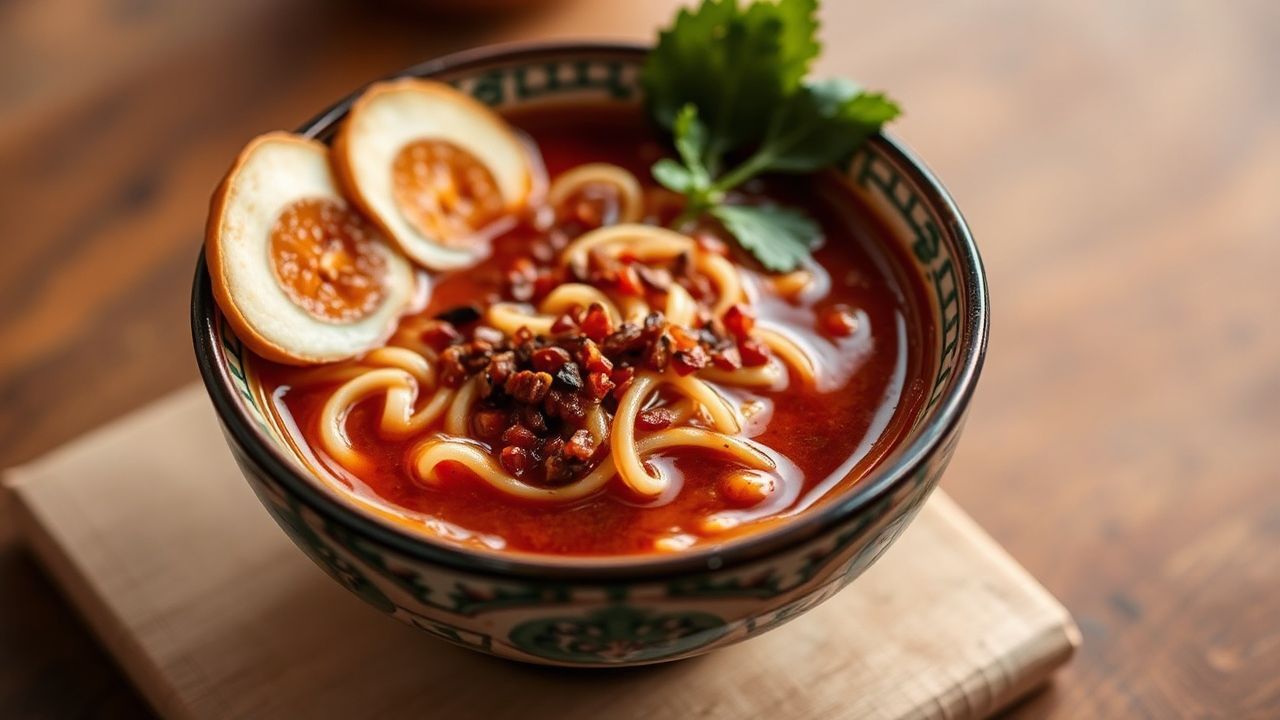

Beyond the Broth: The Soul-Stirring Power of Spicy Miso Ramen
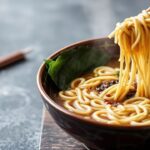
The notion that truly transcendent ramen is an unattainable holy grail, reserved only for specialist establishments, can be dispelled. The depth of flavor, the comforting embrace, and the sheer gastronomic poetry of a perfectly executed bowl of Miso Ramen – particularly its spicy iteration – can indeed be coaxed from your own kitchen. More than mere sustenance, this dish is proof of the transformative power of fermented ingredients, a symphony of textures and tastes that has captivated palates worldwide. The perceived complexity often deters home cooks, but with a meticulous approach and an understanding of its elemental components, one can achieve a bowl that rivals, if not surpasses, many professional offerings. This isn’t about shortcuts; it’s about unlocking the inherent potential within simple, yet potent, ingredients to create something truly extraordinary.
- Beyond the Broth: The Soul-Stirring Power of Spicy Miso Ramen
- The Architectural Blueprint: Deconstructing the Spicy Miso Ramen
- The Miso Ramen Recipe: A Masterclass in Flavor Engineering
- Ingredients
- Preparation Method
- Step 1: Crafting the Broth (Can be done in advance)
- Step 2: Preparing the Spicy Miso Tare
- Step 3: Assembling the Bowls
- Step 4: Cooking the Noodles
- Step 5: Arranging the Toppings
- Step 6: The Grand Finale
- Nutritional Information (Approximate Per Serving)
- Expert Pro-Tips for Elevating Your Miso Ramen
- Frequently Asked Questions about Miso Ramen
Key Takeaways for Mastering Spicy Miso Ramen:
- The Foundation is Key: A robust broth, whether chicken or pork-based, is non-negotiable for authentic flavor.
- Miso’s Nuance: Understanding the different types of miso and their flavor profiles is crucial for customization.
- The “Tare” is Paramount: The seasoned base (tare) is where the soul of the Miso Ramen truly resides, and its spicy element demands careful calibration.
- Texture is Everything: Achieving the perfect noodle *al dente* and balancing the toppings provides a multi-sensory experience.
The allure of Miso Ramen lies in its profound umami, a savory fifth taste that coats the tongue and lingers, creating a deeply satisfying experience. When infused with a judicious amount of chili, this umami is elevated, becoming a dynamic, warming sensation that awakens the senses. It’s a dish that speaks of comfort, of tradition, and of the ingenious culinary alchemy that fermentation allows. To truly appreciate it, one must understand its constituent parts: the broth, the tare (the flavoring base), the noodles, and the toppings. Each element plays a critical role in the final symphony, and neglecting any one can lead to a discordant experience.
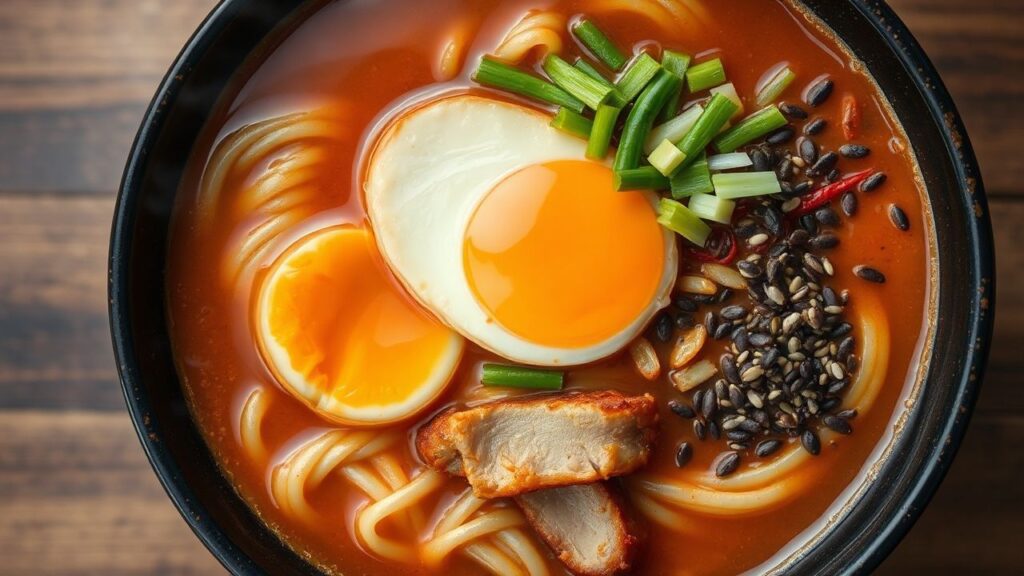
The Architectural Blueprint: Deconstructing the Spicy Miso Ramen
At its core is the broth. While many ramen styles rely on clear dashi or tonkotsu (pork bone) broths, Miso Ramen typically employs a richer, more opaque base. This can be a robust chicken stock, a pork-based broth, or even a combination. The richness provides a perfect canvas for the potent flavors of miso.
The tare, often translated as “sauce” or “seasoning,” is the concentrated heart of the ramen’s flavor profile. For spicy Miso Ramen, this involves a carefully balanced blend of miso paste, chili paste, aromatics, and often a touch of sweetness or acidity. This is where the “spicy” in our dish truly takes shape. The quality and type of miso used here are paramount.
Then come the noodles. Ramen noodles are distinct from other pasta varieties, typically made with wheat flour, water, salt, and *kansui*, an alkaline mineral water that gives them their characteristic springy texture and yellow hue. The specific type of noodle – thickness, waviness – can subtly alter the eating experience, but a good, firm noodle that holds its shape in the hot broth is essential.
Finally, the toppings. These are not mere garnishes; they are integral components that add texture, visual appeal, and complementary flavors. Classic toppings for spicy Miso Ramen include chashu pork (braised pork belly), ajitama (marinated soft-boiled egg), menma (fermented bamboo shoots), nori (seaweed), scallions, and sometimes corn or butter. For a spicy iteration, additional chili oil or fresh chilies can amplify the heat.
The Broth: The Soul’s Foundation
Crafting an exceptional broth is arguably the most time-consuming, yet most rewarding, aspect of making authentic ramen at home. While a quick weeknight version might utilize store-bought stock, for a truly profound experience, a homemade broth is indispensable.
Option 1: The Robust Chicken Broth
This is a more accessible yet still deeply flavorful option. It requires simmering chicken bones (carcass, backs, wings) with aromatics like ginger, garlic, and scallions for several hours. The aim is to extract maximum collagen and flavor, resulting in a rich, gelatinous stock.
Option 2: The Ponderous Pork Bone (Tonkotsu) Broth
This is the gold standard for many ramen enthusiasts. It involves simmering pork femurs and trotters for 12-18 hours, or even longer, until the bones break down and release their marrow and collagen, creating a milky, opaque, and intensely savory liquid. The sheer commitment required for tonkotsu is why many opt for chicken or a hybrid. For instance, the renowned ramen shop Ippudo is celebrated for its tonkotsu.
The Tare: The Flavor Alchemist
The tare is where the magic happens, transforming a simple broth into a complex, nuanced bowl of Miso Ramen. For a spicy miso tare, we’ll focus on a harmonious blend of fermented goodness and piquant heat.
The Miso Ramen Recipe: A Masterclass in Flavor Engineering
This recipe aims to strike a balance between authenticity and home-kitchen feasibility. We’ll focus on a rich chicken-based broth and a potent spicy miso tare.
Yields: 4 servings
Prep time: 30 minutes (plus broth simmering time)
Cook time: 20 minutes
Prep time: 30 minutes (plus broth simmering time)
Cook time: 20 minutes
Ingredients
For the Broth:
- 2 kg (approx. 4.5 lbs) chicken backs and wings (or a whole chicken carcass)
- 1 large onion, quartered
- 2-3 inches ginger, sliced
- 6-8 cloves garlic, smashed
- 3-4 scallions, white and green parts separated
- 2 liters (approx. 8.5 cups) cold water
For the Spicy Miso Tare:
- 4 tablespoons red miso paste (akamiso)
- 2 tablespoons white miso paste (shiromiso)
- 2 tablespoons Gochujang (Korean chili paste) – adjust to your spice preference
- 1 tablespoon soy sauce
- 1 tablespoon mirin (sweet rice wine)
- 1 teaspoon toasted sesame oil
- 1 teaspoon grated fresh ginger
- 1 clove garlic, minced
For the Noodles:
- 4 portions fresh or dried ramen noodles (approx. 120-150g per portion)
For the Toppings:
- 4 sheets nori (seaweed)
- 200g (approx. 7 oz) chashu pork (store-bought or homemade), thinly sliced
- 4 ajitama (marinated soft-boiled eggs), halved
- 1 cup fresh bean sprouts
- 1/2 cup chopped scallions (green parts)
- 1/4 cup menma (fermented bamboo shoots), optional
- Toasted sesame seeds, for garnish
- Chili oil (rayu), for serving (optional, for extra heat)
Preparation Method
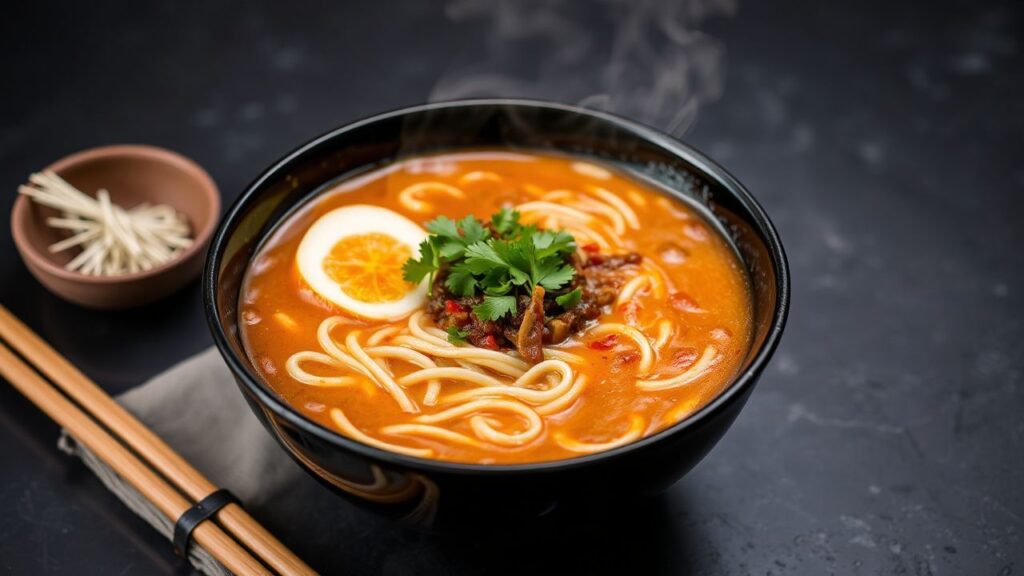
Step 1: Crafting the Broth (Can be done in advance)
Rinse the chicken pieces thoroughly under cold water. In a large stockpot, combine the chicken, quartered onion, sliced ginger, smashed garlic, and the white parts of the scallions. Cover with cold water and bring to a rolling boil over high heat. Skim off any scum that rises to the surface for the first 10-15 minutes. Reduce the heat to low, cover partially, and simmer for at least 4 hours, or up to 6-8 hours for a richer flavor. The longer it simmers, the more collagen and flavor will be extracted. Strain the broth through a fine-mesh sieve, discarding the solids. Season lightly with salt if desired, but remember the tare will provide significant saltiness. For a cleaner broth, chill it overnight and skim off the solidified fat from the surface.
Step 2: Preparing the Spicy Miso Tare
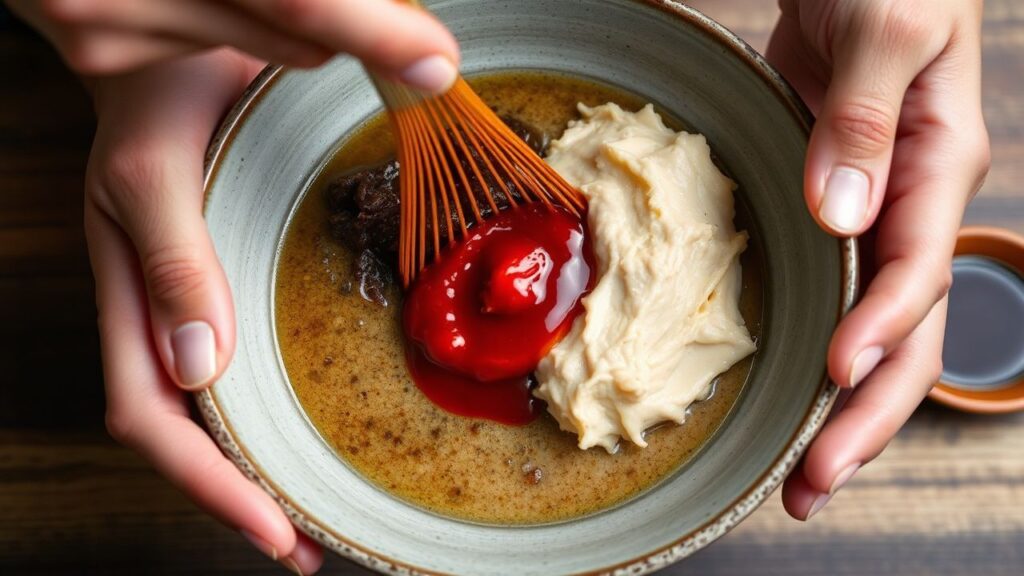
In a medium bowl, combine the red miso paste, white miso paste, Gochujang, soy sauce, mirin, toasted sesame oil, grated ginger, and minced garlic. Whisk vigorously until a smooth, uniform paste forms. This is your flavor powerhouse. Taste and adjust the Gochujang for desired heat, or add a touch more mirin for sweetness. This tare can be made a day or two in advance and stored in an airtight container in the refrigerator.
Step 3: Assembling the Bowls
Each serving bowl will receive a portion of the tare. For each bowl, add 2-3 tablespoons of the spicy miso tare to the bottom. This amount can be adjusted based on your preference for saltiness and spice. Pour approximately 350-400ml (about 1.5 to 1.75 cups) of the hot chicken broth over the tare. Stir well to dissolve the tare into the broth, ensuring an even distribution of flavor. This is where the transformation begins. The broth, once relatively neutral, now becomes a complex, umami-rich elixir with a subtle warmth.
Step 4: Cooking the Noodles
Bring a separate large pot of unsalted water to a rolling boil. Cook the ramen noodles according to package instructions until they are *al dente* – tender but still with a pleasant bite. This is crucial; overcooked noodles become mushy and detract from the overall experience. Drain the noodles thoroughly. It’s often beneficial to toss them briefly with a tiny bit of neutral oil to prevent sticking, though this is debated among purists.
Step 5: Arranging the Toppings
Carefully place the drained noodles into the broth-filled bowls. Artfully arrange your chosen toppings: two slices of chashu pork, one halved ajitama, a nest of bean sprouts, a sprinkle of chopped scallions, a portion of menma, and a sheet of nori. Finish with a scattering of toasted sesame seeds and a drizzle of chili oil, if desired.
Step 6: The Grand Finale
Serve immediately. Encourage diners to stir the toppings into the broth and noodles to fully integrate the flavors and textures. The heat from the broth will gently warm the toppings, releasing their aromas and further enhancing the dish.
Nutritional Information (Approximate Per Serving)
Please note that nutritional information can vary significantly based on specific ingredients and portion sizes, especially for homemade broths and toppings.
| Nutrient | Amount |
|---|---|
| Calories | 650-850 kcal |
| Protein | 35-45 g |
| Fat | 30-45 g |
| Carbohydrates | 50-70 g |
| Sodium | 1500-2500 mg (highly variable based on tare and broth seasoning) |
Expert Pro-Tips for Elevating Your Miso Ramen
The Art of the Ajitama
The marinated soft-boiled egg, or ajitama, is a cornerstone of excellent ramen. To achieve the perfect ajitama, boil eggs for precisely 6 to 6.5 minutes, then shock them in ice water. Peel carefully and marinate for at least 4 hours, or preferably overnight, in a mixture of equal parts soy sauce, mirin, and water, with a splash of sake. The result is a custardy yolk and a subtly sweet, savory protein.
Chashu: The Porky Pinnacle
While store-bought chashu is convenient, making your own elevates the dish immeasurably. Roll and tie pork belly, then braise it in a mixture of soy sauce, mirin, sake, ginger, garlic, and water until fork-tender. The resulting gelatinous fat and tender meat are unparalleled. A well-executed chashu can be found at many specialty Asian markets, or you can find recipes at sites like DinnerCook.com.
The interplay of textures is as important as the flavor. Incorporating crunchy elements like fresh bean sprouts and thinly sliced scallions provides a welcome contrast to the soft noodles and rich broth. The menma, if used, adds a unique, slightly chewy, fermented bite.
For those who crave an even deeper flavor profile, consider infusing your tare with a touch of fermented black garlic oil or a small amount of dashi powder for an extra layer of umami. The subtle sweetness of corn kernels, often found in Sapporo-style Miso Ramen, can also be a delightful addition, providing bursts of juicy sweetness that balance the savory and spicy notes. You can find inspiration for creative toppings on sites like Coockingchic.com.
Frequently Asked Questions about Miso Ramen
H3: What is the best type of miso for spicy Miso Ramen?
The “best” miso is subjective and depends on your desired flavor profile. For a robust, earthy, and slightly pungent base, red miso (akamiso) is excellent. For a sweeter, milder, and creamier broth, white miso (shiromiso) is preferred. Many chefs advocate for a blend of both, typically a 2:1 ratio of red to white, to achieve a balanced complexity. You can also explore awase miso, which is a blend of red and white, offering a good middle ground. Experimentation is key to finding your personal favorite combination.
H3: How can I make my Miso Ramen spicier?
The primary way to increase the heat is by adjusting the amount of chili paste in your tare. Gochujang is a fantastic option, but you can also incorporate other chili pastes like doubanjiang (fermented broad bean chili paste), or even a small amount of fresh minced chilies like Thai bird’s eye or serrano peppers into the tare or as a garnish. High-quality chili oil, known as *rayu* in Japanese, is also essential. Look for one with toasted sesame seeds and garlic for added depth. A light drizzle before serving can significantly amp up the heat and aroma. For a more nuanced heat, consider infusing neutral oil with dried chilies and aromatics like garlic and ginger, then straining to create your own custom chili oil.
H3: Can I make Miso Ramen vegetarian or vegan?
Absolutely. To create a vegetarian or vegan Miso Ramen, you’ll need to replace the chicken broth with a rich vegetable broth or a mushroom-based broth. For added depth and umami, consider simmering dried shiitake mushrooms and kombu (kelp) in your vegetable stock. Ensure your tare does not contain any animal products; most miso, soy sauce, and mirin are vegan-friendly, but always check labels. For toppings, focus on plant-based proteins like seasoned tofu, tempeh, or additional mushrooms. You can also incorporate more vegetables like bok choy, corn, and bamboo shoots. Many recipes on sites like WhimRecipes.com offer excellent vegan ramen adaptations.
H3: How do I store leftover Miso Ramen broth and tare?
Both the broth and the tare store exceptionally well. The broth can be refrigerated for up to 3-4 days or frozen for up to 3 months. Ensure it is cooled completely before refrigerating or freezing. The tare, being a concentrated paste, will last even longer. Store it in an airtight container in the refrigerator for up to 2 weeks. When reheating, gently warm the broth, and prepare fresh noodles and toppings to ensure the best texture and flavor. The tare can be re-whisked if it has separated slightly upon storage.
See also: Miso Ramen