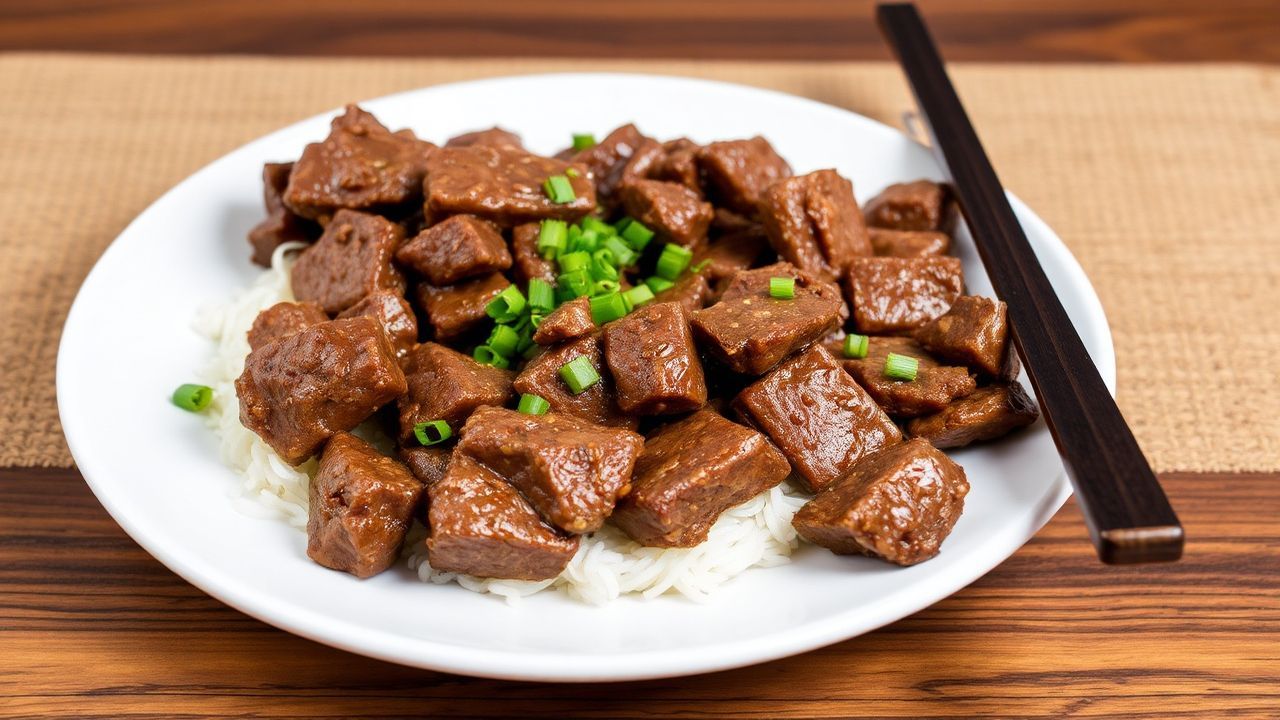

Lomo Saltado is more than just a popular Peruvian dish; it’s a culinary testament to cultural fusion, a vibrant symphony of East and West on a plate. This iconic beef stir-fry, with its roots deeply embedded in the Chinese immigration to Peru in the late 19th and early 20th centuries, represents a remarkable adaptation of Cantonese cooking techniques to Peruvian ingredients. The result is a dish that is simultaneously familiar and exotically unique, a harmonious blend of soy sauce, vinegar, and spices with the hearty richness of beef and the earthy comfort of potatoes. Understanding Lomo Saltado isn’t merely about following a recipe; it’s about appreciating a historical narrative woven into every savory bite, a story of migration, adaptation, and the creation of a beloved national icon.
At a Glance: The Essence of Lomo Saltado
> * Cultural Fusion: A prime example of *Chifa* cuisine, born from the marriage of Peruvian ingredients and Chinese culinary traditions.
* Flavor Profile: A complex interplay of savory (soy sauce), tangy (vinegar), and subtly sweet notes, elevated by aromatic vegetables.
* Texture Contrast: The tender, marinated beef juxtaposed with crisp vegetables and soft, crispy-fried potatoes is key to its appeal.
* Ubiquity: Found in humble *huariques* (eateries) and upscale restaurants alike, proof of its enduring popularity.
The genesis of Lomo Saltado is inextricably linked to the wave of Chinese laborers who arrived in Peru, primarily from the southern province of Guangdong, to work on plantations and in mines during the late 19th century. These immigrants brought with them their culinary heritage, characterized by the art of stir-frying—a method of cooking rapidly over high heat in a wok. In Peru, they encountered a bounty of new ingredients: beef, potatoes, tomatoes, and aji peppers. The brilliance of Lomo Saltado lies in how these chefs ingeniously married their existing techniques with these novel components. The “saltado” in the name, meaning “jumped” or “stir-fried,” directly references this fundamental cooking method. The beef, typically a tender cut like sirloin or tenderloin, is marinated and then quickly seared, a technique that locks in juices and ensures a succulent texture, reminiscent of traditional Chinese stir-fries. This foundational concept of high-heat, rapid cooking is the bedrock upon which the entire dish is built, distinguishing it from slower braises or stews.
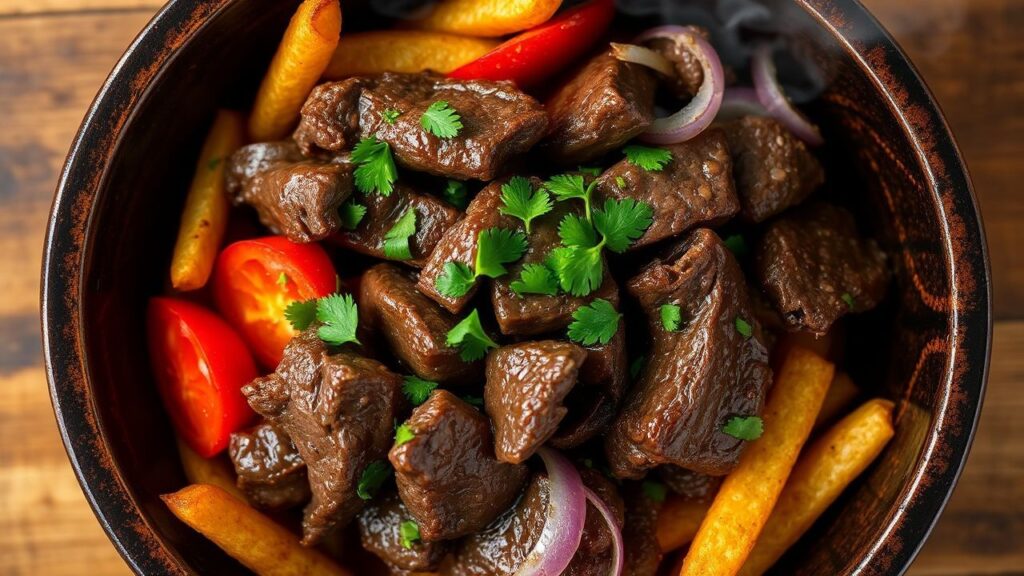
The culinary tradition that gave birth to Lomo Saltado is known as *Chifa*. This term, derived from the Cantonese phrase “chi fan” (meaning “to eat rice”), encapsulates the fusion of Chinese and Peruvian cuisines that has evolved over more than a century. *Chifa* restaurants are a ubiquitous and cherished part of Peruvian gastronomy, serving a menu that often includes both distinctly Peruvian dishes with Chinese influences and Chinese dishes adapted to Peruvian palates. Lomo Saltado is arguably the flagship dish of *Chifa*, a perfect illustration of how immigrant culinary traditions can not only survive but thrive and transform in a new land. The dish’s evolution is proof of the resourcefulness and culinary artistry of early Chinese immigrants who skillfully adapted their techniques and flavor profiles to the available local ingredients.
The foundational elements of Lomo Saltado—the stir-fried beef, the soy sauce-based marinade, and the use of high heat—are undeniably Chinese in origin. However, the inclusion of ingredients like potatoes, often served as thick-cut fries, and the liberal use of tomatoes and red onions, are distinctly Peruvian. This duality is what makes Lomo Saltado so captivating. It’s a dish that speaks of two worlds colliding and creating something entirely new and delicious. The use of aji amarillo, a quintessential Peruvian yellow chili pepper, adds a subtle fruity heat that is characteristic of Peruvian cuisine, further differentiating it from its purely Chinese counterparts. This careful integration of local produce and flavorings transformed a simple stir-fry into a culinary icon, celebrated across Peru and increasingly recognized globally.
To truly appreciate and replicate the magic of Lomo Saltado, one must understand the critical role each ingredient plays. The success of this dish hinges on the quality of the beef, the freshness of the vegetables, and the precise balance of the marinade and stir-fry sauce. It’s a dish where simplicity meets sophistication, and where seemingly disparate elements coalesce into a harmonious whole.
The choice of beef is paramount. Traditionally, tenderloin (filet mignon) or sirloin steak are preferred for their ability to cook quickly and remain tender. Cuts like flank steak or skirt steak can be used, but they require careful preparation, including thin slicing against the grain, to ensure tenderness. The marinade is where the Chinese influence is most apparent. A blend of soy sauce, garlic, cumin, and sometimes a touch of vinegar or Worcestershire sauce (another nod to Western influence in Peru), tenderizes the meat and imbues it with its signature umami depth. The beef is typically cut into strips or bite-sized pieces, about 1-inch thick and 2-3 inches long, ensuring a quick sear.
The vegetables in Lomo Saltado provide both textural contrast and vibrant color. Red onions, cut into thick wedges, are a non-negotiable element. Their sweetness intensifies when quickly stir-fried, offering a delightful crunch and a subtle bite. Tomatoes, usually Roma or plum tomatoes, are cut into wedges or chunks and added towards the end of the cooking process. Their slight acidity and juiciness help to deglaze the pan and create a luscious sauce. Aji amarillo paste is often incorporated into the marinade or stir-fry sauce, lending its characteristic fruity heat and golden hue, a hallmark of authentic Peruvian flavor. Fresh cilantro, chopped generously, is the final herbaceous flourish, adding brightness and a fresh aroma that cuts through the richness.
No Lomo Saltado is complete without its potato component. While some variations may incorporate them into the stir-fry itself, the most classic preparation involves serving the stir-fry over or alongside thick-cut French fries. These are not your average fries; they are typically made from russet or Yukon Gold potatoes, cut into substantial batons, and fried until golden brown and crispy on the outside, yet fluffy and tender on the inside. Some chefs even double-fry them for an extra layer of crispness. The potatoes serve a dual purpose: they absorb the delicious sauce from the stir-fry, becoming flavor sponges, and provide a hearty, comforting base that grounds the dish.
Mastering Lomo Saltado requires attention to detail, particularly regarding heat management and the timing of ingredient addition. The goal is to achieve perfectly cooked, tender beef, crisp-tender vegetables, and fluffy, golden fries, all enveloped in a flavorful, slightly thickened sauce.
For the Beef Marinade:
- 1.5 lbs (approx. 700g) beef sirloin or tenderloin, cut into 1-inch by 2-3 inch strips
- 2 tablespoons soy sauce (Peruvian or Japanese)
- 1 tablespoon red wine vinegar or white wine vinegar
- 1 teaspoon ground cumin
- 1 teaspoon minced garlic (about 2-3 cloves)
- 1/2 teaspoon aji amarillo paste (optional, but highly recommended for authenticity)
- 1/4 teaspoon black pepper
For the Stir-Fry:
- 2 tablespoons vegetable oil or canola oil, divided
- 1 large red onion, cut into thick wedges
- 2 medium tomatoes, cut into thick wedges
- 1/4 cup beef broth or water
- 1 tablespoon soy sauce
- 1 tablespoon oyster sauce (optional, for added depth)
- 1 teaspoon cornstarch mixed with 2 tablespoons water (for thickening)
- 2 tablespoons chopped fresh cilantro, for garnish
For the French Fries:
- 2 large russet or Yukon Gold potatoes, peeled and cut into thick fries (about 1/2 inch thick)
- Vegetable oil for frying (enough to fill your pot or fryer)
- Salt to taste
1. Marinate the Beef: In a medium bowl, combine the beef strips with soy sauce, vinegar, cumin, minced garlic, aji amarillo paste (if using), and black pepper. Toss to coat evenly. Cover and refrigerate for at least 30 minutes, or up to 4 hours.
2. Prepare the French Fries: While the beef marinates, prepare the potatoes. Rinse the cut fries under cold water and pat them thoroughly dry with paper towels. This is crucial for crispy fries. Heat about 2-3 inches of vegetable oil in a heavy-bottomed pot or deep fryer to 325°F (160°C). Carefully add the potatoes in batches, ensuring not to overcrowd the pot. Fry for about 5-7 minutes, until they are softened but not yet browned (this is the first fry). Remove the fries with a slotted spoon and drain on a wire rack set over a baking sheet. Let them cool completely.
3. Sear the Beef: Heat 1 tablespoon of vegetable oil in a large wok or heavy skillet over high heat until it just begins to smoke. Remove the beef from the marinade, letting any excess drip off. Add the beef to the hot wok in a single layer (you may need to do this in batches to avoid crowding, which will steam the meat instead of searing it). Sear for 1-2 minutes per side, until nicely browned but still pink in the center. Remove the beef from the wok and set aside.
4. Stir-Fry the Aromatics: Add the remaining 1 tablespoon of vegetable oil to the same wok. Add the red onion wedges and stir-fry for 1-2 minutes until they begin to soften but still retain a slight crispness. Add the tomato wedges and stir-fry for another minute.
5. Build the Sauce: Pour in the beef broth or water to deglaze the wok, scraping up any browned bits from the bottom. Stir in the soy sauce and oyster sauce (if using). Bring to a simmer. Add the cornstarch slurry and stir continuously until the sauce thickens slightly, coating the vegetables.
6. Combine and Finish: Return the seared beef to the wok with the vegetables and sauce. Toss gently to combine and heat through for about 30 seconds to 1 minute. Do not overcook at this stage, as the beef is already cooked. Stir in half of the chopped cilantro.
7. Fry the Fries (Second Fry): While the beef is finishing, reheat the oil in the pot to 375°F (190°C). Carefully add the partially fried potatoes back into the hot oil in batches. Fry for another 2-4 minutes, or until golden brown and crispy. Remove with a slotted spoon and drain on paper towels. Season immediately with salt.
8. Serve: To serve, arrange a generous portion of the crispy French fries on a plate. Spoon the Lomo Saltado mixture over the fries or alongside them. Garnish with the remaining fresh cilantro. Serve immediately.
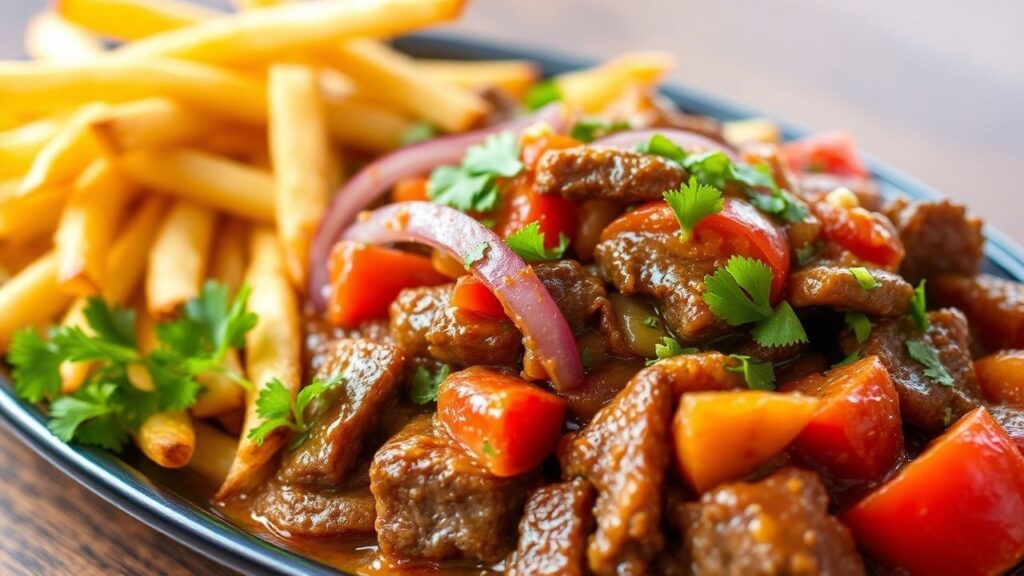
While Lomo Saltado is a culinary delight, it’s also a dish that can be rich in protein and carbohydrates, offering a satisfying meal. A typical serving, based on the recipe above, can provide significant nutritional value, though this can vary based on portion size and specific ingredient choices.
| Nutrient | Approximate Value per Serving (based on 4 servings) |
|---|
| :————– | :————————————————- |
| Calories | 650-800 |
|---|
| Protein | 40-50g |
| Fat | 30-40g |
|---|
| Saturated Fat | 8-12g |
| Carbohydrates | 50-60g |
|---|
| Fiber | 4-6g |
| Sugar | 8-12g |
|---|
| Sodium | 800-1200mg (can be reduced by using low-sodium soy sauce) |
| Iron | 15-20% DV |
|---|
| Vitamin C | 20-30% DV |
*Note: These are approximate values and can fluctuate based on ingredient brands, cooking methods, and exact portion sizes.*
The protein content from the beef is substantial, contributing to muscle repair and satiety. The potatoes provide complex carbohydrates for energy. The vegetables contribute dietary fiber, vitamins, and minerals. However, the sodium content can be a consideration due to the soy sauce and oyster sauce. Opting for low-sodium soy sauce and being mindful of added salt can help mitigate this.
Transforming a good Lomo Saltado into an exceptional one requires a nuanced understanding of technique and ingredient synergy. These tips, honed through years of culinary exploration, will help you achieve that coveted restaurant-quality flair.
The sear on the beef is arguably the most critical step in achieving a superior Lomo Saltado. High heat is non-negotiable. Ensure your wok or skillet is smoking hot *before* the beef goes in. This creates a rapid caramelization on the surface of the meat, locking in juices and developing a rich, savory crust. Avoid overcrowding the pan; this is a cardinal sin in stir-frying. Overcrowding lowers the pan temperature, causing the meat to steam rather than sear, resulting in a grey, flabby texture. If you are cooking a larger quantity, divide it into multiple batches. The brief cooking time—just enough to brown the outside while keeping the inside tender and slightly pink—is key.
The vegetables in Lomo Saltado should retain a slight crispness, a delightful textural counterpoint to the tender beef and soft potatoes. This means they should be added to the wok in stages, according to their cooking time. The red onions, for example, should be stir-fried for just long enough to begin to soften and sweeten, but not to become mushy. Tomatoes are added very late in the process, just to warm through and release some of their juices, preventing them from disintegrating. The rapid cooking process, combined with the high heat, ensures that the vegetables remain vibrant and retain their distinct textures.
The sauce for Lomo Saltado is not meant to be a heavy, gloopy coating. It should be light, savory, and slightly thickened to cling to the ingredients. The combination of soy sauce, vinegar, and broth provides the foundational flavor. A small amount of cornstarch slurry is used to achieve the desired consistency. The key is to add the slurry gradually and stir constantly until the sauce coats the back of a spoon. The sweetness from the onions and the tang from the tomatoes naturally contribute to the sauce’s complexity. For an extra layer of umami, many *Chifa* chefs include a touch of oyster sauce or even a dash of Shaoxing wine, though these are not always present in traditional home recipes.
The French fries are a crucial element and should not be an afterthought. The double-frying method is essential for achieving the perfect crisp exterior and fluffy interior. The first fry at a lower temperature partially cooks the potatoes, while the second fry at a higher temperature crisps them up beautifully. Ensure they are well-drained and seasoned immediately after the second fry to prevent them from becoming soggy. The starch released from the fries when they meet the sauce creates a delightful, savory gravy that is an integral part of the Lomo Saltado experience.
Lomo Saltado stands as a vibrant emblem of Peru’s rich cultural tapestry. It’s a dish that tells a story of immigration, adaptation, and culinary innovation, demonstrating how diverse traditions can converge to create something uniquely beautiful and profoundly delicious. From its humble beginnings in the kitchens of Chinese immigrants to its status as a beloved national dish, Lomo Saltado continues to captivate palates worldwide. Its appeal lies not just in its complex flavor profile or satisfying textures, but in the narrative it carries – proof of the power of food to bridge cultures and create enduring legacies. Whether prepared in a bustling *Chifa* restaurant or a home kitchen, Lomo Saltado remains a powerful expression of Peruvian identity and a joyous celebration of culinary fusion.
Lomo Saltado is a quintessential dish of *Chifa* cuisine, which is the fusion of Peruvian ingredients and Chinese (specifically Cantonese) culinary techniques. It emerged in Peru in the late 19th and early 20th centuries with the arrival of Chinese immigrants. They adapted their stir-frying methods to local ingredients like beef, tomatoes, and potatoes, creating a unique and beloved national dish. The name “Lomo Saltado” itself translates to “stir-fried loin,” referring to the cut of beef and the primary cooking method.
The best cuts of beef for Lomo Saltado are those that are tender and cook quickly. Traditionally, beef tenderloin (filet mignon) or sirloin steak are preferred. These cuts are naturally tender and can withstand the high heat of stir-frying without becoming tough. If using slightly tougher cuts like flank steak or skirt steak, it is crucial to slice them very thinly against the grain to ensure tenderness. The key is to select a cut that can be seared quickly to achieve a browned exterior while remaining moist and tender on the inside.
To achieve a more authentic Lomo Saltado, focus on a few key elements. Firstly, use aji amarillo paste in the marinade or sauce; its unique fruity heat is a signature Peruvian flavor. Secondly, ensure you are using red onions cut into thick wedges, as they provide a characteristic sweetness and texture when stir-fried. Thirdly, the French fries are an indispensable component; they should be thick-cut and ideally double-fried for optimal crispness. Finally, consider the cooking technique: high heat and rapid stir-frying are essential to achieve the correct textures of the beef and vegetables, preventing them from becoming overcooked or soggy.
See also: Lomo Saltado