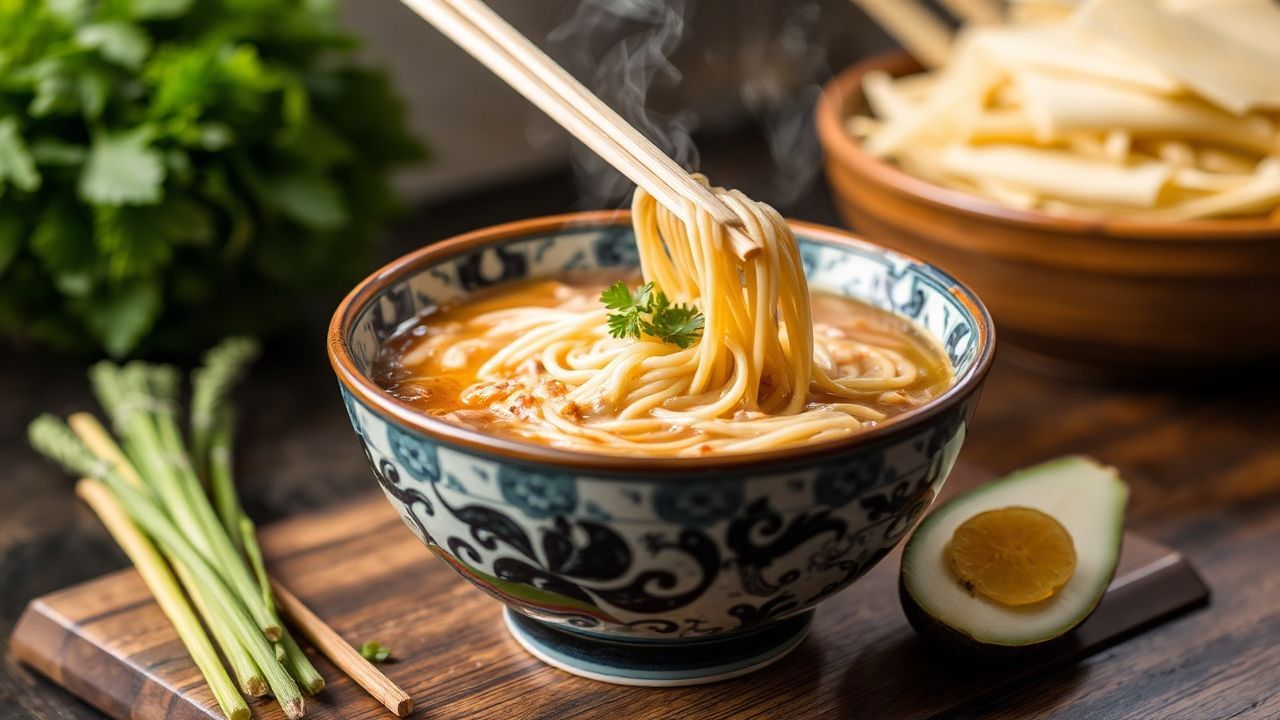

Ramen, a dish that evokes warmth, comfort, and culinary artistry, transcends its humble origins to become a global phenomenon. This article unveils the secrets to creating a truly authentic homemade ramen, moving far beyond the convenience of instant noodles to embrace a deeply satisfying, ingredient-driven experience.
- The Foundation: Building a Profound Broth
- The Heartbeat: Crafting Perfect Ramen Noodles
- The Art of the Tare: The Flavor Concentrator
- The Crown Jewels: Essential Ramen Toppings
- The Symphony of Assembly: Bringing It All Together
- Nutritional Considerations
- Elevating Your Ramen to Restaurant Quality
- Frequently Asked Questions About Homemade Ramen
- What is the difference between Tonkotsu and Shoyu ramen?
- How can I make my ramen broth richer?
- Can I freeze ramen broth?
- Conclusion
At a Glance: Elevating Your Ramen Game
- Mastering the broth is paramount, demanding time and quality ingredients for depth of flavor.
- Noodle texture is critical; understanding alkaline salts and hydration is key to achieving authentic chew.
- The art of the toppings lies in balance and complementary flavors, transforming a good bowl into a great one.
- Patience and attention to detail are the unseen, yet indispensable, ingredients for sublime ramen.
The aroma of slow-simmered broth, the distinct chew of perfectly cooked noodles, the jewel-like toppings arranged with deliberate care – these are the hallmarks of exceptional ramen. For many, the journey begins with the ubiquitous instant packet, a convenient, albeit superficial, introduction. Yet, the true essence of ramen lies in the meticulous craft, a culinary tradition that rewards patience and a deep understanding of ingredients. This guide is for the discerning home cook, ready to embark on a more profound exploration of this beloved Japanese noodle soup, transforming your kitchen into a haven of authentic flavor.
The Foundation: Building a Profound Broth
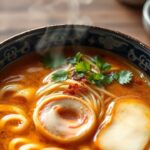
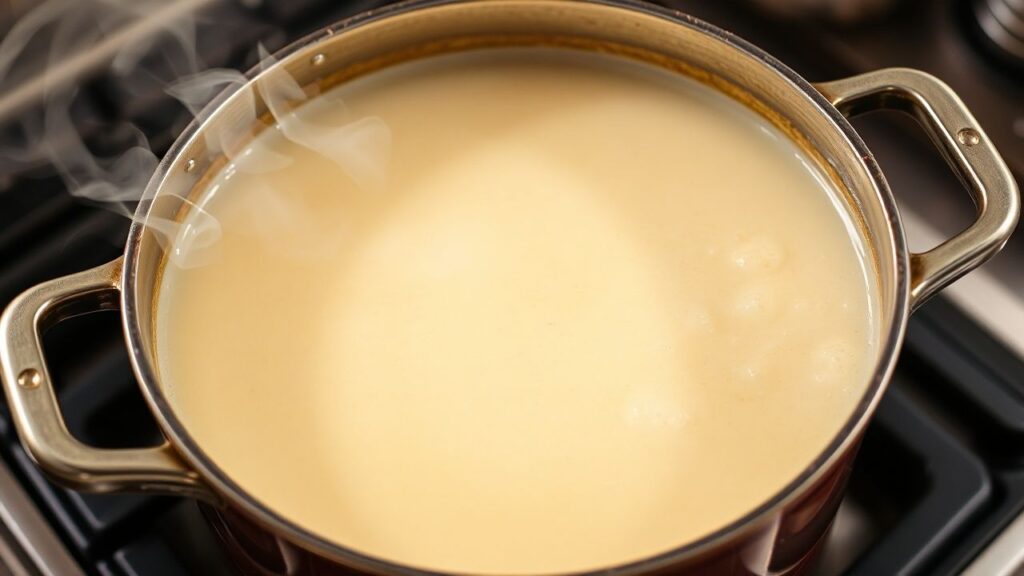
The soul of any great ramen lies undeniably in its broth. This is not a mere liquid base; it is a complex symphony of flavors, painstakingly extracted and layered over hours, sometimes days. While countless regional variations exist, the fundamental principle remains: coaxing the deepest umami from bones, aromatics, and specialized ingredients. For a robust Tonkotsu (pork bone broth), the process begins with procuring high-quality pork femurs and trotters. These are meticulously cleaned, blanched to remove impurities, and then simmered at a rolling boil for an extended period. This aggressive boil emulsifies the collagen and fat into the water, creating the characteristic milky white opacity and rich, unctuous mouthfeel. A truly exceptional Tonkotsu, as exemplified by legendary Tokyo shops like Ichiran, can simmer for upwards of 12-18 hours, requiring constant attention and topping up with water to maintain the desired consistency.
Beyond Tonkotsu, Shoyu (soy sauce-based) and Miso broths offer distinct yet equally compelling flavor profiles. A Shoyu broth often begins with a lighter chicken or dashi base, to which a carefully curated blend of soy sauces, mirin, sake, and often kombu (kelp) and dried shiitake mushrooms are added. The goal here is clarity and a balanced umami, allowing the inherent savory notes of the soy sauce to shine without overwhelming the palate. Miso ramen, on the other hand, embraces the fermented depth of miso paste, typically combined with a pork or chicken stock. The type of miso used – white, red, or a blend – significantly impacts the final flavor, ranging from subtly sweet to intensely savory and robust.
Key Broth Components and Their Roles
- Bones: Pork femurs, trotters, and chicken carcasses provide collagen, fat, and gelatin, forming the body and richness of the broth.
- Aromatics: Ginger, garlic, and scallions are fundamental, adding fragrant layers and complexity.
- Umami Boosters: Kombu (kelp), dried shiitake mushrooms, and katsuobushi (bonito flakes) are crucial for that signature savory depth.
- Seasoning: High-quality soy sauce, mirin, sake, and salt are used judiciously to balance and enhance the existing flavors.
The Heartbeat: Crafting Perfect Ramen Noodles
The noodle is the conduit through which the broth’s essence is delivered. Achieving the ideal texture – that satisfying, springy *al dente* bite – is a critical, yet often overlooked, aspect of homemade ramen. The secret lies in the use of *kansui*, an alkaline solution containing sodium carbonate and potassium carbonate, sometimes with phosphoric acid. *Kansui* is what gives ramen noodles their characteristic yellow hue, distinct elasticity, and slight chewiness, differentiating them from Italian pasta. The ratio of *kansui* to flour, along with the hydration level of the dough, dictates the final texture. Too much *kansui* can result in a brittle noodle, while too little will yield a soft, flabby strand.
For the home cook, sourcing or making fresh ramen noodles can be a rewarding challenge. While many high-quality dried ramen noodles are available, the pursuit of true authenticity often leads to exploring fresh options. Many Asian grocery stores carry fresh ramen noodles, but for the truly ambitious, a pasta maker can be a valuable tool. The dough typically requires a higher protein flour, such as bread flour, to withstand the vigorous boiling and maintain its structure. The process involves carefully mixing the flour with the *kansui* solution and water, kneading until smooth and elastic, resting the dough, and then passing it through a pasta machine to achieve the desired thickness and cut. The noodle’s journey from dough to bowl is swift; it should be cooked in rapidly boiling water for just a minute or two, then immediately drained and added to the hot broth. Overcooking is the cardinal sin here, leading to a mushy, unappealing texture.
The Art of the Tare: The Flavor Concentrator
While the broth provides the foundational flavor, the *tare* (pronounced tah-reh) is the concentrated seasoning sauce that truly defines the ramen’s character. It’s the final layer of flavor adjustment, the maestro that harmonizes the broth, noodles, and toppings. A *tare* is typically added directly to the serving bowl before the hot broth is poured over it. This allows the *tare* to meld with the broth, creating a complex and deeply satisfying umami bomb. Common *tare* bases include soy sauce, salt (*shio*), and miso.
A classic Shoyu *tare* might involve a blend of Japanese soy sauces (like koikuchi for depth and usukuchi for saltiness), mirin for sweetness, sake for brightness, and often a touch of sugar or even dried seafood for added complexity. A *shio tare* is more minimalist, relying on high-quality sea salt, sometimes infused with kombu or dried scallops, to enhance the broth’s natural flavors without introducing dominant notes of soy or miso. Miso *tare* utilizes fermented soybean paste, often blended with other ingredients like garlic, ginger, or chili paste to create a pungent and savory profile. Experimentation with the *tare* is where personal preference truly comes into play, allowing you to tailor the ramen to your exact taste.
The Crown Jewels: Essential Ramen Toppings
The toppings are the visual and gustatory exclamation points of a ramen bowl, each element carefully chosen to complement the broth and noodles. While the possibilities are endless, certain toppings have achieved iconic status for their ability to enhance the overall experience.
The Pillars of Ramen Toppings
- Chashu Pork: Slow-braised pork belly or shoulder, marinated in a mixture of soy sauce, mirin, sake, and aromatics, then thinly sliced. The fatty, tender slices melt in the mouth, providing a rich counterpoint to the broth.
- Ajitsuke Tamago (Marinated Soft-Boiled Egg): A perfectly cooked soft-boiled egg, with a jammy yolk and firm white, marinated in a sweet and savory soy-based liquid. The rich, creamy yolk further enriches the broth.
- Menma (Fermented Bamboo Shoots): These offer a delightful textural contrast with their slightly chewy, slightly crunchy bite and subtly savory, fermented flavor.
- Negi (Scallions/Green Onions): Thinly sliced green onions provide a fresh, pungent bite that cuts through the richness of the broth.
- Nori (Seaweed): Sheets of toasted seaweed add a briny, oceanic note and a pleasant crispness that softens as it absorbs broth.
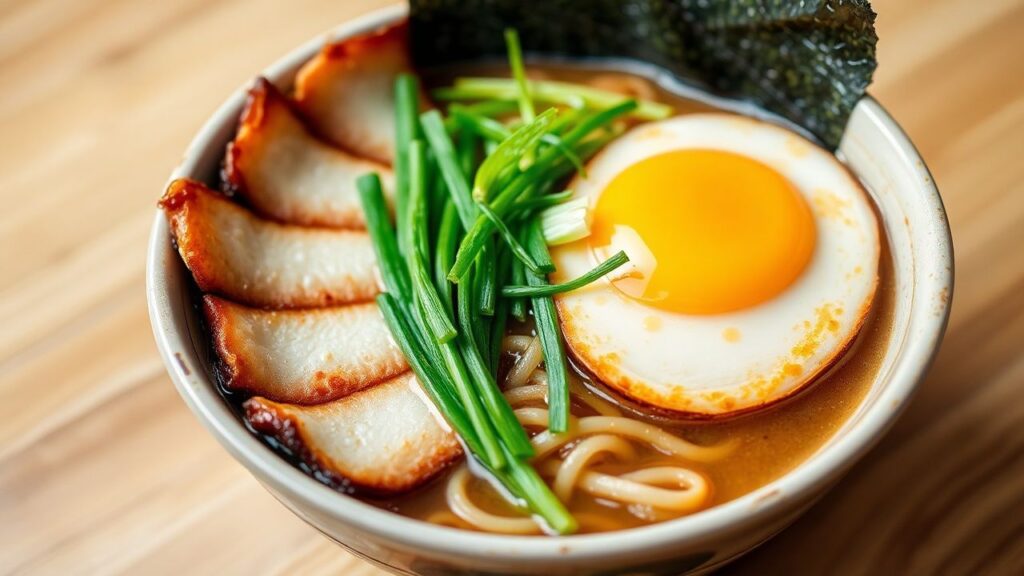
Other popular additions include *narutomaki* (fish cake with a pink spiral), corn, bean sprouts, and various mushrooms. The key is balance; too many competing strong flavors can detract from the harmony of the dish.
The Symphony of Assembly: Bringing It All Together
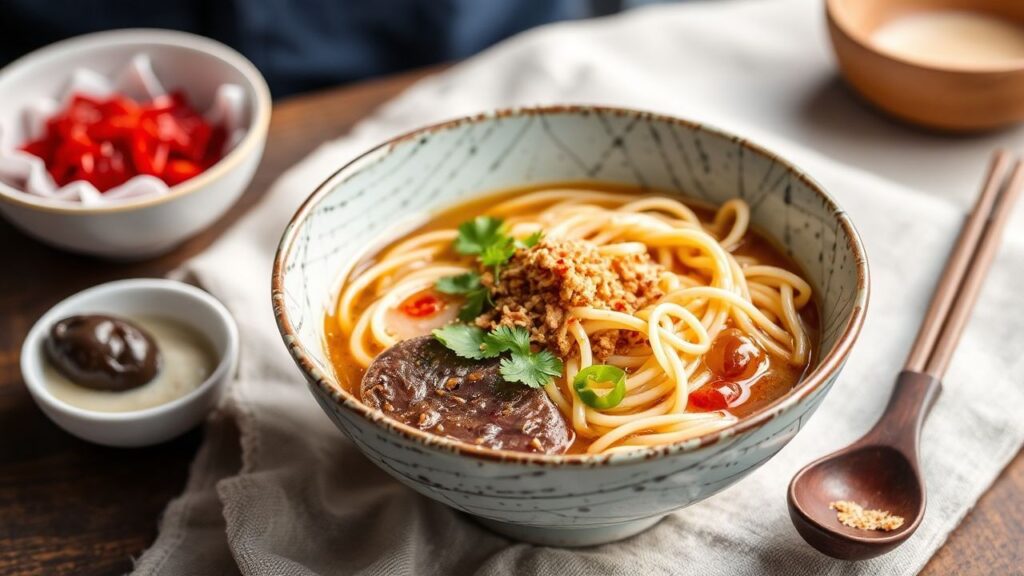
The final assembly of a ramen bowl is an act of culinary precision. It’s the culmination of hours of simmering, careful noodle cooking, and thoughtful preparation of toppings. The process should be executed with a sense of urgency to ensure everything is served piping hot.
Step-by-Step Assembly
1. Warm the Bowls: This is a critical, often overlooked, step. Pour boiling water into your serving bowls and let them sit for a minute, then discard the water. This keeps the ramen hot for longer.
2. Add the Tare: Place your chosen *tare* at the bottom of the warmed bowl. This could be a spoonful of Shoyu *tare*, a dollop of miso paste, or a light *shio* seasoning.
3. Add Aromatics (Optional but Recommended): A small amount of seasoned oil or a dab of chili paste can be added to the bowl along with the *tare* for an extra layer of flavor.
4. Add Broth: Gently ladle the piping hot broth over the *tare*. Stir briefly to combine.
5. Add Noodles: Carefully place the freshly cooked and drained noodles into the broth. Use chopsticks to gently arrange them.
6. Arrange Toppings: Artfully arrange your prepared toppings on top of the noodles. Think about visual appeal as well as flavor distribution. The *chashu* should be fanned out, the egg halved to showcase its yolk, and the *menma* and scallions placed strategically.
7. Garnish: Add a final flourish, perhaps a sprinkle of sesame seeds or a sprig of fresh cilantro. Serve immediately.
This meticulous approach, refined over generations in Japan, ensures that each spoonful offers a complete and harmonious sensory experience. The interplay of textures and temperatures, from the steaming broth to the crisp nori and tender pork, is what makes ramen such a universally beloved dish. For a truly immersive experience, consider exploring the history of ramen; its evolution from simple noodle soup to a complex culinary art form is a fascinating journey, detailed further on Wikipedia.
Nutritional Considerations
A homemade ramen bowl, while incredibly satisfying, can be quite rich. The nutritional profile will vary significantly based on the type of broth and the quantity and type of toppings used.
Approximate Nutritional Information (per serving, Tonkotsu-based):
Note: This is an estimation and can vary widely.
| Calories | 800-1200 kcal |
| Protein | 40-60g |
| Fat | 50-90g (can be high due to pork fat in broth and chashu) |
| Carbohydrates | 40-60g |
| Sodium | 1500-3000mg (can be very high due to tare and broth) |
To create a lighter version, consider using a chicken or vegetable-based broth, leaner cuts of pork for chashu, and a generous amount of fresh vegetables as toppings. Reducing the amount of tare or opting for a *shio tare* can also help manage sodium intake. The richness of ramen often means it’s a complete meal in itself, providing protein, carbohydrates, and essential nutrients, albeit with a notable fat and sodium content.
Elevating Your Ramen to Restaurant Quality
Achieving that elusive restaurant-quality ramen at home is a journey of continuous refinement. It’s about understanding the nuances that elevate a good dish to a great one. For instance, the quality of your *dashi* – the Japanese stock that often forms the base for lighter broths – is paramount. A well-made *dashi* from high-quality kombu and katsuobushi adds an unparalleled layer of umami that cannot be replicated by artificial means. Many high-end ramen shops in Japan spend years perfecting their *dashi* recipes, often creating their own proprietary blends of dried fish and seaweed.
Furthermore, the temperature at which you serve your ramen is critical. The broth should be intensely hot, and the bowls should be pre-warmed to maintain this temperature. A lukewarm bowl of ramen is a culinary disappointment. Similarly, the texture of the noodles must be precise. Overcooked or undercooked noodles can entirely derail the experience. Many chefs recommend cooking noodles in batches just before serving to ensure perfect *al dente* texture. Mastering the *tare* is another area for significant improvement; rather than relying on a single soy sauce, blending different types of soy sauce, incorporating mirin, sake, and even a hint of oyster sauce can create a far more complex and nuanced flavor profile. Exploring different types of miso for miso ramen, from the sweet white *shiro miso* to the deeply savory red *aka miso*, offers a vast palette for flavor creation. For those seeking to explore these finer points, resources like Recipesease.com offer advanced techniques and ingredient guides.
Frequently Asked Questions About Homemade Ramen
What is the difference between Tonkotsu and Shoyu ramen?
The primary difference lies in the broth base and its dominant flavor profile. Tonkotsu ramen features a rich, opaque broth made by simmering pork bones for many hours, resulting in a creamy, unctuous texture and deep, savory pork flavor. Shoyu ramen, on the other hand, uses a clearer broth, typically chicken or dashi-based, seasoned with soy sauce (*shoyu*). This results in a lighter, yet still complex, savory broth where the distinct notes of the soy sauce are more prominent.
How can I make my ramen broth richer?
To enrich your ramen broth, focus on the quality and quantity of bones used, especially for pork-based broths like Tonkotsu. Ensure a vigorous, rolling boil for an extended period to emulsify fats and collagen. Adding aromatics like ginger, garlic, and scallions during the simmer contributes depth. For added umami, incorporate ingredients like dried shiitake mushrooms, kombu, and katsuobushi. A well-made *dashi* also significantly boosts richness. Finally, don’t underestimate the power of a well-balanced *tare* and a touch of flavorful fat, such as rendered chicken fat or pork lard, added to the bowl before the broth.
Can I freeze ramen broth?
Yes, ramen broth freezes exceptionally well. Once cooled completely, portion the broth into airtight containers or freezer bags. It can typically be stored in the freezer for up to 3-4 months. When ready to use, thaw it in the refrigerator overnight or gently reheat it on the stovetop. Freezing is an excellent way to prepare large batches of broth and have it ready for quick ramen meals. It’s a strategy employed by many home cooks and even some professional kitchens to save time and ensure consistent quality.
Conclusion
Crafting authentic ramen at home is a rewarding culinary endeavor that connects you to a rich tradition. It’s a process that demands patience, an appreciation for quality ingredients, and a willingness to experiment. From the foundational simmer of the broth to the precise chew of the noodles and the artful arrangement of toppings, each step contributes to a deeply satisfying and soul-warming experience. While the journey may seem daunting, the result – a bowl of perfectly executed, deeply flavorful ramen made with your own hands – is an unparalleled pleasure. This is more than just a meal; it’s an immersion into a culture, proof of the beauty of slow food, and a delicious reminder that the most profound flavors often come from the most dedicated efforts.
See also: Ramen