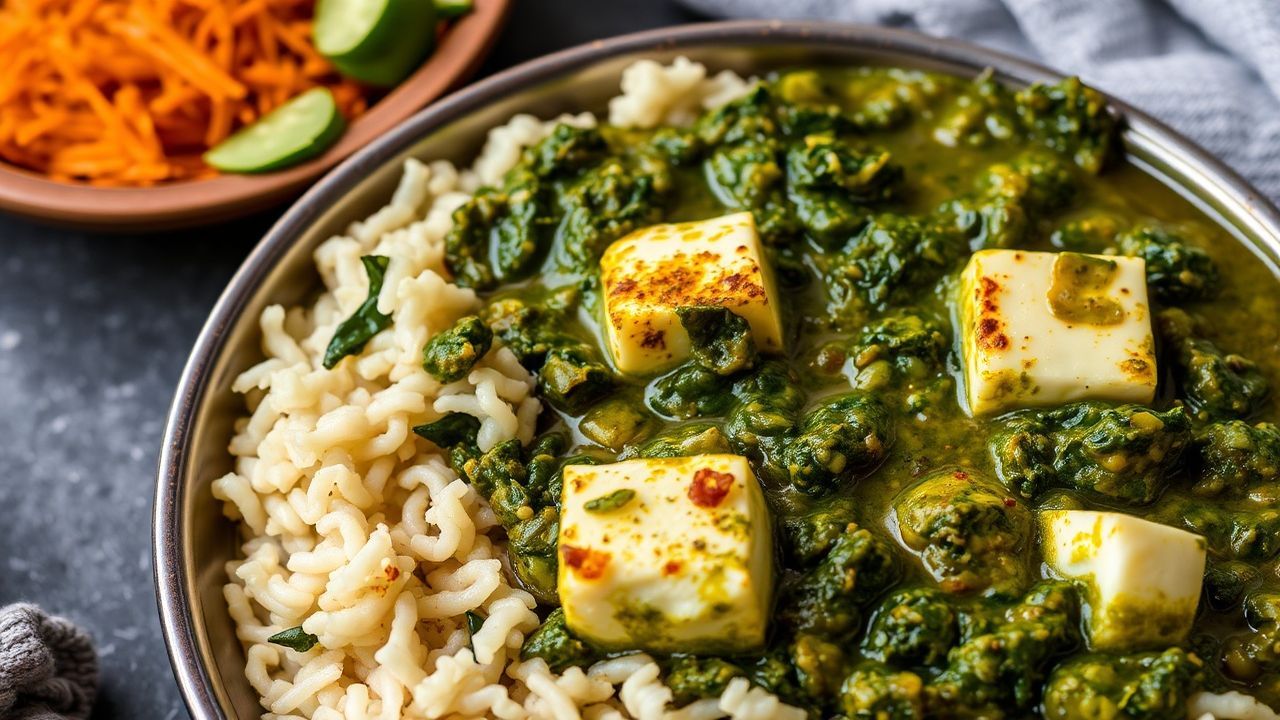

In India, a nation where cuisine is as diverse as its languages, Palak Paneer consistently ranks among the top three most ordered vegetarian dishes in restaurants across major cities. This ubiquity isn’t accidental; it speaks to a profound cultural resonance, a comforting familiarity that transcends regional boundaries. Palak Paneer, a harmonious marriage of vibrant spinach and creamy, firm paneer cheese, is far more than just a dish; it’s an edible emblem of home, proof of the ingenious simplicity that defines so much of Indian cooking. Its emerald hue, a visual promise of freshness, belies a complex depth of flavour, coaxed from a judicious blend of aromatic spices and the subtle, milky sweetness of the cheese. To truly understand Palak Paneer is to embark on a culinary journey, exploring its origins, mastering its preparation, and appreciating the nuanced techniques that elevate it from a simple curry to a masterpiece.
- The Genesis and Evolution of Palak Paneer
- Deconstructing the Perfect Palak Paneer: Ingredients and Their Roles
- Mastering the Technique: A Step-by-Step Guide to Palak Paneer Perfection
- Nutritional Insights: The Wholesome Appeal of Palak Paneer
- Elevating Palak Paneer: Expert Tips for Restaurant-Quality Results
- Frequently Asked Questions about Palak Paneer
- Palak Paneer’s enduring popularity stems from its perfect equilibrium of taste, texture, and nutritional value.
- The dish showcases the art of balancing robust spices with the mildness of fresh ingredients.
- Mastering Palak Paneer involves understanding the role of each component, from the blanching of spinach to the sautéing of aromatics.
- Its adaptability allows for variations, making it a canvas for personal culinary expression.
The Genesis and Evolution of Palak Paneer
The story of Palak Paneer is intrinsically linked to the broader narrative of Indian vegetarian cuisine. While the exact origins are somewhat elusive, tracing back to specific dates and inventors, the foundational elements – the use of leafy greens and curdled milk cheese – have been staples in the Indian subcontinent for centuries. Spinach, known as ‘palak’, has been cultivated in India for millennia, prized for its nutritional density. Paneer, a fresh, non-melting cheese, is believed to have been introduced to India during the Mughal era, possibly influenced by Persian dairy practices. It quickly became a preferred protein source for vegetarians, offering a distinct texture and a subtle, creamy flavour that complements a wide array of spices.
The dish as we know it today, a smooth or coarsely pureed spinach gravy studded with cubes of paneer, likely evolved as a refinement of simpler preparations. Early versions might have involved simply wilting spinach and adding a dollop of fresh cheese. However, as culinary traditions flourished, particularly in North Indian kitchens, the preparation became more sophisticated. The introduction of finely chopped onions, tomatoes, ginger, and garlic, sautéed to a rich paste, formed the flavour base, creating a more complex and satisfying curry. The careful selection and layering of spices, such as cumin, coriander, turmeric, and garam masala, transformed the humble ingredients into a dish of remarkable depth. This evolution mirrors the broader trend in Indian cooking, where everyday ingredients are elevated through thoughtful technique and the masterful use of aromatics.
Deconstructing the Perfect Palak Paneer: Ingredients and Their Roles
Achieving an exemplary Palak Paneer hinges on the quality and thoughtful application of its constituent ingredients. Each element matter significantly in the final symphony of flavours and textures. The spinach, the soul of the dish, must be fresh and vibrant. Its inherent earthiness provides a foundational taste, while its vibrant green colour is visually arresting. Paneer, the textural counterpoint, should be firm enough to hold its shape when cooked, yet tender enough to absorb the surrounding flavours. The aromatics – onions, ginger, garlic, and green chilies – form the flavour scaffolding, their sautéed sweetness and pungent notes building the curry’s backbone. Spices, the alchemists of Indian cuisine, are where the magic truly happens, transforming simple ingredients into something extraordinary.
The choice of fat also significantly impacts the final dish. Traditionally, ghee (clarified butter) is preferred for its rich, nutty aroma and high smoke point, which allows for thorough sautéing of aromatics without burning. However, a good quality neutral oil, like sunflower or canola, can also be used. Cream or milk is often introduced towards the end of cooking to add a luxurious creaminess and temper the spices, ensuring a smooth, velvety finish. A touch of lemon juice or amchur (dried mango powder) can provide a subtle tang, cutting through the richness and brightening the overall flavour profile. Understanding these individual contributions is the first step towards culinary mastery.
Essential Components for Palak Paneer
- Spinach (Palak): Approximately 500 grams (about 1 pound) of fresh spinach leaves. Opt for young, tender leaves for a smoother puree and less bitterness.
- Paneer: 200-250 grams (about 7-9 ounces) of firm paneer, cut into 1-inch cubes.
- Aromatics:
- 1 large onion, finely chopped
- 2 medium tomatoes, finely chopped or pureed
- 1-inch piece of ginger, grated or finely minced
- 3-4 cloves of garlic, minced
- 1-2 green chilies, slit or finely chopped (adjust to your spice preference)
- Spices:
- 1 teaspoon cumin seeds
- ½ teaspoon turmeric powder
- 1 teaspoon coriander powder
- ½ teaspoon red chili powder (Kashmiri chili powder for colour and mild heat is ideal)
- ¼ teaspoon garam masala
- Salt to taste
- Fat: 2-3 tablespoons ghee or neutral cooking oil.
- Liquid & Creaminess:
- ½ cup water (or as needed for desired consistency)
- ¼ cup heavy cream or milk (optional, for added richness)
- Garnish (Optional): Fresh cilantro leaves, a swirl of cream.
Mastering the Technique: A Step-by-Step Guide to Palak Paneer Perfection
The preparation of Palak Paneer, while seemingly straightforward, involves a series of nuanced techniques that significantly elevate the final dish. The crucial first step involves the spinach. It’s imperative to blanch the spinach rather than boiling it for an extended period. Blanching involves briefly immersing the spinach in boiling water for about 60-90 seconds, then immediately plunging it into ice-cold water. This process not only preserves the vibrant green colour by preventing oxidation but also helps to reduce the raw, slightly metallic taste that can sometimes be present. Once blanched and cooled, the spinach is thoroughly drained and then pureed to your desired consistency – some prefer a smooth, velvety puree, while others enjoy a slightly coarser texture.
The foundation of the curry’s flavour lies in the careful sautéing of the aromatics. Finely chopping the onions is key, as it allows them to break down and caramelize properly, imparting a natural sweetness to the gravy. Similarly, ginger and garlic should be minced or grated to a fine paste to ensure they integrate seamlessly without leaving gritty textures. Tomatoes, whether chopped or pureed, add a crucial layer of acidity and body. The spices are then introduced, and it’s vital to cook them with the aromatics for a short period – this ‘blooms’ the spices, releasing their full aromatic potential and deepening their flavour. This stage is critical; undercooked spices can taste raw, while overcooked ones can turn bitter.
- Prepare the Spinach: Wash the spinach thoroughly. Bring a pot of water to a rolling boil. Add the spinach and blanch for 60-90 seconds. Immediately drain the spinach and plunge it into a bowl of ice-cold water to stop the cooking process and lock in the colour. Once cooled, squeeze out as much excess water as possible. Puree the spinach in a blender or food processor until smooth or to your preferred consistency. Set aside.
- Sauté the Aromatics: Heat ghee or oil in a heavy-bottomed pan or kadai over medium heat. Add cumin seeds and let them splutter. Add the finely chopped onions and sauté until they turn golden brown and caramelized, stirring frequently. This can take 8-10 minutes.
- Build the Flavor Base: Add the minced ginger, garlic, and green chilies to the pan. Sauté for another minute until fragrant. Be careful not to burn the garlic.
- Incorporate Tomatoes and Spices: Add the chopped or pureed tomatoes. Cook, stirring occasionally, until the tomatoes soften and the oil begins to separate from the masala. This indicates the tomatoes are well-cooked. Stir in the turmeric powder, coriander powder, and red chili powder. Cook for 1-2 minutes, stirring constantly, to allow the spices to bloom.
- Combine with Spinach Puree: Pour the pureed spinach into the pan with the aromatic masala. Mix well. Add salt to taste. Add about ½ cup of water, or more, to achieve your desired curry consistency. Bring the mixture to a gentle simmer. Cover and cook for 5-7 minutes, allowing the flavours to meld.
- Add the Paneer: Gently add the paneer cubes to the simmering curry. Stir carefully to coat the paneer without breaking it. Cook for another 3-5 minutes, just until the paneer is heated through. Overcooking paneer can make it tough.
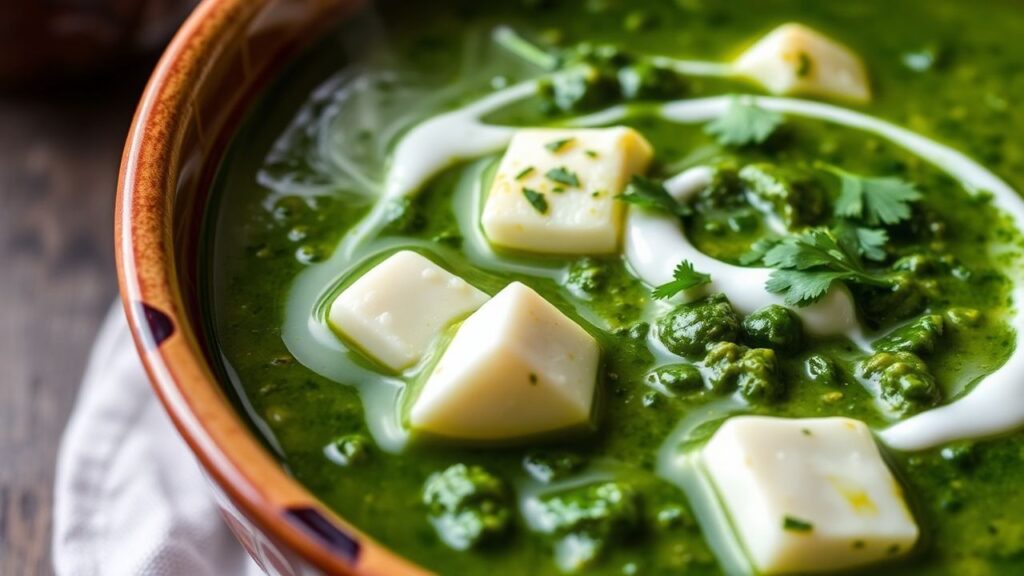
- Finish and Garnish: Stir in the garam masala. If desired, stir in the heavy cream or milk for added richness and a smoother texture. Cook for an additional minute. Remove from heat. Garnish with fresh cilantro leaves and an optional swirl of cream before serving.
Nutritional Insights: The Wholesome Appeal of Palak Paneer
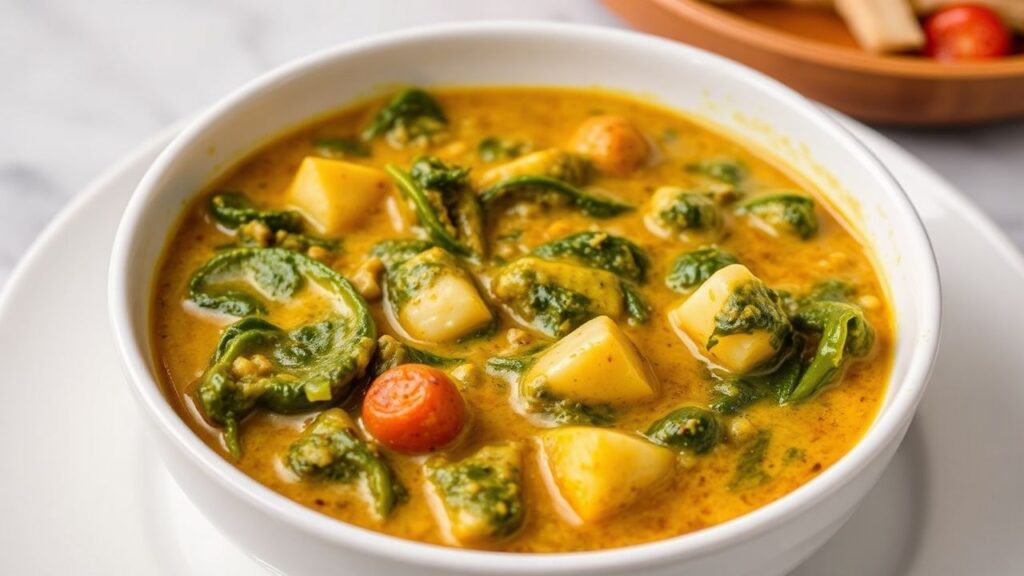
Palak Paneer is a nutritional powerhouse, offering a compelling blend of macronutrients and micronutrients. The star ingredient, spinach, is renowned for its exceptional vitamin and mineral content. It’s an excellent source of Vitamin K, vital for bone health and blood clotting, and a good source of Vitamin A, crucial for vision and immune function. It also provides significant amounts of Vitamin C, folate, iron, and magnesium. The iron content in spinach, while non-heme iron (less easily absorbed), is still a valuable contribution, especially when paired with Vitamin C-rich foods. This makes Palak Paneer a dish that supports overall well-being and energy levels.
Paneer, the other primary component, contributes a substantial amount of protein, making Palak Paneer a satisfying and satiating meal, particularly for vegetarians. Protein is essential for muscle repair, growth, and numerous bodily functions. Paneer also provides calcium, important for strong bones and teeth, along with phosphorus. The fats present in paneer are primarily saturated, so while it adds to the richness and texture, moderation is key for those mindful of their fat intake. The use of ghee or oil in the preparation adds further caloric density, but also contributes to the absorption of fat-soluble vitamins from the spinach. When prepared with less cream and a moderate amount of healthy fat, Palak Paneer can be a remarkably balanced and nourishing dish.
Approximate Nutritional Information Per Serving (assuming 4 servings):
| Nutrient | Amount |
|---|---|
| Calories | 250-300 kcal |
| Protein | 12-15 g |
| Fat | 18-22 g |
| Saturated Fat | 8-10 g |
| Carbohydrates | 10-12 g |
| Fiber | 3-4 g |
| Sodium | 300-400 mg (varies with salt added) |
| Vitamin A | Significant % Daily Value |
| Vitamin K | Excellent % Daily Value |
| Calcium | Good % Daily Value |
| Iron | Good % Daily Value |
Elevating Palak Paneer: Expert Tips for Restaurant-Quality Results
Transforming a good Palak Paneer into an exceptional one often comes down to subtle refinements and a deep understanding of flavour development. One of the most impactful techniques is to lightly sauté or pan-fry the paneer cubes before adding them to the curry. This step, often overlooked, creates a beautiful golden crust on the paneer, giving it a more appealing texture and preventing it from becoming mushy in the gravy. A light sear adds a delightful chewiness and a slightly nutty aroma that complements the spinach beautifully. Ensure the paneer is patted dry before frying to achieve the best sear.
Another critical element is the tempering, or ‘tadka’, which can be applied at the end. A simple tadka of cumin seeds, dried red chilies, and a pinch of asafoetida (hing) sizzled in a tablespoon of hot ghee and poured over the finished Palak Paneer just before serving can elevate the aroma and add a final layer of complexity. This final flourish is a hallmark of authentic Indian cooking, awakening the palate with its pungent, spicy notes. Furthermore, consider the quality of your garam masala; a freshly ground blend will always outperform pre-packaged varieties, imparting a more vibrant and nuanced aroma to the dish. For an exceptionally smooth puree, passing the spinach through a fine-mesh sieve after blending can remove any tough fibres.
The texture of the spinach puree is paramount. While a smooth puree is classic, some chefs advocate for a slightly coarser texture achieved by pulsing the spinach in a food processor rather than blending it to a complete paste. This can provide a more rustic and visually appealing dish, with discernible flecks of spinach. It’s also important to taste and adjust seasoning throughout the cooking process. The inherent saltiness of the paneer can vary, and the spices need to be balanced. A final check for salt and a pinch of sugar (if the tomatoes are too tart) can make a significant difference.
Achieving the perfect consistency for the gravy is an art. Too thin, and it becomes watery; too thick, and it can be cloying. The amount of water added during the simmering phase is crucial. Start with less and add more gradually until you reach your desired consistency. Remember that the gravy will thicken slightly as it cools. For those seeking an even richer and creamier Palak Paneer, incorporating a tablespoon or two of cashew paste (soaked cashews blended into a smooth paste) along with the spinach puree can add a luxurious mouthfeel without the heaviness of excessive cream. This technique is common in many Mughlai-inspired dishes and lends a subtle sweetness and velvety texture.
The selection of tomatoes plays a subtle but important role. Ripe, flavourful tomatoes will contribute more sweetness and acidity, forming a better base for the gravy. If you are using less ripe tomatoes, a tiny pinch of sugar can help to balance the tartness. The heat level is also a consideration. While green chilies provide a fresh heat, red chili powder offers a different kind of warmth and colour. Adjusting the quantity of both allows you to tailor the dish to your personal preference. For those who enjoy a more pronounced ginger flavour, a touch of fresh ginger paste can be added towards the end of cooking, just before the garam masala, to retain its pungent aroma.
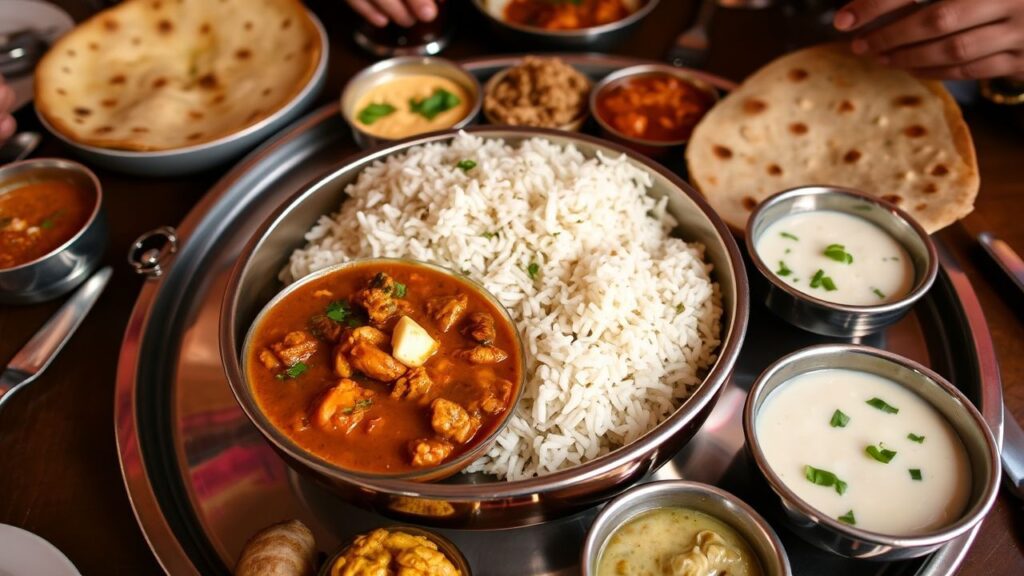
Finally, the serving temperature and accompaniments can greatly enhance the Palak Paneer experience. It is best served hot, allowing the aromas to fully bloom. Traditionally, it is enjoyed with Indian breads like naan, roti, or paratha, which are perfect for scooping up the rich gravy. It also pairs beautifully with fluffy basmati rice, allowing the vibrant green of the curry to stand out against the pearly white grains. A dollop of plain yogurt or a side of pickled onions can offer a refreshing contrast to the richness of the dish. These thoughtful pairings complete the culinary narrative, making Palak Paneer a truly satisfying and memorable meal.
Frequently Asked Questions about Palak Paneer
Is it possible to make Palak Paneer vegan?
Absolutely. To create a vegan version of Palak Paneer, you would substitute the paneer with firm tofu. Press the tofu well to remove excess water, then cut it into cubes and pan-fry or bake it until golden brown. For the richness and creaminess typically provided by dairy cream, you can use full-fat coconut milk or a cashew cream (made by blending soaked cashews with a little water). Ensure all other ingredients are plant-based, and you’ll have a delicious vegan Palak Paneer that captures the essence of the original dish.
What are the best ways to store and reheat Palak Paneer?
Palak Paneer can be stored in an airtight container in the refrigerator for up to 3-4 days. When reheating, it’s best to do so gently over low to medium heat on the stovetop. Add a splash of water or vegetable broth if the curry seems too thick, as spinach can absorb liquid over time. Avoid reheating in the microwave for extended periods, as this can sometimes affect the texture of the spinach and paneer. For best results, stir occasionally to ensure even heating.
Can I use frozen spinach instead of fresh for Palak Paneer?
Yes, you can use frozen spinach, although fresh spinach is generally preferred for its vibrant colour and cleaner flavour. If using frozen spinach, ensure it’s thawed completely and squeezed thoroughly to remove as much water as possible. This is crucial, as excess water can dilute the flavour and make the curry too thin. You might find that the colour of the final dish is slightly less vibrant when using frozen spinach compared to fresh. When sautéing the aromatics, you can add the thawed and squeezed spinach directly after the tomatoes and cook it down until it’s well combined before pureeing.
See also: Palak Paneer