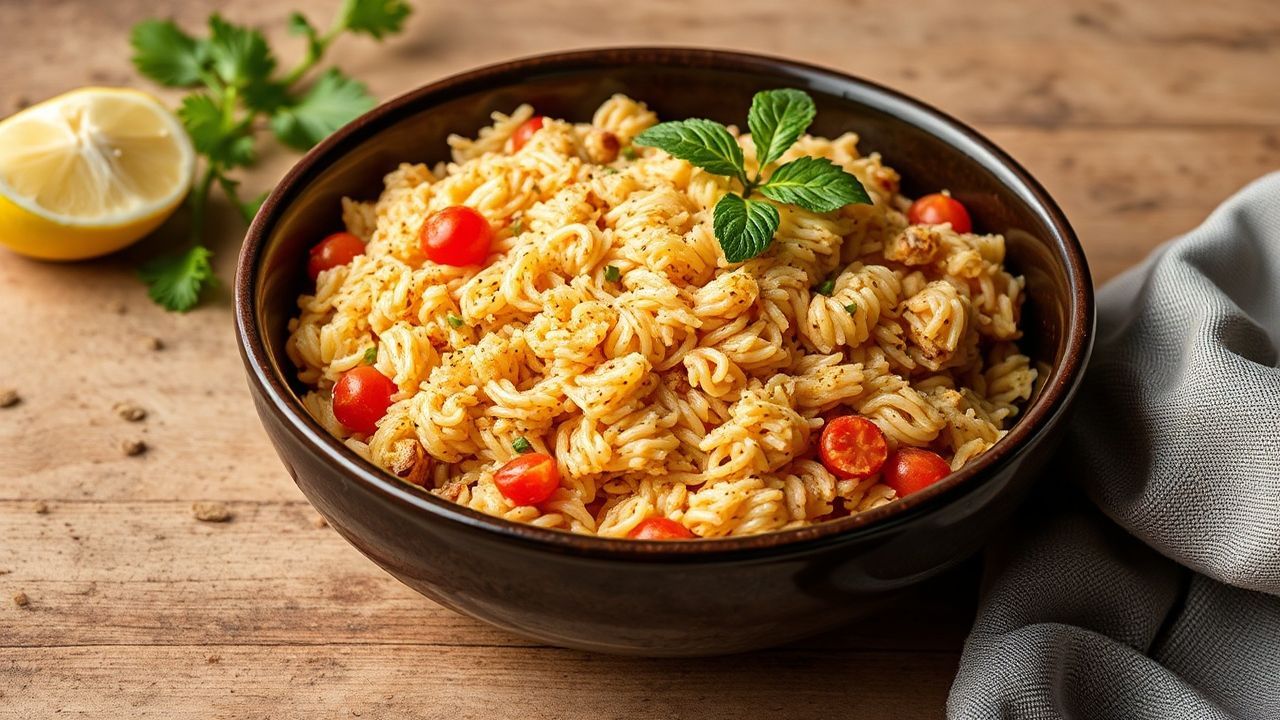

The humble bowl of Lebanese rice, often served alongside a rich stew or as a standalone delight, is far more than mere sustenance; it’s a cornerstone of Lebanese cuisine, a symbol of hospitality, and proof of the power of simple ingredients transformed through practiced technique. Many home cooks approach this dish with a sense of trepidation, fearing a sticky, mushy result that betrays the elegant simplicity it should embody. However, the true secret lies not in arcane knowledge, but in understanding the subtle interplay of proportions, heat, and patience. My own early attempts, like many, were marred by undercooked grains or an unappealing paste. It was only after extensive immersion in Lebanese kitchens, observing the meticulous yet seemingly effortless methods of grandmothers and seasoned chefs, that I began to grasp the nuances that elevate this staple from ordinary to extraordinary.
- The Foundational Principles of Fluffy Lebanese Rice
- Ingredients: The Anatomy of Authentic Flavor
- The Masterful Method: Step-by-Step to Fluffy Perfection
- Step 1: Rice Preparation – The Foundation of Fluffiness
- Step 2: Toasting the Vermicelli – Unlocking Nutty Aromas
- Step 3: Combining and Initial Cooking – The Marriage of Grains
- Step 4: The Simmer – Controlled Transformation
- Step 5: The Rest – The Secret to Perfect Texture
- Step 6: Fluffing and Serving – The Grand Finale
- Nutritional Insights: Beyond the Flavor
- Elevating Your Lebanese Rice: Expert Pro-Tips
- The Rinse: A Non-Negotiable Ritual
- The Toasting Nuance: Color is Key
- The Liquid Ratio: Precision is Power
- The Steam Seal: Trapping the Magic
- Common Pitfalls and How to Avoid Them
- Frequently Asked Questions
The pursuit of perfect Lebanese rice is a journey of controlled simplicity, where each grain tells a story of tradition and taste.
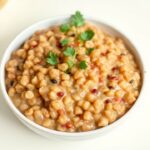
This foundational dish, known colloquially as *Roz bi Shairieh*, is a canvas for flavor, a comforting presence on any table. Its ubiquity in Lebanese households speaks volumes about its appeal, transcending social strata and occasion. It’s the quiet hero of a mezze spread, the steadfast companion to a hearty *Dawood Basha*, and a welcome guest at any celebratory feast. Achieving that signature fluffy, separate-grain texture, infused with the nutty aroma of toasted vermicelli, is an art form accessible to anyone willing to pay attention to the details. Forget the notion that it’s a complicated affair; the mastery lies in embracing a few core principles that unlock its full potential.
The Foundational Principles of Fluffy Lebanese Rice
Lebanese rice, at its heart, is about achieving a delicate balance. The core components are rice, vermicelli, fat (typically butter or oil), and water. However, the devil, as they say, is in the details. The type of rice used is paramount. While long-grain white rice like Basmati is a common choice in many Western kitchens for its fluffy properties, traditional Lebanese rice often utilizes medium-grain varieties, or a blend, to achieve a particular tenderness without becoming clumpy. The key is to select a rice that has a moderate starch content, allowing for separation while still offering a pleasing chew.
Lebanese Resistance Regiments — Wikipedia
The vermicelli, a thin strand of pasta, matter significantly not just in flavor but in texture. When toasted to a golden brown, it imparts a subtle, nutty depth and a visual appeal. The ratio of vermicelli to rice is a matter of personal preference, but a well-balanced dish will have enough vermicelli to be noticeable without overpowering the rice. The toasting process itself requires careful attention; burnt vermicelli will introduce a bitter note, a culinary misstep that can ruin the entire dish. The fat used – often a combination of butter and olive oil for a rich yet light flavor profile – is essential for coating the grains, preventing them from sticking together, and facilitating even cooking.
Finally, the cooking liquid and method are critical. The absorption rate of the rice, the temperature of the liquid, and the duration of simmering all contribute to the final outcome. Overcooking leads to mushiness, while undercooking results in hard, unpalatable grains. The gentle steaming process after the initial boil is where the magic truly happens, allowing the rice to finish cooking and the flavors to meld harmoniously. Understanding these foundational elements provides the bedrock for culinary success.
Ingredients: The Anatomy of Authentic Flavor
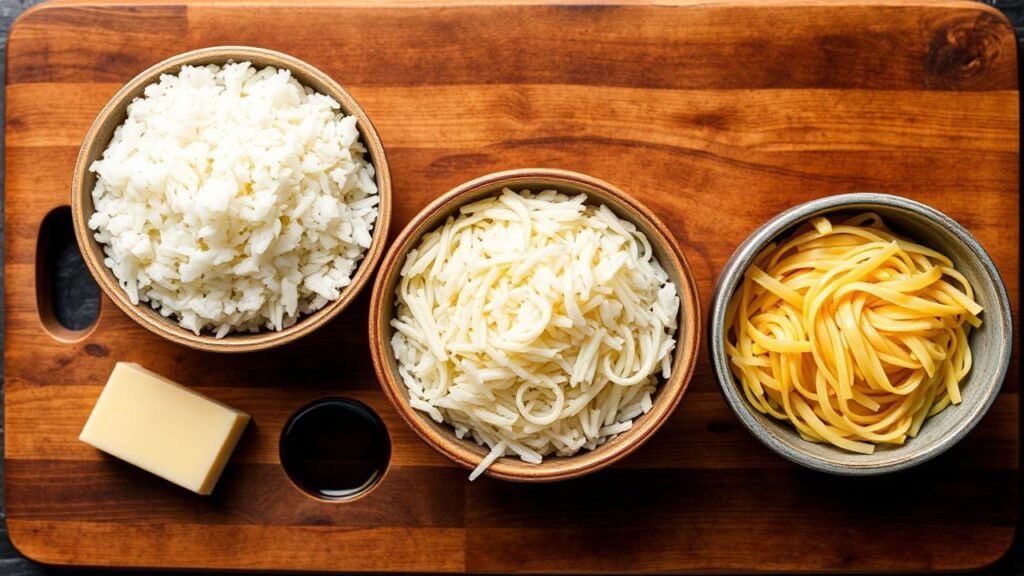
The beauty of Lebanese rice lies in its simplicity, relying on a few high-quality ingredients to create a profound depth of flavor. Precision in measurement is crucial for consistent results, especially when mastering the technique.
For the Perfect Batch (Serves 4-6)
- 2 cups (approx. 400g) Medium-grain white rice (like Calrose or a Lebanese blend), thoroughly rinsed until water runs clear
- 1/2 cup (approx. 50g) Fine vermicelli pasta, broken into small pieces (about 1-2 cm long)
- 2 tablespoons Unsalted butter
- 1 tablespoon Olive oil (optional, for added richness and flavor)
- 3 cups (approx. 700ml) Hot water or chicken/vegetable broth
- 1 teaspoon Salt, or to taste
- 1/4 teaspoon Black pepper (optional, for a subtle warmth)
Expert Notes on Ingredients:
The rinsing of the rice is non-negotiable. It removes excess surface starch, which is the primary culprit behind gummy rice. Aim to rinse until the water is crystal clear. The type of vermicelli matters; standard spaghetti broken into pieces will not yield the same delicate texture as dedicated vermicelli pasta. For an elevated flavor, using a good quality chicken or vegetable broth instead of water can significantly enhance the dish’s complexity.
The Masterful Method: Step-by-Step to Fluffy Perfection
Achieving restaurant-quality Lebanese rice at home is an achievable goal with a methodical approach. Each step, from rinsing to resting, contributes to the final, glorious outcome.
Step 1: Rice Preparation – The Foundation of Fluffiness
Place the rinsed rice in a fine-mesh sieve. Rinse under cold running water, agitating the grains gently with your fingers. Continue rinsing until the water runs completely clear. This process is critical for removing excess starch. Drain the rice thoroughly, allowing it to sit in the sieve for at least 10-15 minutes to remove as much moisture as possible. This drying phase is often overlooked but is vital for preventing clumping.
Step 2: Toasting the Vermicelli – Unlocking Nutty Aromas
In a heavy-bottomed saucepan or Dutch oven, melt the butter (and olive oil, if using) over medium heat. Add the broken vermicelli pieces. Stir constantly, ensuring the vermicelli toasts evenly. This process should take about 3-5 minutes. You are looking for a uniform golden-brown color, reminiscent of toasted almonds. Be vigilant; vermicelli can go from perfectly toasted to burnt in a matter of seconds. Remove the pan from the heat immediately once the desired color is achieved.
Step 3: Combining and Initial Cooking – The Marriage of Grains
Add the drained rice to the saucepan with the toasted vermicelli. Stir gently to coat the rice grains with the butter and vermicelli. Cook for another 1-2 minutes over medium heat, stirring occasionally, allowing the rice to toast slightly and absorb some of the fat. This further enhances flavor and helps the grains remain separate. Pour in the hot water or broth and add the salt (and pepper, if using). Stir once to combine.
Step 4: The Simmer – Controlled Transformation
Bring the liquid to a rolling boil. Once boiling, immediately reduce the heat to the lowest possible setting. Cover the saucepan tightly with a well-fitting lid. If your lid doesn’t seal perfectly, you can place a piece of parchment paper or a clean kitchen towel between the pot and the lid to create a better seal. Let the rice simmer gently for 15-18 minutes. Resist the urge to lift the lid during this crucial period, as it releases steam and disrupts the cooking process.
Step 5: The Rest – The Secret to Perfect Texture
After 15-18 minutes, remove the saucepan from the heat. Keep the lid on tightly. Let the rice rest, undisturbed, for at least 10-15 minutes. This resting period is arguably the most important step. It allows the residual steam to evenly distribute throughout the rice, finishing the cooking process and ensuring each grain is tender and separate. Lifting the lid too soon will result in undercooked rice or a gummy texture.
Step 6: Fluffing and Serving – The Grand Finale
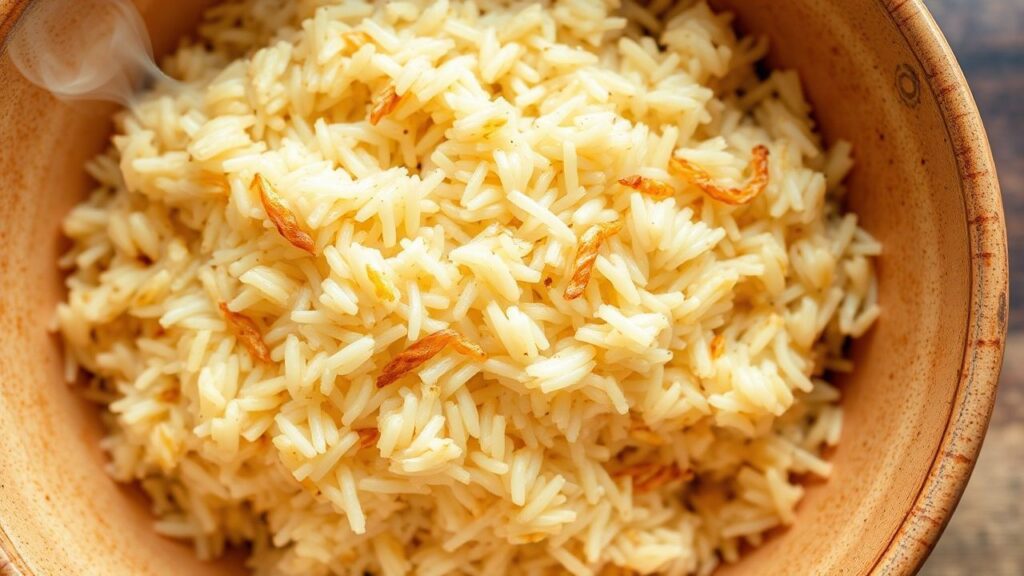
After resting, remove the lid. Use a fork to gently fluff the rice, separating the grains and distributing the toasted vermicelli evenly. Serve immediately as a side dish to stews, grilled meats, or vegetables. The aroma should be nutty, the texture light and fluffy, with distinct, tender grains.
Nutritional Insights: Beyond the Flavor
While Lebanese rice is celebrated for its comforting taste and texture, understanding its nutritional profile offers further appreciation for this staple. A typical serving of *Roz bi Shairieh*, when prepared with the classic proportions and ingredients, provides a good source of carbohydrates for energy.
A serving (approximately 1 cup cooked) of traditional Lebanese rice with vermicelli typically contains:
- Calories: 200-250 kcal (depending on fat content)
- Carbohydrates: 40-50g
- Protein: 4-6g
- Fat: 5-10g (primarily from butter/oil)
- Fiber: 1-2g (can increase if using brown rice variations)
Keep in mind that these are approximate values and can vary based on the specific types of rice and vermicelli used, as well as the amount of fat incorporated during preparation. For instance, using olive oil instead of butter can contribute healthier monounsaturated fats. Incorporating whole grains or additional vegetables can further enhance the nutritional density. Research published by the Harvard T.H. Chan School of Public Health emphasizes the importance of choosing complex carbohydrates, and while white rice is a refined grain, its role in traditional diets, particularly when paired with protein and fiber from accompanying dishes, remains significant.
Elevating Your Lebanese Rice: Expert Pro-Tips
To transform your *Roz bi Shairieh* from merely good to truly exceptional, consider these seasoned chef’s insights. These subtle adjustments and techniques can elevate the dish to a professional standard, impressing even the most discerning palates.
The Rinse: A Non-Negotiable Ritual
I cannot stress this enough: thorough rinsing is paramount. The goal is to wash away the excess surface starch that causes rice to clump and become gluey. Think of it as preparing the rice grains for an independent existence, ready to mingle harmoniously without clinging too tightly. I often find that rinsing under cold water until the water is completely clear, followed by a thorough draining, is the most effective method. Some chefs even advocate for a brief soak, but the rinsing method, when done diligently, is usually sufficient for most medium-grain rice varieties.
The Toasting Nuance: Color is Key
The color of your vermicelli is your guide. A pale yellow vermicelli will offer little in terms of flavor or visual appeal. Conversely, dark brown or black vermicelli is a sign of burning and will impart a bitter, unpleasant taste. You are aiming for a beautiful, even golden-brown hue, akin to the color of toasted hazelnuts or light caramel. This requires constant attention and medium heat. If you are using a gas stove, the flame should be just licking the bottom of the pan. Electric stoves might require a slightly lower setting to prevent scorching.
The Liquid Ratio: Precision is Power
The standard ratio of 1:1.5 (rice to liquid) is a good starting point for medium-grain rice. However, this can vary slightly depending on the moisture content of your rice and the type of grain. If you find your rice consistently comes out too wet, slightly reduce the liquid. If it’s too dry, increase it by a tablespoon or two. Using hot liquid speeds up the cooking process and helps the rice cook more evenly. For an added layer of flavor, consider using a good quality chicken or vegetable broth, but ensure it’s not overly salted, as you will be adding salt separately.
The Steam Seal: Trapping the Magic
A tightly fitting lid is non-negotiable for the simmering and resting stages. If your lid has a steam vent, consider covering it with a piece of aluminum foil or a small kitchen towel before placing the lid on. This ensures that the precious steam, which cooks the rice thoroughly and makes it fluffy, is trapped within the pot. The resting period is as important as the cooking period itself. It allows the grains to absorb any remaining moisture and firm up, preventing sogginess.
Common Pitfalls and How to Avoid Them
Even with the best intentions, certain culinary missteps can lead to less-than-ideal results when preparing Lebanese rice. Forewarned is forearmed, as the saying goes.
The Gummy Rice Trap
This is the most common adversary. It stems from insufficient rinsing of the rice, leading to an excess of starch. The starch molecules swell and release during cooking, creating a sticky, cohesive mass. The solution, as detailed above, is rigorous rinsing until the water runs clear, followed by thorough draining. Over-stirring during the cooking process can also break down the grains and release starch, so limit stirring to only when absolutely necessary.
The Burnt Vermicelli Blunder
As mentioned, vermicelli can turn from golden to bitter in an instant. The key is constant vigilance and medium heat. If you are new to this, it might be helpful to toast the vermicelli in a separate small pan until it reaches the desired color, then add it to the main cooking pot. This allows for more controlled toasting. Always err on the side of slightly lighter than too dark. The residual heat in the pan will continue to toast it slightly even after it’s removed from the heat.
The Under-Steamed Syndrome
Lifting the lid too early is a frequent mistake. The steam trapped inside is the catalyst for the final fluffy texture. During the 15-18 minutes of simmering and the subsequent 10-15 minutes of resting, the rice is actively cooking and absorbing moisture. Opening the lid prematurely releases this vital steam, leaving you with undercooked or unevenly cooked rice. Trust the process and resist the temptation to peek.
Frequently Asked Questions
H3: What type of rice is best for Lebanese rice?
Medium-grain white rice is traditionally preferred for Lebanese rice with vermicelli. Varieties like Calrose are excellent choices. They offer a balance of tenderness and structure, preventing the rice from becoming too mushy or too dry. While long-grain rice like Basmati can be used, it may result in a slightly different texture, often more separate but potentially less tender.
H3: Can I make Lebanese rice ahead of time?
Yes, Lebanese rice can be made ahead of time. Once cooked and fluffed, let it cool completely before storing it in an airtight container in the refrigerator for up to 2-3 days. Reheat gently on the stovetop with a splash of water or broth, or in the microwave, stirring occasionally to ensure even heating and to restore its fluffy texture.
H3: What can I serve with Lebanese rice?
Lebanese rice is incredibly versatile and pairs wonderfully with a wide array of dishes. It is a classic accompaniment to stews such as Dawood Basha (meatballs in tomato sauce), Fasolia (green beans in tomato sauce), or various lentil dishes. It also complements grilled meats, chicken, fish, and a selection of mezze items like hummus, tabbouleh, and falafel.
H3: How do I ensure the vermicelli is perfectly toasted and not burnt?
The key is constant stirring over medium heat. Watch the color closely; it should turn a uniform golden-brown. If you notice some strands browning faster than others, gently stir them to the edges of the pan and bring the lighter strands to the center. Remove from heat the moment it reaches your desired color, as it will continue to toast slightly from residual heat.
H3: Can I use brown rice instead of white rice for Lebanese rice?
While traditional Lebanese rice is made with white rice, you can experiment with brown rice for a healthier option. However, be aware that brown rice has a longer cooking time and a chewier texture. You will likely need to adjust the liquid ratio and cooking time, and the toasting of the vermicelli might also require a slightly different approach to prevent burning before the rice is cooked.
See also: Lebanese rice