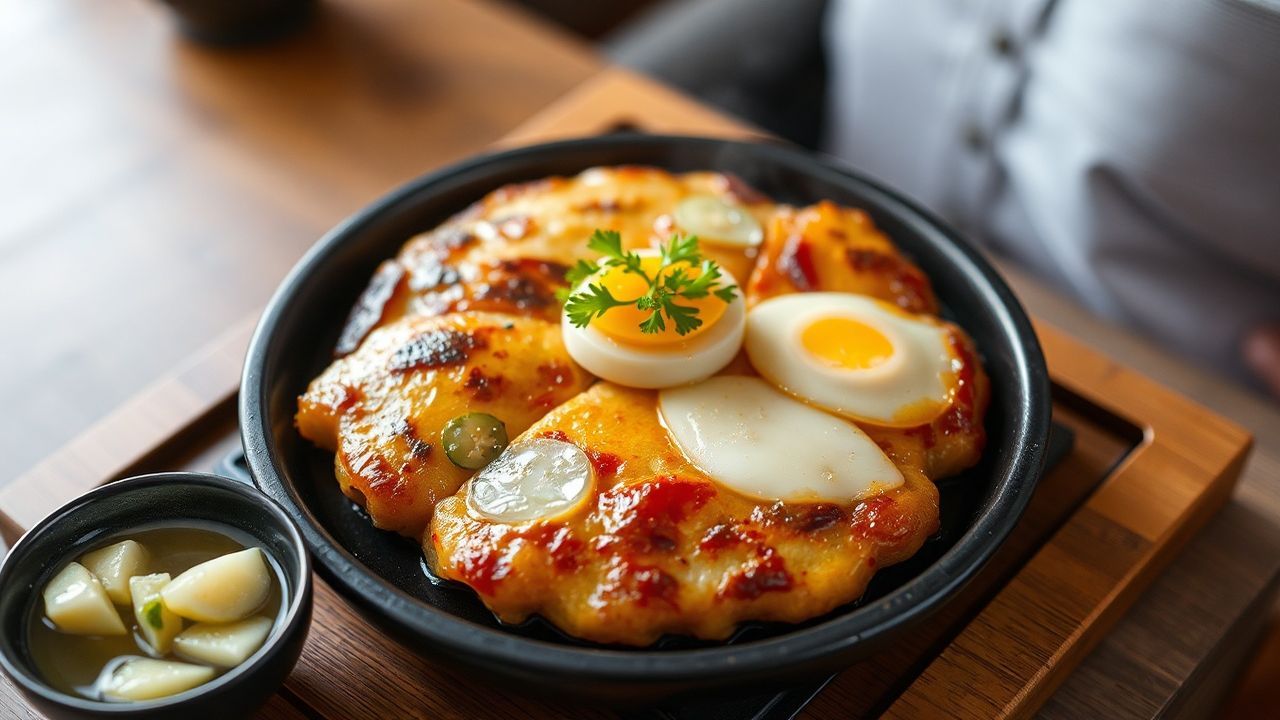

Okonomiyaki, a dish as delightful in its name as it is in its taste, translates roughly to “grilled as you like it.” This simple yet profound statement encapsulates the very essence of this beloved Japanese savory pancake. It’s a culinary canvas, a humble street food that has ascended to the pantheon of national treasures, each region and household boasting its own cherished variation. Far from being a mere pancake, okonomiyaki is proof of resourcefulness, a symphony of textures and flavors that can be as complex or as straightforward as the cook desires.
Key Takeaways:
- Okonomiyaki is a highly customizable Japanese savory pancake, celebrated for its versatility and regional variations.
- The dish’s foundation lies in a simple batter of flour, egg, and dashi, enriched with shredded cabbage and various fillings.
- Mastering okonomiyaki involves understanding the interplay of batter consistency, cooking technique, and the art of balancing toppings.
- It represents a unique fusion of accessibility, comfort, and culinary expression, embodying the spirit of “grilled as you like it.”
The story of okonomiyaki often begins in the bustling streets of Osaka or the refined kitchens of Hiroshima, cities inextricably linked to its culinary identity. Its origins are somewhat debated, with some tracing its lineage back to similar batter-based dishes from the Edo period, while others pinpoint its modern form to the post-war era, a period of scarcity where resourceful cooks transformed simple ingredients into something deeply satisfying. The very act of preparing okonomiyaki, often at the table on a teppan grill, fosters a sense of communal enjoyment and shared culinary creation. It’s a dish that invites participation, transforming the act of eating into an interactive experience.
The Anatomy of an Okonomiyaki: Understanding its Core Components
At its heart, okonomiyaki is a batter-based dish, but this description barely scratches the surface of its potential. The foundation is a simple mixture, typically comprising wheat flour, eggs, and *dashi* (Japanese soup stock), which provides a subtle umami depth. However, the real magic lies in the additions. The undisputed star ingredient, present in almost every iteration, is shredded cabbage. Its crisp texture, when cooked, offers a delightful contrast to the softer batter, and it absorbs the flavors of the other ingredients beautifully.
Beyond cabbage, the possibilities are virtually limitless. Proteins like pork belly slices, shrimp, squid, or octopus are common, adding richness and substance. For a vegetarian option, shiitake mushrooms, green onions, or even kimchi can be incorporated. The batter itself can be modified; some recipes call for grated *nagaimo* (Japanese mountain yam), which lends a uniquely airy and fluffy texture. This inherent flexibility is what makes okonomiyaki such a democratic dish, adaptable to dietary preferences, seasonal availability, and personal whims.
Regional Variations: Osaka vs. Hiroshima – A Culinary Divide
While the spirit of “as you like it” prevails, two distinct regional styles of okonomiyaki have gained national and international recognition: the Osaka-style and the Hiroshima-style. Understanding these differences is key to appreciating the breadth of this culinary phenomenon.
The Osaka-style okonomiyaki is perhaps the most widely recognized. It’s a straightforward affair where all the ingredients – the batter, shredded cabbage, chosen fillings, and sometimes *tenkasu* (crispy tempura bits) and *beni shoga* (pickled red ginger) – are mixed together in a bowl before being poured onto a hot griddle and cooked into a single, cohesive pancake. This method ensures that every bite is a harmonious blend of all the components, offering a dense yet satisfying texture. The resulting pancake is typically thick and hearty, a true comfort food that warms the soul.
In contrast, the Hiroshima-style okonomiyaki presents a more layered construction. Instead of mixing all ingredients, the batter is spread thinly onto the griddle as a base, akin to a crepe. Then, generous amounts of shredded cabbage are piled on top, followed by noodles (typically *yakisoba*), various meats or seafood, and often a fried egg. These layers are then skillfully folded and pressed together, creating a substantial, multi-textured experience. This method allows each ingredient to maintain its distinct character while contributing to the overall flavor profile, offering a more complex and visually striking presentation. The inclusion of noodles is a defining characteristic, elevating it from a simple pancake to a more substantial meal.
Crafting the Perfect Okonomiyaki: A Detailed Recipe (Osaka Style)
This recipe focuses on the ubiquitous Osaka-style okonomiyaki, a fantastic starting point for anyone new to this delightful dish. It emphasizes balance and technique, ensuring a delicious outcome.
Ingredients (Serves 2)
For the Okonomiyaki Batter:
- 150g (approx. 1 cup + 2 tbsp) all-purpose flour
- 100ml (approx. 7 tbsp) dashi stock (instant dashi granules dissolved in water are fine)
- 2 large eggs
- 1/4 tsp salt
- 1/4 tsp baking powder (optional, for extra fluffiness)
- 200g (approx. 2 cups, packed) finely shredded cabbage
- 50g (approx. 1/2 cup) tenkasu (tempura scraps)
- 2 tbsp beni shoga (pickled red ginger), finely chopped
- Green onions, finely chopped (for mixing and garnish)
For the Fillings (Choose your favorites):
- 100g (approx. 3.5 oz) thinly sliced pork belly or bacon
- Or 100g (approx. 3.5 oz) shrimp, peeled and deveined
- Or 100g (approx. 3.5 oz) squid, cleaned and thinly sliced
For the Toppings:
- Okonomiyaki sauce (store-bought is convenient, or make your own – see tips)
- Japanese mayonnaise (Kewpie is ideal)
- Aonori (dried green seaweed flakes)
- Katsuobushi (bonito flakes)
Preparation Method
1. Prepare the Batter: In a medium bowl, whisk together the flour, dashi stock, eggs, salt, and baking powder (if using) until a smooth, thick batter forms. The consistency should be like that of thick pancake batter – it should coat the back of a spoon without dripping off too quickly.
A well-balanced batter is crucial. Too thin, and your okonomiyaki will be flat and prone to breaking. Too thick, and it will be dense and gummy.
2. Incorporate the Cabbage and Mix-ins: Add the finely shredded cabbage, tenkasu, beni shoga, and a portion of the chopped green onions to the batter. Gently fold them in until just combined. Do not overmix; you want to maintain the integrity of the shredded cabbage.
This is where the “as you like it” truly begins to take shape. The tenkasu adds a delightful crispness and umami, while the beni shoga provides a zesty, pungent counterpoint that cuts through the richness.
3. Preheat the Griddle: Heat a lightly oiled griddle or large non-stick frying pan over medium-high heat. A well-seasoned cast iron griddle is ideal for achieving that perfect crispy exterior.
4. Cook the Filling (if using meat/seafood): If using pork belly or bacon, lay the slices flat on the hot griddle to render some of their fat and crisp up slightly. If using shrimp or squid, cook them briefly until they just start to turn opaque. Remove them from the griddle and set aside.
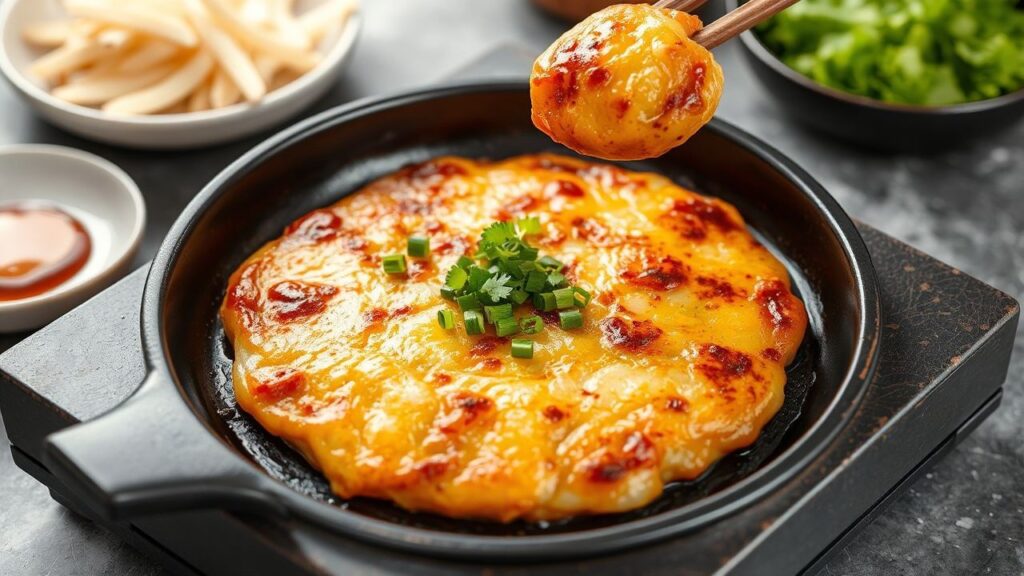
5. Form the Okonomiyaki: Spoon about half of the batter mixture onto the hot griddle, forming a round pancake approximately 1.5-2 cm (about 0.6-0.8 inches) thick. If you have pork belly or other fillings, arrange them on top of the raw batter now.
The key here is not to press down too hard on the batter as it cooks. Gentle shaping is preferred to maintain airiness.
6. Flip and Cook: Cook for about 5-7 minutes, or until the bottom is golden brown and set. Carefully slide a spatula underneath and, with a confident motion, flip the okonomiyaki.
This is often the most intimidating step for beginners. A wide, sturdy spatula is your best friend. For particularly large okonomiyaki, using two spatulas can provide better support.
7. Continue Cooking: Cook the second side for another 5-7 minutes, until golden brown and cooked through. If you added pork belly to the top, it should now be nicely crisped. Press down gently with the spatula a couple of times to ensure even cooking.
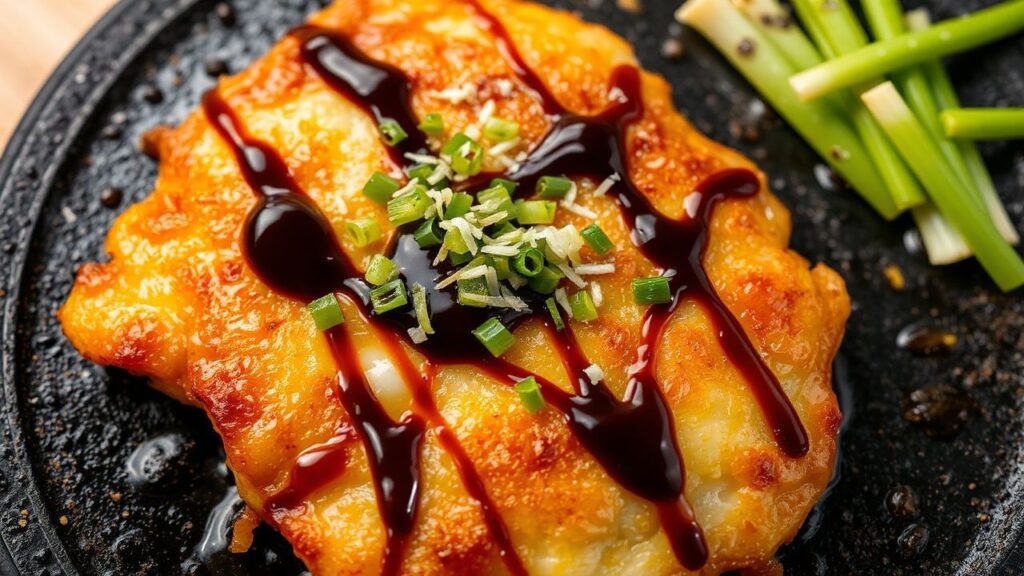
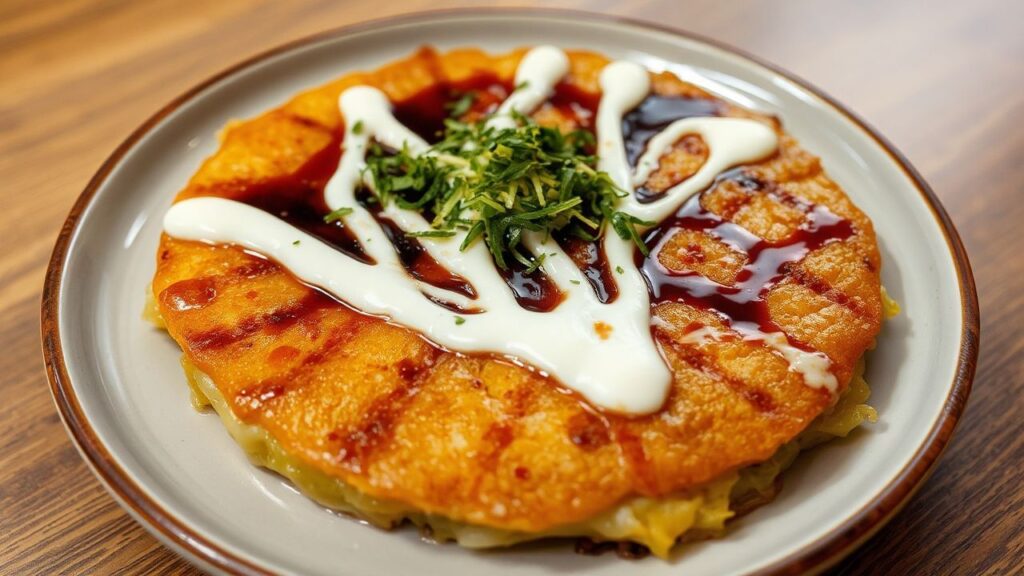
8. Add Toppings: Once cooked, transfer the okonomiyaki to a plate. Generously brush the top with okonomiyaki sauce, then drizzle with Japanese mayonnaise in a zig-zag pattern. Sprinkle with aonori and a good pinch of katsuobushi. The heat from the okonomiyaki will cause the bonito flakes to “dance,” a mesmerizing and delicious spectacle.
Nutritional Information (Per Serving – Approximate)
A single serving of Osaka-style okonomiyaki, depending on the specific fillings and toppings, can vary significantly. This estimate is for one pancake made with pork belly and standard toppings.
- Calories: 450-650 kcal
- Protein: 15-25g
- Fat: 20-35g (can be higher with fatty pork or generous mayo)
- Carbohydrates: 40-60g
- Fiber: 3-5g
- Sodium: Varies greatly based on sauce and dashi used.
Elevating Your Okonomiyaki: Pro Tips for Restaurant-Quality Results
Achieving that perfect balance of textures and flavors, the hallmark of exceptional okonomiyaki, requires a few nuanced techniques.
- The Cabbage Matters: The fineness of your cabbage shred is paramount. Aim for thin, uniform shreds that will soften beautifully without becoming mushy. A mandoline slicer is invaluable here. Also, consider using a mix of cabbage and finely chopped *nagaimo* for an exceptionally light and fluffy interior.
- Dashi is Key: While water can be used, good quality dashi stock imparts a subtle but crucial layer of umami that elevates the entire dish. You can buy instant dashi powder or make your own from *kombu* (kelp) and *katsuobushi*.
- The Sauce Symphony: Store-bought okonomiyaki sauce is readily available and convenient, but for the truly dedicated, making your own offers unparalleled control. A basic homemade sauce can be created by mixing Worcestershire sauce, ketchup, oyster sauce, and a touch of sugar. Adjusting these ratios allows you to tailor the sweetness, tanginess, and depth of flavor.
- The Mayo Art: Japanese mayonnaise, particularly Kewpie, is distinctively rich and tangy due to its use of egg yolks and rice vinegar. Its creamy texture and sharp flavor are indispensable. Don’t be shy with the drizzle, but aim for an artistic presentation – fine lines or a crosshatch pattern are visually appealing.
- The Dance of the Bonito: The katsuobushi flakes are not just for show. As they heat up, they release a smoky, oceanic aroma and a subtle umami flavor that is integral to the okonomiyaki experience. Ensure they are fresh for the best effect.
The Enduring Appeal of Okonomiyaki
Okonomiyaki is more than just a meal; it’s an experience. It embodies the Japanese concept of *mottainai* – a sense of regret concerning waste – by transforming humble ingredients into a feast. Its adaptability makes it a dish for all seasons and all people, proof of the power of simple ingredients combined with thoughtful preparation. Whether you’re in Osaka, Hiroshima, or your own kitchen, the journey of making and savoring okonomiyaki is a deeply rewarding culinary adventure. It’s a dish that invites you to play, experiment, and ultimately, to grill it just as you like it.
Frequently Asked Questions about Okonomiyaki
What are the essential ingredients for a basic Okonomiyaki?
The absolute essentials for a basic Osaka-style okonomiyaki are all-purpose flour, eggs, dashi stock (or water), and a generous amount of shredded cabbage. These form the core batter. For toppings, okonomiyaki sauce, Japanese mayonnaise, aonori (seaweed flakes), and katsuobushi (bonito flakes) are standard and transformative.
Can I make Okonomiyaki without pork belly?
Absolutely! Okonomiyaki is incredibly versatile. You can easily make it vegetarian by omitting the pork and focusing on vegetables like shiitake mushrooms, corn, peas, or bell peppers. For a protein boost, consider adding shrimp, squid, octopus, chicken, or even firm tofu. For a heartier vegetarian option, stir-fried kimchi can add a fantastic spicy and tangy element.
What is the difference between okonomiyaki sauce and Worcestershire sauce?
While okonomiyaki sauce shares some similarities with Worcestershire sauce, it is distinct. Okonomiyaki sauce is typically thicker, sweeter, and has a more complex, fruity, and umami-rich flavor profile. It often contains ingredients like dates, apples, and spices, in addition to the base of Worcestershire sauce, vinegar, and sugar. Worcestershire sauce, while a component in many okonomiyaki sauce recipes, is generally more vinegary and savory, with a distinct anchovy note.
See also: Okonomiyaki