
The Enduring Enigma of General Tso’s: More Than Just a Sauce
Let us dispense with the notion that General Tso’s chicken is a monolithic entity, a predictable sweet-and-sour confection found in every strip mall eatery across the globe. This is a profound culinary misapprehension. The dish, as it is commonly understood in the West, is a far cry from its more nuanced, albeit still debated, origins. To truly appreciate General Tso’s, one must first acknowledge its fascinating, and indeed, somewhat manufactured, lineage. It’s a dish born not in the ancient kitchens of Hunan province, but rather in the American imagination, proof of the adaptive brilliance of Chinese-American cuisine.
- The Enduring Enigma of General Tso’s: More Than Just a Sauce
- Deconstructing the Essence: What Truly Defines General Tso’s?
- The Quest for Perfection: Crafting Authentic General Tso’s at Home
- Nutritional Information: A Matter of Moderation
- Elevating Your General Tso’s: Expert Pro-Tips
- Frequently Asked Questions About General Tso’s Chicken
At a Glance: Key Insights into General Tso’s Chicken
- The dish’s popularization is largely credited to Chef T.T. Wang in New York City in the 1970s, not its namesake Hunanese general.
- Authentic preparation involves a complex interplay of textures and balanced flavors, moving beyond mere sweetness.
- Achieving restaurant-quality General Tso’s at home hinges on precise marination, battering techniques, and sauce emulsification.
- Understanding the subtle regional variations and ingredient quality is crucial for an elevated experience.
The narrative of General Tso’s chicken is, in itself, a compelling story of cultural fusion and culinary adaptation. While the dish bears the name of Zuo Zongtang, a prominent military leader of the late Qing Dynasty, there is scant evidence linking him to this particular culinary creation. The modern iteration, the one that has captured the palates of millions, was largely developed and popularized by Chef T.T. Wang in New York City during the 1970s. Wang, originally from Hunan, is credited with adapting traditional Hunanese flavors – known for their spicy and savory profiles – to suit American tastes, which often favored a sweeter, less intensely spiced profile. This adaptation, while initially a pragmatic response to market demand, has inadvertently created a dish that has become a global phenomenon, often eclipsing the complexities of its regional inspirations.
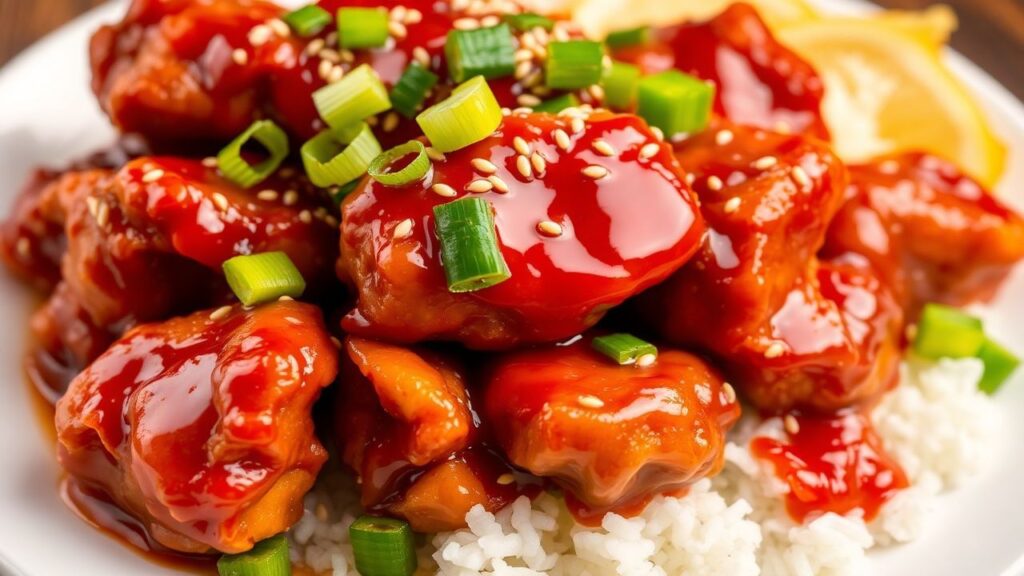
Deconstructing the Essence: What Truly Defines General Tso’s?
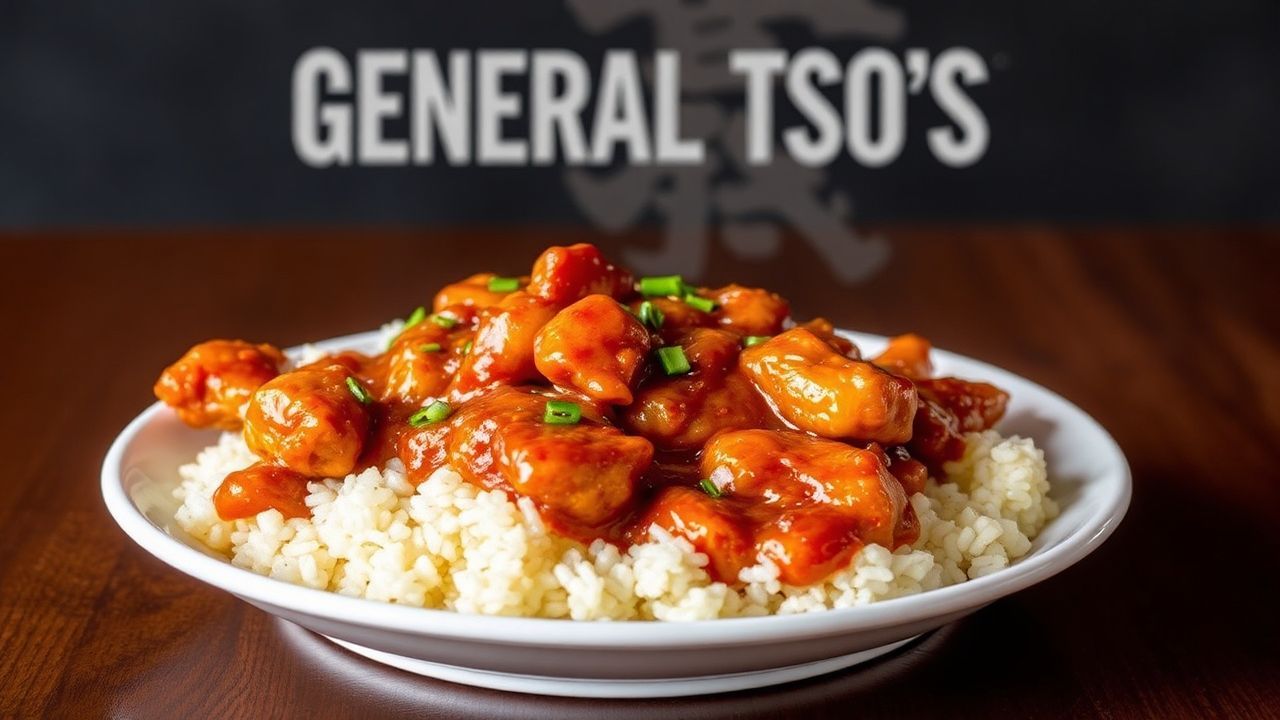
The quintessential General Tso’s chicken is characterized by a delicate balance: the initial crispness of the fried chicken, the tender, succulent interior, and a sauce that is neither overwhelmingly sweet nor cloyingly sticky. It’s a masterful interplay of textures and tastes. The sauce, often a vibrant, deep reddish-brown, should possess a complex flavor profile that includes notes of savory, slightly tangy, and a whisper of heat, rather than just a singular sweetness. This complexity is achieved through a careful layering of ingredients, a far cry from the often one-dimensional sauces found in less refined versions.
At its heart, the dish is a celebration of the “wok hei” – the breath of the wok – that imparts a subtle smokiness and depth to stir-fried dishes. While a true wok hei is difficult to replicate on a standard stovetop, the principles behind achieving it – high heat, rapid cooking, and the caramelization of ingredients – are paramount. The chicken itself is typically cut into bite-sized pieces, marinated to tenderize and infuse flavor, then coated in a light batter before being fried to a perfect golden crisp. This multi-step process is what elevates it from mere fried chicken to a culinary experience.
The Quest for Perfection: Crafting Authentic General Tso’s at Home
To move beyond the ubiquitous takeout version and recreate the sublime experience of a truly exceptional General Tso’s chicken, meticulous attention to detail is required. This isn’t a dish to be rushed; rather, it’s a process that rewards patience and precision. The ingredients, the marination, the batter, and the sauce all play critical roles in the final outcome. Each component must be executed with care to achieve the desired symphony of flavors and textures.
Ingredients: The Foundation of Flavor
The quality of your ingredients will directly impact the final dish. For the chicken, opt for boneless, skinless chicken thighs. Their higher fat content ensures a more succulent and forgiving result compared to chicken breast, which can easily become dry. The marinade is where the initial flavor infusion begins, and it’s crucial for tenderizing the meat.
For the Chicken and Marinade:
- 500g (about 1.1 lbs) boneless, skinless chicken thighs, cut into 1.5-inch pieces
- 2 tablespoons soy sauce
- 1 tablespoon Shaoxing wine (or dry sherry)
- 1 teaspoon sesame oil
- 1 teaspoon cornstarch
- 1/2 teaspoon white pepper
For the Batter:
- 100g (about 3/4 cup) all-purpose flour
- 50g (about 1/3 cup) cornstarch
- 1/2 teaspoon baking powder
- 1/4 teaspoon salt
- 150ml (about 2/3 cup) cold water (adjust for consistency)
- 1 egg, lightly beaten
For the Sauce:
- 2 tablespoons vegetable oil
- 2-3 cloves garlic, minced
- 1 inch ginger, minced
- 2 tablespoons soy sauce
- 2 tablespoons Chinkiang vinegar (or rice vinegar)
- 3 tablespoons granulated sugar
- 1 tablespoon ketchup
- 1 teaspoon chili bean paste (Doubanjiang) or Sriracha (optional, for heat)
- 1 tablespoon Shaoxing wine (or dry sherry)
- 1 teaspoon cornstarch mixed with 2 tablespoons water (slurry)
For Frying and Garnish:
- Vegetable oil, for deep frying (about 4-6 cups)
- 2 green onions, thinly sliced (white and green parts separated)
- 1 tablespoon toasted sesame seeds
Preparation Method: A Symphony of Steps
This is where the magic happens. Each step, from marination to the final toss in sauce, contributes to the dish’s overall character. Patience and adherence to technique will yield superior results.
- Marinate the Chicken: In a medium bowl, combine the chicken pieces with soy sauce, Shaoxing wine, sesame oil, cornstarch, and white pepper. Mix thoroughly to ensure each piece is coated. Cover and refrigerate for at least 30 minutes, or up to 2 hours. The cornstarch in the marinade helps create a tender texture and aids in browning.
- Prepare the Batter: While the chicken marinates, whisk together the all-purpose flour, cornstarch, baking powder, and salt in a separate bowl. In another small bowl, whisk the egg and cold water. Gradually add the wet ingredients to the dry ingredients, whisking until a smooth, thick batter forms. It should be thick enough to coat the back of a spoon but not so thick that it becomes gummy. Adjust with a little more water or flour if necessary.
- Fry the Chicken: Heat about 2-3 inches of vegetable oil in a wok or deep, heavy-bottomed pot to 350°F (175°C). Test the oil temperature by dropping a tiny bit of batter; it should sizzle and float to the surface immediately. Working in batches to avoid overcrowding the pot, dip each marinated chicken piece into the batter, ensuring it’s fully coated. Carefully place the battered chicken into the hot oil. Fry for 4-6 minutes, or until golden brown and cooked through. Use a slotted spoon or spider strainer to remove the chicken and place it on a wire rack set over a baking sheet to drain excess oil. Allow the oil to reheat to 375°F (190°C) for a second fry, which will further crisp the chicken. Fry each batch again for 1-2 minutes until extra crispy.
- Make the Sauce: In a clean wok or large skillet, heat 2 tablespoons of vegetable oil over medium heat. Add the minced garlic and ginger and stir-fry until fragrant, about 30 seconds. Be careful not to burn them.
- Build the Sauce Flavor: Add the soy sauce, Chinkiang vinegar, sugar, ketchup, chili bean paste (if using), and Shaoxing wine to the wok. Stir well to combine and bring to a simmer. Cook for 1-2 minutes, allowing the flavors to meld and the sugar to dissolve.
- Thicken the Sauce: Whisk the cornstarch slurry again to ensure it’s smooth, then slowly pour it into the simmering sauce while stirring constantly. Continue to stir until the sauce thickens to a glossy, coating consistency. It should be thick enough to cling to the chicken without being gloopy.
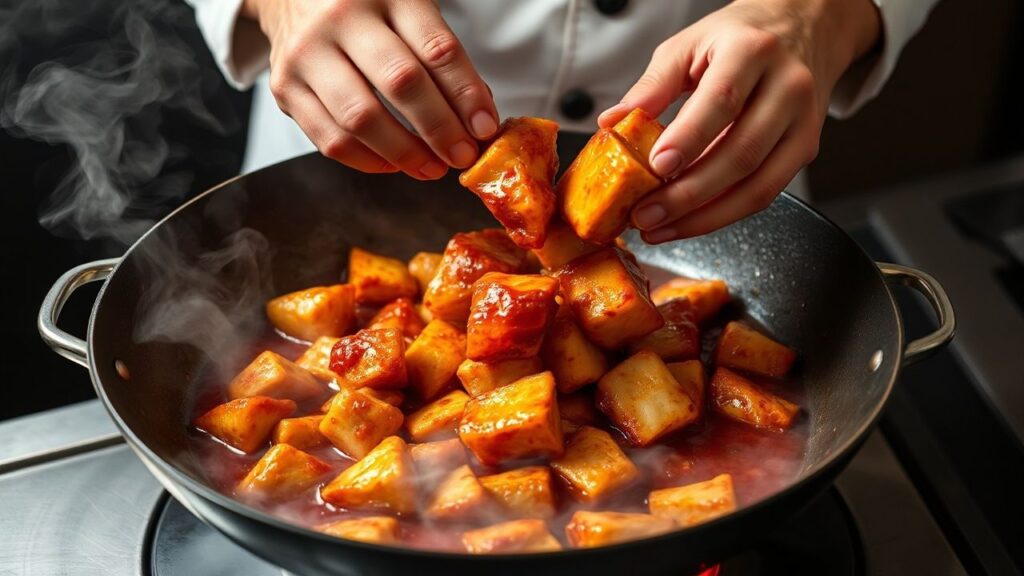
- Combine and Serve: Add the fried chicken pieces to the thickened sauce. Gently toss to coat each piece evenly. Add the white parts of the sliced green onions and toss for another 30 seconds.
- Garnish and Enjoy: Transfer the General Tso’s chicken to a serving platter. Garnish with the green parts of the sliced green onions and toasted sesame seeds. Serve immediately with steamed rice.
The double-frying technique is crucial for achieving that signature shatteringly crisp exterior that can withstand the sauce. This method is a cornerstone of many beloved Chinese-American dishes, ensuring textural integrity even after saucing.
Nutritional Information: A Matter of Moderation
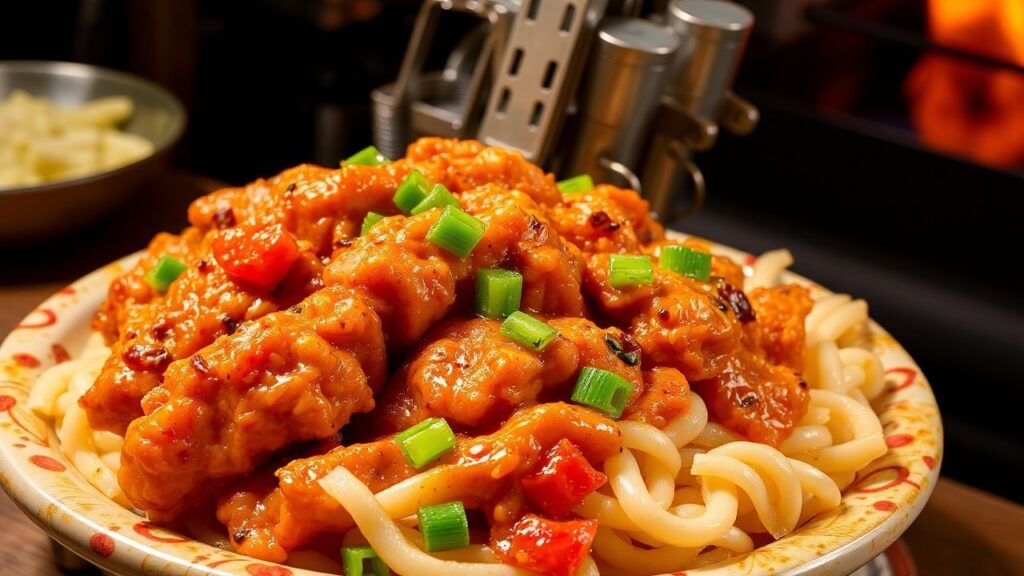
While General Tso’s chicken is a delectable indulgence, it’s important to be mindful of its nutritional profile. The deep-frying process and the sugar-rich sauce contribute to its calorie and fat content. The exact nutritional values can vary significantly based on portion size and preparation methods, but a typical serving can be quite rich.
Approximate Nutritional Information per Serving (based on 4 servings):
| Component | Amount |
|---|---|
| Calories | ~600-800 kcal |
| Protein | ~30-40g |
| Fat | ~35-50g |
| Saturated Fat | ~7-10g |
| Carbohydrates | ~40-60g |
| Sugar | ~25-40g |
| Sodium | ~800-1200mg |
This data is an estimation and can fluctuate. For precise figures, it’s advisable to calculate based on the specific ingredients and quantities used in your preparation. The high sodium content is often a concern, and can be managed by using low-sodium soy sauce where appropriate, although this can subtly alter the flavor profile.
Elevating Your General Tso’s: Expert Pro-Tips
To truly distinguish your homemade General Tso’s chicken from the ordinary, consider these expert insights. These techniques are what separate a good dish from a truly memorable one, transforming a familiar favorite into a culinary revelation.
The quality of your vinegar is another subtle but significant factor. While rice vinegar is a common substitute, Chinkiang vinegar, a dark, malted rice vinegar from China, offers a more profound depth and slight sweetness that complements the other sauce ingredients beautifully. Its complex flavor profile is a key differentiator.
Another critical element is the crispness of the chicken. Overcrowding the fryer is the cardinal sin, leading to steamed rather than fried chicken, resulting in a flabby texture. Ensuring the oil is at the correct temperature for both the initial fry and the second crisping fry is paramount. The double-fry method is non-negotiable for achieving that perfect crunch.
Consider the balance of the sauce. While sweetness is expected, it should be tempered by acidity and savoriness. A touch of ketchup provides a mild tang and color, but relying on it too heavily can make the sauce one-dimensional. The soy sauce provides the savory base, while the vinegar cuts through the richness. The optional chili bean paste or Sriracha adds a gentle warmth that awakens the palate without overwhelming the other flavors.
Finally, the emulsification of the sauce is key. The cornstarch slurry should be added gradually while stirring vigorously to create a smooth, glossy coating that adheres to the chicken. A sauce that is too thin will run off, leaving the chicken dry, while a sauce that is too thick will create a heavy, gummy texture. Achieving the perfect viscosity ensures each bite is coated in that signature flavor.
The history of General Tso’s chicken is proof of the dynamic nature of food. It’s a dish that has transcended its potentially apocryphal origins to become a beloved staple. By understanding its components and employing careful culinary techniques, one can recreate a version that honors the spirit of its creation while offering a depth of flavor and texture that far surpasses the average takeout experience.
Frequently Asked Questions About General Tso’s Chicken
Why is it called General Tso’s Chicken if he didn’t invent it?
The popularization of General Tso’s chicken in the United States is largely attributed to Chef T.T. Wang, who opened his restaurant in New York City in the 1970s. While he adapted a Hunanese dish, he named it after the historical figure Zuo Zongtang (often transliterated as General Tso) to lend it a sense of gravitas and historical authenticity, appealing to diners seeking a connection to Chinese culture. There is no definitive historical record directly linking the Qing Dynasty general to this specific recipe.
What is the difference between General Tso’s Chicken and Orange Chicken?
While both are popular American-Chinese dishes featuring fried chicken coated in a sweet sauce, they differ in flavor profiles and primary ingredients. General Tso’s Chicken typically features a sauce with a balance of savory, slightly spicy, and sweet notes, often incorporating soy sauce, vinegar, and sometimes chili paste. Orange Chicken, on the other hand, is characterized by a dominant citrus flavor, primarily from orange juice and zest, and is generally sweeter and less complex than General Tso’s. The color of the sauce can also differ; General Tso’s is usually a deeper reddish-brown, while Orange Chicken is often a brighter orange hue.
Can I make General Tso’s Chicken healthier?
Yes, there are several ways to make General Tso’s Chicken healthier. You can opt for baking or air-frying the chicken instead of deep-frying to significantly reduce fat content. Using chicken breast will lower fat but requires careful cooking to avoid dryness. In the sauce, you can reduce the sugar content, use a lower-sodium soy sauce, and incorporate more ginger and garlic for flavor instead of relying solely on sugar. Adding more vegetables like broccoli or bell peppers to the dish can also increase its nutritional value and fiber content.
See also: General Tso’s