A staggering 70% of Colombians consider Ajiaco their national dish, proof of its profound cultural resonance and unparalleled comfort. This is not merely a soup; it is a culinary embrace, a vibrant tapestry woven from distinct potato varieties, succulent chicken, and the aromatic whisper of guascas, an herb whose very essence is synonymous with the soul of Bogotá. To truly understand Ajiaco is to explore the heart of Colombian identity, a journey that begins in the fertile highlands and culminates at the humble, yet profoundly satisfying, dinner table.
- The Genesis of a Colombian Classic: Ajiaco’s Storied Past
- The Anatomy of Authentic Ajiaco: Ingredients and Their Roles
- The Art of Preparation: Crafting Ajiaco with Precision
- Nutritional Snapshot of a Comforting Bowl
- Elevating Ajiaco: Expert Tips for Restaurant-Quality Results
- The Enduring Appeal of Ajiaco
- Frequently Asked Questions About Ajiaco
At a Glance: Key Takeaways on Ajiaco
- The ‘Three Potatoes’ Rule: The defining characteristic of authentic Ajiaco lies in the specific combination of three distinct potato types, each contributing a unique textural and flavor profile.
- The Indispensable Guascas: This herb is non-negotiable for a true Ajiaco experience, providing a subtle, almost peppery, and slightly medicinal aroma that elevates the soup beyond ordinary.
- Regional Nuances: While Bogotá’s Ajiaco Santafereño is the most iconic, variations exist across Colombia, showcasing regional ingredient availability and culinary traditions.
- The Ceremonial Accompaniments: The serving of Ajiaco is as important as its preparation, typically involving a symphony of capers, cream, avocado, and white rice, each playing a vital role in the complete sensory experience.
The Genesis of a Colombian Classic: Ajiaco’s Storied Past
The origins of Ajiaco are deeply rooted in the pre-Hispanic culinary traditions of the Andean region, long before the arrival of European influences. Indigenous communities cultivated a variety of potatoes, forming the bedrock of their diet. When the Spanish conquistadors arrived, they introduced ingredients like chicken and capers, which were gradually integrated into existing stews and preparations. The most significant transformation, however, came with the introduction of the herb *guascas* (Galinsoga parviflora), a native Andean plant that, when dried and added to the broth, imparts Ajiaco with its signature, unmistakable aroma and flavor. This fusion of indigenous staples and introduced elements, particularly the meticulous layering of potato types, cemented Ajiaco’s status as a dish that speaks of history, adaptation, and culinary ingenuity.
The culinary evolution of Ajiaco can be traced through centuries of adaptation. Early versions were likely simpler, relying on whatever local ingredients were readily available. However, as communities grew and trade routes developed, the practice of incorporating specific potato varieties became more refined. The Bogotá region, in particular, developed a sophisticated appreciation for the textural interplay of *papa criolla* (small, yellow potatoes that dissolve to thicken the broth), *papa pastusa* (a firmer, waxy potato that holds its shape), and *papa sabanera* (a floury potato that breaks down beautifully). This intentional layering of textures and flavors is what distinguishes the authentic Ajiaco Santafereño from lesser imitations.
The Anatomy of Authentic Ajiaco: Ingredients and Their Roles
At its heart, Ajiaco is a symphony of simple, yet carefully chosen, ingredients. The magic lies not just in what is included, but in the precise interplay of their flavors and textures. The foundation of any true Ajiaco is built upon a trio of potato varieties, each contributing a distinct characteristic to the final dish. The star, without question, is the *papa criolla*. These small, intensely yellow potatoes are crucial for their ability to break down during cooking, naturally thickening the soup into a rich, velvety consistency. Without them, the soup would lack its characteristic body and golden hue.
Complementing the *papa criolla* are the *papa pastusa* and *papa sabanera*. The *papa pastusa*, often a medium-sized, firm potato, retains its shape, providing delightful little nuggets of potato within the soup. It offers a subtle, earthy sweetness and a satisfying bite. The *papa sabanera*, a flourier variety, contributes to the overall texture by softening and partially dissolving, further enhancing the soup’s comforting embrace. The judicious use of these three types ensures a complex mouthfeel – a velvety broth punctuated by tender potato pieces, a textural landscape that is both comforting and engaging.
The protein element is typically chicken, traditionally a whole chicken or bone-in pieces, which lends a profound depth of flavor to the broth as it simmers. This slow extraction of savory notes from the chicken is fundamental to the soup’s richness. The aromatic backbone, however, is provided by the aforementioned *guascas*. This herb, with its slightly peppery, herbaceous, and subtly medicinal notes, is the soul of Ajiaco. Its presence is what truly differentiates it from any other chicken and potato soup. Without it, the dish is merely a shadow of its potential. Fresh corn on the cob, cut into rounds, adds a touch of sweetness and a pleasing, yielding texture that complements the potatoes and chicken.
The Essential Components for Ajiaco Santafereño:
- Chicken: 1 whole chicken (about 1.5-2 kg), cut into 8-10 pieces, or 1 kg bone-in chicken pieces (thighs and breasts).
- Potatoes:
- 500g (about 1 lb) *papa criolla* (small yellow potatoes), washed and halved or quartered if large.
- 500g (about 1 lb) *papa pastusa* (medium firm potatoes), peeled and cut into 2-3 cm (1-inch) cubes.
- 500g (about 1 lb) *papa sabanera* (floury potatoes), peeled and cut into 2-3 cm (1-inch) cubes.
- Corn: 2-3 ears of fresh corn, husked and cut into 3-4 cm (1.5-inch) rounds.
- Guascas: 1-2 tablespoons dried *guascas* (or 2-3 tablespoons fresh if available).
- Aromatics: 1 large white onion, halved; 2-3 sprigs of fresh cilantro; 1-2 bay leaves.
- Liquid: 3-4 liters (12-16 cups) water or chicken broth.
- Seasoning: Salt and freshly ground black pepper to taste.
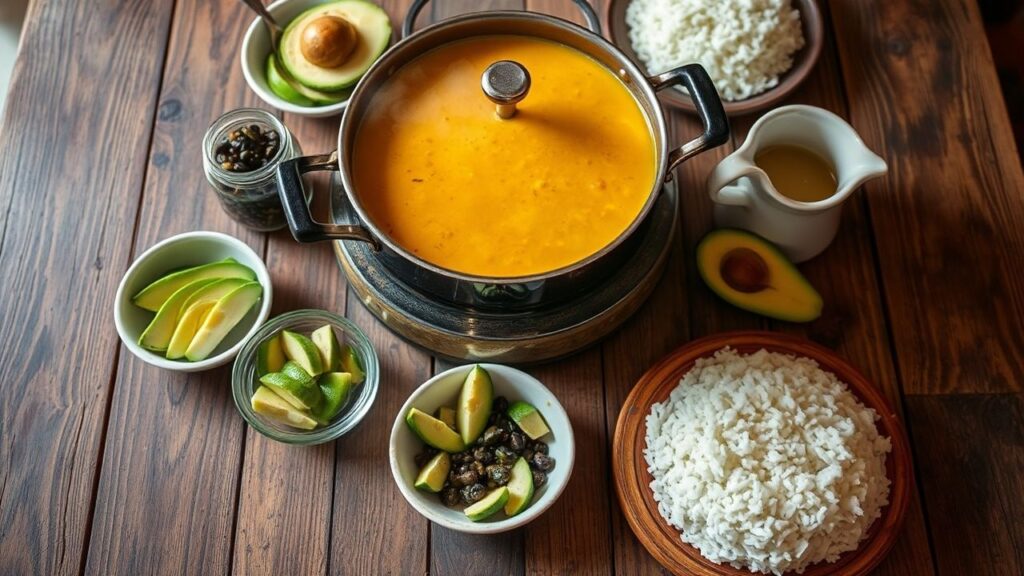
For Serving: The Aromatic Chorus
- Heavy cream or *crema de leche*
- Capers (brined)
- Avocado, sliced
- White rice, cooked
- Lime wedges
The Art of Preparation: Crafting Ajiaco with Precision
The preparation of Ajiaco is a ritual, a slow dance of flavors that unfolds over time. It begins with building a robust chicken broth. In a large, heavy-bottomed pot or Dutch oven, combine the chicken pieces with the halved onion, cilantro sprigs, bay leaves, and enough water or chicken broth to generously cover everything. Bring this to a boil, then reduce the heat to a gentle simmer. Skim off any impurities that rise to the surface during the initial simmering phase. This meticulous skimming is crucial for achieving a clean, clear broth, which forms the canvas for the soup’s vibrant flavors. Allow the chicken to simmer for at least 45 minutes to an hour, or until it is tender and cooked through. The aroma that begins to fill your kitchen at this stage is the first hint of the culinary magic to come.
Once the chicken is cooked, carefully remove it from the pot. Set the chicken aside to cool slightly, then shred or dice the meat, discarding the bones and skin. Strain the broth through a fine-mesh sieve into a clean pot or bowl, discarding the solids (onion, cilantro, bay leaves). This purified broth is the liquid gold that will form the base of your Ajiaco. Return the strained broth to the original pot and bring it back to a simmer. Now, it’s time to introduce the potatoes. Add the *papa criolla* first, as they require the longest to break down and thicken the soup. Let them simmer for about 15-20 minutes, stirring occasionally, until they begin to soften and dissolve, imparting their characteristic color and body to the broth. The visual transformation at this stage is striking – the broth begins to take on a richer, more opaque hue.
Next, add the *papa pastusa* and *papa sabanera* to the pot, along with the corn rounds. Continue to simmer gently for another 20-25 minutes, or until all the potatoes are tender and the corn is cooked through. The soup should now have a pleasing, thickened consistency. Stir in the dried *guascas*, allowing their subtle, earthy aroma to infuse the broth. Add the shredded or diced chicken back into the pot. Season generously with salt and freshly ground black pepper. Taste and adjust seasoning as needed; this is a critical step to ensure a balanced flavor profile. The final seasoning can dramatically alter the soup’s character, so approach it with a discerning palate.
The Technique of the Three Potatoes:
- Timing is Key: Introduce the *papa criolla* first, allowing them to break down and thicken the broth.
- Gentle Simmer: Avoid a rolling boil after adding the potatoes, as this can cause them to break apart too aggressively and result in a gummy texture.
- Gradual Addition: The *papa pastusa* and *papa sabanera* are added later to maintain some textural integrity.
For an even richer and more nuanced broth, consider using a combination of chicken and a few chicken backs or carcasses when first simmering the chicken. This adds a deeper layer of gelatin and flavor that is foundational to a truly exceptional Ajiaco.
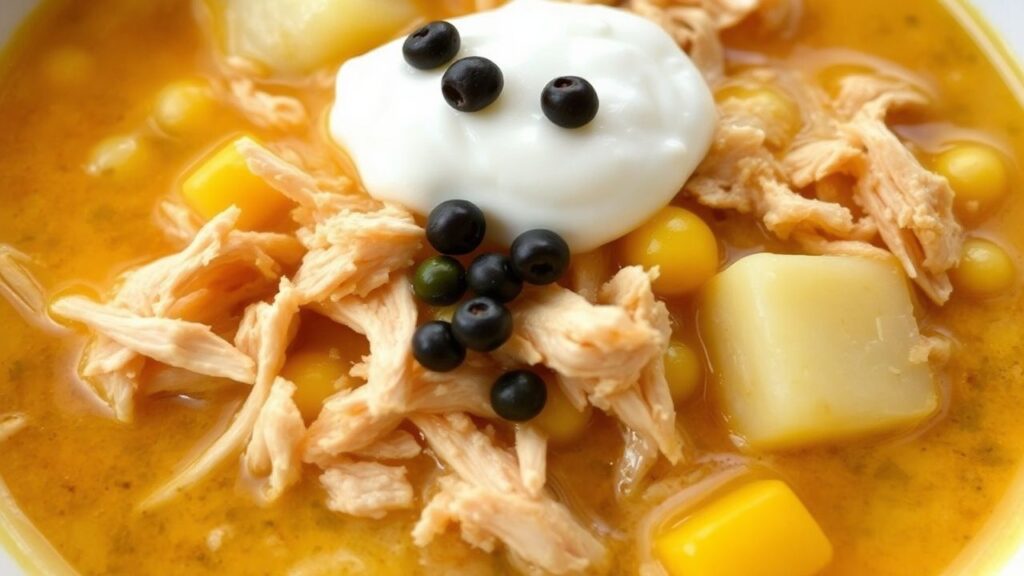
The final stage of Ajiaco preparation is one of gentle melding of flavors. Allow the soup to simmer for an additional 5-10 minutes after adding the chicken and *guascas*, ensuring all the elements are well integrated. The soup should be thick enough to coat the back of a spoon, with distinct pieces of potato and corn visible amidst the tender chicken. The aroma should be intensely herbaceous and savory, a comforting promise of the meal to come. It is the culmination of slow simmering, careful ingredient selection, and a deep understanding of how each component contributes to the overall harmony of the dish. This patience is rewarded with a soup that is both complex and profoundly simple in its ability to nourish and comfort.
Nutritional Snapshot of a Comforting Bowl
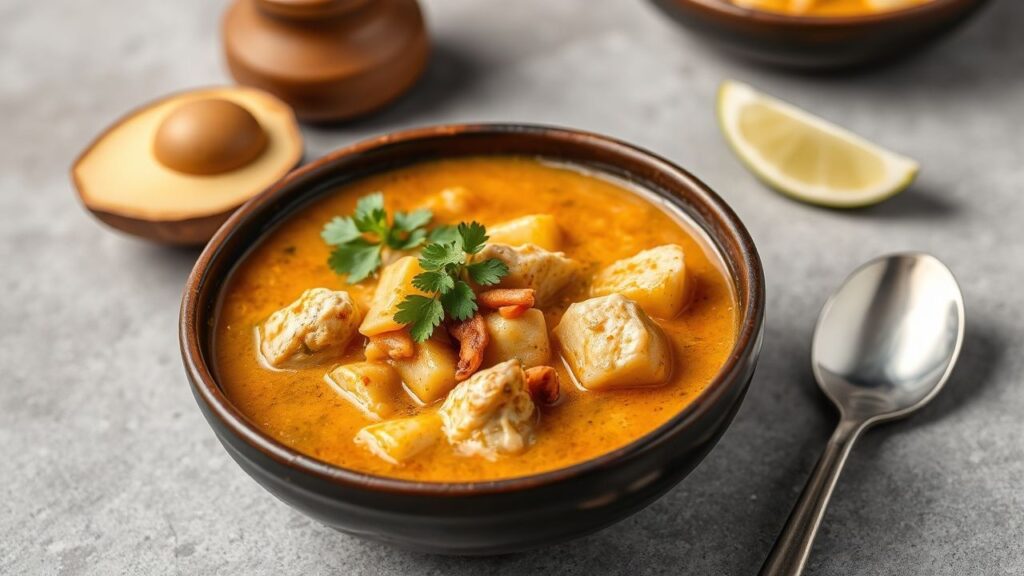
Ajiaco, while undeniably hearty and comforting, offers a surprisingly balanced nutritional profile when prepared with lean chicken and a mindful approach to added fats. The primary source of carbohydrates comes from the diverse potato varieties, providing essential B vitamins and potassium. Chicken contributes lean protein, vital for muscle repair and satiety. The inclusion of corn adds dietary fiber and a touch of sweetness, while the *guascas* offer trace amounts of vitamins and minerals, along with their unique phytonutrients.
When served with the traditional accompaniments, the nutritional landscape shifts. A dollop of heavy cream adds saturated fat and calories, contributing to the soup’s luxurious texture and richness. Capers, while small, can add sodium. Avocado, rich in monounsaturated fats, offers heart-healthy benefits and contributes to the meal’s overall satiety. White rice provides easily digestible carbohydrates. Keep in mind that the exact nutritional values will vary significantly based on the proportions of each ingredient and the amount of cream and avocado used.
Approximate Nutritional Information (per serving, assuming 6 servings, without accompaniments):
- Calories: 350-450 kcal
- Protein: 25-35g
- Fat: 10-15g
- Saturated Fat: 2-4g
- Carbohydrates: 40-50g
- Fiber: 4-6g
- Sodium: 200-400mg (varies greatly with added salt)
- Potassium: 800-1000mg
To create a lighter version, one can opt for boneless, skinless chicken breast and reduce the amount of *papa criolla* slightly, relying more on the firmer varieties. Serving with a smaller portion of rice and a generous half of avocado can provide a more balanced meal. The key is to appreciate the inherent goodness of the core ingredients and to be mindful of the richer additions during the serving stage.
Elevating Ajiaco: Expert Tips for Restaurant-Quality Results
Transforming a good Ajiaco into an exceptional one often hinges on subtle techniques and a deep appreciation for flavor development. The foundation, as always, is the broth. Instead of starting with plain water, use a high-quality chicken stock, or even better, make your own from chicken backs and bones. Simmering these with aromatic vegetables like carrots, celery, and leeks, alongside the chicken for the soup, will yield a broth with unparalleled depth and complexity. This initial investment in broth quality pays dividends in the final taste of the Ajiaco.
The quality and type of *guascas* are paramount. If you can source fresh *guascas*, their vibrant, herbaceous aroma will be significantly more pronounced. However, dried *guascas* are more commonly available and still deliver the essential flavor. To maximize their impact, consider toasting the dried *guascas* lightly in a dry pan before adding them to the soup. This process awakens their volatile oils and releases a more intense fragrance and flavor. Be cautious not to burn them, as this will impart a bitter note.
While *guascas* are the soul of Ajiaco, overusing them can lead to an overpowering, medicinal taste. Start with the recommended amount and taste as you go, adding more gradually if desired. The goal is a harmonious balance, not a singular dominant herb. Some recipes call for using a cheesecloth sachet for the *guascas* to make them easier to remove, but many traditionalists prefer to let them break down into the soup for maximum flavor infusion.
The serving of Ajiaco is an integral part of the experience, a culinary tableau designed to enhance every bite. Always serve the soup piping hot. The accompaniments should be presented beautifully, allowing each diner to customize their bowl. A generous swirl of thick, high-quality cream adds a luxurious mouthfeel and a subtle richness that tempers the herbaceous notes. The briny pop of capers provides a delightful contrast, cutting through the richness. Sliced avocado adds a creamy, cooling element and healthy fats. The fluffy white rice acts as a neutral base, absorbing the flavorful broth. Finally, a squeeze of fresh lime juice awakens all the flavors, adding a bright, zesty finish. The interplay of these elements—creamy, briny, fresh, and zesty—transforms a simple soup into a multi-dimensional culinary event. This meticulous attention to detail in presentation and serving elevates the entire dining experience, turning a humble dish into a celebration of Colombian culture and cuisine. Consider the iconic Ajiaco Santafereño served in Bogotá’s historic La Candelaria district; the presentation is often as artful as the preparation, reflecting a deep pride in this national treasure.
The Enduring Appeal of Ajiaco
Ajiaco transcends its status as mere sustenance; it is a culinary anchor, a taste of home for Colombians scattered across the globe and a captivating introduction for those new to its charms. Its enduring appeal lies in its inherent comfort, its complex yet harmonious flavors, and its rich cultural narrative. Whether prepared for a celebratory family gathering or a simple weeknight meal, Ajiaco embodies the warmth, hospitality, and vibrant spirit of Colombia. It is a dish that nourishes not only the body but also the soul, proof of the power of simple ingredients transformed through tradition and love into something truly extraordinary.
Frequently Asked Questions About Ajiaco
What are the essential potato types for authentic Ajiaco?
The quintessential Ajiaco, particularly the Bogotá-style Santafereño, relies on a trio of potato varieties for its signature texture and flavor. These are:
- Papa Criolla: These small, yellow potatoes are crucial for their ability to dissolve and thicken the broth, imparting a rich, velvety consistency and a golden hue.
- Papa Pastusa: A firmer, waxy potato that holds its shape, providing delightful little nuggets within the soup and a subtle sweetness.
- Papa Sabanera: A floury potato that softens and partially dissolves, contributing to the overall creamy texture of the soup.
While substitutions can be made in a pinch, using this specific combination is key to achieving the authentic Ajiaco experience.
Can I make Ajiaco without guascas?
While it is technically possible to make a chicken and potato soup without *guascas*, it would not be considered an authentic Ajiaco. The *guascas* herb is the defining aromatic element of the dish, imparting a unique, slightly peppery, herbaceous, and subtly medicinal flavor that is irreplaceable. Without it, the soup would lack its characteristic depth and complexity. If *guascas* are unavailable, some adventurous cooks might experiment with a blend of dried herbs like oregano and parsley, but the distinctive taste of Ajiaco will be absent. Sourcing dried *guascas* from Latin American markets or online retailers is highly recommended for an authentic preparation.
What are the traditional accompaniments for Ajiaco?
The serving of Ajiaco is as important as its preparation, and it is traditionally accompanied by a quartet of elements that enhance its flavor and texture. These are:
- Heavy Cream (Crema de Leche): A generous swirl of rich cream adds a luxurious mouthfeel and a subtle sweetness that balances the herbaceous notes of the soup.
- Capers: These brined flower buds provide a delightful burst of salty, tangy flavor that cuts through the richness and adds a pleasant textural contrast.
- Avocado: Sliced ripe avocado offers a creamy, cooling counterpoint to the hot soup and contributes healthy monounsaturated fats.
- White Rice: Fluffy white rice serves as a neutral base, absorbing the flavorful broth and making the meal more substantial.
A squeeze of fresh lime juice is often offered to add a final touch of brightness and acidity.
See also: Ajiaco