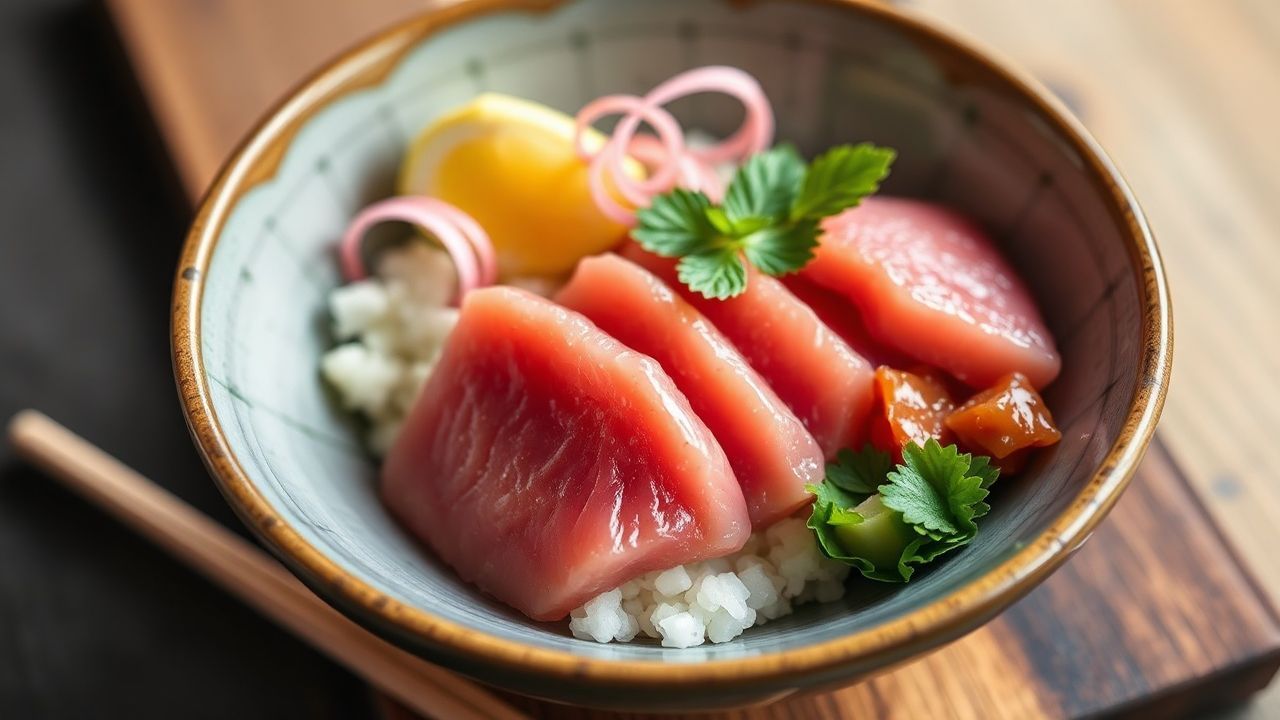

Ahi, the jewel of the Pacific, forms the heart of the quintessential Hawaiian poke bowl, a dish that transcends mere sustenance to embody the spirit of aloha. This vibrant, fresh, and deeply flavorful creation is more than just raw fish; it’s proof of a culinary heritage deeply intertwined with the ocean’s bounty and the islands’ rich cultural tapestry.
- The Genesis of the Ahi Poke Bowl: A Taste of Hawaiian Tradition
- Crafting the Perfect Ahi Poke Bowl: A Chef’s Guide
- Selecting and Preparing the Ahi
- The Essential Marinade: A Symphony of Umami
- The Foundation: Building the Bowl
- The Ensemble of Toppings: Texture, Color, and Flavor
- Assembling the Ahi Poke Bowl: The Art of Presentation
- Nutritional Snapshot: The Wholesome Appeal of Ahi Poke
- Elevating Your Ahi Poke Bowl: Pro-Tips for Restaurant-Quality Results
- The Art of the Cut: Precision Matters
- Marination Nuances: Beyond the Basics
- Texture is King: The Importance of Contrast
- The Base Game: Beyond White Rice
- Garnishes That Sing
- Frequently Asked Questions about Ahi Poke Bowls
“The true essence of Hawaiian cuisine lies not just in its ingredients, but in the philosophy of abundance, respect for the land and sea, and the communal joy of sharing food.” – Chef Alan Wong
The humble poke bowl, with its star ingredient, the magnificent ahi tuna, has journeyed from the local shores of Hawaii to become a global phenomenon. Its accessibility, remarkable health benefits, and infinite customizability have cemented its status as a modern culinary darling. To truly appreciate the ahi poke bowl, one must understand its origins, the nuances of preparing its star, and the art of balancing its components into a harmonious whole. This article guides you through the creation of an authentic and exceptional ahi poke bowl, exploring its cultural significance, essential techniques, and the subtle artistry that elevates it from a simple meal to a profound culinary experience.
The Genesis of the Ahi Poke Bowl: A Taste of Hawaiian Tradition
The word “poke” in Hawaiian translates to “to slice” or “to cut crosswise,” referring to the method of preparing raw fish, most commonly tuna. Historically, poke was a simple fisherman’s snack, a way to utilize the day’s catch with minimal preparation, seasoned with ingredients readily available on the islands. Sea salt, seaweed (limu), and kukui nut (candlenuts) were among the earliest seasonings. This raw, fresh preparation was a natural consequence of Hawaii’s isolation and the abundance of pristine marine life. The concept of serving it as a complete meal, layered over rice and adorned with various toppings, evolved over time, particularly as global influences began to integrate with local culinary practices.
The modern ahi poke bowl, as we recognize it today, is a sophisticated evolution. While the core of marinated, diced raw fish remains central, the accompaniments have expanded dramatically. This evolution reflects a global palate increasingly receptive to diverse flavors and textures, while still honoring the fundamental principles of freshness and simplicity. The ahi tuna, prized for its firm texture and rich, slightly sweet flavor, is the undisputed king of poke. Its deep red flesh is not only visually striking but also packed with lean protein and omega-3 fatty acids, making it a nutritious choice.
The journey of poke from a local delicacy to an international sensation is a fascinating case study in cultural diffusion. In the early 2000s, poke began appearing on menus in mainland U.S. cities, initially as a niche offering. By the 2010s, dedicated poke restaurants had proliferated, transforming the dish into a mainstream trend. This rapid ascent can be attributed to several factors: the growing demand for healthy, protein-rich foods; the visual appeal of poke bowls, which are highly photogenic and popular on social media; and the inherent adaptability of the dish, allowing for endless variations to suit diverse tastes. The success of poke chains, some generating hundreds of millions in annual revenue, underscores its massive commercial appeal, proof of the enduring power of a well-executed, culturally rooted dish.
Crafting the Perfect Ahi Poke Bowl: A Chef’s Guide
Creating an exceptional ahi poke bowl is an exercise in balance and respect for the ingredients. The quality of the ahi is paramount, followed by the marinade, the base, and the array of toppings. Each element matter significantly in the symphony of flavors and textures.
Selecting and Preparing the Ahi
The foundation of any great poke bowl is, without question, the ahi. For the best results, opt for sushi-grade or sashimi-grade ahi tuna. This designation ensures the fish is of a high enough quality and has been handled and stored appropriately for raw consumption. Look for tuna with a vibrant, deep red color, firm flesh, and no off-putting odor. A slightly darker, purplish hue is normal for high-quality tuna, but any signs of browning or grayness indicate oxidation and should be avoided. The texture should be firm to the touch, not mushy or slimy.
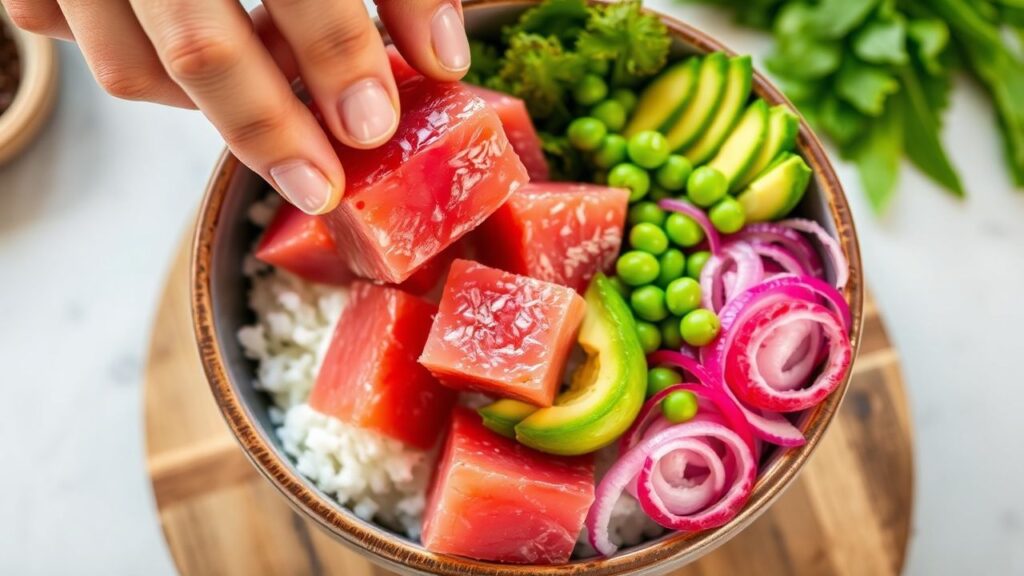
The preparation of the ahi itself is deceptively simple yet requires precision. The tuna should be cut into uniform, bite-sized cubes, typically around 1/2 inch to 3/4 inch (1.25 cm to 2 cm). This ensures consistent marination and a pleasant mouthfeel. Avoid dicing the tuna too finely, as it can become mushy, or too large, which can be unwieldy to eat. The cutting should be done with a very sharp knife against the grain of the fish to ensure tenderness.
The Essential Marinade: A Symphony of Umami
The marinade is where the ahi truly begins to sing. While regional variations abound, a classic Hawaiian poke marinade strikes a balance between savory, salty, and a hint of sweetness. Soy sauce (shoyu) forms the base, providing a deep umami foundation. Sesame oil adds a nutty aroma and richness, while a touch of sweetness, traditionally from sugar or mirin, rounds out the flavors. Ginger and garlic, finely minced or grated, introduce a pungent, aromatic complexity. Some purists also incorporate a small amount of chili pepper for a subtle kick, while others add a splash of rice vinegar for brightness.
Classic Ahi Poke Marinade Ingredients:
- 1 lb (450g) Sushi-grade Ahi Tuna, cut into 1/2-inch (1.25 cm) cubes
- 3 tablespoons Soy Sauce (Shoyu)
- 1 tablespoon Sesame Oil
- 1 teaspoon Grated Fresh Ginger
- 1 clove Garlic, finely minced
- 1/2 teaspoon Granulated Sugar or Mirin (optional, for a hint of sweetness)
- Pinch of Red Pepper Flakes (optional)
- 1 tablespoon Chopped Green Onions (optional, for garnish and flavor)
Preparation Method for Marinade:
1. In a medium bowl, whisk together the soy sauce, sesame oil, grated ginger, minced garlic, sugar (if using), and red pepper flakes (if using).
2. Gently add the cubed ahi tuna to the bowl.
3. Toss the tuna carefully with the marinade until evenly coated. Avoid over-mixing, which can break down the delicate fish.
4. Cover the bowl and refrigerate for at least 15-30 minutes. For a more intense flavor, you can marinate for up to an hour, but avoid marinating for too long, as the acidity in the soy sauce can begin to “cook” the fish, altering its texture.
The Foundation: Building the Bowl
The base of the poke bowl provides substance and a canvas for the flavors. Steamed white rice is the traditional choice, offering a neutral, slightly sweet counterpoint to the savory tuna. Brown rice is a healthier alternative, providing more fiber and a nuttier flavor. For those seeking a grain-free option, quinoa or mixed greens are excellent choices, adding different textures and nutritional profiles.
Steaming Rice (Japanese Short-Grain Rice):
- 1 cup (185g) Japanese Short-Grain Rice
- 1.25 cups (300ml) Water
Preparation Method:
1. Rinse the rice thoroughly under cold running water until the water runs clear. This removes excess starch, preventing gummy rice.
2. Combine the rinsed rice and water in a medium saucepan.
3. Bring to a boil over medium-high heat, then reduce heat to low, cover tightly, and simmer for 15-20 minutes, or until all water is absorbed.
4. Remove from heat and let stand, covered, for 10 minutes. Fluff with a fork.
The Ensemble of Toppings: Texture, Color, and Flavor
This is where the ahi poke bowl truly comes alive, transforming from a simple dish into a personalized culinary masterpiece. Toppings add crucial textural contrast, visual appeal, and layers of flavor that complement the ahi.
Classic and Innovative Toppings:
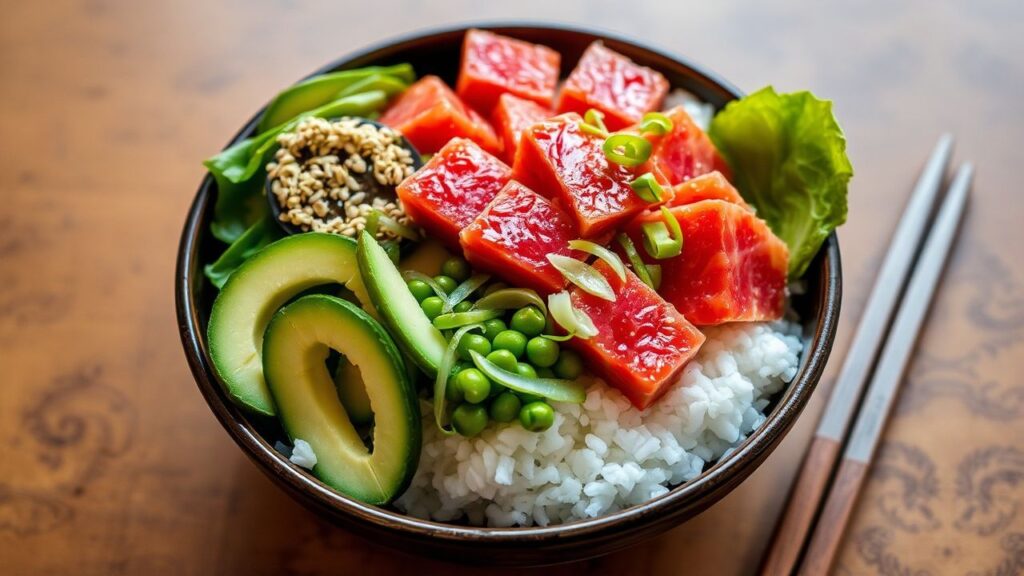
- Avocado: Creamy, rich, and cooling, avocado provides a luxurious texture and healthy fats. Slice thinly or dice.
- Cucumber: Crisp and refreshing, thinly sliced or julienned cucumber adds a delightful crunch and a burst of hydration.
- Edamame: Shelled edamame offers a pop of green color, a slightly sweet flavor, and a satisfying bite.
- Seaweed Salad (Wakame): Adds a briny, oceanic flavor and a chewy texture.
- Green Onions (Scallions): Finely chopped, they provide a sharp, fresh bite and a touch of color.
- Toasted Sesame Seeds: A sprinkle of toasted sesame seeds adds a nutty aroma and a delicate crunch.
- Crispy Fried Onions or Shallots: For an irresistible textural contrast and savory depth.
- Mango or Pineapple: Diced sweet fruit can offer a delightful tropical counterpoint to the savory elements.
- Radish: Thinly sliced radishes add a peppery bite and a crisp texture.
- Spicy Mayo: A drizzle of sriracha mixed with mayonnaise provides a creamy, spicy kick.
- Furikake: A Japanese seasoning blend often containing seaweed, sesame seeds, and dried fish flakes, adding a complex savory note.
- Tobiko or Masago: Flying fish roe adds tiny bursts of briny flavor and a delightful pop.
Assembling the Ahi Poke Bowl: The Art of Presentation
The assembly is the final act, where all the components converge.
1. Start with the Base: Spoon a generous portion of your chosen base (rice, quinoa, or greens) into a wide, shallow bowl.
2. Nestle the Ahi: Arrange the marinated ahi tuna over one section of the base.
3. Arrange the Toppings: Artfully arrange your selected toppings around the ahi, creating a visually appealing mosaic. Aim for a balance of colors, textures, and flavors.
4. Drizzle and Garnish: Finish with any desired drizzles (like spicy mayo) and garnishes (like sesame seeds or green onions).
Nutritional Snapshot: The Wholesome Appeal of Ahi Poke
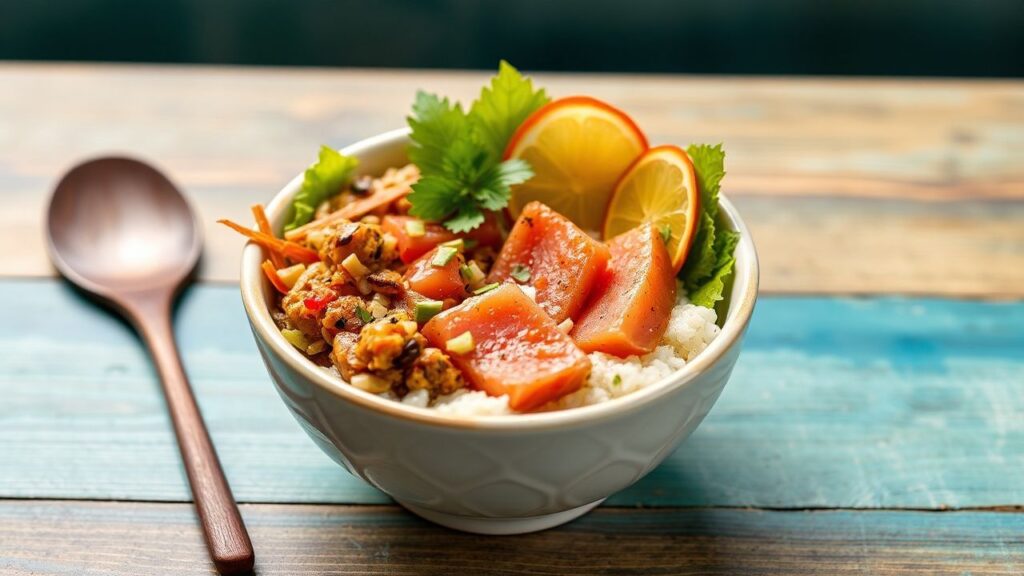
The ahi poke bowl, when prepared with mindful ingredient choices, is a nutritional powerhouse. Its inherent wholesomeness is a significant factor in its global popularity.
Per Serving (Approximate, based on a typical bowl with white rice, 4oz ahi, and moderate toppings):
- Calories: 400-600 kcal (varies widely based on base, amount of fish, and toppings)
- Protein: 30-40g (primarily from the ahi tuna)
- Healthy Fats: 15-25g (from ahi, sesame oil, avocado)
- Carbohydrates: 30-50g (primarily from rice)
- Fiber: 4-8g (from rice, vegetables, and toppings)
- Vitamins and Minerals: Rich in Vitamin D, B vitamins (especially B12), Selenium, Iodine, Potassium, and Omega-3 fatty acids.
The Omega-3 fatty acids found in ahi are particularly noteworthy. These essential fats are crucial for heart health, brain function, and reducing inflammation. A single serving of ahi tuna can provide a significant portion of the recommended daily intake. Furthermore, the lean protein content promotes satiety, aiding in weight management, and supports muscle repair and growth. When paired with nutrient-dense vegetables and whole grains, the ahi poke bowl becomes a balanced and satisfying meal that fuels the body effectively.
Elevating Your Ahi Poke Bowl: Pro-Tips for Restaurant-Quality Results
Transforming a home-cooked poke bowl into something truly extraordinary requires attention to detail and a willingness to experiment. These expert tips will help you achieve that coveted restaurant-quality taste and texture.
The Art of the Cut: Precision Matters
The way you cut your ahi is more than just aesthetics; it impacts texture and flavor absorption. Aim for consistently sized cubes. A sharp knife is non-negotiable. If you find your tuna is difficult to cut cleanly, ensure it’s thoroughly chilled, almost to the point of being firm but not frozen. Slice against the grain for maximum tenderness. This simple technique makes a profound difference in how the fish feels in your mouth.
Marination Nuances: Beyond the Basics
While the classic marinade is delicious, don’t be afraid to explore. Consider adding a splash of ponzu sauce for a citrusy tang, or a touch of sriracha or gochujang for a more pronounced heat. A small amount of fish sauce can amplify the umami notes if used judiciously. Experiment with fresh herbs like cilantro or mint for an unexpected twist. For a richer flavor, try a marinade that includes a bit of mashed avocado or even a small amount of roasted garlic puree.
Texture is King: The Importance of Contrast
A truly memorable poke bowl is a textural playground. Ensure you have a good mix of soft, crisp, and chewy elements. For instance, the creamy avocado and tender ahi should be balanced by the crunch of cucumber, radish, or crispy fried shallots. The slight chewiness of seaweed salad or edamame adds another dimension. Consider adding a sprinkle of toasted nuts like macadamia or cashews for an extra layer of crunch and richness.
The Base Game: Beyond White Rice
While white rice is traditional, explore other bases to change the profile. Cauliflower rice offers a low-carb, light alternative. A bed of mixed greens with a light vinaigrette can create a refreshing salad-style poke. For a heartier option, quinoa provides protein and fiber. Experiment with black or red rice for a visually striking and nutrient-dense foundation.
Garnishes That Sing
Don’t underestimate the power of a thoughtful garnish. Beyond green onions and sesame seeds, consider:
- Microgreens: For a delicate peppery note and vibrant green color.
- Pickled Ginger: A classic palate cleanser that adds a zesty bite.
- Thinly Sliced Jalapeños: For those who enjoy a spicier kick.
- A Drizzle of Unagi Sauce: For a sweet, savory glaze.
- Toasted Nori Strips: For a subtle, crisp umami crunch.
Frequently Asked Questions about Ahi Poke Bowls
What is the best type of fish for poke?
While ahi tuna is the most iconic, other fish like salmon, yellowtail (hamachi), or even octopus can be used for poke. The key is always to use sushi-grade or sashimi-grade fish that is fresh and handled properly for raw consumption. Ahi is particularly prized for its firm texture and mild, slightly sweet flavor, which holds up well to marination and pairs beautifully with a variety of toppings.
How long can I marinate ahi tuna?
For optimal texture and flavor, it’s best to marinate ahi tuna for 15 to 60 minutes. Marinating for too short a time will result in a less flavorful fish, while marinating for too long (over 1-2 hours) can cause the acids in the marinade (like soy sauce or vinegar) to begin “cooking” the fish, leading to a mushy or ceviche-like texture that is undesirable for poke. The goal is to infuse flavor, not to cook the tuna.
Can I make ahi poke bowls at home if I don’t have access to fresh, sushi-grade fish?
This is a critical safety consideration. Consuming raw or undercooked fish carries inherent risks, including foodborne illnesses from parasites or bacteria. It is strongly recommended that you only prepare ahi poke bowls with fish specifically labeled as sushi-grade or sashimi-grade, which indicates it has been handled and frozen according to strict guidelines to kill parasites. If you cannot find this quality of fish, it is safer to opt for cooked ingredients, such as grilled or seared tuna, or other types of poke that use cooked seafood or vegetables. Never compromise on the quality and safety of your fish when preparing raw dishes.
See also: Ahi