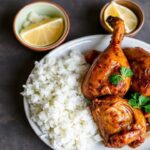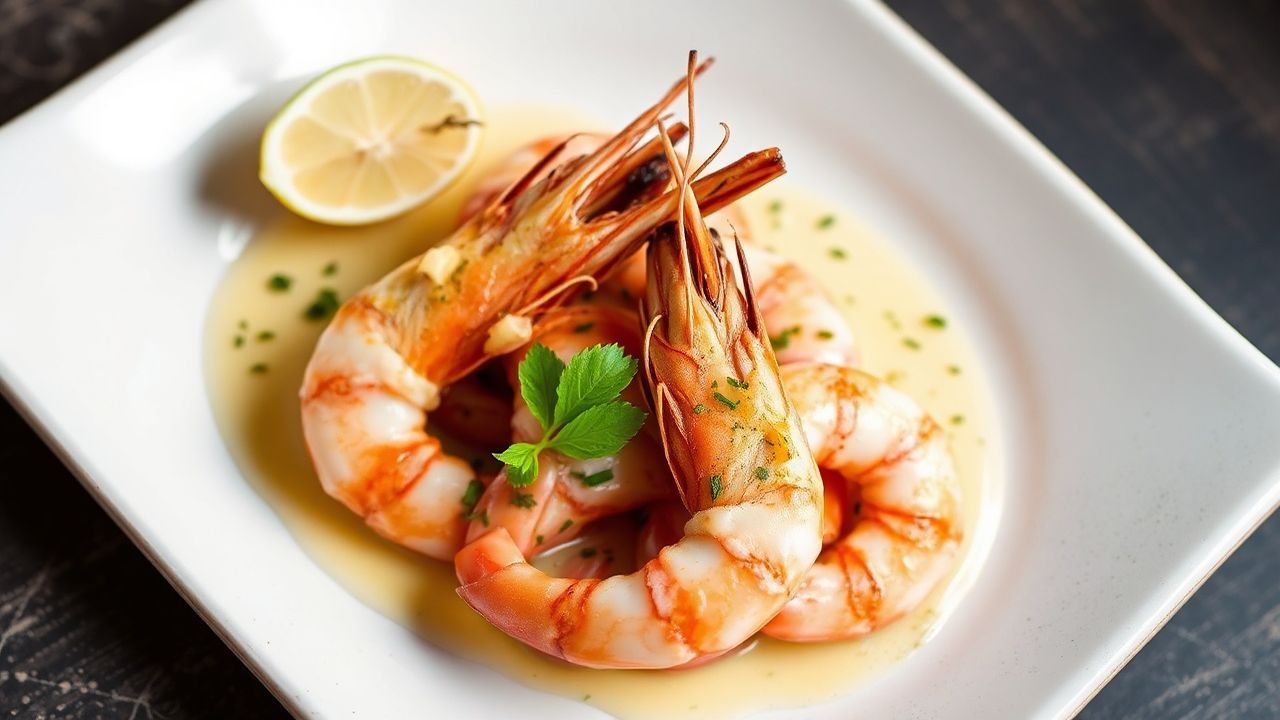

Have you ever encountered a dish so elemental, so profoundly satisfying, that its very simplicity belies a depth of flavour that can transport you across continents and through generations? This is the magic of *Gambas al Ajillo*, the humble yet magnificent Spanish garlic shrimp. It’s more than just a tapa; it’s an experience, proof of the power of pristine ingredients treated with reverence. This dish, often found bubbling in terracotta cazuelas in the tapas bars of Madrid and Seville, embodies the convivial spirit of Spanish cuisine, where food is meant to be shared, savoured, and celebrated. The vibrant crimson of the shrimp, bathed in a shimmering pool of golden olive oil infused with the pungent aroma of garlic and a whisper of chilli heat, is a visual prelude to the sensory feast that awaits.
- The Anatomy of Perfection: Ingredients for Authentic Gambas al Ajillo
- Shrimp: The Star of the Show
- Olive Oil: The Golden Elixir
- Garlic: The Pungent Heartbeat
- A Touch of Heat: Chilli
- The Finishing Touches: Parsley and Sherry Vinegar (Optional but Recommended)
- Detailed Ingredient List
- The Method: Crafting the Perfect Sizzle
- Nutritional Profile: A Taste of Mediterranean Well-being
- Elevating Your Gambas al Ajillo: Expert Pro-Tips
- The Art of the Sizzle and the Sear
- The Crucial Role of the Shell
- Quality is Non-Negotiable: Shrimp and Oil
- The Vinegar Question: A Subtle Enhancement
- The Spanish Gambas al Ajillo FAQ
At a Glance: Key Insights into Gambas al Ajillo
- The Essence of Simplicity: Gambas al Ajillo elevates a few high-quality ingredients to extraordinary heights, proving that complexity isn’t always necessary for culinary brilliance.
- The Crucial Role of Olive Oil: The quality and quantity of olive oil are paramount, acting as the flavour conduit for garlic, chilli, and the shrimp’s own sweet liquor.
- Shrimp Selection Matters: Opting for fresh, plump shrimp with their shells on, if possible, will yield a more flavourful and texturally superior result.
- The Art of the Sizzle: Achieving the perfect “sizzle” is key, ensuring the shrimp are cooked through quickly without becoming rubbery, while the garlic caramelizes without burning.
The genesis of *Gambas al Ajillo* is as elusive as the perfect sear on a scallop, yet its roots are firmly planted in the rich culinary soil of Spain, particularly in regions like Andalusia. It’s a dish born from necessity and ingenuity, a way to transform readily available ingredients – fresh seafood, garlic, and the abundant olive oil – into a dish that is both comforting and exhilarating. Historically, Spanish cuisine has always championed the concept of *cocina de aprovechamiento* (cuisine of making use), where every part of an ingredient is valued, and simple preparations are favoured to highlight natural flavours. This dish perfectly embodies that philosophy. Imagine a fisherman returning with his catch, the pungent aroma of the sea still clinging to him, heading home to a kitchen where garlic cloves are waiting to be sliced and olive oil is the liquid gold. This is the unpretentious, deeply satisfying lineage of *Gambas al Ajillo*.
The Anatomy of Perfection: Ingredients for Authentic Gambas al Ajillo
The beauty of *Gambas al Ajillo* lies in its unadorned ingredient list. There are no hidden complexities, no obscure spices. The success of this dish hinges entirely on the quality of each component. Think of it as a minimalist masterpiece where each brushstroke must be precise.
Shrimp: The Star of the Show
The choice of shrimp is, without question, the most critical decision. For an authentic experience, medium to large shrimp (approximately 16-25 count per pound or 35-55 count per kilogram) are ideal. They offer a satisfying bite and cook quickly enough to prevent overcooking. While peeled and deveined shrimp are convenient, using shell-on shrimp, particularly with the tail intact, imparts a subtle sweetness and a richer depth of flavour as the shrimp’s juices mingle with the oil. If using shell-on, ensure they are freshly caught or have been properly frozen to maintain their pristine quality. The characteristic pink blush of perfectly cooked shrimp is a visual cue of their readiness. Avoid pre-cooked shrimp at all costs; their texture will be irrevocably compromised.
Olive Oil: The Golden Elixir
This is not a dish where you skimp on the olive oil. A generous amount of good quality extra virgin olive oil is essential. It serves as the cooking medium, the flavour carrier, and the luxurious sauce that will beg to be sopped up with crusty bread. The oil should have a fruity, slightly peppery character that complements the other ingredients without overpowering them. Avoid using refined or light olive oils; their flavour profile is too neutral and will result in a bland dish. The sheer volume of oil might seem excessive, but it’s what allows the garlic to infuse and the shrimp to poach in their own aromatic broth.
Garlic: The Pungent Heartbeat
Garlic is the soul of *Gambas al Ajillo*. You’ll need a substantial amount – at least 6-8 cloves for a standard recipe, and often more if you’re a true garlic enthusiast. The garlic should be thinly sliced, not minced. Thin slices allow the garlic to release its flavour gradually into the oil and caramelize beautifully without burning. Minced garlic tends to burn too quickly, turning bitter and ruining the delicate balance of the dish. The aroma of the garlic blooming in the warm olive oil is an olfactory promise of the delight to come.
A Touch of Heat: Chilli
A subtle warmth is crucial to cut through the richness of the oil and the sweetness of the shrimp. Dried red chilli flakes (or a small dried chilli pepper) are the traditional choice. The amount is a matter of personal preference, but the goal is a gentle, lingering heat, not an aggressive burn. Too much chilli can mask the nuanced flavours of the shrimp and garlic. Some recipes also call for a fresh chilli pepper, sliced.
The Finishing Touches: Parsley and Sherry Vinegar (Optional but Recommended)
Freshly chopped flat-leaf parsley provides a burst of freshness and a vibrant green contrast to the crimson shrimp and golden oil. It’s typically added at the very end, just before serving, to preserve its bright colour and herbaceous aroma. A tiny splash of good quality sherry vinegar towards the end of cooking can add a delightful tang, a subtle acidity that brightens all the flavours. This is a classic addition that elevates the dish from merely good to truly exceptional.
Detailed Ingredient List
For 2-3 servings as a tapa:
- Shrimp: 300-400 grams (approximately 10-14 ounces), medium to large (16-25 count per pound), preferably shell-on with tails intact.
- Extra Virgin Olive Oil: 150-200 ml (approximately 5-7 fluid ounces) – a generous amount.
- Garlic: 6-8 large cloves, thinly sliced.
- Dried Red Chilli Flakes: ½ teaspoon (or 1 small dried chilli pepper, halved or sliced). Adjust to taste.
- Fresh Flat-Leaf Parsley: 2 tablespoons, finely chopped.
- Sherry Vinegar (Optional): 1 teaspoon.
- Sea Salt: To taste.
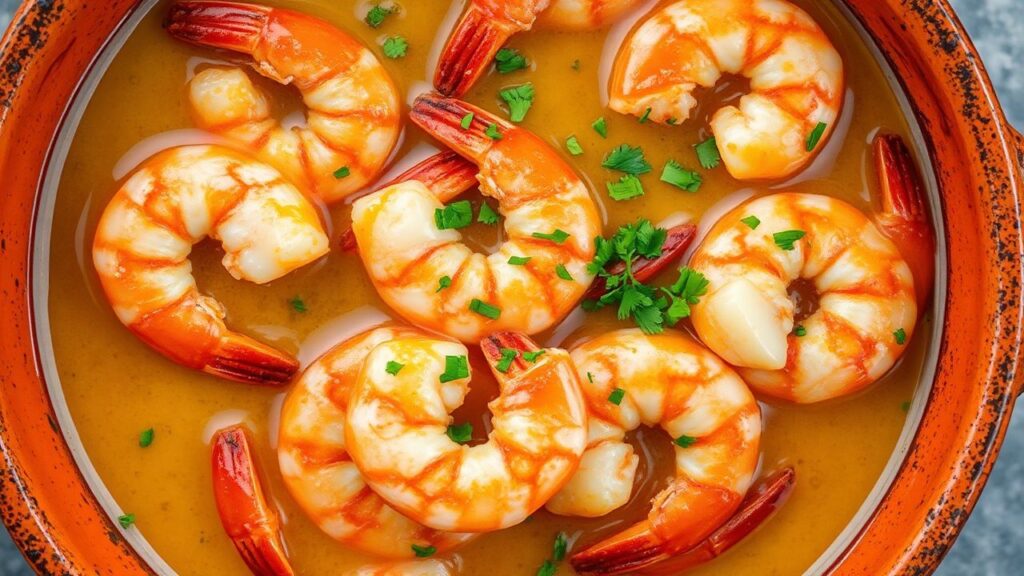
The Method: Crafting the Perfect Sizzle
The preparation of *Gambas al Ajillo* is swift, demanding your full attention during the brief cooking window. This is not a dish to prepare in advance and reheat; its magic lies in its immediacy. The key is to achieve a rapid, high-heat cook that caramelizes the garlic and cooks the shrimp to tender perfection without rendering them tough and rubbery.
Step-by-Step Preparation
1. Prepare the Shrimp: If using shell-on shrimp, ensure they are thoroughly rinsed and patted completely dry with paper towels. This is crucial for achieving a good sizzle and preventing the oil from spitting excessively. If using peeled and deveined shrimp, ensure they are also thoroughly dried. Season the shrimp lightly with sea salt.
2. Infuse the Olive Oil: Place a heavy-bottomed skillet or, ideally, a traditional terracotta cazuela over medium-low heat. Add the generous quantity of extra virgin olive oil. Allow the oil to warm gently. Add the thinly sliced garlic and the dried chilli flakes (or dried chilli pepper).
3. Slowly Bloom the Garlic: This is where patience is rewarded. Let the garlic gently infuse the oil for 3-5 minutes, stirring occasionally. The goal is to coax out its aroma and flavour, allowing it to soften and turn a pale golden hue. Crucially, do not let the garlic brown or burn. If it starts to take on colour too quickly, reduce the heat immediately or even temporarily remove the pan from the heat. Burnt garlic will impart a bitter, acrid taste that will ruin the dish.
4. Increase the Heat and Add Shrimp: Once the garlic is fragrant and just beginning to turn golden, increase the heat to medium-high. The oil should be hot but not smoking. Carefully add the seasoned shrimp to the skillet in a single layer. You should hear a satisfying sizzle immediately.
5. Cook to Perfection: Cook the shrimp for 1-2 minutes per side, depending on their size. They will turn from translucent grey to opaque pink. Do not overcrowd the pan. If necessary, cook the shrimp in batches to ensure they sear rather than steam. Overcrowding will lower the temperature of the oil, leading to steamed, rubbery shrimp.
6. The Final Flourish: Once the shrimp are just cooked through (they should still be slightly tender in the centre), remove the pan from the heat. If using, stir in the teaspoon of sherry vinegar. This adds a bright, acidic counterpoint that cuts through the richness.
7. Garnish and Serve Immediately: Stir in the finely chopped fresh parsley. Give everything a gentle toss to combine.
Serving Suggestions
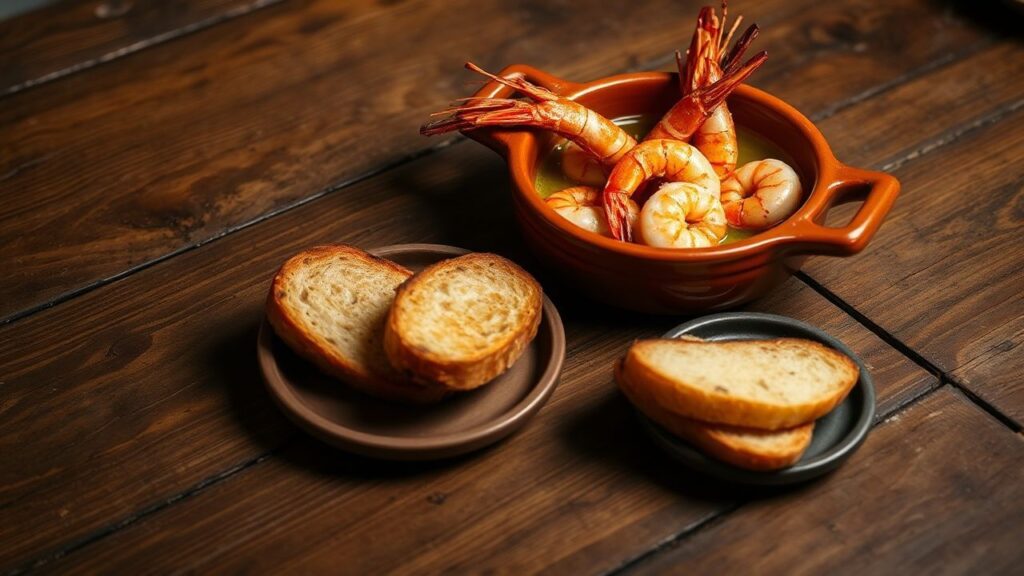
*Gambas al Ajillo* is best served immediately, straight from the skillet or cazuela, while it’s still bubbling. The accompanying crusty bread is not merely an afterthought; it’s an integral part of the experience, essential for sopping up every last drop of the flavourful garlicky oil. A simple baguette, a rustic sourdough, or even a slice of toasted ciabatta will suffice.
Nutritional Profile: A Taste of Mediterranean Well-being
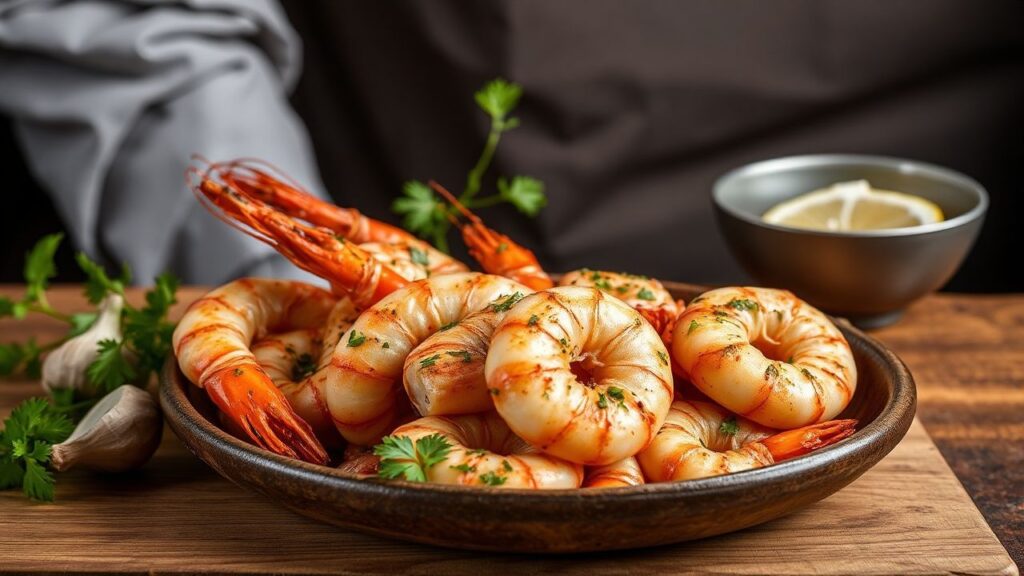
While *Gambas al Ajillo* is undeniably a treat, its nutritional profile, when prepared authentically with good quality ingredients, aligns with the principles of the Mediterranean diet. The focus on olive oil, lean protein, and flavourful aromatics contributes to its healthful reputation.
Nutritional Information (Per Serving, approximate, based on 3 servings):
- Calories: 350-450 kcal (largely dependent on the amount of olive oil used)
- Protein: 20-25 grams
- Fat: 25-35 grams
- Saturated Fat: 4-6 grams
- Monounsaturated Fat: 18-25 grams (primarily from olive oil)
- Polyunsaturated Fat: 2-4 grams
- Carbohydrates: 5-8 grams
- Fiber: 1-2 grams
- Sugars: 2-3 grams (natural sugars from shrimp)
- Cholesterol: 200-250 mg (naturally occurring in shrimp)
- Sodium: 200-300 mg (depending on added salt)
The high monounsaturated fat content from the extra virgin olive oil is a key benefit, known for its positive impact on cardiovascular health. Shrimp themselves are an excellent source of lean protein, selenium, vitamin B12, and omega-3 fatty acids. The garlic and chilli contribute beneficial antioxidants.
Keep in mind that the primary caloric contribution comes from the olive oil. While essential for flavour and texture, mindful portion control of the infused oil is advisable for those monitoring their fat intake. However, the quality of the fat consumed is of high nutritional value.
Elevating Your Gambas al Ajillo: Expert Pro-Tips
Transforming *Gambas al Ajillo* from a simple home-cooked meal into something truly extraordinary requires an understanding of subtle techniques and ingredient nuances. These tips are born from years of experience, observing chefs, and tasting countless iterations.
The Art of the Sizzle and the Sear
The term “al ajillo” itself translates to “with garlic,” but it’s the *method* of cooking that defines the dish. The rapid sizzle is crucial. This means your pan or cazuela must be sufficiently hot before the shrimp are added. A common mistake is adding shrimp to a lukewarm pan. This leads to a prolonged cooking time, resulting in tough, rubbery shrimp. The ideal scenario is for the shrimp to cook through in under 5 minutes total. The edges should catch a hint of colour, and the flesh should be just opaque.
The Crucial Role of the Shell
If at all possible, use shrimp with their shells on, at least partially. Leaving the tail on is standard, but even leaving the bodies partially shelled can make a significant difference. The shells contain natural sugars and a concentrated seafood flavour that leaches into the olive oil as it cooks. This adds an unparalleled depth and sweetness to the final sauce. When serving, guests can peel them at the table, adding an interactive element.
Quality is Non-Negotiable: Shrimp and Oil
This is not a dish where budget ingredients will suffice. Freshness of the shrimp is paramount. If you cannot source impeccably fresh shrimp, opt for high-quality frozen ones that have been flash-frozen immediately after being caught. Thaw them properly in the refrigerator. Similarly, the extra virgin olive oil needs to be of excellent quality. A robust, fruity olive oil will imbue the dish with character. Think of it as the foundation upon which all other flavours are built. A poorly chosen oil will result in a one-dimensional, forgettable dish.
The Vinegar Question: A Subtle Enhancement
While not strictly traditional in every household, a small splash of sherry vinegar added at the very end of cooking can be a revelation. It’s not about making the dish vinegary, but about introducing a bright, acidic note that cuts through the richness of the oil and the sweetness of the shrimp. It acts as a palate cleanser, making each subsequent bite as delightful as the first. Use a good quality sherry vinegar, and add no more than a teaspoon. Taste and adjust; you want a subtle lift, not overt acidity.
The Spanish Gambas al Ajillo FAQ
This beloved tapa often sparks questions from home cooks eager to replicate its authentic charm. Here are some of the most frequently asked queries, answered with expert clarity.
H3: Can I prepare Gambas al Ajillo ahead of time?
The short answer is no, not really, if you want the best possible result. *Gambas al Ajillo* is a dish best prepared and served immediately. The magic lies in the quick cooking of the shrimp and the vibrant, fresh flavours. If you prepare it ahead, the shrimp will overcook and become tough, and the garlic will lose its fresh pungency, becoming dull. The dish is meant to be enjoyed while it’s still sizzling, with the oil at its most aromatic. You can, however, slice your garlic and chop your parsley in advance to expedite the cooking process when you’re ready to serve.
H3: What kind of shrimp should I use for Gambas al Ajillo?
For optimal flavour and texture, medium to large shrimp (16-25 count per pound / 35-55 count per kilogram) are ideal. The most crucial factor is freshness. If you can source very fresh, high-quality shrimp, using them shell-on with the tails intact will impart the most flavour to the olive oil. The shells release natural sugars and juices, creating a richer, more complex sauce. If shell-on shrimp are not feasible or preferred, ensure you use good quality peeled and deveined shrimp, and always pat them thoroughly dry before cooking. Avoid pre-cooked shrimp as their texture will be compromised.
H3: How do I prevent my garlic from burning in Gambas al Ajillo?
Preventing burnt garlic is perhaps the most critical technical aspect of making excellent *Gambas al Ajillo*. The key lies in managing the heat and the cooking time of the garlic. Start with medium-low heat when you add the sliced garlic to the olive oil. Allow it to gently infuse and soften for several minutes, stirring occasionally, until it turns a pale golden colour and becomes fragrant. Do not allow it to brown or develop dark edges. If you notice the garlic starting to colour too quickly, immediately reduce the heat or even temporarily remove the pan from the heat source. The goal is a slow bloom of flavour, not a rapid fry. The shrimp are added when the garlic is just fragrant and pale golden.
See also: Shrimp