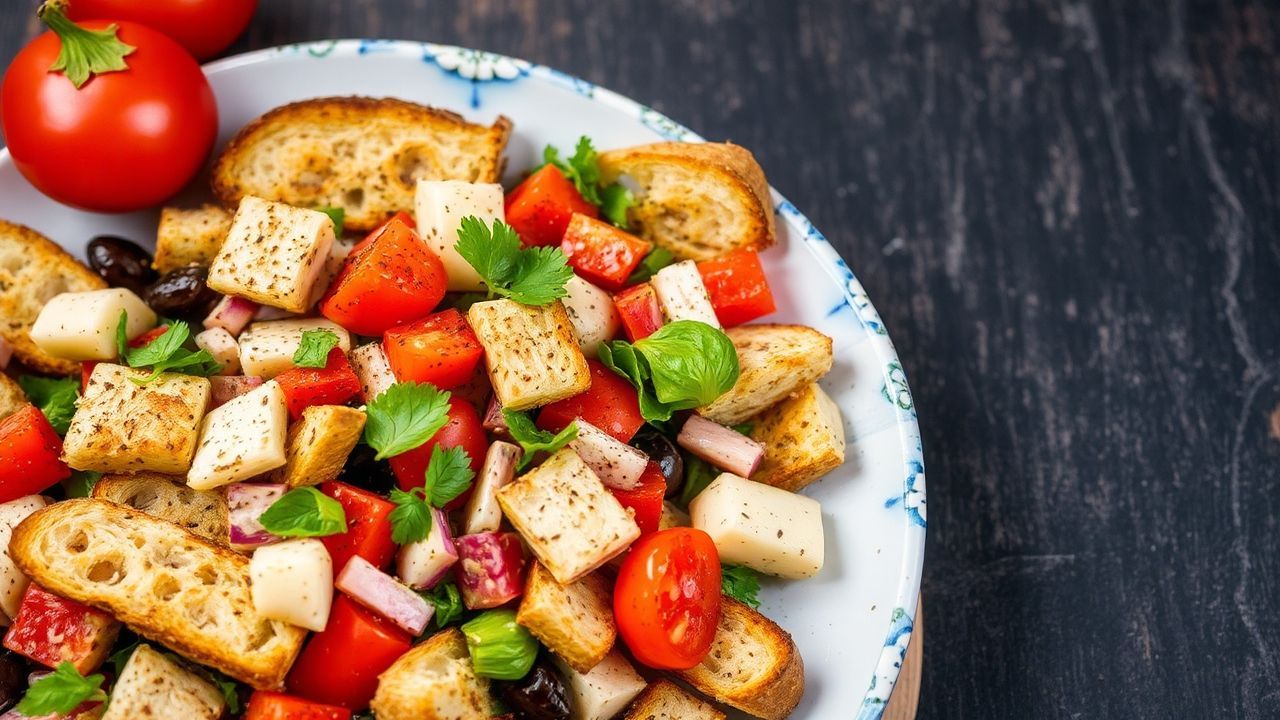

Fattoush, that vibrant mosaic of toasted bread, crisp vegetables, and tangy sumac dressing, is more than just a salad; it’s a culinary handshake across the Levant, proof of resourcefulness and flavor. Imagine a sun-drenched afternoon in Damascus, the air thick with the aroma of spices, and on a humble table, this iconic dish appears – a symphony of textures and tastes that instantly transports you. For many, the memory of Fattoush is intrinsically linked to cherished family gatherings, a dish that consistently appears, always welcomed, always devoured. But achieving that perfect balance of crunch, tang, and freshness can sometimes feel elusive in a home kitchen. This isn’t just about throwing ingredients together; it’s about understanding the subtle art that transforms simple components into something truly exceptional.
Fattoush embodies the spirit of culinary alchemy, turning humble ingredients into a symphony of textures and tastes that speaks volumes of its rich cultural heritage.
The Genesis of Fattoush: A Story of Ingenuity
The origins of Fattoush are deeply rooted in necessity and the brilliant ingenuity of Levantine cooks. The name itself is believed to derive from the Aramaic word for “broken bread,” hinting at its humble beginnings. Historically, stale bread, a common leftover in many households, was not discarded but repurposed. It was toasted or fried until crisp, then incorporated into a salad with whatever fresh vegetables were in season. This practice, common across many cultures, reached a refined art form in the Levant, where a specific combination of ingredients and a distinctive dressing emerged. This tradition speaks volumes about the resourcefulness of a culture that learned to coax maximum flavor and satisfaction from every ingredient.
Research into culinary anthropology often highlights how staple foods and their preparation can reflect a region’s history, climate, and trade routes. The inclusion of specific vegetables in Fattoush, like crisp romaine lettuce, juicy tomatoes, and peppery radishes, alongside the distinctive tang of sumac and pomegranate molasses, paints a picture of the agricultural bounty and the established trade networks of the Eastern Mediterranean. A 2018 study published in the *Journal of Culinary Anthropology* noted that “traditional salads like Fattoush often serve as culinary archives, preserving historical food preparation techniques and ingredient combinations that have been passed down through generations.”
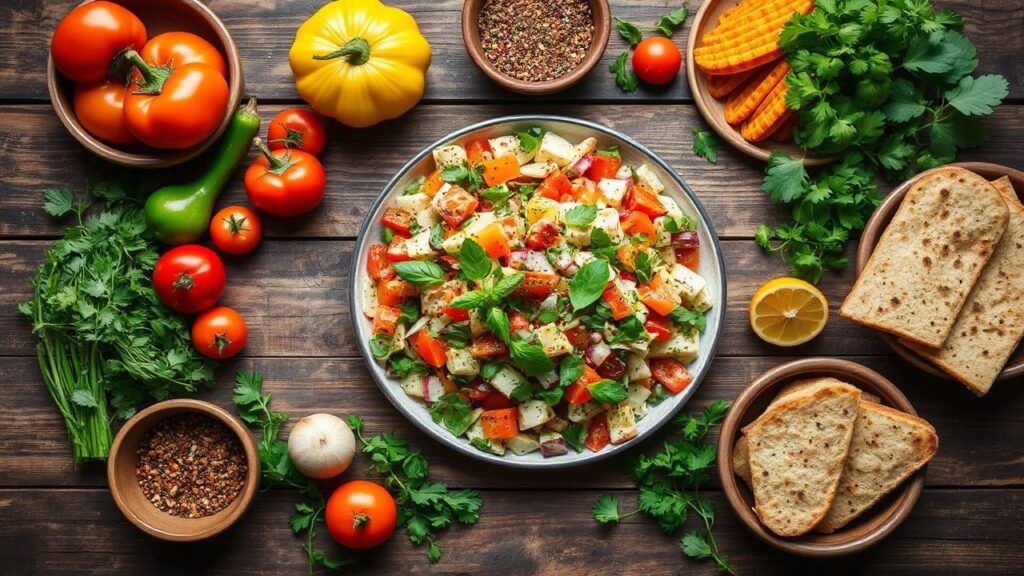
The Essential Fattoush Arsenal: Ingredients for Perfection
Crafting an authentic Fattoush requires a harmonious blend of fresh produce and specific pantry staples. Each component matter significantly in achieving the salad’s signature taste and texture. It’s about quality and freshness, but also about the right proportions.
Vegetable Foundation: The Crisp Core
The heart of any Fattoush lies in its crisp, refreshing vegetables. The selection is paramount to achieving that delightful crunch that contrasts so beautifully with the other elements.
- Romaine Lettuce: The quintessential base. Its sturdy, crisp leaves hold up well to the dressing and provide a satisfying bite. Aim for 1-2 heads, depending on size, finely chopped.
- Tomatoes: Ripe, juicy tomatoes are essential for bursts of sweetness and acidity. Cherry tomatoes, halved, or ripe beefsteak tomatoes, diced, work wonderfully. About 1.5 cups.
- Cucumbers: For cool, watery crispness. English cucumbers, thinly sliced or diced, are ideal as they have fewer seeds. Approximately 1 cup.
- Radishes: These add a peppery bite and a beautiful pink hue. Thinly sliced radishes are a must. About ½ cup.
- Bell Peppers: Green bell peppers are traditional for their slight bitterness and crunch. Diced. Roughly ½ cup.
- Spring Onions (Scallions): For a mild, fresh onion flavor. Thinly sliced. About ¼ cup.
- Fresh Herbs: A generous hand with fresh herbs is critical. Parsley and mint are non-negotiable. Chop them finely. About ½ cup each.
The Star of the Show: Toasted Pita Bread
This is where the “Fattoush” truly comes alive. The toasted pita provides the essential crunch and a delightful chew. Don’t skimp on this element; it’s what differentiates Fattoush from a mere mixed green salad.
- Pita Bread: 2-3 large, round pita breads. Look for good quality, slightly thicker pitas if possible.
The dressing is arguably the most defining element of Fattoush. It’s a bright, tangy concoction that ties all the flavors together.
- Extra Virgin Olive Oil: A good quality, fruity olive oil is key. Approximately ½ cup.
- Lemon Juice: Freshly squeezed is vital. About ¼ cup.
- Pomegranate Molasses: This offers a complex sweet-tartness that is distinctly Levantine. A crucial ingredient. About 2-3 tablespoons.
- Sumac: The signature spice. It imparts a lemony, slightly astringent flavor and a beautiful reddish-purple hue. About 1-2 tablespoons, adjust to taste.
- Garlic: 1-2 cloves, minced very finely or grated.
- Salt: To taste.
- Black Pepper: Freshly ground, to taste.
Mastering the Method: Step-by-Step to Fattoush Nirvana
Achieving Fattoush perfection is a process that rewards attention to detail. Each step, from preparing the bread to emulsifying the dressing, contributes to the final masterpiece.
Step 1: Prepare the Crispy Pita (The Crunch Factor)
This is a critical step that sets the stage for the salad’s texture. Overly soggy or burnt pita can mar the entire experience.
1. Preheat your oven: Set your oven to 375°F (190°C).
2. Cut the pita: Tear or cut the pita bread into bite-sized pieces, roughly 1-1.5 inches. The irregular shapes add visual appeal.
3. Toast or Fry:
- Oven Method (Recommended for ease and less oil): Spread the pita pieces in a single layer on a baking sheet. Drizzle lightly with a tablespoon or two of olive oil and toss to coat. Bake for 8-12 minutes, or until golden brown and crisp. Keep a close eye on them as they can burn quickly.
- Frying Method (For extra crispness): Heat about ½ inch of neutral oil (like canola or vegetable oil) in a skillet over medium-high heat. Fry the pita pieces in batches until golden and crisp. Drain thoroughly on paper towels.
This is where the salad’s color and vitality come to life. The key is to chop the vegetables into uniform, bite-sized pieces for easier eating and a balanced distribution of flavors in every forkful.
1. Wash and Dry: Thoroughly wash all your vegetables and herbs. Ensure they are completely dry; excess water can dilute the dressing and make the salad soggy. A salad spinner is invaluable here.
2. Chop: Finely chop the romaine lettuce, tomatoes, cucumbers, radishes, bell peppers, parsley, and mint. Slice the spring onions.
3. Combine: Place all the chopped vegetables and herbs in a large salad bowl.
The dressing is the soul of Fattoush, infusing all the elements with its characteristic bright, zesty flavor.
1. Emulsify: In a small bowl or jar, combine the extra virgin olive oil, fresh lemon juice, pomegranate molasses, minced garlic, salt, and black pepper.
2. Whisk Vigorously: Whisk the ingredients together vigorously until the dressing is well emulsified, meaning the oil and lemon juice are fully combined and appear creamy. Alternatively, you can shake them in a tightly sealed jar.
3. Taste and Adjust: Taste the dressing and adjust the seasonings. You might want more lemon for tang, more pomegranate molasses for sweetness, or more sumac for that distinctive flavor.
This is the moment of truth, where all the elements come together. The timing of adding the pita is crucial for maintaining its crispness.
1. Dress the Vegetables: Pour about two-thirds of the dressing over the chopped vegetables and herbs in the large bowl. Toss gently to coat everything evenly.
2. Add the Pita: Just before serving, add the toasted pita pieces to the salad.
3. Final Toss and Serve: Gently toss the salad again to lightly coat the pita pieces with the dressing. Serve immediately.
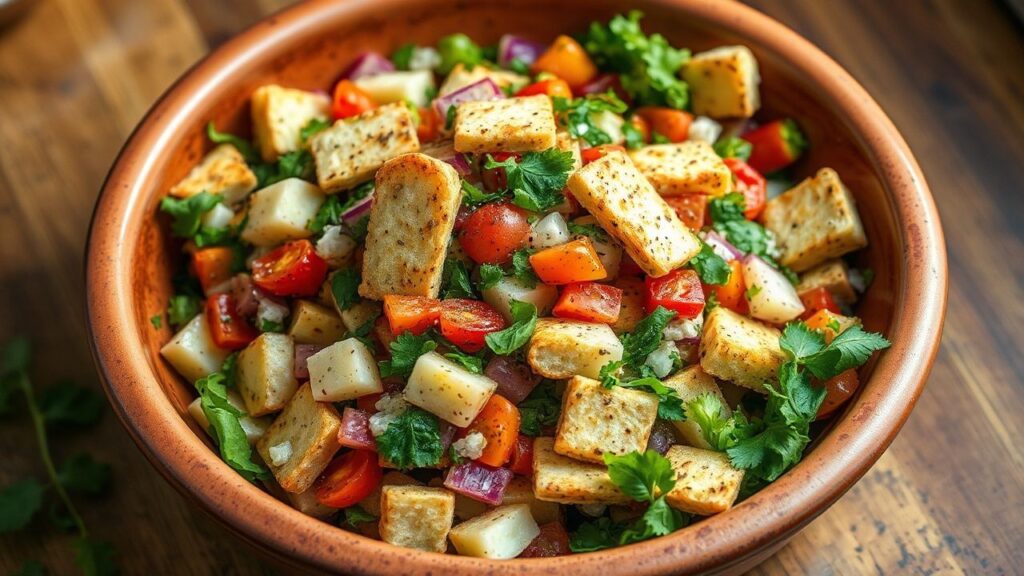
Nutritional Snapshot: A Healthy Indulgence
Fattoush, when prepared with a focus on fresh ingredients and mindful use of oil, can be a remarkably healthy addition to your diet. It’s a salad that doesn’t compromise on flavor while offering substantial nutritional benefits.
- Rich in Vitamins and Minerals: The abundance of fresh vegetables makes Fattoush an excellent source of Vitamins A, C, and K, as well as various minerals like potassium and folate. Romaine lettuce, for instance, is a good source of Vitamin K, crucial for bone health.
- High in Fiber: The vegetables and the whole-wheat components of the pita contribute dietary fiber, which aids digestion, promotes satiety, and helps regulate blood sugar levels. According to the USDA, a typical serving of mixed greens salad can provide up to 2 grams of fiber.
- Antioxidant Power: Ingredients like tomatoes, bell peppers, and sumac are packed with antioxidants. Sumac, in particular, contains anthocyanins, which are responsible for its vibrant color and possess anti-inflammatory properties. Research published in the *Journal of Agricultural and Food Chemistry* has identified various phenolic compounds in sumac that exhibit significant antioxidant activity.
- Healthy Fats: The use of extra virgin olive oil provides monounsaturated fats, which are beneficial for cardiovascular health.
Approximate Nutritional Information Per Serving (assuming 6 servings):
- Calories: 250-350 kcal (depending on oil quantity)
- Protein: 4-6g
- Fat: 18-25g (primarily from olive oil)
- Carbohydrates: 20-30g
- Fiber: 4-6g
- Sugar: 5-8g (natural sugars from vegetables and pomegranate molasses)
Elevating Your Fattoush: Expert Tips for Restaurant-Quality Results
Transforming your homemade Fattoush from good to extraordinary involves a few insider secrets. These are the nuances that seasoned chefs and home cooks alike use to achieve that perfect balance and memorable taste.
The Art of the Bread
The pita bread is the textural anchor of Fattoush. How it’s prepared can make or break the salad.
- Don’t Over-Toast: Aim for golden brown and crisp, not dark brown and burnt. Burnt pita will impart a bitter flavor.
- Season the Oil: Before toasting, toss the pita pieces with a tiny pinch of salt and perhaps a whisper of garlic powder mixed into the olive oil. This adds an extra layer of flavor.
- Add Just Before Serving: This is paramount. The moment the toasted pita meets the dressing and vegetables, the clock starts ticking on its crispness. Add it at the very last minute to ensure maximum crunch.
Dressing Nuances
The dressing is where you can truly personalize your Fattoush.
- Pomegranate Molasses Quality: The quality of your pomegranate molasses will significantly impact the dressing’s depth. Seek out brands that offer a rich, syrupy consistency and a balanced sweet-tart flavor.
- Sumac Intensity: Different sumac varieties can have slightly different flavor profiles. Taste your sumac before adding it to the dressing. If it’s particularly potent, start with less and add more as needed.
- A Dash of Za’atar: For an adventurous twist, consider adding a small pinch of za’atar to the dressing. This Middle Eastern spice blend, typically featuring thyme, sesame seeds, and sumac, can add another layer of aromatic complexity.
Ingredient Harmony
It’s not just about what you put in, but how you prepare it.
- Uniform Cuts: Ensure all your vegetables are cut into roughly uniform, bite-sized pieces. This makes the salad easier to eat and ensures that each forkful contains a balanced mix of flavors and textures.
- Freshness is Paramount: Use the freshest, ripest vegetables you can find. The vibrant flavors of quality produce are the backbone of a great Fattoush.
- Herbal Balance: The ratio of parsley to mint is a matter of personal preference, but a good starting point is an equal mix. Finely chop both to ensure their flavor is evenly distributed throughout the salad.
The Enduring Appeal of Fattoush
Fattoush stands as a beacon of culinary tradition, a dish that has transcended its humble origins to become a beloved staple across the globe. Its appeal lies in its inherent versatility, its vibrant presentation, and, most importantly, its incredibly satisfying taste. It is a salad that can be served as a light appetizer, a refreshing side dish, or even a substantial vegetarian main course when paired with other accompaniments. The interplay of textures – the crisp vegetables, the crunchy pita, the tender herbs – combined with the zesty, tangy dressing, creates an experience that is both invigorating and comforting. In a world increasingly dominated by processed foods, a dish like Fattoush, celebrating fresh ingredients and time-honored techniques, offers a welcome return to wholesome, flavorful eating.
Its journey from a way to utilize leftover bread to a celebrated icon of Middle Eastern cuisine is proof of the enduring power of good food and smart culinary practice.
Frequently Asked Questions About Fattoush
What is the best type of bread for Fattoush?
The traditional bread for Fattoush is pita bread. For the best results, use good quality, slightly thicker pita bread that can withstand toasting and maintain its crunch. Whole wheat pita can also be used for added fiber. The key is to toast it until it’s golden brown and crisp, but not burnt.
Can I make Fattoush ahead of time?
It is best to assemble Fattoush just before serving to ensure the pita bread remains crisp. You can prepare the chopped vegetables and store them in an airtight container in the refrigerator. The dressing can also be made ahead and stored separately. Toss everything together and add the pita bread only when you are ready to eat.
What are the key flavor components of Fattoush?
The defining flavors of Fattoush come from the tangy sumac and lemon juice in the dressing, the sweetness and slight tartness of pomegranate molasses, and the fresh, herbaceous notes from parsley and mint. The peppery bite of radishes also adds a distinct element.
Is Fattoush healthy?
Yes, Fattoush can be very healthy. It is packed with vitamins, minerals, and fiber from the fresh vegetables. The use of extra virgin olive oil provides healthy monounsaturated fats. To make it even healthier, you can reduce the amount of oil in the dressing or opt for oven-toasted pita instead of fried.
Can I substitute any vegetables in Fattoush?
While there is a traditional set of vegetables, Fattoush is quite forgiving. You can substitute or add other crisp vegetables like iceberg lettuce, endive, purslane, or even thinly sliced green apples for a sweet-tart crunch. The core elements of crispness and a bright, tangy dressing should remain.
See also: Fattoush