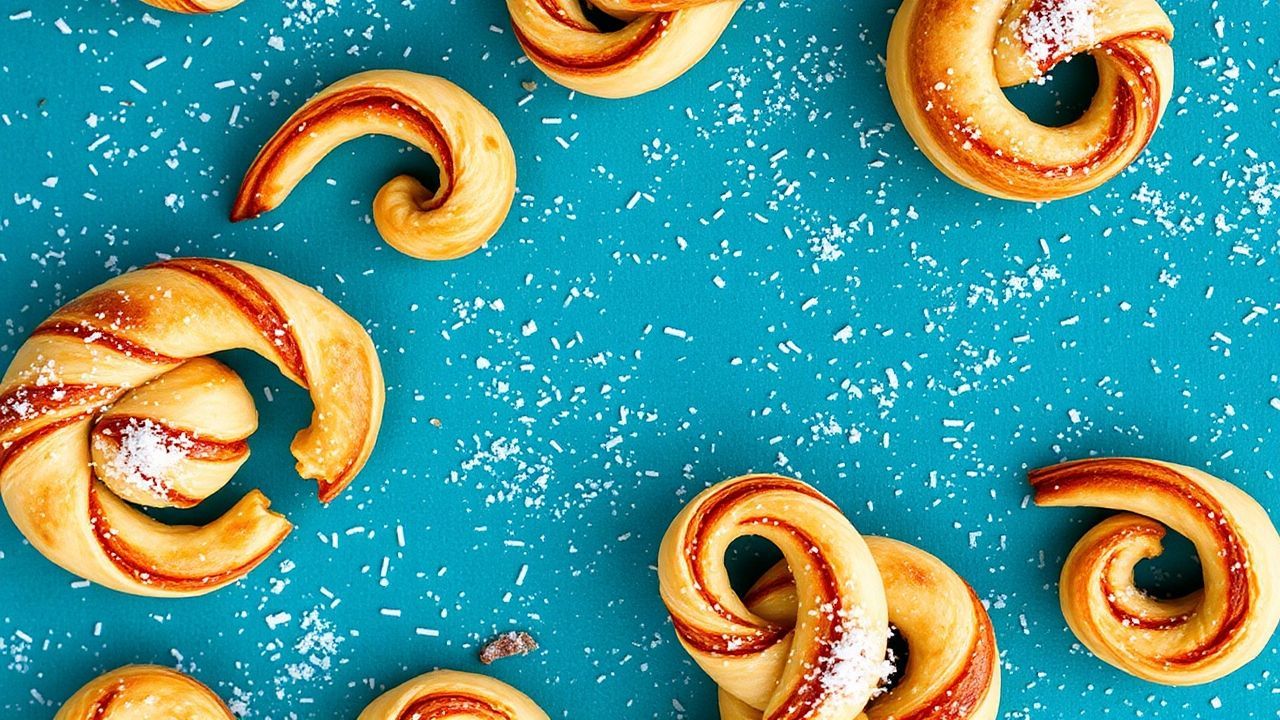

“Baking is a science, but it’s also an art. It’s about precision, but it’s also about passion.” This sentiment perfectly encapsulates the magic of creating Flaky Cinnamon Twists: Puff Pastry’s Sweetest Delight. Imagine golden, buttery layers shattering with each bite, releasing a fragrant wave of warm cinnamon and sweet sugar. These aren’t just pastries; they are small, edible moments of joy, born from the alchemical transformation of simple ingredients. Flaky cinnamon twists, proof of the versatility of puff pastry, have captivated palates across cultures for generations. Their inherent elegance lies in their deceptive simplicity, offering a complex symphony of textures and flavors that delight both the novice baker and the seasoned connoisseur. This guide aims to demystify the creation of these beloved treats, exploring the nuanced techniques and insider secrets that elevate them from good to absolutely unforgettable.
Key Takeaways: Mastering Flaky Cinnamon Twists
- Understanding puff pastry’s delicate layering is crucial for achieving superior flakiness.
- Precise temperature control during preparation prevents butter layers from melting, ensuring lift.
- A balanced cinnamon-sugar mixture, applied judiciously, is key to flavor without compromising crispness.
- Twisting technique directly influences the caramelization and final texture of the twists.
At the heart of every perfect Flaky Cinnamon Twists: Puff Pastry’s Sweetest Delight lies the remarkable foundation of puff pastry. This isn’t just any dough; it’s a culinary marvel, meticulously crafted through a process known as “laminating.” This involves repeatedly folding and rolling butter into dough, creating dozens, if not hundreds, of ultra-thin layers. When subjected to the heat of the oven, the water content within these butter layers rapidly turns to steam. This powerful expansion forces the dough layers apart, creating the signature airy, ethereal, and exceptionally flaky texture that defines true puff pastry. The quality of the butter used is paramount; “all-butter” puff pastry, as opposed to those made with vegetable shortenings, imparts a richer flavor and a superior crispness that is simply unmatched. The development of this technique is often attributed to French chefs, though similar layered doughs have historical precedents in various European baking traditions.
The process of creating puff pastry, known as lamination, is a labor of love that demands patience and precision. It begins with a simple dough (flour, water, salt) and a block of cold butter. The butter is encased within the dough, and then the entire package is rolled out and folded. This “turn,” as it’s called in pastry-making, is repeated multiple times, with chilling periods in between. Each turn strategically increases the number of butter and dough layers. A typical puff pastry might undergo four to six turns, resulting in hundreds of alternating layers. This intricate structure is what allows the pastry to “puff” dramatically in the oven, creating those delicate, shatteringly crisp strata that are the hallmark of this delightful dough.
For those seeking the ultimate Flaky Cinnamon Twists: Puff Pastry’s Sweetest Delight, the choice of puff pastry is non-negotiable. Opting for high-quality, all-butter puff pastry will yield the most authentic and delicious results. Many commercial brands use a combination of butter and vegetable oils or fats, which can compromise the flavor and texture. While these alternatives can still produce a decent puff, the nuanced, rich flavor and superior crispness derived from pure butter are unparalleled. When purchasing, look for labels that explicitly state “all-butter” or “butter-based.” Furthermore, ensure the pastry is handled minimally and kept cold throughout the preparation process.
The soul of the cinnamon twist lies in its filling. The harmonious marriage of warm, aromatic cinnamon and sweet granulated sugar is what transforms plain puff pastry into an irresistible treat. Achieving the perfect balance is an art form. Too little sugar, and the cinnamon can be overpowering or the twist lacks sweetness. Too much, and it can lead to a sticky, overly sweet filling that may even burn before the pastry is fully baked. The addition of a hint of nutmeg can introduce a subtle layer of complexity, deepening the warm spice profile without becoming overtly dominant. Vanilla extract, too, can play a quiet but crucial role, rounding out the flavors and adding a touch of aromatic depth.
The classic ratio for cinnamon sugar is typically two parts sugar to one part cinnamon, but this is a guideline, not a rigid rule. For Flaky Cinnamon Twists: Puff Pastry’s Sweetest Delight, personal preference plays a significant role. A good starting point is 1/2 cup of granulated sugar to 2 teaspoons of cinnamon. If you prefer a more pronounced cinnamon flavor, you might increase the cinnamon slightly, perhaps to 2.5 teaspoons. Conversely, if you have a sweeter tooth, you might lean closer to a 3:1 ratio. The key is to mix the components thoroughly to ensure an even distribution of flavor throughout the twist.
While the classic cinnamon sugar blend is divine, there are numerous ways to enhance the filling for even more sophisticated Flaky Cinnamon Twists: Puff Pastry’s Sweetest Delight. A pinch of cardamom can introduce an exotic, slightly floral note that pairs beautifully with cinnamon. A whisper of ground ginger can add a subtle warmth and a touch of zest. For those who enjoy a richer, more complex flavor, a small amount of brown sugar can be incorporated alongside granulated sugar, lending a slight caramel undertone. Some bakers even experiment with a tiny amount of finely ground espresso powder, which can intensify the chocolate notes if chocolate is added to the mix.
[IMAGE_PROMPT: Close-up shot of a bowl filled with a perfectly mixed cinnamon and sugar blend, ready to be sprinkled onto puff pastry, highlighting the texture and color of the spices.]
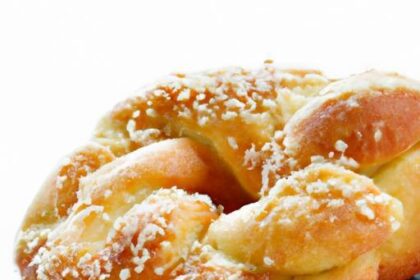
The assembly of Flaky Cinnamon Twists: Puff Pastry’s Sweetest Delight is where the pastry truly begins to take its iconic form. Once the puff pastry is rolled and the cinnamon sugar blend is evenly sprinkled, the careful cutting and twisting process begins. Slicing the dough into uniform strips is essential for consistent baking. The twisting itself is not merely for aesthetics; it creates nooks and crannies where the cinnamon sugar can caramelize beautifully during baking, resulting in pockets of intense flavor and delightful crispness. Each twist should be handled gently to preserve the delicate layers of the puff pastry.
Using a sharp knife or a pizza cutter is crucial for slicing the puff pastry into clean, even strips. A dull blade can drag and tear the delicate dough, disrupting the layers and potentially leading to uneven puffing. For approximately 12 twists from a standard sheet, strips of about 1 inch in width are ideal. Ensuring these strips are of uniform size guarantees that all the cinnamon twists will bake at the same rate, preventing some from burning while others remain undercooked.
The signature spiral of a cinnamon twist is achieved by taking each strip of dough and gently twisting it multiple times. This action not only creates the appealing visual spiral but also introduces tension into the dough, which encourages dramatic puffing. The twists should be spaced adequately on the baking sheet, as puff pastry expands significantly during baking. Leaving about 2-3 inches between each twist allows for this expansion without them merging into a single mass.
The final stage in creating Flaky Cinnamon Twists: Puff Pastry’s Sweetest Delight is the baking process. This is where the magic truly happens, as the oven’s heat transforms the pale dough into golden, puffed masterpieces. Preheating the oven to the correct temperature is paramount. A high temperature, typically around 400°F (200°C), is necessary to rapidly activate the steam within the puff pastry layers, causing them to puff up quickly and create that signature flaky texture. Rotating the baking sheet halfway through the baking time ensures even browning and crispness on all sides.
Before baking, brushing the twisted pastries with an egg wash is a simple yet highly effective step. An egg wash, typically made from a beaten egg mixed with a tablespoon of water or milk, creates a beautiful golden-brown sheen on the surface of the pastry as it bakes. This not only enhances the visual appeal but also contributes to a delightful crispness on the exterior. Ensure the egg wash is applied evenly, but avoid letting it drip down the sides of the twists, as this can seal the layers together and inhibit puffing.
Baking time for Flaky Cinnamon Twists: Puff Pastry’s Sweetest Delight typically ranges from 18 to 20 minutes. However, ovens can vary, so it’s essential to monitor the twists closely. They are ready when they have puffed up significantly, display a deep golden-brown color, and their edges appear crisp and slightly caramelized. If the tops are browning too quickly, you can loosely tent the baking sheet with aluminum foil. Conversely, if they are not browning sufficiently, a brief period under the broiler (watched with extreme care) might be an option, though this carries a risk of burning.
[IMAGE_PROMPT: A baking sheet filled with perfectly golden-brown, puffed cinnamon twists, fresh from the oven, with a slight dusting of powdered sugar.]
Achieving truly exceptional Flaky Cinnamon Twists: Puff Pastry’s Sweetest Delight often comes down to a few key expert insights that go beyond the basic recipe. These are the nuanced details that separate good from extraordinary, ensuring every batch is a triumph of texture and flavor. Mastering these tips will elevate your baking from satisfactory to spectacular.
The most critical factor in achieving perfect puff pastry is maintaining cold temperatures throughout the preparation. Butter acts as a barrier between the dough layers. When the pastry bakes, the butter melts and creates steam, pushing the layers apart. If the butter melts prematurely during preparation, these distinct layers will meld together, resulting in a dense, greasy pastry rather than a light, flaky one. This means working quickly, keeping your hands cool, and using a chilled work surface. If the dough feels warm or sticky at any point, don’t hesitate to refrigerate it for 15-30 minutes before proceeding.
Puff pastry is a delicate creation. While it can withstand some manipulation, excessive force or aggressive handling can break down the carefully constructed layers. When rolling, use even pressure and avoid pressing too hard. When cutting and twisting, be gentle and deliberate. This mindful approach ensures that the integrity of the dough layers is maintained, allowing for maximum puff and crispness.
Once you’ve mastered the classic Flaky Cinnamon Twists: Puff Pastry’s Sweetest Delight, the possibilities for creative variation and delightful serving are endless. These twists are incredibly versatile, lending themselves to both simple pleasures and more elaborate culinary presentations. Experimenting with different additions and accompaniments can transform them into a centerpiece for any occasion.
Beyond the traditional cinnamon and sugar, consider these exciting flavor enhancements:
- Chocolate Drizzle: Melted dark or milk chocolate drizzled over cooled twists adds a decadent touch.
- Nutty Crunch: Incorporate finely chopped pecans, walnuts, or almonds into the cinnamon sugar mixture for added texture and flavor.
- Glazed Delights: A simple icing made from powdered sugar and milk or lemon juice creates a sweet, tangy glaze. A cream cheese glaze offers a richer, more indulgent option.
- Fruit Infusion: A very thin layer of fruit preserves, like apricot or raspberry jam, can be spread over the buttered pastry before sprinkling with cinnamon sugar for a fruity twist.
The ideal accompaniment can elevate the experience of enjoying Flaky Cinnamon Twists: Puff Pastry’s Sweetest Delight.
- Morning Coffee: They are a natural partner to a freshly brewed cup of coffee, offering a sweet counterpoint to the bitterness.
- Afternoon Tea: Serve them alongside a pot of Earl Grey or a refreshing herbal tea for a sophisticated afternoon treat.
- Brunch Staple: Their light yet satisfying nature makes them a perfect addition to a brunch spread, especially when paired with fresh berries or a dollop of whipped cream.
- Dessert Indulgence: For a more dessert-focused option, serve them warm with a scoop of vanilla bean ice cream or a drizzle of caramel sauce.
[IMAGE_PROMPT: A beautifully styled serving platter showcasing several flaky cinnamon twists, some plain, some drizzled with chocolate, alongside a cup of coffee and a small bowl of berries.]
The ideal baking temperature for Flaky Cinnamon Twists: Puff Pastry’s Sweetest Delight is generally high, around 400°F (200°C). This high heat is crucial for rapidly expanding the butter layers within the puff pastry, creating the signature flaky texture. Starting at a higher temperature helps the pastry puff up quickly, while a slightly lower temperature might be used if they are browning too fast, to ensure the interior cooks through without burning the exterior. Always consult your specific puff pastry package instructions, as they can sometimes provide recommended baking temperatures.
Yes, absolutely! The cinnamon sugar mixture for your Flaky Cinnamon Twists: Puff Pastry’s Sweetest Delight can be prepared well in advance and stored in an airtight container at room temperature. This is a great time-saving step, especially if you plan to make the twists frequently. Ensure the mixture is completely dry and free of any clumping before storing. When you’re ready to bake, simply measure out the required amount. This allows for efficient preparation when you have a craving for these delicious pastries.
Sogginess is the enemy of a perfectly flaky twist. To prevent this, ensure your puff pastry is handled with care and kept cold during assembly. Avoid over-sprinkling the cinnamon sugar, as excess sugar can melt and create a wet layer. After baking, allow the twists to cool slightly on a wire rack. This permits air circulation, preventing steam from accumulating underneath and making the bottom crust soggy. If storing, use an airtight container, but be aware that they are best enjoyed fresh for maximum crispness. Reheating them briefly in a moderate oven can help restore some crispness if they have softened.
While both puff pastry and filo dough are known for their delicate, layered textures, they are fundamentally different. Puff pastry is made by laminating butter into dough, creating dozens of layers that puff dramatically when baked due to steam expansion. Filo dough, on the other hand, is made from a simple flour and water dough that is rolled out extremely thin, often to the point of transparency. It is then brushed with butter or oil and layered multiple times to achieve a crisp, flaky result. Filo dough is typically used in desserts like baklava or savory dishes like spanakopita, offering a different kind of crispness compared to the airy lightness of puff pastry.
The journey to creating perfect Flaky Cinnamon Twists: Puff Pastry’s Sweetest Delight is one of precision, patience, and a touch of passion. By understanding the fundamental principles of puff pastry, meticulously preparing your cinnamon sugar blend, and employing careful assembly and baking techniques, you are well on your way to producing a truly exceptional treat. Remember that the quality of your ingredients, particularly the puff pastry itself, plays a significant role in the final outcome. Don’t be afraid to experiment with the variations suggested, and always trust your senses to guide you towards that perfect golden hue and irresistible aroma. The satisfaction of pulling a tray of these beautiful, flaky twists from your oven is immense, and sharing them is even sweeter. Happy baking!
RELATED TOPICS: Puff Pastry Recipes, Cinnamon Desserts, Easy Baking, European Pastries, Sweet Breads
See also: Flaky Cinnamon Twists: Puff Pastry’s Sweetest Delight