
The Humble Stir Fry: A Culinary Chameleon Worthy of Reverence
Let’s dispel a common misconception right at the outset: the “easy” Asian stir fry recipe, while accessible, is often oversimplified to the point of culinary mediocrity. Many home cooks, seduced by the promise of speed, resort to a frantic tossing of pre-cut vegetables and a nondescript sauce, resulting in a dish that’s merely a collection of disparate ingredients rather than a harmonious symphony of flavors and textures. This is a disservice to a cooking technique that, when mastered, can elevate humble ingredients into a vibrant, deeply satisfying meal. The stir fry, at its core, is an art form, proof of the power of high heat, precise timing, and balanced seasoning. It’s a culinary chameleon, adaptable to virtually any protein, vegetable, or starch, capable of transporting you from the bustling street food stalls of Bangkok to the refined kitchens of Beijing with a few simple adjustments. This article demystifies the process, not by offering a shortcut, but by providing a foundational understanding and a robust, adaptable recipe that champions both speed and sophistication.
- The Humble Stir Fry: A Culinary Chameleon Worthy of Reverence
- The Pillars of a Perfect Stir Fry: Ingredients and Preparation
- Choosing Your Protein: The Foundation of Flavor
- Vegetable Symphony: Color, Crunch, and Nutrition
- The Soul of the Stir Fry: Crafting the Sauce
- The Art of the Sear: Mastering the Stir Fry Technique
- Nutritional Profile: A Healthier Take on Takeout
- Elevating Your Stir Fry Game: Pro Tips for Restaurant-Quality Results
- Frequently Asked Questions About Stir Fry
At a Glance: Elevating the Everyday Stir Fry
- Master the Mise en Place: The success of a stir fry hinges on having everything prepped and within arm’s reach before the heat is even on. This is non-negotiable.
- Embrace High Heat: Authentic stir-frying requires a searing hot wok or heavy-bottomed pan to achieve that characteristic “wok hei” – the smoky, slightly charred essence that defines the dish.
- Layer Flavors and Textures: A truly great stir fry isn’t just about speed; it’s about the intelligent combination of crisp vegetables, tender protein, and a rich, well-balanced sauce that coats, rather than drowns, the ingredients.
- Customization is Key: This recipe serves as a template. Don’t be afraid to experiment with seasonal produce, different protein sources, and spice levels to make it your own.
The origins of stir-frying are deeply rooted in Chinese culinary history, evolving from a practical necessity of cooking over limited fuel sources to a sophisticated technique celebrated for its ability to preserve nutrients and create vibrant dishes. Its widespread adoption across Asia and subsequently the globe speaks to its inherent versatility and deliciousness. We’ll explore a foundational recipe, dissecting each component – from the protein and vegetables to the soul of the dish, the sauce – and explore how to achieve restaurant-quality results in your own kitchen, proving that “easy” doesn’t have to mean “ordinary.”
The Pillars of a Perfect Stir Fry: Ingredients and Preparation
The bedrock of any exceptional stir fry lies in the quality and preparation of its components. This isn’t a dish where you can haphazardly toss ingredients into a pan and expect magic. The principle of *mise en place* – having all your ingredients prepped, measured, and ready to go – is paramount. The actual cooking time is often mere minutes, so a well-organized station is your greatest ally.
Choosing Your Protein: The Foundation of Flavor
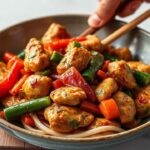
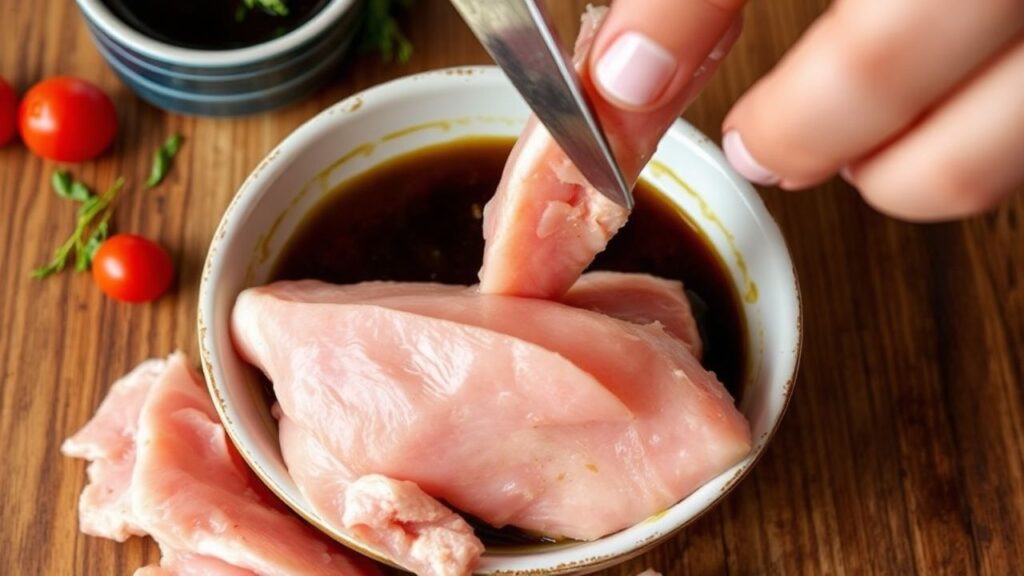
For our foundational recipe, we’ll focus on chicken breast, a lean and versatile option that cooks quickly. However, the possibilities are vast.
- Chicken Breast: Approximately 300-350g (10.5-12 oz), thinly sliced against the grain. Slicing against the grain ensures tenderness.
- Marinade for Protein:
- 1 tablespoon soy sauce (or tamari for gluten-free)
- 1 teaspoon Shaoxing wine (or dry sherry)
- 1/2 teaspoon cornstarch (or arrowroot powder)
- Pinch of white pepper
This simple marinade not only adds a foundational layer of umami but also helps tenderize the protein and gives it a slight coating that helps the sauce adhere later.
Vegetable Symphony: Color, Crunch, and Nutrition
A vibrant stir fry is a visual feast, and this is achieved through a thoughtful selection of vegetables. Aim for a mix of colors and textures. For this recipe, we’ll use a classic combination that offers a delightful crunch and subtle sweetness.
- Broccoli: 1 medium head, cut into bite-sized florets (about 2 cups)
- Bell Pepper: 1 medium, any color (red, yellow, or orange recommended for sweetness), deseeded and thinly sliced
- Carrot: 1 medium, peeled and thinly sliced on the diagonal
- Snow Peas or Sugar Snap Peas: 1 cup, trimmed
- Garlic: 3 cloves, minced
- Ginger: 1 inch piece, peeled and minced
The key here is to cut vegetables into uniform, bite-sized pieces to ensure even cooking. Thicker, denser vegetables like carrots should be sliced thinly or blanched briefly beforehand if you prefer them very tender. Conversely, delicate greens like spinach or bok choy should be added towards the very end.
The Soul of the Stir Fry: Crafting the Sauce
The sauce is where the magic truly happens. A well-balanced sauce provides depth, complexity, and that irresistible glossy finish. This recipe uses a classic savory and slightly sweet profile.
- Sauce Ingredients:
- 1/4 cup (60ml) low-sodium soy sauce (or tamari)
- 2 tablespoons oyster sauce (or vegetarian mushroom sauce)
- 1 tablespoon Shaoxing wine (or dry sherry)
- 1 tablespoon rice vinegar
- 1 teaspoon sesame oil
- 1 teaspoon sugar (or honey/maple syrup)
- 1 teaspoon cornstarch (or arrowroot powder)
- 2-3 tablespoons water or chicken broth (to adjust consistency)
Whisk all sauce ingredients together in a small bowl until the cornstarch is fully dissolved. This ensures a smooth, lump-free sauce that will thicken beautifully.
The Art of the Sear: Mastering the Stir Fry Technique
The physical act of stir-frying is as much about heat management as it is about ingredient coordination. This is where many home cooks falter, often using heat that’s too low, leading to steamed rather than seared ingredients.
Step-by-Step Execution: From Pan to Plate
1. Marinate the Protein: In a medium bowl, combine the thinly sliced chicken with soy sauce, Shaoxing wine, cornstarch, and white pepper. Toss to coat evenly. Let it sit for at least 10 minutes while you prepare the vegetables.
2. Heat the Wok or Pan: Place a wok or a large, heavy-bottomed skillet over high heat. Allow it to get smoking hot. This is crucial. Add 1-2 tablespoons of a high smoke point oil, such as peanut, canola, or grapeseed oil. Swirl to coat the pan.
3. Sear the Protein: Add the marinated chicken to the hot pan in a single layer. Avoid overcrowding the pan; cook in batches if necessary. Let the chicken sear undisturbed for about 1-2 minutes until golden brown on one side. Then, stir-fry until cooked through and lightly browned. Remove the chicken from the pan and set aside.
4. Sauté Aromatics: Add another teaspoon of oil to the pan if needed. Add the minced garlic and ginger and stir-fry for about 30 seconds until fragrant. Be careful not to burn them.
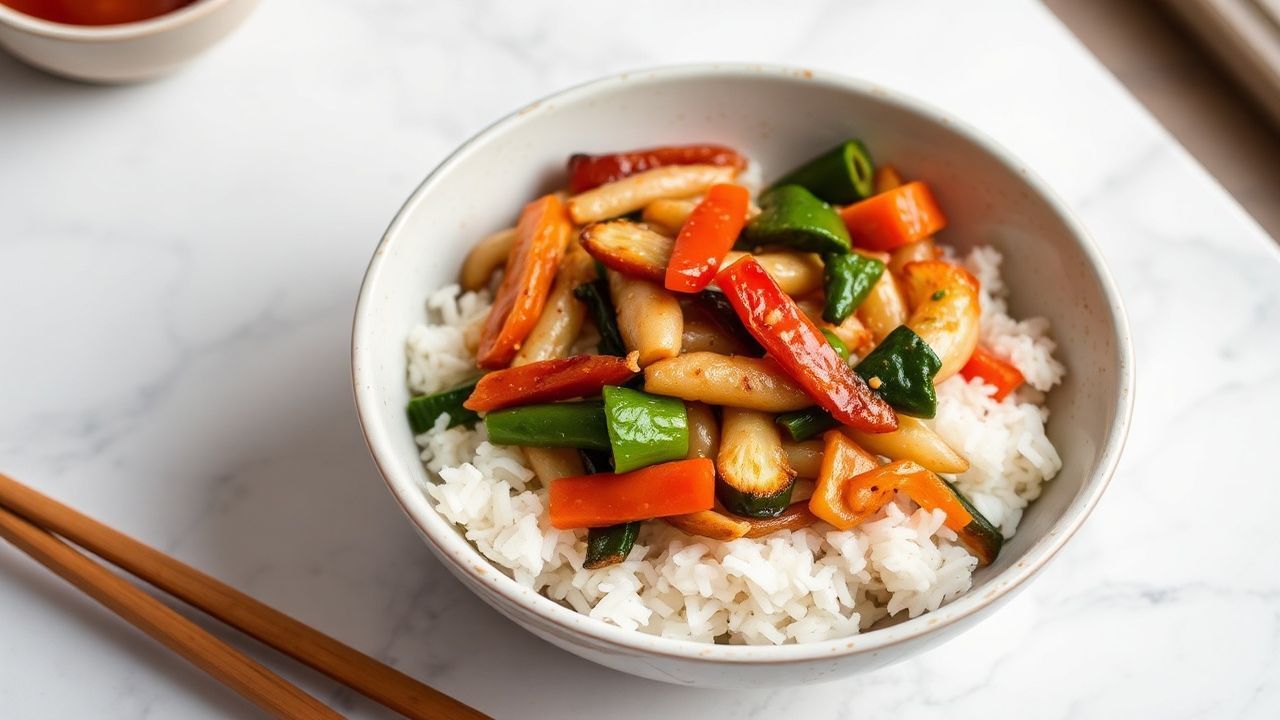
5. Cook the Vegetables: Add the harder vegetables first – carrots and broccoli florets. Stir-fry for 2-3 minutes until they start to soften slightly. Then, add the bell pepper and snow peas. Continue to stir-fry for another 2-3 minutes until the vegetables are tender-crisp. You want them cooked through but still retaining a pleasant bite.
-
💡 Expert InsightExpert Insight: The concept of “wok hei” is often attributed to the high heat and rapid cooking that imparts a unique smoky flavor. While achieving true wok hei in a home kitchen can be challenging, maximizing your pan’s heat and ensuring ingredients don’t steam is the closest you can get. This is why using a wok or a cast-iron skillet is highly recommended over a non-stick pan, which may not withstand such high temperatures.
6. Combine and Sauce: Return the cooked chicken to the pan with the vegetables. Give the prepared sauce a quick re-whisk (as the cornstarch may have settled) and pour it over the ingredients. Stir-fry quickly, tossing everything to coat. The sauce will thicken and become glossy within 1-2 minutes.
7. Serve Immediately: Remove from heat and serve hot, ideally over steamed rice or noodles.
Nutritional Profile: A Healthier Take on Takeout
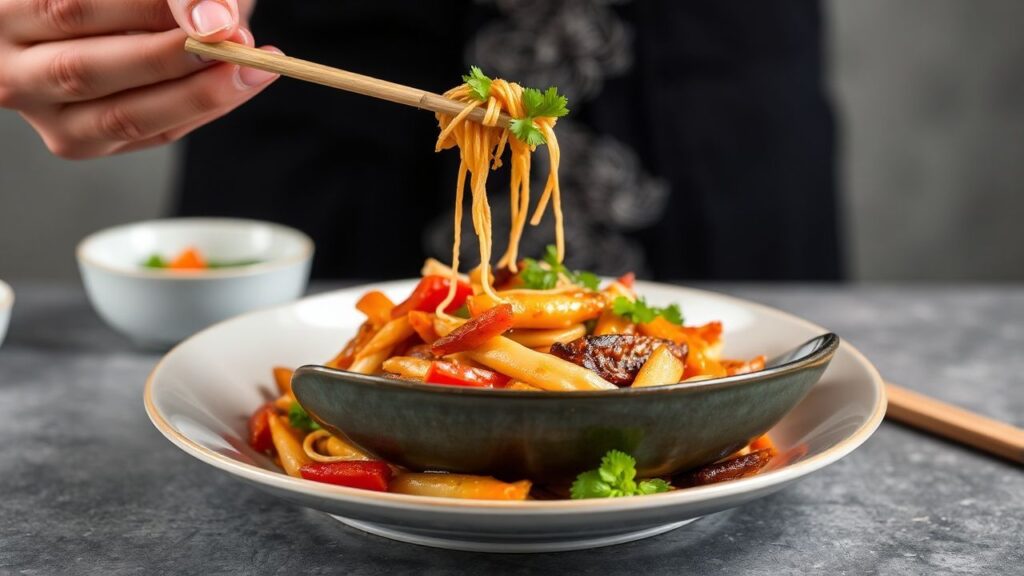
A homemade stir fry, prepared with fresh ingredients and controlled sodium levels, offers a significantly healthier alternative to many takeout options. The specific nutritional content will, of course, vary based on the exact ingredients and portion sizes used, but a typical serving of this chicken and vegetable stir fry, served with steamed rice, would provide a balanced mix of macronutrients and essential vitamins.
Estimated Nutritional Information (Per Serving, approximate):
- Calories: 350-450 kcal
- Protein: 25-30g
- Fat: 10-15g (primarily from cooking oil and sesame oil)
- Saturated Fat: 2-3g
- Carbohydrates: 30-40g (from vegetables and rice/noodles)
- Fiber: 5-7g
- Sugars: 8-12g (natural sugars from vegetables and added sugar in sauce)
- Sodium: 600-800mg (can be significantly reduced by using low-sodium soy sauce and controlling added salt)
This profile demonstrates a dish rich in lean protein, complex carbohydrates, and dietary fiber, while also being a good source of vitamins A and C (from carrots and bell peppers), and B vitamins. For those seeking to further optimize for health, consider substituting half the chicken with firm tofu for added plant-based protein or increasing the vegetable-to-protein ratio.
Elevating Your Stir Fry Game: Pro Tips for Restaurant-Quality Results
While the recipe above provides a solid foundation, a few expert touches can truly transform your stir fry from merely good to exceptional. These are the nuances that separate the home cook from the seasoned chef.
Beyond the Basics: Refinements and Variations
- The Marinade Matters: Don’t underestimate the power of a well-marinated protein. Beyond tenderizing, marinades infuse flavor deep into the meat or tofu. For beef or pork, consider adding a touch of baking soda (a pinch per pound) to the marinade for unparalleled tenderness. For seafood, a shorter marination time is key to prevent it from becoming mushy.
- Vegetable Blanching: For denser vegetables like broccoli or thicker carrot slices, a quick blanch in boiling water (30-60 seconds) followed by an ice bath can ensure they are perfectly tender-crisp without overcooking in the wok. This is a technique often employed in professional kitchens to guarantee even cooking.
- Sauce Consistency Control: If your sauce seems too thin after adding it to the pan, you can create a slurry by mixing 1 teaspoon of cornstarch with 2 teaspoons of cold water and stirring it into the simmering sauce. Conversely, if it’s too thick, a splash of water or broth can thin it out.
- Adding Heat: For a spicier kick, introduce thinly sliced chili peppers (like Thai chilies or jalapeños) along with the garlic and ginger, or add a dash of chili paste (like Sambal Oelek) to the sauce.
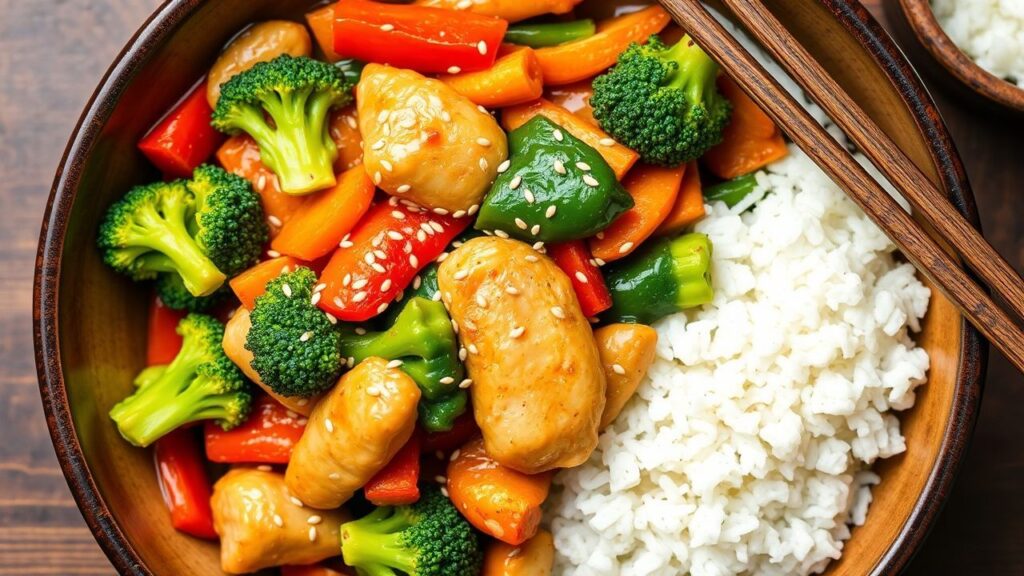
- Texture and Garnish: Consider adding toasted nuts (cashews, peanuts) or seeds (sesame seeds) for an extra layer of crunch and flavor. Fresh herbs like cilantro or chopped scallions make for a beautiful and aromatic garnish.
- The Umami Boost: For an even deeper umami flavor, consider adding a tablespoon of dark soy sauce to the sauce mixture for color and a touch more complexity, or a small amount of mushroom powder.
The beauty of stir-frying lies in its adaptability. Explore different protein sources like thinly sliced beef (flank steak or sirloin), shrimp, or firm tofu. Experiment with a wider array of vegetables: bok choy, mushrooms, water chestnuts, bamboo shoots, baby corn, or even edamame. The sauce can also be endlessly customized. A spicy Szechuan-style sauce might include chili bean paste and a touch of Sichuan peppercorns, while a teriyaki-inspired sauce would lean on mirin and sugar. The fundamental principles of high heat and precise timing, however, remain constant. Learning to stir fry is not just about acquiring a recipe; it’s about developing a technique that unlocks a universe of delicious possibilities. For more detailed explorations into regional Asian sauces, resources like Chinese cuisine offer a wealth of inspiration.
Frequently Asked Questions About Stir Fry
What is the best type of pan for stir frying?
The ideal pan for stir frying is a wok. Its deep, conical shape allows for even heat distribution and easy tossing of ingredients. The high sides also help contain splatters and create a good environment for searing. However, if a wok is not available, a large, heavy-bottomed skillet, such as a cast-iron skillet or a stainless steel pan, can also be used effectively. The key is to ensure it can withstand and maintain very high heat. Avoid using non-stick pans if possible, as they may not reach or maintain the necessary high temperatures without damage.
How do I prevent my vegetables from becoming soggy?
Soggy vegetables are the nemesis of a good stir fry. The primary reasons for this are using insufficient heat or overcrowding the pan. Ensure your pan is smoking hot before adding ingredients. Cook in batches if necessary, allowing each batch to sear properly before removing it and proceeding to the next. Also, cut your vegetables into uniform, bite-sized pieces so they cook evenly and quickly. For denser vegetables like carrots or broccoli, a quick blanch before stir-frying can ensure they are tender-crisp without becoming waterlogged.
Can I prepare stir fry ingredients in advance?
Absolutely, and this is highly recommended for a smooth cooking process! The concept of *mise en place* is critical for stir-frying because the actual cooking time is very short. You can chop all your vegetables, mince your garlic and ginger, slice your protein, and whisk together your sauce ingredients hours or even a day in advance. Store them separately in airtight containers in the refrigerator. This allows you to simply pull them out and start cooking when you’re ready, transforming a potentially rushed meal into an efficient and enjoyable one.
What are some common LSI keywords related to stir fry?
Related terms and concepts that enhance topical authority include: wok cooking, Asian cuisine, quick meals, healthy recipes, vegetable stir fry, chicken stir fry, beef stir fry, tofu stir fry, noodle dishes, rice bowls, high-heat cooking, savory sauces, stir-fry sauce recipe, quick dinners, weeknight meals, Chinese cooking, Thai cooking, Vietnamese cooking, pan-frying, sautéing, martial arts cooking (a historical reference to speed and efficiency).
See also: Stir fry