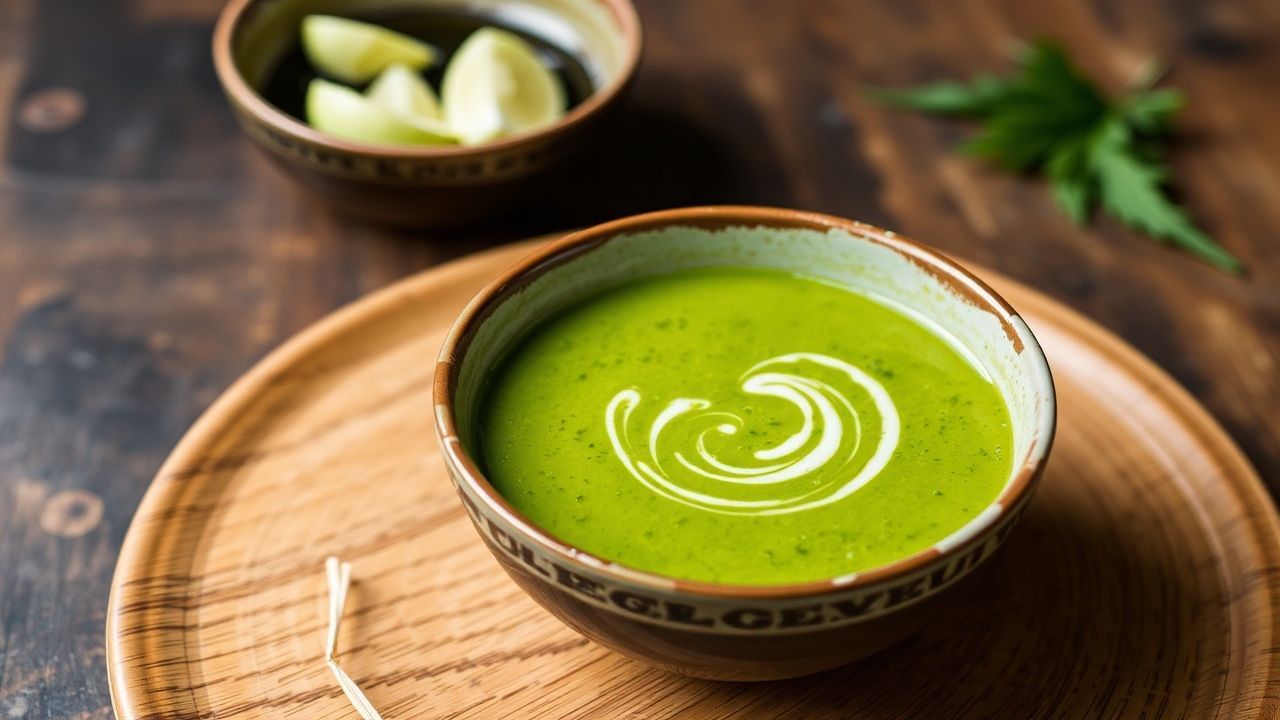

The Soul of Siam: Unveiling the Vegetarian Green Curry
“The secret to great food lies not just in the ingredients, but in the soul you pour into its creation.” – Chef Anya Sharma, culinary historian.
- The Soul of Siam: Unveiling the Vegetarian Green Curry
- Key Takeaways for Vegetarian Green Curry Mastery
- The Foundation: Crafting the Perfect Green Curry Paste
- Ingredient Spotlight: The Heart of the Vegetarian Green Curry
- The Art of Preparation: Step-by-Step to Culinary Bliss
- Expert Insights & Pro-Tips for an Unforgettable Green Curry
- Common Pitfalls to Avoid
- Nutritional Profile of Vegetarian Green Curry
- Conclusion: Your Gateway to Authentic Vegetarian Thai Green Curry
- Frequently Asked Questions (FAQ)
The vibrant, aromatic world of Thai cuisine beckons with its intricate balance of sweet, sour, salty, and spicy notes. At its heart lies the iconic Green Curry, a dish that has captivated palates worldwide. Traditionally made with meat, this masterpiece of flavor can be absolutely stunning when reimagined for a vegetarian audience. Crafting an exceptional vegetarian Green Curry involves understanding the core principles of Thai cooking and adapting them with fresh, high-quality produce and thoughtful ingredient selection. It’s a journey of textures and tastes, a symphony of spices that culminates in a dish that is both comforting and exhilarating. This guide unlocks the secrets to creating a truly brilliant vegetarian Green Curry, far surpassing the ordinary.
Key Takeaways for Vegetarian Green Curry Mastery
- Authenticity is Key: Utilize traditional Thai aromatics like galangal, lemongrass, and kaffir lime leaves for genuine flavor.
- Spice Level Control: Learn to adjust the heat from the green chilies to suit your preference without sacrificing complexity.
- Creamy Texture: Coconut milk is the soul of the curry’s richness; choose full-fat for the best results.
- Vegetable Harmony: Select vegetables that offer a pleasing contrast in texture and absorb the curry sauce beautifully.
The Foundation: Crafting the Perfect Green Curry Paste
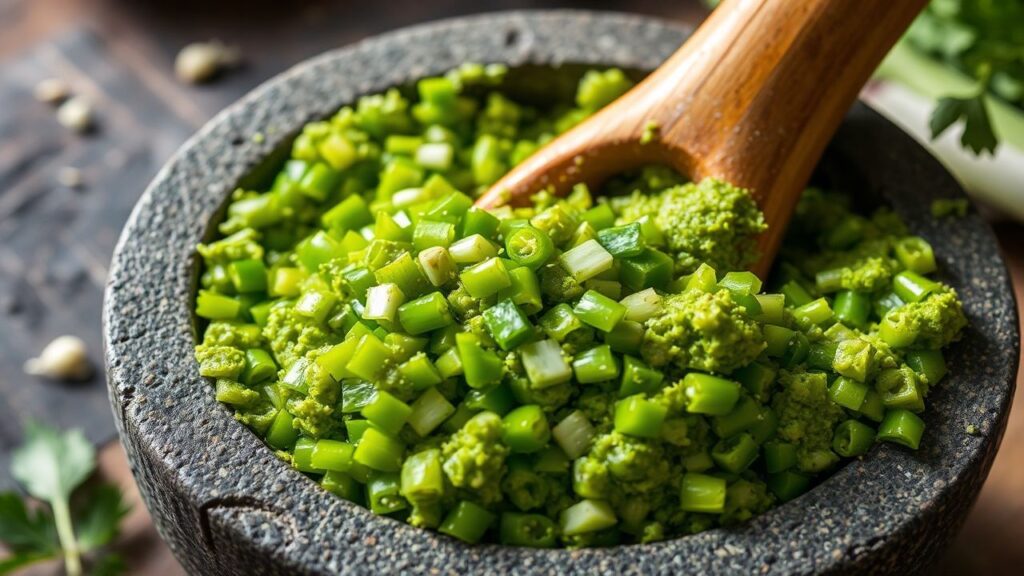
The soul of any Green Curry resides within its paste. While store-bought options offer convenience, creating your own paste from scratch unlocks unparalleled depth and freshness. This is where the magic truly begins, transforming simple ingredients into a fragrant powerhouse. A homemade paste allows for precise control over the spice level and the nuanced interplay of aromatics.
The essential components of a traditional Green Curry paste include fresh green chilies, shallots, garlic, galangal, lemongrass, coriander root, cumin seeds, white peppercorns, and shrimp paste. For a vegetarian version, we omit the shrimp paste and can optionally add a touch of fermented soybean paste or omit it entirely, depending on the desired umami depth. The key is the quality and freshness of these ingredients. Bruising the lemongrass and galangal releases their potent oils, while toasting the cumin seeds before grinding intensifies their aroma.
Ingredient Spotlight: The Heart of the Vegetarian Green Curry
Beyond the paste, the selection of vegetables and the base liquid are paramount. A robust Green Curry demands vegetables that can stand up to the simmering sauce and absorb its flavors. Think crisp bell peppers, tender bamboo shoots, firm eggplant (Thai eggplant is ideal for its texture), and fresh green beans. These provide not only visual appeal but also a delightful textural contrast to the creamy sauce.
Coconut milk is the undeniable backbone of any Green Curry. Opt for full-fat coconut milk, as it yields the richest, most luxurious texture. Light coconut milk will result in a thinner, less satisfying curry. Some chefs recommend using a combination of thick coconut cream for the initial sauté and thinner coconut milk for simmering to achieve optimal richness and depth. The balance here is crucial for a truly authentic taste.
Choosing Your Protein (Vegetarian Style)
While the focus is on the vegetables, a vegetarian Green Curry can benefit from a protein element. Cubes of firm or extra-firm tofu, pan-fried until golden, offer a satisfying bite and readily absorb the curry’s flavors. Alternatively, tempeh provides a nuttier flavor and firmer texture. For those seeking a meatier feel, seitan is an excellent choice. Ensure your chosen protein is prepared in a way that complements the curry’s creamy nature, avoiding anything too crumbly or delicate.
The Art of Preparation: Step-by-Step to Culinary Bliss
The process of making Green Curry is more about technique than complexity. It’s a dance of sautéing, simmering, and seasoning that requires patience and attention to detail. This methodical approach ensures that each flavor component has a chance to meld and develop.
Step 1: Blooming the Paste
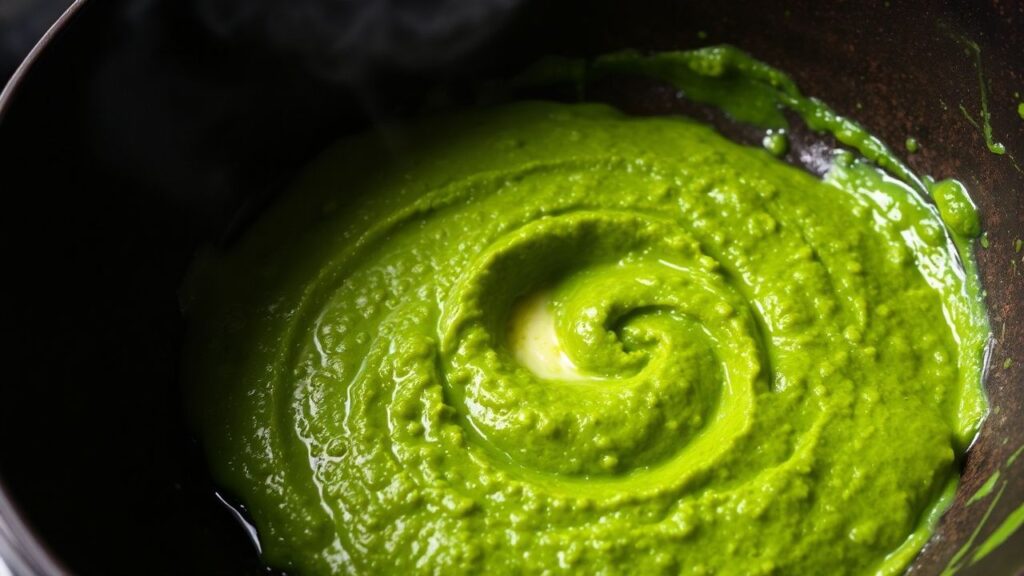
Begin by heating a tablespoon or two of neutral oil (like vegetable or coconut oil) in a wok or deep skillet over medium heat. Add your prepared Green Curry paste and sauté it for 1-2 minutes, stirring constantly. This crucial step, known as “blooming,” releases the paste’s aromatic oils and deepens its flavor profile. The paste should become fragrant and slightly darker in color.
Step 2: Incorporating the Coconut Cream
Pour in about half of the thick coconut cream. Stir it into the paste, breaking it down until the oil begins to separate from the cream. This process, called “cracking the coconut cream,” is vital for achieving a rich, emulsified sauce. Continue to cook for another 2-3 minutes, allowing the flavors to meld beautifully.
Step 3: Adding the Vegetables and Protein
Introduce your chosen vegetables and protein to the wok. Stir well to coat everything evenly with the fragrant paste and coconut cream mixture. Sauté for a few minutes, allowing the vegetables to soften slightly and begin to absorb the curry’s essence.
Step 4: Simmering to Perfection
Pour in the remaining coconut milk and enough vegetable broth to reach your desired consistency. Bring the curry to a gentle simmer. Add kaffir lime leaves (torn to release their aroma) and a stalk of bruised lemongrass. Season with fish sauce (or a vegetarian alternative like soy sauce or tamari) for saltiness, palm sugar for sweetness, and lime juice for brightness.
Step 5: The Final Touches
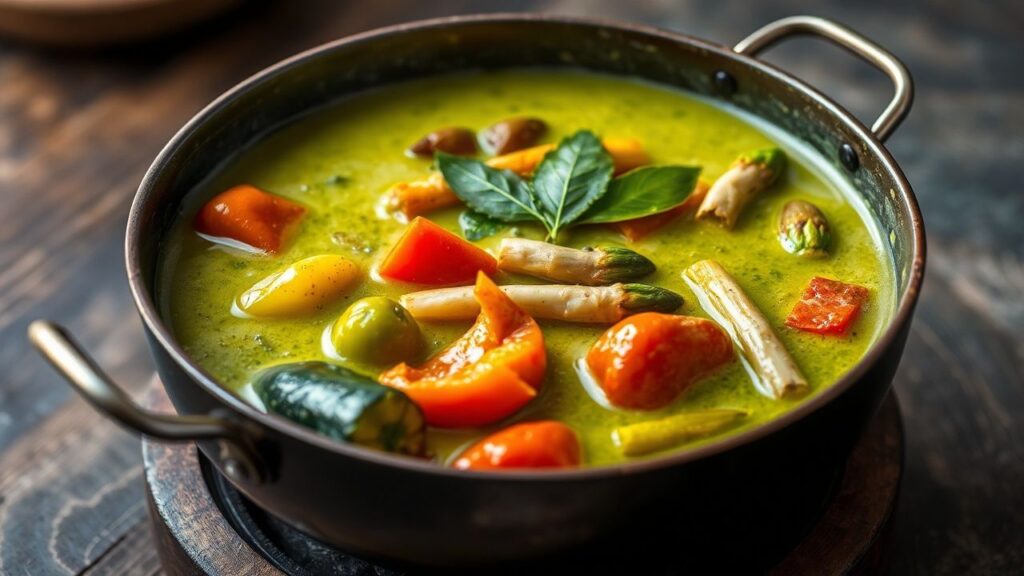
Allow the curry to simmer gently for 10-15 minutes, or until the vegetables are tender and the flavors have married harmoniously. Taste and adjust seasonings as needed. A perfectly balanced Green Curry should have a complex interplay of spicy, sweet, sour, and salty notes. Garnish generously with fresh Thai basil leaves and sliced red chilies for an extra burst of flavor and visual appeal. Serve hot with steamed jasmine rice.
Expert Insights & Pro-Tips for an Unforgettable Green Curry
Elevating your vegetarian Green Curry from good to absolutely brilliant requires a few insider secrets. These tips focus on enhancing flavor, texture, and authenticity, ensuring your dish stands out.
The Power of Fresh Aromatics
While dried spices offer convenience, fresh aromatics are non-negotiable for authentic Thai flavor. Galangal, a rhizome similar to ginger but with a more peppery and floral note, is indispensable. Lemongrass provides a distinct citrusy aroma, and kaffir lime leaves impart a unique, fragrant zest. Seek these out at Asian markets for the most authentic taste. If fresh galangal is unavailable, use ginger, but be aware of the flavor difference.
Balancing Sweetness and Acidity
Thai cuisine is a masterclass in balancing flavors. Palm sugar offers a caramel-like sweetness that is distinct from granulated sugar. A good quality palm sugar will add depth to your curry. Similarly, fresh lime juice provides a bright acidity that cuts through the richness of the coconut milk and balances the heat of the chilies. Add it towards the end of cooking to preserve its vibrant flavor.
The interplay between sweet and sour is crucial. Too much sweetness can make the curry cloying, while insufficient acidity leaves it flat. A delicate balance ensures each spoonful is a delightful surprise.
Common Pitfalls to Avoid
Even with the best intentions, a few common mistakes can detract from your Green Curry’s brilliance. Being aware of these pitfalls will help you navigate the cooking process with confidence.
The Danger of Premature Salting
Adding salt too early in the cooking process, especially if using soy sauce or tamari, can lead to an overly salty curry. It’s best to season gradually and taste as you go. Remember that coconut milk itself can have a subtle sweetness, so balance is key.
Rushing the Paste Sauté
The step of sautéing the curry paste is non-negotiable. Skipping or rushing this can result in a raw, pasty flavor that dominates the dish. Allow sufficient time for the aromatics to bloom and release their full potential. This foundational step significantly impacts the final outcome.
Nutritional Profile of Vegetarian Green Curry
A well-prepared vegetarian Green Curry, rich in vegetables and made with coconut milk, offers a satisfying nutritional profile. It’s a flavorful way to incorporate a variety of vitamins and minerals.
The primary energy source comes from the coconut milk, which provides healthy fats. These fats help in the absorption of fat-soluble vitamins from the vegetables. The vegetables themselves contribute fiber, vitamins (such as Vitamin A from carrots or bell peppers, and Vitamin C), and minerals. If tofu or tempeh is used, it adds valuable plant-based protein.
While delicious, it’s important to be mindful of the calorie content due to the coconut milk. Portion control is advisable for those monitoring their intake. However, the nutrient density of the ingredients makes it a worthwhile indulgence.
Conclusion: Your Gateway to Authentic Vegetarian Thai Green Curry
Crafting an exceptional vegetarian Green Curry is an achievable and incredibly rewarding culinary endeavor. By focusing on fresh, high-quality ingredients, mastering the art of the curry paste, and employing precise cooking techniques, you can recreate the authentic flavors of Thailand in your own kitchen. The journey from raw ingredients to a steaming bowl of fragrant curry is proof of the power of thoughtful preparation and a deep appreciation for flavor. Embrace the process, experiment with your favorite vegetables, and savor the brilliant taste of your homemade Green Curry. This dish is more than just a meal; it’s an experience, a vibrant celebration of taste and aroma that will leave you craving more.
Frequently Asked Questions (FAQ)
H3: What are the essential ingredients for authentic vegetarian Green Curry paste?
The essential ingredients for an authentic vegetarian Green Curry paste include fresh green chilies, shallots, garlic, galangal, lemongrass, coriander root, cumin seeds, white peppercorns, and for a vegetarian option, a small amount of fermented soybean paste or omitting it entirely. Freshness is paramount for the best flavor.
H3: Can I use pre-made Green Curry paste?
Yes, you can use pre-made Green Curry paste for convenience. However, making your own paste from scratch will yield a significantly more vibrant and authentic flavor. If using store-bought, choose a high-quality brand and consider sautéing it for longer to develop its flavors.
H3: What vegetables work best in a vegetarian Green Curry?
Excellent vegetables for vegetarian Green Curry include Thai eggplant, regular eggplant, bamboo shoots, green beans, bell peppers (various colors), zucchini, and snow peas. These vegetables offer a good texture and absorb the curry sauce well. Ensure they are cut into uniform sizes for even cooking.
H3: How can I make my Green Curry spicier or milder?
To make your Green Curry spicier, increase the number of green chilies in the paste or add fresh sliced chilies during simmering. For a milder curry, reduce the number of chilies or remove the seeds and membranes before using them in the paste. You can also add a touch more coconut milk or a pinch of sugar to balance the heat.
H3: What is the best way to serve Green Curry?
Vegetarian Green Curry is traditionally served hot with steamed jasmine rice, which is the perfect accompaniment to soak up the rich, flavorful sauce. Fresh cilantro and Thai basil leaves make for excellent garnishes, adding a burst of freshness and aroma.
See also: Green Curry