
In the world of snack enthusiasts, granola bars reign supreme as the perfect blend of convenience and crunch. But when it comes to choosing between homemade and store-bought options, the debate heats up like a toasted oat cluster fresh from the oven. Will your homemade creation bring the wholesome goodness and personalized flair you crave, or does the store-bought variety hold a secret arsenal of bold flavors and shelf-stable convenience? Join us as we embark on a crunchy showdown, peeling back the layers of ingredients, taste, nutrition, and cost to see which granola bar truly takes the crown. Whether you’re a kitchen crusader or a savvy supermarket shopper, this guide will help you snack smarter—and crunch happier.
At a Glance: Homemade vs. Store-Bought Granola Bars
- Homemade bars offer unparalleled ingredient control and customization for tailored nutrition and flavor.
- Store-bought bars excel in convenience, shelf stability, and consistent texture for on-the-go snacking.
- Cost-effectiveness often favors homemade due to bulk ingredient purchasing, despite initial time investment.
- Nutritional profiles vary widely; homemade allows avoidance of hidden sugars and preservatives, while some commercial options offer fortified benefits.
Homemade vs. Store-Bought: Defining the Crunch Factor
Homemade versus store-bought granola bars present distinct differences in their crunch factor and overall texture, significantly impacting your snacking experience. The contrast often lies between the artisanal chewiness achievable at home and the manufactured crispness found in commercial varieties. This distinction hinges on the specific ingredients used and the precise baking techniques employed.
Homemade bars grant you the power to fine-tune the perfect balance of chewiness and moisture, ensuring a satisfying bite every time. Conversely, store-bought bars frequently rely on stabilizers or preservatives to maintain a consistent texture over extended periods. Exploring these textural nuances unlocks a true sensory journey, where each bite reveals layered nutty, chewy, and crisp sensations that collectively define the essence of a superior granola bar.
The Homemade Granola Bar Blueprint
Crafting Your Own Crunchy Delight
Embarking on the journey of making your own granola bars is a rewarding endeavor, offering complete control over what goes into your body. You become the alchemist, transforming simple ingredients into personalized powerhouses of flavor and nutrition. This process is not only cost-effective but also allows for creative expression, turning a simple snack into a culinary adventure.
The beauty of homemade lies in its adaptability. Whether you’re managing dietary restrictions, seeking specific macronutrient profiles, or simply craving a unique flavor combination, your kitchen becomes a laboratory of delicious possibilities. From selecting the ideal blend of nuts and seeds to choosing natural sweeteners and adding your favorite dried fruits or chocolate chips, the power is entirely in your hands.
Essential Components for Homemade Bars
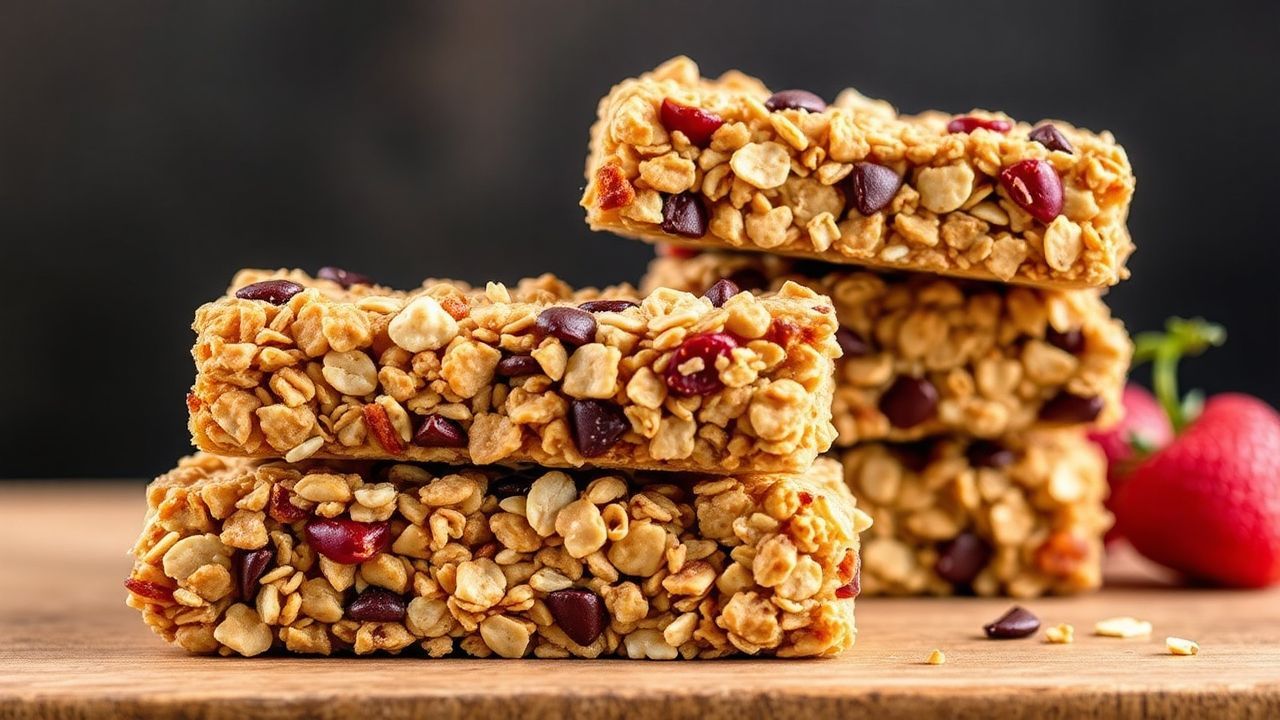
The foundation of any great homemade granola bar is a quality base, typically rolled oats, which provide both chewiness and a satisfying crunch. Beyond oats, a medley of nuts and seeds—such as almonds, walnuts, sunflower seeds, and pumpkin seeds—adds essential healthy fats, protein, and delightful textural contrast. Toasted nuts and seeds deepen their flavor, enhancing the overall complexity of the bar.
Binding agents are crucial for holding everything together. Natural sweeteners like honey, maple syrup, or agave nectar not only provide sweetness but also contribute to the bar’s structure and chewiness. Healthy fats from nut butters, like almond or peanut butter, further enhance binding and contribute a rich, creamy element. Flavor enhancers like vanilla extract, cinnamon, and a pinch of sea salt elevate the taste profile, turning simple ingredients into a gourmet treat.
Prep and Cook Time for Homemade Bars
- Prep Time: Approximately 15 minutes for gathering and mixing ingredients.
- Cook Time: Around 25 minutes for baking to achieve the perfect golden-brown crispness.
- Cooling Time: A crucial 30 minutes is needed for the bars to set properly before slicing.
Yield and Difficulty
Yield: This recipe typically produces about 8 substantial bars, each measuring approximately 2.5 x 4 inches, perfect for satisfying hunger pangs.
Difficulty Level: This recipe is rated as Easy, making it ideal for beginner bakers and anyone looking for a quick, no-fuss snack-making experience.
Ingredients for Wholesome Homemade Bars
- 2 cups rolled oats (old-fashioned variety recommended for optimal chew and crunch)
- ½ cup chopped almonds (lightly toasted for enhanced flavor)
- ¼ cup sunflower seeds (adds a nutty crunch and healthy fats)
- ½ cup dried cranberries (unsweetened preferred, for natural sweetness)
- ⅓ cup honey (or maple syrup for a vegan option)
- ⅓ cup natural almond butter (or peanut butter, for binding and richness)
- 1 tsp pure vanilla extract (enhances overall flavor profile)
- ½ tsp sea salt (balances sweetness and elevates flavors)
- 1 tbsp maple syrup (optional, for added caramel notes and a slightly chewier texture)
Step-by-Step Instructions for Homemade Success
- Preheat oven to 325°F (160°C). Line an 8×8 inch baking pan with parchment paper, ensuring there’s enough overhang on the sides to easily lift the bars out later.
- Toast the oats and nuts: Spread the rolled oats and chopped almonds evenly on a baking sheet. Toast in the preheated oven for 10-12 minutes, stirring halfway through, until they are fragrant and lightly golden brown. Remove from the oven and allow to cool slightly.
- Mix wet ingredients: In a small saucepan, combine the honey, almond butter, optional maple syrup, vanilla extract, and sea salt. Heat over low heat, stirring continuously until the mixture is smooth and gently warmed. Be careful not to let it boil.
- Combine all ingredients: In a large mixing bowl, add the toasted oats, almonds, sunflower seeds, and dried cranberries. Pour the warmed almond butter mixture over the dry ingredients. Gently but thoroughly fold everything together until all the dry ingredients are evenly coated with the sticky binder.
- Transfer to pan: Spoon the mixture into the prepared baking pan. Press it down firmly and evenly using a spatula or the back of a spoon. This compression is a critical step for achieving a well-formed and crunchy bar.
- Bake the bars: Place the pan in the preheated oven and bake for 20-25 minutes. You’re looking for the edges to turn a lovely golden brown. Avoid over-baking, as this can lead to dry, hard bars; the center should remain slightly chewy.
- Cool and slice: Allow the bars to cool completely in the pan, which usually takes about 30 minutes. This cooling period is essential for the bars to set perfectly and lock in their texture before you lift them out and slice them into 8 equal portions.
Tips for Elevating Your Homemade Bars
- Crunch factor tuning: For an extra-crunchy bar, toast your nuts and oats for an additional minute or two, and be sure to press the mixture down very tightly in the pan.
- Smart swaps for dietary needs: Use sunflower seed butter or tahini for delicious nut-free options. Swap dried cranberries with chopped dates, apricots, or raisins for varied sweetness and flavor profiles.
- Make ahead and storage: Store your homemade bars in an airtight container at room temperature for up to 5 days. For longer storage, freeze them individually wrapped for up to 3 months.
- Avoid sogginess: Ensure your dried fruits are truly dried and contain no added moisture. Also, be mindful of the liquid content in your wet ingredients to maintain optimal crispness and prevent a soggy texture.
Serving Suggestions for Homemade Bars
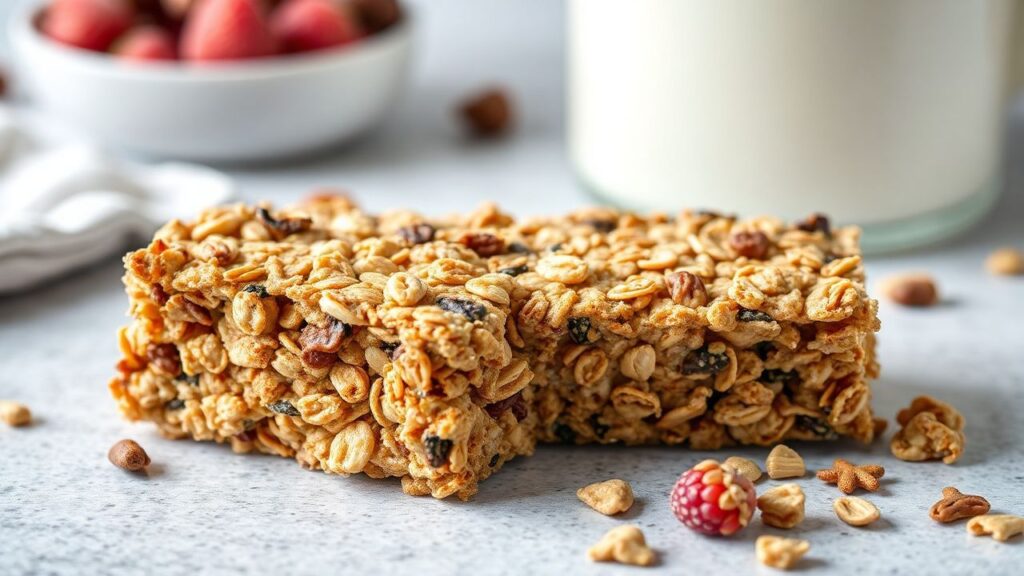
Serve your homemade granola bars alongside a crisp apple or a chilled glass of almond milk for a perfectly balanced snack. For an indulgent touch, garnish with a light sprinkling of flaky sea salt or a drizzle of dark chocolate. Individually wrapping each bar in parchment paper makes them ideal on-the-go treats, perfect for lunchboxes, backpacks, or any adventure.
The Store-Bought Granola Bar Advantage
Convenience and Consistency
The primary allure of store-bought granola bars is undeniable: pure, unadulterated convenience. In our fast-paced lives, the ability to grab a pre-made, individually wrapped bar from a pantry or a bag is a significant advantage. These bars are designed for portability, offering a quick energy boost without any preparation required.
Furthermore, commercial manufacturers invest heavily in ensuring consistent texture and flavor across every batch. This reliability means you know exactly what to expect with each bite, whether you’re grabbing your favorite brand on a business trip or stocking up for the week. This predictability is a key factor for many consumers who value efficiency and a dependable snacking experience.
Shelf Life and Variety
Store-bought granola bars boast an impressive shelf life, often lasting for months thanks to carefully managed moisture content and the inclusion of preservatives. This extended freshness makes them an ideal pantry staple, reducing food waste and ensuring you always have a snack option available. Their long shelf life also makes them excellent choices for stocking emergency kits or for sending to college students or military personnel.
The market for store-bought granola bars is vast, offering an astonishing array of flavors and formulations. From classic combinations like chocolate chip and peanut butter to more exotic blends featuring exotic fruits, spices, and even savory elements, there’s a bar to suit virtually every palate and dietary preference. This wide selection allows consumers to explore new tastes and find specialized bars catering to specific nutritional goals, such as high protein, low sugar, or gluten-free options.
Understanding Store-Bought Ingredients
While convenient, it’s important to scrutinize the ingredient lists of store-bought granola bars. Many commercial products can contain high levels of added sugars, artificial sweeteners, unhealthy fats, and preservatives that might not align with your health goals. Understanding these components is crucial for making informed choices when selecting a bar.
Some brands are making strides towards healthier formulations, offering bars with whole grains, natural sweeteners, and fewer processed ingredients. However, consumers must remain vigilant. Reading labels carefully and comparing nutritional information is key to identifying bars that offer a good balance of taste and nutrition, rather than just empty calories and sugar.
Nutritional Comparison: Homemade vs. Store-Bought
Calorie, Protein, and Carbohydrate Breakdown
The nutritional profile of granola bars can vary dramatically, making a direct comparison between homemade and store-bought essential. A typical homemade bar, like the one detailed in this guide, might contain around 210 calories, 6g of protein, and 27g of carbohydrates per serving. These figures can be easily adjusted by altering the ingredient ratios.
Store-bought bars present a much wider spectrum. Some are designed as meal replacements, packing over 300 calories and 20g of protein, while others are marketed as light snacks, falling under 150 calories with fewer carbohydrates. The carbohydrate count in commercial bars is often heavily influenced by added sugars, which can contribute significantly to the total, sometimes making up half the grams listed.
Fat and Fiber Content
Healthy fats are a cornerstone of both homemade and many store-bought granola bars, contributing to satiety and providing essential fatty acids. A homemade bar might offer about 9g of fat, primarily from nuts and seeds. This is generally composed of beneficial monounsaturated and polyunsaturated fats.
Fiber is another critical component, aiding digestion and promoting fullness. Homemade bars can be rich in fiber, with the example recipe providing 4g per serving from oats, nuts, and dried fruits. Store-bought options can vary; some are specifically formulated to be high in fiber, exceeding 5g per bar, often by incorporating added soluble fibers like inulin or psyllium. However, others may be lower in fiber if they prioritize sweetness over whole-grain content.
Sugar Content: A Key Differentiator
The sugar content is arguably the most significant nutritional difference between homemade and store-bought granola bars. In homemade recipes, you control the type and amount of sweeteners. Using natural sources like honey or maple syrup in moderation allows for a bar that is sweet but not overwhelmingly so. The focus is on natural sweetness from fruits and grains.
Conversely, many store-bought granola bars are laden with added sugars, including high-fructose corn syrup, sucrose, and various syrups. These can contribute to a high sugar load, often exceeding daily recommended limits in just one or two bars. This is a critical area where homemade options offer a distinct health advantage for those monitoring their sugar intake. For more on making healthier food choices, the Dietary Guidelines for Americans provides excellent, science-based recommendations.
Cost Analysis: Homemade vs. Store-Bought
The Economics of DIY Snacking
When it comes to cost-effectiveness, homemade granola bars typically emerge as the winner in the long run. While there’s an initial investment in ingredients and the time spent preparing them, the cost per bar is often significantly lower than purchasing pre-made options.
Purchasing ingredients like oats, nuts, seeds, and dried fruits in bulk can dramatically reduce the overall expense. These staples can be used in numerous recipes, making the initial outlay more economical over time. The ability to make larger batches at once also contributes to a lower cost per serving.
The Price of Convenience
Store-bought granola bars, while convenient, come with a higher price tag per serving. The convenience factor—the ready-to-eat nature, portability, and extended shelf life—is what consumers pay for. This premium reflects the manufacturing processes, packaging, marketing, and distribution costs involved.
For individuals with very busy schedules or those who prioritize time over cost, the higher price of store-bought bars might be a worthwhile trade-off. However, for budget-conscious consumers or those who enjoy the process of cooking and baking, the savings from making granola bars at home can be substantial over weeks and months.
Maximizing Value with Ingredient Choices
The choice of ingredients significantly impacts both the cost and nutritional value of your granola bars, whether homemade or store-bought. Opting for staple ingredients like rolled oats, common nuts (like peanuts or sunflower seeds), and readily available dried fruits (like raisins) can keep costs down for homemade bars.
For store-bought options, looking for brands that use more cost-effective yet nutritious ingredients, such as whole grains and natural sweeteners, can help balance price and health benefits. Conversely, bars featuring exotic nuts, premium chocolate, or specialized ingredients will naturally command a higher price point, reflecting their premium cost.
The Crunchy Showdown: Which Granola Bar Reigns Supreme?
Taste and Texture Preferences
The ultimate decision between homemade and store-bought granola bars often boils down to personal taste and texture preferences. Homemade bars offer the potential for a truly customized flavor experience. You can adjust sweetness, spice levels, and add ingredients that perfectly align with your palate, from a subtle hint of cinnamon to a burst of tart dried cherries.
The texture of homemade bars can also be finely tuned. Whether you prefer an ultra-chewy bar, a satisfyingly crunchy one, or a delightful combination of both, you have direct control over the baking time and the compression of the mixture. Store-bought bars, while consistent, may not always hit the precise textural notes that a home baker can achieve.
Health and Dietary Considerations
For individuals with specific health goals or dietary restrictions, homemade granola bars offer a significant advantage. You can meticulously control ingredient quality, ensuring the absence of allergens, added sugars, artificial additives, or excessive sodium. This is particularly important for those managing conditions like diabetes, celiac disease, or food sensitivities.
While many store-bought brands now offer ‘healthy’ or ‘diet’ options, it’s crucial to read labels carefully. These bars may still contain hidden sugars or less desirable ingredients. Homemade allows for a transparent approach, ensuring your snack aligns perfectly with your dietary needs and health objectives, such as increasing protein intake or fiber content.
The Verdict for the Everyday Snacker
Ultimately, the ‘best’ granola bar—homemade or store-bought—depends on your individual priorities and lifestyle. If you value control, customization, wholesome ingredients, and potential cost savings, then homemade is likely your champion. The satisfaction of creating your own delicious and nutritious snack is unparalleled.
However, if your primary needs are speed, convenience, and guaranteed consistency, store-bought bars are an excellent choice. They serve as reliable, on-the-go fuel for busy days, travel, or quick energy boosts. The wide variety available ensures there’s a commercial option to suit almost any taste or need. For many, a balanced approach—enjoying both homemade creations and convenient store-bought options—offers the best of both worlds in the crunchy snack arena.
Frequently Asked Questions (FAQ)
Q1: What makes homemade granola bars stand out in the crunchy showdown?
Homemade granola bars are like artisanal masterpieces. You control every ingredient—from nuts and seeds to sweeteners and add-ins—making each bar uniquely tailored to your taste and dietary needs. They often burst with freshness and are free from preservatives, offering wholesome crunch with a personal touch.
Q2: Why do some people still reach for store-bought granola bars despite the appeal of homemade?
Convenience is king! Store-bought bars offer quick, grab-and-go fuel without the prep. They boast shelf stability, consistent texture, and often creative flavor combinations developed through food science. For busy individuals who appreciate variety at their fingertips, these commercially crafted bars keep snacking simple and satisfying.
Q3: How does the crunch factor compare between homemade and store-bought granola bars?
Crunch is a key feature of any granola bar. Homemade bars can deliver a wholesome, rustic crunch depending on toasting and baking techniques. However, store-bought bars often achieve a uniform, resilient crunch through specialized processing and additives designed to maintain that snap, even when carried in a pocket or lunchbox.
Q4: Are there nutritional differences worth noting between homemade and store-bought bars?
Absolutely. Homemade bars allow you to skip added sugars, artificial flavors, and preservatives common in store-bought varieties. You can boost fiber, protein, and healthy fats by selecting nutrient-dense ingredients. Conversely, some store-bought brands offer fortified options packed with vitamins or protein for targeted nutrition, so it depends on your specific goals. For detailed nutritional information on various food groups, the USDA FoodData Central is an invaluable resource.
Q5: Which option is more cost-effective in the long run?
Homemade bars often win the cost game because ingredients like oats, nuts, and dried fruits, bought in bulk, can be stretched across multiple batches. Although initial prep time and effort are higher, your wallet typically thanks you over weeks and months. Store-bought bars, while pricier per serving, save time and hassle—sometimes worth the splurge for a busy lifestyle.
Q6: Can homemade granola bars match the shelf life of their commercial counterparts?
Not quite. Homemade bars generally have a shorter shelf life—around one to two weeks refrigerated—due to their fresh, preservative-free nature. Store-bought bars, with their carefully engineered moisture balance and preservatives, can remain snack-ready for months, making them travel-friendly and ideal for stocking up.
Q7: Final verdict: Which granola bar rules the crunchy showdown?
Both homemade and store-bought granola bars bring unique strengths. Homemade bars excel in freshness, customization, and wholesome ingredients. Store-bought bars win on convenience, consistency, and portability. Your perfect crunchy champion depends on your priorities—whether it’s crafting your own snack masterpiece or grabbing a reliable, tasty bar on the go. Why not enjoy both and keep the snack game crunchy and exciting?
Key Takeaways
In the crunchy showdown between homemade and store-bought granola bars, the true winner depends on what you value most: the control and creativity of crafting your own wholesome bites, or the convenience and consistency of grabbing a ready-made snack. Homemade bars invite you to experiment with flavors and tailor each chew to your liking, turning every bite into a personalized adventure.
On the other hand, store-bought options promise portability and speed, perfect for those on the go. Whichever side of the aisle you choose, understanding the ingredients and nutritional trade-offs ensures your snack time is both satisfying and smart. So next time hunger strikes, whether you reach for the mixing bowl or the pantry shelf, savor the crunch—and the choice. For further insights into healthy eating habits, consider the recommendations from the World Health Organization.
See also: granola bars
- Homemade vs. Store-Bought: Defining the Crunch Factor
- The Homemade Granola Bar Blueprint
- Crafting Your Own Crunchy Delight
- Essential Components for Homemade Bars
- Prep and Cook Time for Homemade Bars
- Yield and Difficulty
- Ingredients for Wholesome Homemade Bars
- Step-by-Step Instructions for Homemade Success
- Tips for Elevating Your Homemade Bars
- Serving Suggestions for Homemade Bars
- The Store-Bought Granola Bar Advantage
- Nutritional Comparison: Homemade vs. Store-Bought
- Calorie, Protein, and Carbohydrate Breakdown
- Fat and Fiber Content
- Sugar Content: A Key Differentiator
- Cost Analysis: Homemade vs. Store-Bought
- The Crunchy Showdown: Which Granola Bar Reigns Supreme?
- Frequently Asked Questions (FAQ)
- Q1: What makes homemade granola bars stand out in the crunchy showdown?
- Q2: Why do some people still reach for store-bought granola bars despite the appeal of homemade?
- Q3: How does the crunch factor compare between homemade and store-bought granola bars?
- Q4: Are there nutritional differences worth noting between homemade and store-bought bars?
- Q5: Which option is more cost-effective in the long run?
- Q6: Can homemade granola bars match the shelf life of their commercial counterparts?
- Q7: Final verdict: Which granola bar rules the crunchy showdown?
- Key Takeaways