
Quinoa for Toddlers: Your Essential Guide to Nutritious Cooking
Introducing quinoa to your toddler’s diet marks a significant step toward enriching their nutritional intake. This small, mighty grain, celebrated as a complete protein, offers a treasure trove of vitamins, minerals, and fiber crucial for your little one’s development. Beyond mere sustenance, it opens doors to new tastes and textures, cultivating positive eating habits. But how do you transform these tiny seeds into meals that captivate a toddler’s palate? This guide provides straightforward, nutrient-packed cooking strategies to make quinoa a family favorite, turning mealtime into a vibrant, wholesome experience.
- Quinoa for Toddlers: Your Essential Guide to Nutritious Cooking
- Choosing the Right Quinoa for Your Toddler’s Palate
- Mastering Quinoa Preparation for Maximum Nutrition and Safety
- Creative and Simple Quinoa Recipes for Toddler Meals
- Seamlessly Incorporating Quinoa into a Balanced Toddler Diet
- Quinoa: A Nutritional Powerhouse for Rapidly Growing Toddlers
- More Delicious Quinoa Meal Ideas for Little Ones
- Making Quinoa Fun and Appealing for Toddlers
- Q&A: Quinoa for Toddlers
- Q1: Why is quinoa an excellent choice for toddlers?
- Q2: How can I prepare quinoa safely for my toddler?
- Q3: What are some creative ways to introduce quinoa into toddler meals?
- Q4: How much quinoa should I serve to my toddler?
- Q5: Can quinoa assist toddlers who are picky eaters?
- Q6: Are there any specific precautions when feeding quinoa to toddlers?
- Q7: What are the key nutritional benefits of quinoa for toddlers?
- Q8: How can I make quinoa more appealing and fun for toddlers?
- In Summary
- Complete Protein Source: Quinoa delivers all nine essential amino acids, vital for growth.
- Digestible by Little Stomachs: It’s generally gentle on a toddler’s developing digestive system.
- Remarkably Versatile: Its mild, adaptable flavor complements a wide range of recipes.
- Supports Development: Rich in fiber, iron, and magnesium, it fuels physical and cognitive growth.
Choosing the Right Quinoa for Your Toddler’s Palate
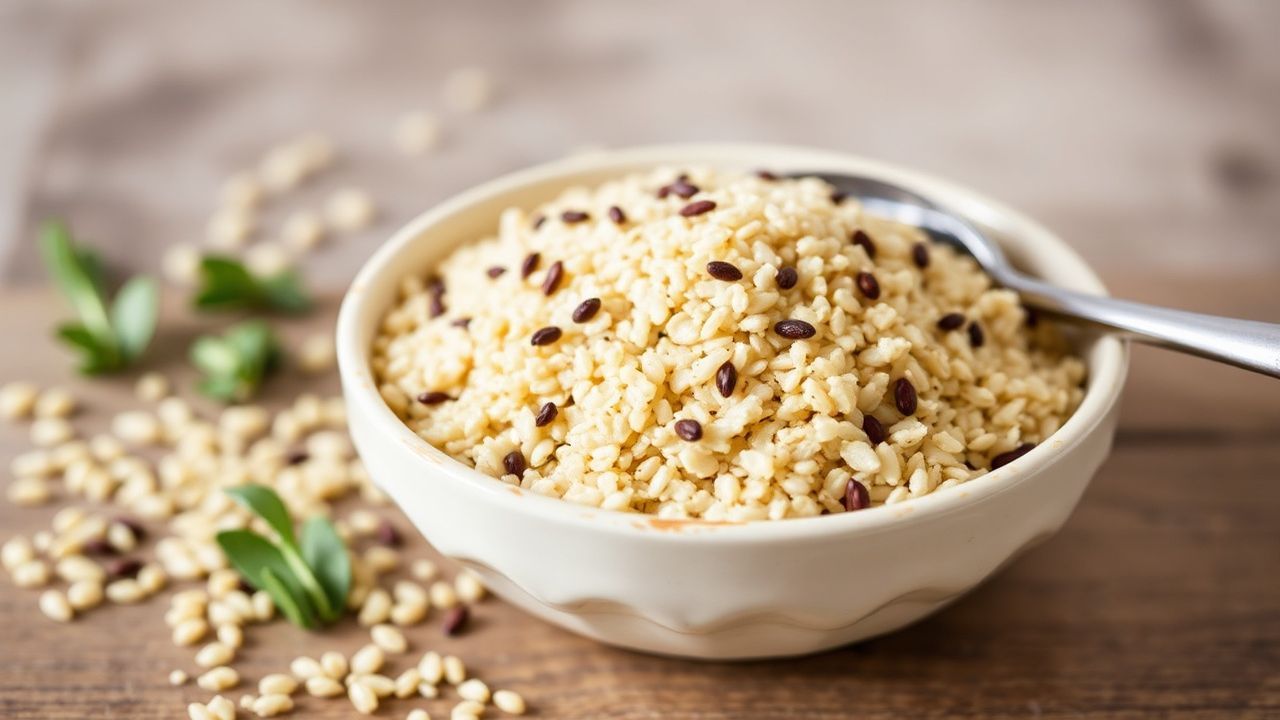
Quinoa for toddlers offers a fantastic avenue to introduce nutrient-dense whole grains. When selecting quinoa, consider its inherent taste and textural qualities. White quinoa stands out for its mildest flavor and fluffiest cooked texture, making it an ideal starting point for toddlers with sensitive palates. Its subtle taste ensures it won’t overpower other ingredients.
Red quinoa introduces a slightly nuttier taste and a firmer texture, perfect for toddlers venturing into more adventurous food experiences. Tri-color quinoa, a vibrant blend of white, red, and black varieties, presents an appealing mix of textures and colors that can significantly capture a child’s attention during meals, encouraging gustatory exploration.
Mastering Quinoa Preparation for Maximum Nutrition and Safety
Proper preparation is absolutely key to unlocking quinoa’s full nutritional potential and ensuring it’s palatable for your little one. Quinoa seeds naturally possess a coating of saponins, a compound that can impart a bitter or soapy flavor. Meticulous rinsing under cold running water using a fine-mesh sieve is therefore essential to effectively remove this coating.
Rinse the quinoa for a minimum of 30 seconds, continuing until the water runs completely clear. For cooking, a gentle simmer is far superior to a rapid boil, as it helps preserve delicate nutrients. Employ a liquid-to-quinoa ratio of 1¾ cups of liquid (either water or low-sodium broth) for every 1 cup of quinoa. Following cooking, cover the pot and allow it to steam for approximately 5-10 minutes. This steaming process ensures the quinoa becomes light and fluffy, preventing a mushy consistency and maximizing nutrient retention.
Creative and Simple Quinoa Recipes for Toddler Meals
Quinoa Veggie Pancakes
Prep and Cook Time: 10 minutes prep, 15 minutes cooking
Yield: 10 small pancakes
Difficulty Level: Easy
- 1 cup cooked white quinoa, cooled
- ½ cup finely grated carrot
- ¼ cup finely chopped spinach, packed
- 1 large egg, beaten
- ¼ cup whole wheat flour
- 1 tbsp olive oil (plus more for cooking)
- 1 tsp mild cheddar cheese, shredded (optional)
- Pinch of mild cinnamon or nutmeg (optional)
- 1 tsp baking powder
- Dash of salt (optional)
- In a medium bowl, thoroughly combine the cooked quinoa, grated carrot, chopped spinach, and cheese. Mix well to ensure even distribution of all ingredients.
- Incorporate the egg, flour, baking powder, cinnamon, and a pinch of salt. Stir gently until the batter is just combined; avoid overmixing to maintain the pancakes’ tenderness.
- Heat a non-stick skillet over medium heat. Lightly brush the cooking surface with olive oil.
- Drop spoonfuls of batter onto the hot skillet, gently flattening them into approximately 3-inch diameter circles. This size is perfectly suited for little hands.
- Cook until the undersides are golden brown, approximately 3 minutes per side. Carefully flip when the edges begin to firm up.
- Transfer the cooked pancakes to a plate lined with paper towels to absorb any excess oil.
- Serve warm. A small dollop of plain yogurt or mashed avocado offers a delightful creamy topping.
Chef’s Notes for Quinoa Pancakes
- Variations: Feel empowered to substitute spinach with finely chopped zucchini or sweet bell peppers. These additions introduce vibrant colors and subtle, pleasing flavors.
- Substitutions: For a gluten-free preparation, substitute whole wheat flour with chickpea flour. Ensure all other ingredients also comply with gluten-free requirements.
- Make-Ahead: These pancakes freeze exceptionally well. Stack them with parchment paper separating layers and thaw gently before reheating for a quick meal.
- Tip: The batter should possess a thick but scoopable consistency. If it appears too watery, the pancakes may become flat and difficult to handle. Adjust with a small amount of additional flour if necessary.
Serving Suggestions for Quinoa Pancakes
Elevate mealtime by presenting these pancakes on colorful, engaging plates. Accompany them with small sticks of soft vegetables like cucumber slices or halved cherry tomatoes. A tiny pinch of mild paprika can introduce a hint of warmth. Offer a small ramekin of unsweetened applesauce for dipping, encouraging sensory exploration and a joyful interaction with new foods.
Seamlessly Incorporating Quinoa into a Balanced Toddler Diet
Crafting nutrient-dense meals for your toddler involves thoughtfully pairing quinoa with a diverse array of food groups. Combining quinoa with lean proteins such as mashed lentils or finely shredded chicken provides essential building blocks for robust growth. Healthy fats are equally critical for optimal brain development; include avocado slices or a light drizzle of olive oil.
The overarching goal is to encourage baby-led tasting exploration. Gently mix textures and maintain simple, fresh flavors. This approach empowers toddlers to develop a positive and adventurous relationship with food. Understanding the comprehensive nutritional profile of quinoa further underscores its inherent importance in a child’s developing diet.
| Nutrient | Per ½ Cup Cooked | Benefit for Toddlers |
|---|---|---|
| Calories | 111 kcal | Provides essential energy for daily activities and overall growth. |
| Protein | 4 g | Crucial for muscle and tissue development and repair. |
| Carbohydrates | 20 g | Supplies sustained fuel for optimal brain function and physical activity. |
| Fat | 2 g | Vital for brain development and efficient nutrient absorption. |
Quinoa’s impressive nutrient density actively supports overall well-being. It serves as a valuable component of a balanced toddler meal plan, contributing significantly to their physical and cognitive development. For further insights into nourishing young children, explore our comprehensive guide on Healthy Snacks for Toddlers.
Quinoa: A Nutritional Powerhouse for Rapidly Growing Toddlers
Quinoa frequently earns accolades as a “superfood,” and for compelling reasons, particularly when it concerns feeding toddlers. Its classification as a complete protein signifies that it contains all nine essential amino acids, indispensable for building and repairing bodily tissues. This is exceptionally important during the rapid growth phases characteristic of early childhood. The human body cannot synthesize these essential amino acids independently, making dietary sources like quinoa invaluable.
Beyond its protein content, quinoa is an outstanding source of dietary fiber. Fiber plays a critical role in maintaining a healthy digestive system, effectively preventing constipation, and promoting a sense of satiety. For toddlers, this translates to enhanced nutrient absorption and a more comfortable digestive experience. The fiber content also aids in regulating blood sugar levels, providing sustained energy for active play and focused learning.
This grain also furnishes substantial amounts of vital minerals. Iron is critically important for cognitive development and the prevention of anemia, a common concern in toddlers. Magnesium participates in over 300 bodily functions, including muscle and nerve function, and energy production. Folate is essential for cell growth and development. These micronutrients, combined with its complex carbohydrates, firmly establish quinoa as a cornerstone for supporting a toddler’s overall health and development. For more information on the importance of iron in a toddler’s diet, consult iron’s role in child development.
More Delicious Quinoa Meal Ideas for Little Ones
Quinoa Apple Bites
Combine ½ cup of cooked quinoa with ¼ cup of unsweetened applesauce and 2 tablespoons of whole wheat flour. Add a pinch of cinnamon for warmth. Mix thoroughly to form a thick batter. Drop small spoonfuls onto a lightly oiled baking sheet and bake at 350°F (175°C) for about 10-12 minutes, or until they achieve a golden brown hue. These soft, chewy bites are ideally sized for tiny hands.
Quinoa “Fried Rice”
Sauté finely diced carrots, peas, and a minuscule amount of onion in a pan with a little sesame oil. Add 1 cup of cooked quinoa and a splash of low-sodium soy sauce or tamari. Stir-fry until everything is heated through. Consider adding a scrambled egg for an extra protein boost. This dish presents a colorful and flavorful method for incorporating quinoa.
Quinoa Smoothie Boost
Incorporate ¼ cup of cooked quinoa into your toddler’s preferred smoothie. Blend with fruits such as banana, berries, or mango, and a liquid base like milk or yogurt. The quinoa adds a pleasing thickness and a significant nutritional boost without noticeably altering the taste. It’s a simple yet effective strategy to sneak in extra protein and fiber. For details on smoothie ingredients, you can explore smoothies and their nutritional components.
Making Quinoa Fun and Appealing for Toddlers
Presentation plays a remarkably significant role when introducing new foods to toddlers. Employ cookie cutters to fashion fun shapes from quinoa patties or pancakes. Serve quinoa dishes alongside colorful fruits and vegetables artfully arranged in playful patterns. Sometimes, simply allowing toddlers to “assist” in food preparation, such as stirring ingredients or placing toppings, can substantially increase their willingness to try the food.
Consider transforming quinoa into small, easily manageable, bite-sized balls or mini muffins. These formats are perfect for toddlers to grasp and consume independently. Offering a variety of textures, ranging from creamy quinoa porridge to slightly firmer quinoa pilafs, can also cater to developing preferences. Remember that repeated exposure to a new food is often necessary before a toddler fully accepts it.
Q&A: Quinoa for Toddlers
Q1: Why is quinoa an excellent choice for toddlers?
Quinoa is a nutritional powerhouse for toddlers, providing complete protein, essential amino acids, ample fiber, vital iron, and magnesium. Its easy digestibility and mild flavor make it highly suitable for developing palates and effectively supporting growth and energy requirements.
Q2: How can I prepare quinoa safely for my toddler?
Always ensure thorough rinsing of quinoa to remove saponins. Cook it until it achieves a soft and fluffy consistency. For younger toddlers, mashing it slightly or incorporating it into pureed fruits and vegetables can significantly enhance its texture and digestibility.
Q3: What are some creative ways to introduce quinoa into toddler meals?
smoothly connect quinoa into pancakes, muffins, veggie patties, or dishes prepared in a “fried rice” style. It can also be added to smoothies, oatmeal, or mixed with yogurt and fruit for a nutritious breakfast or snack. For more on toddler nutrition, learn about toddler development and nutrition.
Q4: How much quinoa should I serve to my toddler?
A typical serving size for a toddler is approximately 1/4 to 1/3 cup of cooked quinoa. Begin with a modest portion and observe your child’s reaction, gradually increasing the amount as they become more accustomed to it.
Q5: Can quinoa assist toddlers who are picky eaters?
Indeed, quinoa’s neutral flavor profile renders it exceptionally versatile. By incorporating it into familiar dishes and pairing it with ingredients your toddler already favors, you can effectively introduce its nutritional benefits without overwhelming their current taste preferences.
Q6: Are there any specific precautions when feeding quinoa to toddlers?
Always ensure quinoa is thoroughly cooked and soft to mitigate any choking hazards. Introduce it gradually to carefully monitor for potential allergic reactions, though these are infrequent. Opting for organic quinoa can also serve to minimize pesticide exposure. Understanding common food allergens is also beneficial, as detailed in food allergy information.
Q7: What are the key nutritional benefits of quinoa for toddlers?
Quinoa provides all nine essential amino acids, positioning it as a complete protein that is indispensable for development. It is also abundant in fiber for digestive health, iron for cognitive function, magnesium for muscle and nerve health, and various other vitamins and minerals that are vital for a toddler’s rapid growth.
Q8: How can I make quinoa more appealing and fun for toddlers?
Utilize cookie cutters for creating fun shapes, arrange colorful components on the plate, or involve toddlers in simple preparation steps. Crafting bite-sized balls or mini muffins can also significantly enhance appeal and ease of consumption.
With these straightforward tips and inventive recipes, quinoa can effortlessly transition into a cherished staple within your toddler’s diet, delivering both delicious flavor and essential nutrition in every single bite. Embrace the inherent versatility of this ancient grain and witness your little one thrive!
In Summary
Integrating quinoa into your toddler’s diet represents a simple yet profoundly impactful method to enhance their nutritional intake. This adaptable supergrain offers a complete protein profile, essential fiber, and key minerals that actively support robust growth and development. By focusing on uncomplicated preparation techniques, appealing presentation, and imaginative recipes, you can successfully transform quinoa into a beloved mealtime choice.
Embrace the inherent ease of preparing quinoa, whether served as fluffy side dishes, incorporated into nutritious pancakes, or subtly blended into smoothies. The ultimate key is to establish it as a fun and accessible element of your child’s culinary journey. In doing so, you are not merely providing nourishment; you are actively fostering healthy eating habits that possess the potential to endure a lifetime. Sprinkle some quinoa magic into your kitchen and savor the delightful, nutritious outcomes with your happy, thriving toddler.
See also: Quinoa for toddlers