
A Culinary Tapestry: The Enduring Allure of Tabbouleh
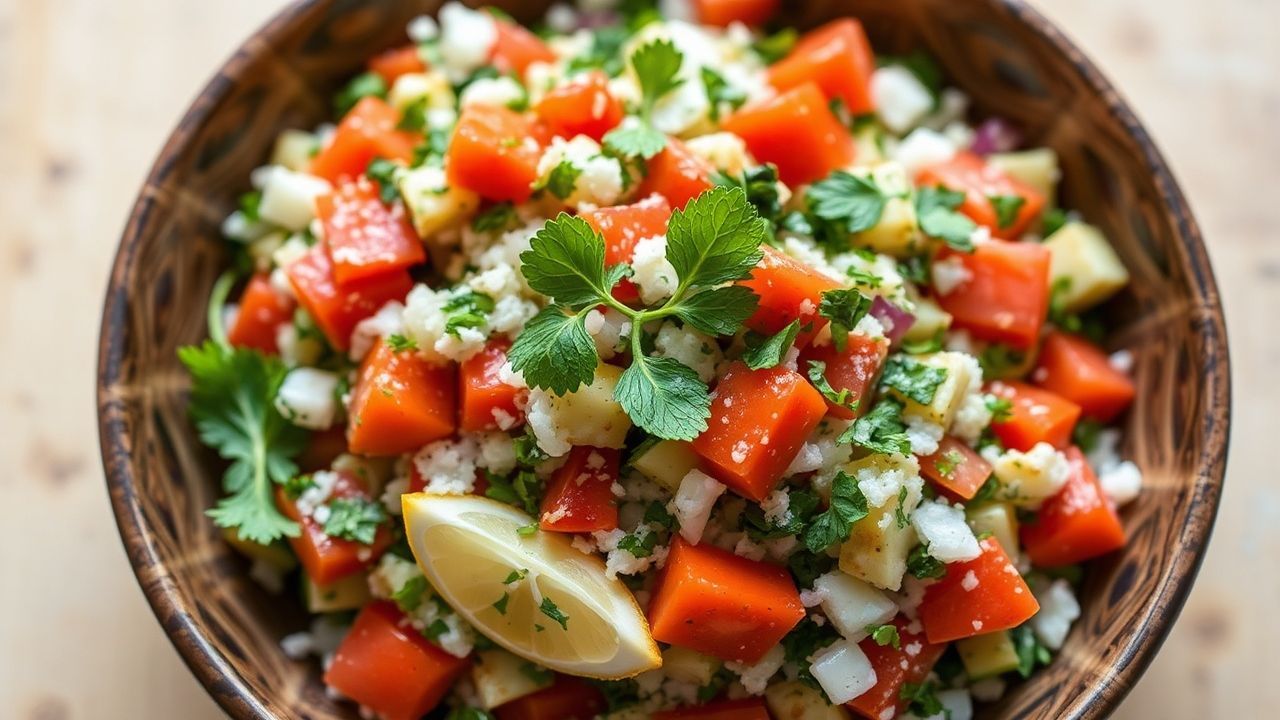
Imagine a sun-drenched terrace in Beirut, the scent of lemon and fresh mint dancing on a gentle breeze. This is the sensory prelude to a dish that transcends mere sustenance, becoming a symbol of shared moments and vibrant culture: Tabbouleh. More than just a salad, Tabbouleh is proof of the power of simple, fresh ingredients, expertly balanced to create a symphony of textures and tastes. Its origins are deeply rooted in the Levant, where it has been a cornerstone of hospitality and everyday dining for generations. The beauty of Tabbouleh lies in its deceptive simplicity; a few core components, when treated with respect and precision, yield a dish that is both invigoratingly light and profoundly satisfying.
- A Culinary Tapestry: The Enduring Allure of Tabbouleh
- The Foundation: Unveiling the Essential Tabbouleh Ingredients
- The Art of Preparation: A 7-Step Journey to Authentic Tabbouleh
- Step 1: Hydrating the Bulgur
- Step 2: The Herb Symphony – Mastering the Chop
- Step 3: Preparing the Vegetables
- Step 4: The Dressing Elixir
- Step 5: The Grand Assembly
- Step 6: Uniting Flavors
- Step 7: The Crucial Rest
- Nutritional Insights: A Wholesome and Invigorating Choice
- Elevating Your Tabbouleh: Expert Tips for Restaurant-Quality Flavor
- 💡 Expert Insight Expert Insight: The Herb-to-Bulgur Ratio is Paramount
- ⚠️ Pro-Caution Pro-Caution: Over-Hydration of Bulgur Can Ruin Texture Be extremely cautious when hydrating the bulgur. Fine bulgur absorbs water very quickly. Over-soaking will result in a mushy, gummy texture that is difficult to salvage. Always start with the recommended amount of water and drain thoroughly. If you find the bulgur is still too hard after the initial soak, you can add a *tiny* splash more water, but it’s far easier to fix under-hydrated bulgur than over-hydrated. The goal is for the bulgur to be tender, not to turn into a paste. Also, ensure your herbs are *completely* dry after washing. Excess water will dilute the dressing and make the salad watery. Use a salad spinner or pat them dry meticulously with paper towels. Serving Suggestions: Beyond the Bowl Tabbouleh is incredibly versatile. Its refreshing taste makes it a perfect accompaniment to grilled meats, fish, and poultry, especially in warmer months. It’s a staple alongside falafel, shawarma, and other Middle Eastern delicacies. It can also be served as a light lunch on its own, perhaps with a side of pita bread. For an elegant presentation, serve it chilled in a decorative bowl, garnished with fresh mint leaves or a sprinkle of sumac. Frequently Asked Questions About Tabbouleh What is the proper way to chop the herbs for Tabbouleh?
- Can I use a different type of bulgur wheat?
- How long can Tabbouleh be stored?
- Can I make Tabbouleh without bulgur wheat?
- What are common mistakes to avoid when making Tabbouleh?
Tabbouleh isn’t just a salad; it’s a culinary narrative, a story told through the vibrant interplay of fresh herbs, bright citrus, and tender grains.
Understanding the essence of authentic Tabbouleh requires delving beyond a simple ingredient list. It’s about the *technique*, the *proportions*, and the *spirit* with which it’s prepared. For many, the perfect Tabbouleh is a deeply personal quest, a culinary journey to recreate the flavors of cherished memories. This guide offers a proven, step-by-step approach to crafting a Tabbouleh that is not only delicious but also deeply representative of its rich heritage. We will explore the nuances of ingredient selection, the critical role of parsley, the art of the perfect dressing, and the subtle techniques that elevate this classic dish from good to truly exceptional.
The Foundation: Unveiling the Essential Tabbouleh Ingredients
The magic of Tabbouleh lies in its harmonious blend of a few, high-quality ingredients. Precision in measurement and quality in sourcing are paramount to achieving the authentic taste.
The undisputed star of Tabbouleh is parsley. Not just any parsley, but flat-leaf (Italian) parsley. Its robust flavor and slightly peppery notes are essential. You’ll need a substantial amount, typically a generous bunch, finely chopped. Following closely in importance is mint. Spearmint is preferred for its bright, cool aroma and taste, which beautifully contrasts the herbaceous parsley. Again, a significant quantity is required, often half the amount of parsley.
The grain component, traditionally fine bulgur wheat (also known as #1 grade bulgur), provides a delicate texture and a subtle, nutty flavor. It’s crucial to use the fine variety, as coarser grinds can overwhelm the salad. The amount of bulgur is intentionally modest; Tabbouleh is, after all, a herb salad, not a grain salad.
For the dressing, fresh lemon juice is non-negotiable. Its acidity cuts through the richness of the olive oil and brightens all the other flavors. The quality of the extra virgin olive oil significantly impacts the final taste; opt for a fruity, high-quality oil. Tomatoes, ripe and firm, add bursts of sweetness and acidity. Green onions (or scallions) provide a milder onion flavor than red or yellow onions, adding a subtle sharpness. A pinch of salt and freshly ground black pepper are essential for seasoning. Some variations may include a touch of finely minced garlic, though this is debated among purists.
Ingredient Breakdown: Precision for Perfection
- Fresh Parsley: 4 cups, finely chopped (about 2 large bunches)
- Fresh Mint: 2 cups, finely chopped (about 1 large bunch)
- Fine Bulgur Wheat: 1/2 cup
- Ripe Tomatoes: 1 cup, finely diced (about 2 medium Roma tomatoes)
- Green Onions (Scallions): 1/2 cup, thinly sliced (white and green parts)
- Fresh Lemon Juice: 1/4 cup (from about 2-3 lemons)
- Extra Virgin Olive Oil: 1/4 cup
- Salt: 1 teaspoon, or to taste
- Black Pepper: 1/4 teaspoon, or to taste
- (Optional) Garlic: 1 clove, minced very finely
The Art of Preparation: A 7-Step Journey to Authentic Tabbouleh
Crafting an exquisite Tabbouleh is a ritual, a dance of delicate steps that ensure each ingredient shines. The key is in the preparation of the bulgur and the precise chopping of the herbs.
Step 1: Hydrating the Bulgur
In a medium bowl, combine the fine bulgur wheat with 1/2 cup of cold water. Stir gently and let it sit for about 10-15 minutes. The bulgur will absorb the water and soften. Drain any excess water thoroughly by pressing the bulgur against the side of the bowl with a spoon or by transferring it to a fine-mesh sieve and pressing. The bulgur should be moist but not soggy. This initial hydration prevents the bulgur from becoming tough when mixed with the other ingredients.
Step 2: The Herb Symphony – Mastering the Chop
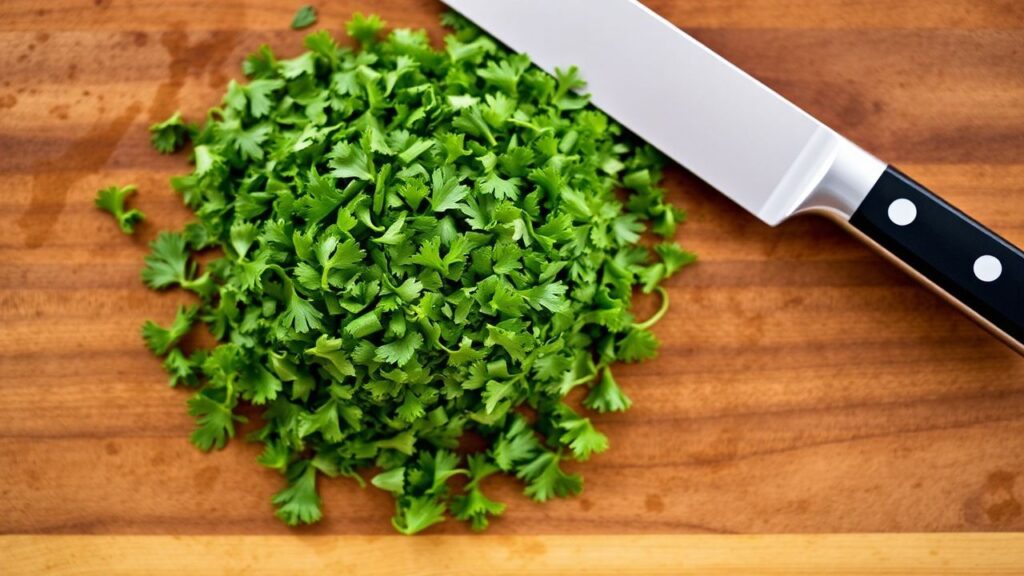
This is arguably the most critical step. Wash and thoroughly dry your parsley and mint. Any excess water will dilute the flavors. Using a sharp chef’s knife, finely chop the parsley first, then the mint. The goal is a very fine, almost fluffy texture, not large, ragged pieces. Aim for consistency in size. This fine chop ensures the herbs integrate beautifully with the bulgur and dressing, creating a cohesive flavor profile.
Step 3: Preparing the Vegetables
Finely dice the ripe tomatoes, removing the watery seeds if they are particularly juicy. Thinly slice the green onions, including a portion of the green tops for color and flavor. If using garlic, mince it to a paste-like consistency. These elements add texture, sweetness, and a touch of pungent sharpness.
Step 4: The Dressing Elixir
In a small bowl, whisk together the fresh lemon juice, extra virgin olive oil, salt, and black pepper. If using minced garlic, add it here. Taste and adjust seasoning; the dressing should be bright and balanced, not overly oily or acidic. This dressing is the unifying force that brings all the components together.
Step 5: The Grand Assembly
In a large mixing bowl, combine the hydrated bulgur, finely chopped parsley, finely chopped mint, diced tomatoes, and sliced green onions. Gently toss these ingredients together to distribute them evenly.
Step 6: Uniting Flavors
Pour the prepared dressing over the herb and bulgur mixture. Toss gently but thoroughly, ensuring all ingredients are coated. The dressing will begin to meld the flavors, and the herbs will release their aromatic oils.
Step 7: The Crucial Rest
This is a non-negotiable step for authentic Tabbouleh. Cover the bowl and refrigerate for at least 30 minutes, or preferably 1 hour. This resting period allows the flavors to meld and deepen, the bulgur to absorb the dressing, and the herbs to fully infuse the salad. It’s during this time that the magic truly happens, transforming a collection of ingredients into a harmonious dish.
Nutritional Insights: A Wholesome and Invigorating Choice
Tabbouleh, when prepared traditionally, is a remarkably healthy dish. It’s packed with vitamins, minerals, and fiber, making it a virtuous addition to any meal. While precise nutritional values can vary based on exact ingredient proportions and brands used, a typical serving (approximately 1 cup) offers a compelling nutritional profile.
The abundance of parsley and mint provides significant amounts of Vitamin K, Vitamin C, and Vitamin A, along with essential antioxidants. Parsley, for instance, is a good source of flavonoids like apigenin and luteolin, which have demonstrated antioxidant and anti-inflammatory properties in laboratory studies. Research published in the *Journal of Agricultural and Food Chemistry* highlights the antioxidant capacity of various herbs, including parsley, suggesting their role in combating oxidative stress.
Fine bulgur wheat contributes dietary fiber, which is crucial for digestive health and can help regulate blood sugar levels. A 1/2 cup serving of cooked bulgur wheat typically contains around 4-6 grams of fiber. It also offers complex carbohydrates for sustained energy.
Tomatoes are a good source of Vitamin C and potassium, and are rich in lycopene, a powerful antioxidant linked to various health benefits. Lemon juice adds more Vitamin C, while extra virgin olive oil, a cornerstone of the Mediterranean diet, provides monounsaturated fats, which are considered heart-healthy. According to the Harvard T.H. Chan School of Public Health, monounsaturated fats can help reduce bad cholesterol levels.
A typical serving of Tabbouleh is relatively low in calories and fat (especially when the olive oil is used judiciously) and cholesterol-free, making it an excellent option for those mindful of their dietary intake.
Approximate Nutritional Information Per Serving (1 cup):
- Calories: 150-200
- Total Fat: 8-12g (primarily from olive oil)
- Saturated Fat: 1-2g
- Cholesterol: 0mg
- Sodium: 300-500mg (depending on salt added)
- Total Carbohydrates: 15-20g
- Dietary Fiber: 4-6g
- Sugars: 3-5g
- Protein: 3-5g
- Vitamin A: High
- Vitamin C: High
- Vitamin K: Very High
Elevating Your Tabbouleh: Expert Tips for Restaurant-Quality Flavor
Achieving the perfect Tabbouleh often comes down to nuanced techniques and a keen understanding of flavor balance. These tips from seasoned chefs will help you elevate your homemade version to a professional standard.
💡 Expert Insight
Expert Insight: The Herb-to-Bulgur Ratio is Paramount
The hallmark of an authentic Tabbouleh is its herb-forward profile. The ideal ratio leans heavily towards parsley and mint. Aim for a bulgur-to-herb ratio of approximately 1:5 or even 1:6 by volume. This ensures the fresh, vibrant flavors of the herbs are dominant. Furthermore, the fineness of the chop is critical. A coarse chop will result in a ‘leafy’ salad rather than a cohesive herb-and-grain mixture. Think of it as creating a finely minced herb base that the bulgur and vegetables are folded into.
The quality of your fresh lemon juice is another critical factor. Always use freshly squeezed juice. Bottled lemon juice simply cannot replicate the bright, zesty acidity needed to cut through the herbs and olive oil. Similarly, the extra virgin olive oil should be of high quality. A robust, peppery olive oil will add a layer of complexity that a mild oil won’t.
One common debate is the inclusion of garlic. While some traditionalists omit it entirely, a tiny amount of finely minced garlic can add a subtle depth. If you choose to include it, ensure it is minced to an almost paste-like consistency and is used very sparingly, as its pungency can easily overpower the delicate herb flavors. It should be a whisper, not a shout.
Finally, the resting period is not merely for flavor melding; it also allows the bulgur to soften further and absorb the dressing, creating a more tender and integrated texture. Do not skip this step. Some chefs even recommend making the Tabbouleh a few hours in advance, or even the day before, to allow the flavors to fully develop.
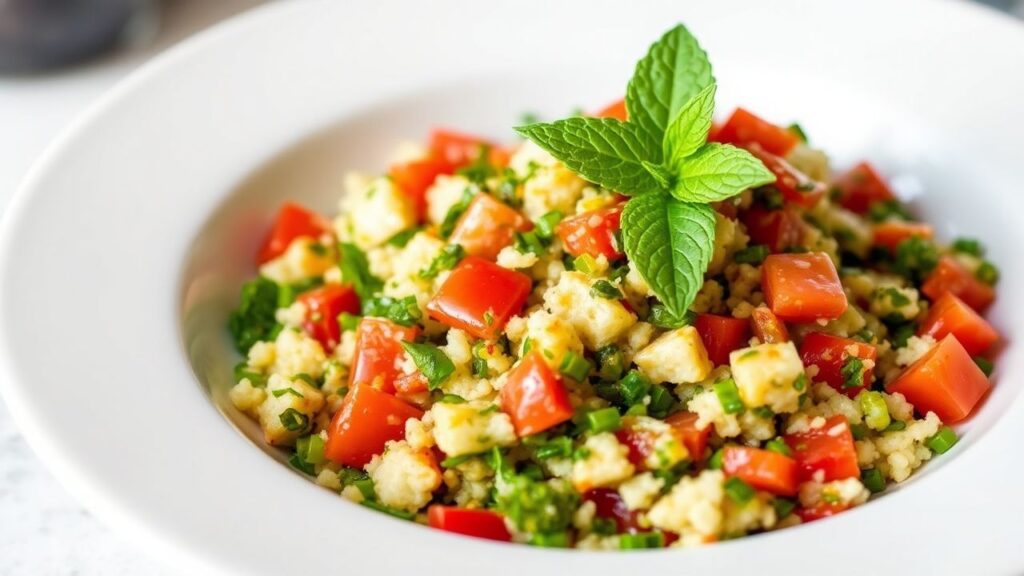
Serving Suggestions: Beyond the Bowl
The key to authentic Tabbouleh is to chop the parsley and mint extremely finely. Use a sharp chef’s knife and aim for a consistency that is almost fluffy, rather than large, ragged pieces. This ensures the herbs integrate seamlessly with the bulgur and dressing, creating a cohesive texture and flavor profile.
Can I use a different type of bulgur wheat?
While fine bulgur wheat (#1 grade) is traditional and recommended for its delicate texture, you *could* use medium bulgur (#2 grade) if fine is unavailable. However, you would likely need to adjust the soaking time, and the texture will be coarser. Coarser grades are generally not suitable for authentic Tabbouleh.
How long can Tabbouleh be stored?
Authentic Tabbouleh is best enjoyed fresh, ideally within 24 hours of preparation. The flavors are most vibrant, and the texture is at its peak. If you need to store it, keep it in an airtight container in the refrigerator for up to 2-3 days. However, be aware that the herbs may start to wilt, and the bulgur can become softer and more saturated with dressing over time.
Can I make Tabbouleh without bulgur wheat?
Yes, you can make a variation of Tabbouleh without bulgur, often referred to as “Parsley Salad” or “Quinoa Tabbouleh” if quinoa is used. In these versions, the bulgur is omitted or replaced with another grain like quinoa or even finely chopped cucumber for a lighter, gluten-free option. However, this deviates from the classic Tabbouleh recipe, which specifically relies on the texture and flavor of bulgur.
What are common mistakes to avoid when making Tabbouleh?
The most common mistakes include over-soaking the bulgur, resulting in a mushy texture; using a coarse chop for the herbs, leading to a less integrated salad; not drying the herbs thoroughly, which dilutes the dressing; and skipping the crucial resting period, which prevents the flavors from fully developing. Additionally, using too much bulgur or too much olive oil can detract from the authentic herb-forward taste.
See also: Tabbouleh