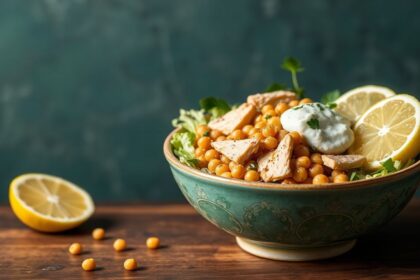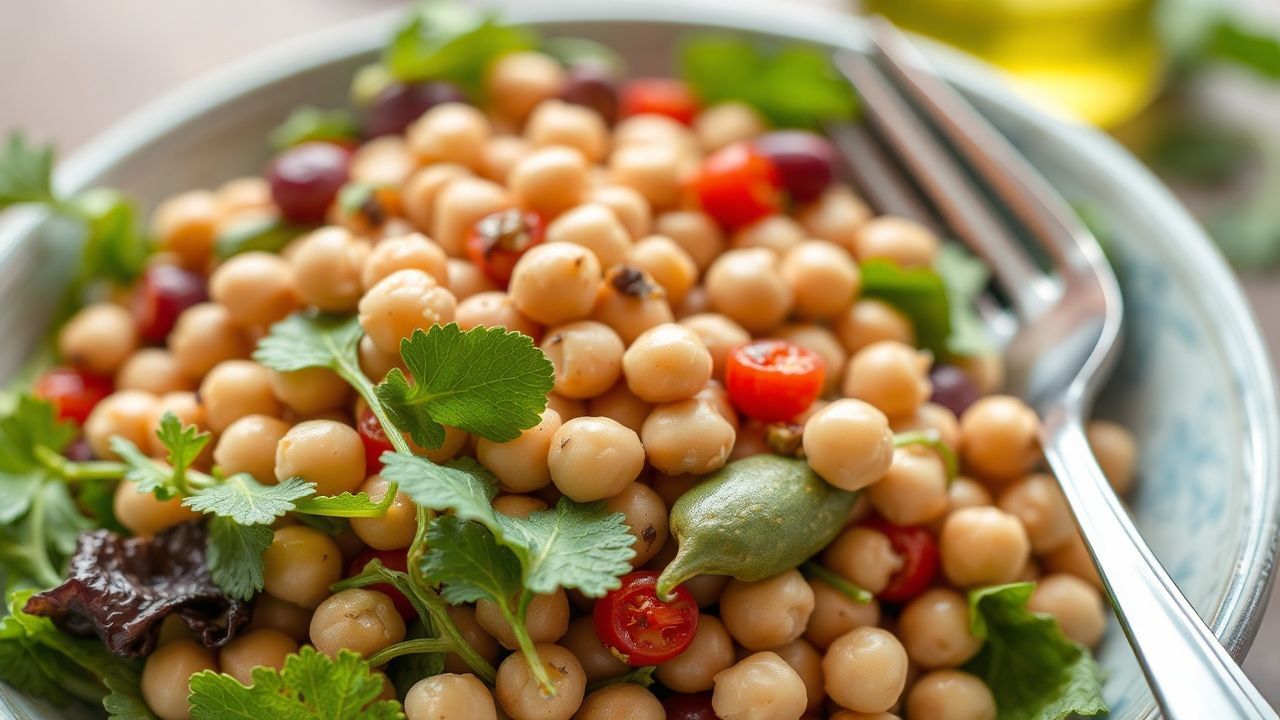

Bean Salad is more than just a side dish; it’s a nutritional powerhouse and a culinary chameleon, offering a symphony of textures and flavors that can elevate any meal. This humble ensemble of legumes, vegetables, and a vibrant dressing is proof of how simple ingredients can yield remarkable health advantages and gastronomic delight. Recent analyses indicate that global consumption of canned beans, a common base for bean salads, has seen a steady increase, driven by consumer interest in convenient, healthy, and plant-based protein sources. This surge underscores the inherent appeal and growing recognition of dishes like bean salad with chickpeas.
- The Undeniable Allure of Bean Salad with Chickpeas
- Unveiling the Nutritional Arsenal: Health Benefits of Bean Salad
- The Fiber Factor: Gut Health and Beyond
- Protein Power: Muscle, Metabolism, and More
- Micronutrient Marvels: Vitamins and Minerals Aplenty
- Crafting the Perfect Bean Salad: A Culinary Masterclass
- Bean Salad Variations: Beyond the Classic
- Incorporating Bean Salad into Your Diet: Practical Tips
- Frequently Asked Questions
- What are the primary health benefits of eating bean salad with chickpeas?
- How can I make my bean salad taste better and more interesting?
- Can bean salad be a complete meal, or is it just a side dish?
- How long does bean salad typically last in the refrigerator?
- Are there any specific types of beans that are best for bean salad?
- Final Recommendations
The true magic of a bean salad lies not just in its immediate nutritional punch, but in its adaptability, making it a cornerstone of both everyday meals and sophisticated entertaining.
The Undeniable Allure of Bean Salad with Chickpeas
Bean Salad, particularly when featuring the versatile chickpea, transcends mere sustenance. It represents a confluence of ancient culinary wisdom and modern nutritional science. For centuries, legumes have formed the bedrock of diets across diverse cultures, prized for their ability to nourish, sustain, and provide essential building blocks for the human body. The chickpea, with its slightly nutty flavor and satisfyingly firm texture, is a prime example, boasting a rich history that stretches back millennia, originating in the Fertile Crescent. When combined with other beans—kidney, black, cannellini, or even green beans—it creates a complex carbohydrate and protein matrix that is both filling and incredibly beneficial. This combination is not accidental; it’s a synergistic pairing that maximizes nutrient uptake and provides sustained energy release.
The popularity of bean salad with chickpeas is further bolstered by its sheer convenience. Today, the need for quick, healthy meal solutions is paramount. A well-prepared bean salad can be made ahead of time, requiring minimal last-minute assembly. It’s an ideal candidate for meal prepping, a staple in packed lunches, and a welcome addition to potlucks and picnics. Its shelf-life, especially when stored properly in the refrigerator, makes it an economical choice, minimizing food waste and offering a cost-effective way to incorporate nutrient-dense ingredients into one’s diet. This practicality, coupled with its inherent health benefits, solidifies its status as an essential component of a balanced lifestyle.
Unveiling the Nutritional Arsenal: Health Benefits of Bean Salad
The nutritional profile of a well-crafted bean salad with chickpeas is nothing short of extraordinary. It is a treasure trove of macronutrients and micronutrients that contribute to overall well-being. At its core, the blend of beans and chickpeas provides a substantial amount of dietary fiber and plant-based protein. According to the Harvard T.H. Chan School of Public Health, a diet rich in fiber can significantly aid digestion, promote satiety, and help regulate blood sugar levels. The fiber content in beans, particularly soluble fiber, has also been linked to lower cholesterol levels.
Beyond fiber, the protein content is crucial for muscle repair and growth, and it contributes to that feeling of fullness, which can be instrumental in weight management. A typical serving of mixed bean salad can offer upwards of 15-20 grams of protein, rivaling many meat-based dishes. Furthermore, beans and chickpeas are excellent sources of essential minerals such as iron, magnesium, potassium, and zinc. Iron, vital for oxygen transport in the blood, is particularly important for preventing fatigue, while magnesium plays a role in over 300 biochemical reactions in the body, including muscle and nerve function.
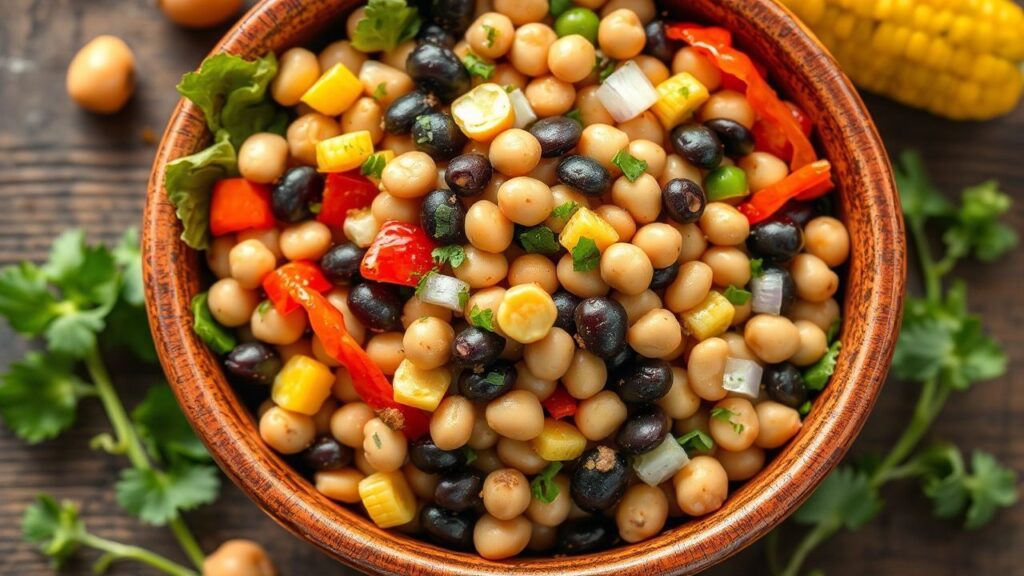
Research published in the *Journal of Nutrition* highlights the antioxidant properties of legumes, attributing them to polyphenols and flavonoids. These compounds help combat oxidative stress in the body, which is linked to chronic diseases like heart disease and certain cancers. The inclusion of various vegetables in the salad—such as tomatoes, bell peppers, onions, and leafy greens—further amplifies its micronutrient density, providing a spectrum of vitamins like Vitamin C, Vitamin K, and various B vitamins. This synergistic combination makes bean salad a truly holistic food.
The Fiber Factor: Gut Health and Beyond
The remarkable fiber content of bean salad is arguably its most celebrated attribute. Fiber acts as a prebiotic, feeding the beneficial bacteria in your gut microbiome. A healthy gut is increasingly recognized as fundamental to overall health, influencing everything from immune function and mood to nutrient absorption. Studies have shown that increased legume consumption is associated with a more diverse and robust gut microbiota. For instance, a study by the University of Illinois found that incorporating navy beans into the diet altered gut bacteria in a way that increased the production of beneficial short-chain fatty acids (SCFAs), such as butyrate, which nourishes colon cells and has anti-inflammatory properties.
The benefits of fiber extend beyond the gut. Its slow digestion rate helps to prevent sharp spikes and drops in blood sugar, making it an excellent food for individuals managing diabetes or seeking to maintain stable energy levels. This gradual release of glucose into the bloodstream is a key reason why bean salad is a superior choice for sustained energy compared to refined carbohydrate-rich meals. Moreover, the feeling of satiety that fiber promotes can significantly curb overeating, aiding in weight management efforts.
Protein Power: Muscle, Metabolism, and More
Plant-based protein sources are gaining prominence as individuals seek sustainable and healthy alternatives to animal protein. Bean salad, with its legume base, is an exemplary source of this essential macronutrient. Protein is not only vital for building and repairing tissues, including muscles, but it also plays a critical role in hormone production, enzyme function, and immune system support. For vegetarians, vegans, or those simply looking to reduce their meat intake, bean salad offers a substantial contribution towards daily protein requirements.
The metabolic benefits of adequate protein intake are also noteworthy. Protein has a higher thermic effect than carbohydrates or fats, meaning the body burns more calories digesting it. This can contribute to a slightly increased metabolism. Furthermore, sufficient protein intake is crucial for maintaining lean muscle mass, which is metabolically active tissue that burns more calories at rest than fat. Therefore, a protein-rich bean salad can be a strategic component of a fitness-oriented diet.
Micronutrient Marvels: Vitamins and Minerals Aplenty
While often lauded for its fiber and protein, bean salad is also a discreet yet potent source of vital micronutrients. The spectrum of beans and the accompanying vegetables deliver a diverse array of vitamins and minerals essential for myriad bodily functions. For example, the iron found in beans, while non-heme iron (less readily absorbed than heme iron from animal sources), can be significantly enhanced in its absorption by consuming the salad with a source of Vitamin C, such as tomatoes or bell peppers. This is a classic example of nutritional synergy.
Potassium, abundant in beans, is crucial for maintaining healthy blood pressure levels by counteracting the effects of sodium. Magnesium, involved in hundreds of enzymatic processes, supports nerve function, muscle contraction, and energy production. The vibrant colors of the vegetables in a typical bean salad—reds, yellows, greens—are indicative of various phytonutrients and antioxidants. These compounds, like lycopene in tomatoes and beta-carotene in carrots or bell peppers, offer protective benefits against cellular damage and inflammation.
Crafting the Perfect Bean Salad: A Culinary Masterclass
The beauty of bean salad lies in its adaptability, but achieving a truly exceptional result requires attention to detail in preparation and ingredient selection. It’s not simply a matter of tossing ingredients into a bowl; it’s about creating a harmonious blend of flavors, textures, and aromas. The foundation of any great bean salad is, of course, the beans themselves. Whether using canned or dried, ensuring they are properly cooked and rinsed is paramount. Canned beans offer convenience, but it’s essential to rinse them thoroughly under cold water to remove excess sodium and the starchy liquid that can sometimes impart an off-flavor.
When preparing dried beans, soaking them overnight and then simmering them until tender but not mushy is key. This method allows for greater control over the texture and eliminates the concern of added sodium. For a bean salad with chickpeas, a mix of textures can be achieved by using different types of beans. For instance, the firm bite of kidney beans contrasts beautifully with the creamy interior of cannellini beans and the robust structure of black beans, all complemented by the slightly granular texture of chickpeas.
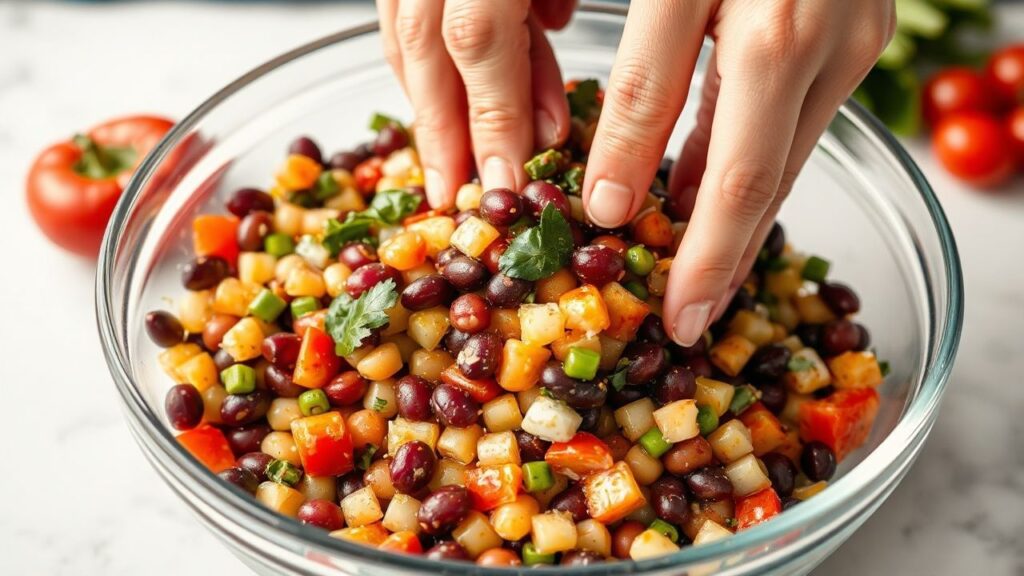
The vegetables added to the salad play a critical role in both flavor and visual appeal. Finely diced red onion, crisp bell peppers (in various colors for maximum impact), chopped celery, sweet corn kernels, and cherry tomatoes are common additions that bring freshness, crunch, and a burst of natural sweetness. Herbs like fresh parsley, cilantro, or chives add aromatic depth. The dressing is the final, unifying element. A classic vinaigrette, typically made with olive oil, vinegar (red wine, balsamic, or apple cider), Dijon mustard, a touch of sweetener (honey or maple syrup), salt, and pepper, is often the go-to. However, experimenting with creamy dressings, herb-infused oils, or even a tahini-based dressing can yield exciting new flavor profiles.
The Art of the Dressing: Flavor Fusion
The dressing is where a good bean salad truly shines, transforming disparate ingredients into a cohesive and delectable dish. A balanced vinaigrette should hit all the right notes: acidity from the vinegar, richness from the olive oil, a hint of sweetness to round out the flavors, and the emulsifying power of Dijon mustard. The ratio of oil to vinegar is often a matter of personal preference, but a common starting point is 3:1 oil to vinegar. However, for a bean salad, particularly one with starchy beans, a slightly higher proportion of vinegar can cut through the richness and prevent the salad from feeling heavy.
Consider infusing your olive oil with aromatics like garlic or chili flakes for an extra layer of complexity. Lemon juice can be used in place of or in addition to vinegar for a brighter, fresher tang. Fresh herbs are non-negotiable for an elevated flavor profile. Finely chopped parsley offers a clean, herbaceous note, while cilantro brings a more pungent, citrusy aroma that pairs exceptionally well with black beans and corn. Chives provide a delicate oniony flavor without the sharpness of raw onion.
Texture Play: The Secret to a Satisfying Bite
A truly memorable bean salad is a masterclass in textural contrast. The combination of soft, creamy, crunchy, and firm elements keeps each bite interesting and prevents the salad from becoming monotonous. This is where thoughtful ingredient selection and preparation come into play. The inherent creaminess of chickpeas and cannellini beans provides a soothing base. This can be amplified by including ingredients like avocado, which adds a velvety richness.
The satisfying bite of kidney beans and black beans offers a firmer counterpoint. To introduce crunch, finely diced celery, crisp bell peppers, and even raw, thinly sliced radishes can be incorporated. Toasted nuts or seeds, such as sunflower seeds, pumpkin seeds, or slivered almonds, can add a delightful nutty crunch and healthy fats. Even the sharpness of finely chopped red onion or scallions contributes a textural element, albeit a more subtle one, that enhances the overall mouthfeel. The goal is to create a salad where every mouthful offers a slightly different, yet equally pleasing, sensory experience.
Bean Salad Variations: Beyond the Classic
While the classic bean salad with chickpeas is a crowd-pleaser, the possibilities for variation are virtually endless. This adaptability is one of its greatest strengths, allowing it to cater to diverse palates and dietary needs. Exploring different bean combinations, vegetable additions, and dressing styles can lead to exciting culinary discoveries.
Mediterranean Inspired Bean Salad
Embrace the vibrant flavors of the Mediterranean with a twist. Combine chickpeas with cannellini beans and add chopped cucumber, Kalamata olives, sun-dried tomatoes, and crumbled feta cheese. A dressing of extra virgin olive oil, lemon juice, oregano, and a pinch of garlic powder creates a refreshing and robust flavor profile. This version is particularly delightful served alongside grilled fish or chicken.
Southwestern Fiesta Bean Salad
For a zesty and colorful option, think Southwestern. Mix black beans and corn with diced red and green bell peppers, jalapeños (for a touch of heat), and red onion. A lime-based dressing, infused with cumin, chili powder, and fresh cilantro, brings a distinctively zesty character. This salad is a perfect accompaniment to tacos, enchiladas, or grilled meats.
Hearty Grain and Bean Salad
Elevate your bean salad by incorporating a whole grain. Quinoa, farro, or even brown rice can be added to a base of chickpeas and other beans. Combine with roasted vegetables like sweet potatoes or Brussels sprouts, and a tahini-lemon dressing. This creates a more substantial and satisfying meal, suitable as a main course.
Incorporating Bean Salad into Your Diet: Practical Tips
Integrating bean salad into your regular meal rotation is straightforward, thanks to its versatility and ease of preparation. It’s an ideal candidate for meal prepping, allowing you to have healthy, ready-to-eat options throughout the week.
Meal Prep Strategies
Prepare a large batch of your favorite bean salad on a Sunday. Store it in airtight containers in the refrigerator. It can be portioned out for lunches or dinners. For salads where crispness is key (like those with fresh greens or crunchy vegetables), consider storing the dressing separately and combining just before serving. This ensures the salad remains fresh and appealing for several days.
Bean Salad as a Complete Meal
While often served as a side dish, bean salad can easily be transformed into a satisfying main course. Add grilled chicken or fish, a hard-boiled egg, or a dollop of Greek yogurt or avocado for added protein and healthy fats. Serve it over a bed of fresh greens or alongside a whole-grain roll for a complete and balanced meal.
Bean Salad Beyond the Bowl
Think outside the serving bowl. Bean salad can be used as a flavorful filling for wraps or sandwiches. It can also be spooned onto baked potatoes or sweet potatoes for a hearty and nutritious topping. Its versatility makes it a valuable addition to any culinary repertoire, offering endless possibilities for healthy and delicious meals.
Frequently Asked Questions
What are the primary health benefits of eating bean salad with chickpeas?
Bean salad, particularly when featuring chickpeas, is a nutritional powerhouse. It offers substantial amounts of dietary fiber, which aids digestion, promotes satiety, and helps regulate blood sugar levels. It is also an excellent source of plant-based protein, vital for muscle repair and growth. Furthermore, it provides essential minerals like iron, magnesium, and potassium, along with antioxidants that combat cellular damage.
How can I make my bean salad taste better and more interesting?
To enhance the flavor of your bean salad, focus on the dressing and the quality of your ingredients. Use fresh herbs like parsley, cilantro, or chives. Experiment with different vinegars or citrus juices for the dressing. Adding a touch of sweetness, like honey or maple syrup, can balance the flavors. Consider incorporating ingredients that offer textural contrast, such as diced celery, crunchy bell peppers, or toasted nuts and seeds.
Can bean salad be a complete meal, or is it just a side dish?
Absolutely, bean salad can be a complete meal. To make it more substantial, add a source of lean protein such as grilled chicken, fish, or tofu. Incorporating healthy fats like avocado or a handful of nuts and seeds will increase satiety. Serving it over a bed of mixed greens or alongside a whole-grain roll also transforms it into a hearty main course.
How long does bean salad typically last in the refrigerator?
When stored properly in an airtight container in the refrigerator, bean salad typically lasts for 3 to 5 days. For salads containing delicate greens or dressings that could make ingredients soggy, it’s advisable to store the dressing separately and combine it just before serving to extend freshness. Always check for any signs of spoilage, such as off-odors or mold, before consuming.
Are there any specific types of beans that are best for bean salad?
The best beans for bean salad are those that hold their shape well and offer a pleasing texture. Chickpeas are a classic choice due to their firm yet yielding consistency. Kidney beans, black beans, cannellini beans, and pinto beans are also excellent options. Combining different types of beans can create a more complex and interesting texture profile. Green beans, when blanched or steamed until tender-crisp, also add a lovely fresh element.
Final Recommendations
Embracing bean salad with chickpeas is a straightforward yet profoundly impactful step towards a healthier, more vibrant lifestyle. Its nutritional density, coupled with its incredible versatility, makes it an indispensable component of any well-rounded diet. Whether you are a seasoned cook or just beginning your culinary journey, the adaptability of bean salad ensures it can be a staple that consistently delivers both satisfaction and well-being. Prioritize fresh, quality ingredients, experiment with diverse flavor profiles through dressings and added vegetables, and don’t shy away from using it as a foundation for complete, nourishing meals. Making bean salad a regular feature on your plate is a delicious investment in your long-term health.
See also: Bean Salad