
Introducing Your Little Foodie to Independence with the Right Tools
Embarking on the baby-led weaning (BLW) journey is an exhilarating step for both parents and babies. This method champions self-discovery, allowing your little one to explore textures, tastes, and the mechanics of eating independently. Choosing the correct utensils is paramount. They don’t just serve food; they act as crucial extensions of your baby’s developing motor skills and burgeoning curiosity. The right tools can transform mealtime from a potential challenge into a joyous, empowering experience.
- Introducing Your Little Foodie to Independence with the Right Tools
- Why Utensils Matter for Baby-Led Weaning
- Essential Features of Top Baby-Led Weaning Utensils
- How to Choose and Introduce BLW Utensils
- Top Baby-Led Weaning Utensil Picks
- 1. Silicone Spoons for Sensitive Gums
- 2. Bamboo Utensils with Natural Appeal
- 3. Stainless Steel Utensils with Ergonomic Grips
- 4. Utensils with Suction Bases
- 5. Spork Combinations
- Chef’s Notes & Expert Tips for Success
- Serving Suggestions for Empowered Eating
- BLW Utensil Material Comparison
- Frequently Asked Questions About BLW Utensils
- Q1: What is baby-led weaning, and why are specific utensils important?
- Q2: What are the most critical features to look for in BLW utensils?
- Q3: Is silicone or plastic better for BLW spoons?
- Q4: How do I encourage my baby to use utensils instead of just playing with them?
- Q5: Which brands are reputable for baby-led weaning utensils?
- The Future of Feeding: Embracing Independence
Key Takeaways:
- Baby-led weaning emphasizes self-feeding and independence.
- Proper utensils support fine motor skill development.
- Safety, material, and ergonomics are key factors in selection.
- The right tools make mealtimes more enjoyable and less messy.
Why Utensils Matter for Baby-Led Weaning
Baby-led weaning centers on the baby’s ability to self-feed. While finger foods are the initial focus, introducing appropriate utensils early on is vital. These tools are not just for scooping; they are training grounds for developing pincer grasp, hand-eye coordination, and an understanding of cause and effect in eating. A well-designed utensil can boost a baby’s confidence, encouraging them to interact more with their food and reducing frustration. This promotes a positive relationship with mealtime from the very beginning.
The design of BLW utensils is fundamentally different from traditional baby spoons. They are typically shorter, thicker, and often made from softer materials to be gentle on developing gums and teeth. The emphasis is on making it easy for tiny hands to grasp and maneuver, even if their coordination isn’t perfect yet. This developmental support is what makes selecting specialized utensils a worthwhile investment for parents committed to the BLW philosophy. Learning to use utensils is a significant milestone in a child’s development, akin to mastering other fine motor skills. You can learn more about fine motor skills and their importance in early childhood development.
Prep and Cook Time for Utensil Selection
- Prep Time: 10 minutes (for research, selection, and initial cleaning)
- Cook Time: Not applicable (focus on utensil readiness and hygiene)
Yield
Equip your baby’s feeding station with a starter set, typically 3-4 essential utensils like spoons and forks, ensuring a clean option is always available.
Difficulty Level
Easy. Selecting appropriate utensils is a straightforward process for any caregiver, ensuring a safe and engaging mealtime environment.
Essential Features of Top Baby-Led Weaning Utensils
When selecting utensils for your little one’s BLW adventure, several critical features stand out. Material safety is paramount; you want items made from food-grade, non-toxic substances that are free from BPA, phthalates, and other harmful chemicals. The texture and flexibility of the material also play a significant role in comfort and ease of use for babies.
Ergonomics is another key consideration. Utensils should have thick, short handles that are easy for small hands to grip and control. Non-slip surfaces can prevent dropped utensils, reducing mealtime chaos. Rounded edges and soft tips are essential to protect delicate gums and emerging teeth, ensuring a safe eating experience. The overall design should encourage self-feeding and confidence, not hinder it. These features directly support the principles of child development, particularly in areas of motor control and independence.
Materials & Features to Look For
- Food-grade silicone: Exceptionally soft, flexible, and gentle on gums. It’s also heat-resistant and easy to clean.
- Bamboo or sustainably harvested wood: Offers a natural, lightweight feel. Ensure it’s treated with food-safe finishes for durability and hygiene.
- Stainless steel accents: Can add durability and a comfortable weight to handles, especially when combined with silicone grips.
- Ergonomic handles: Thick, textured, and non-slip grips perfectly sized for small hands to promote independent scooping and control.
- Rounded, baby-safe edges: Absolutely crucial to prevent any scratching or injury to the baby’s mouth.
- Shallow, wide spoon bowls: Designed to make it easier for babies to scoop and manage food, reducing spills.
- Sturdy, blunt-tipped forks: Capable of spearing soft foods without being sharp, aiding in self-feeding.
How to Choose and Introduce BLW Utensils
The process of selecting and introducing utensils to your baby should be as thoughtful as choosing their first foods. Start by observing your baby’s developmental stage. Are they showing interest in grasping objects? Are their fine motor skills developing to the point where they can attempt to bring something to their mouth?
When introducing utensils, do so alongside finger foods. This allows your baby to practice with both methods, building confidence and skills. Don’t expect perfection immediately. The goal is exploration and engagement, not a perfectly clean plate. Celebrate their efforts, no matter how messy they may seem. This approach aligns with the natural learning process of infants and toddlers.
Instructions for Choosing and Using Baby-Led Weaning Utensils
- Prioritize size and shape: Choose spoons and forks with short, thick handles and shallow, wide bowls or tines suited for small hands and mouths.
- Verify material safety: Always opt for BPA-free, phthalate-free, and non-toxic materials that can withstand regular washing and sterilization.
- Ensure easy cleaning: Select tools that are dishwasher-safe or simple to wash by hand, ensuring no food particles get trapped in crevices.
- Encourage engagement: Look for designs with bright colors or engaging textures that can spark curiosity and make mealtime more playful.
- Have multiple sets: Keep several clean sets of utensils available. This prevents frustration if one is dropped or becomes messy, maintaining mealtime flow.
- Introduce alongside finger foods: Allow your baby to explore utensils as an additional way to interact with food, complementing their finger-feeding skills.
- Model use (gently): You can occasionally demonstrate how to scoop or spear food, but avoid taking over; the emphasis remains on their independent efforts.
Top Baby-Led Weaning Utensil Picks
Navigating the market for the best BLW utensils can be daunting. Many brands offer excellent options, focusing on safety, ergonomics, and durability. When making your choice, consider a combination of materials and designs to see what best suits your baby’s preferences and needs.
Here are some categories and specific features that consistently receive high marks from parents and feeding experts alike. These selections aim to support your baby’s journey toward confident self-feeding, making each meal a positive learning experience. The right tools can significantly reduce common BLW challenges.
1. Silicone Spoons for Sensitive Gums
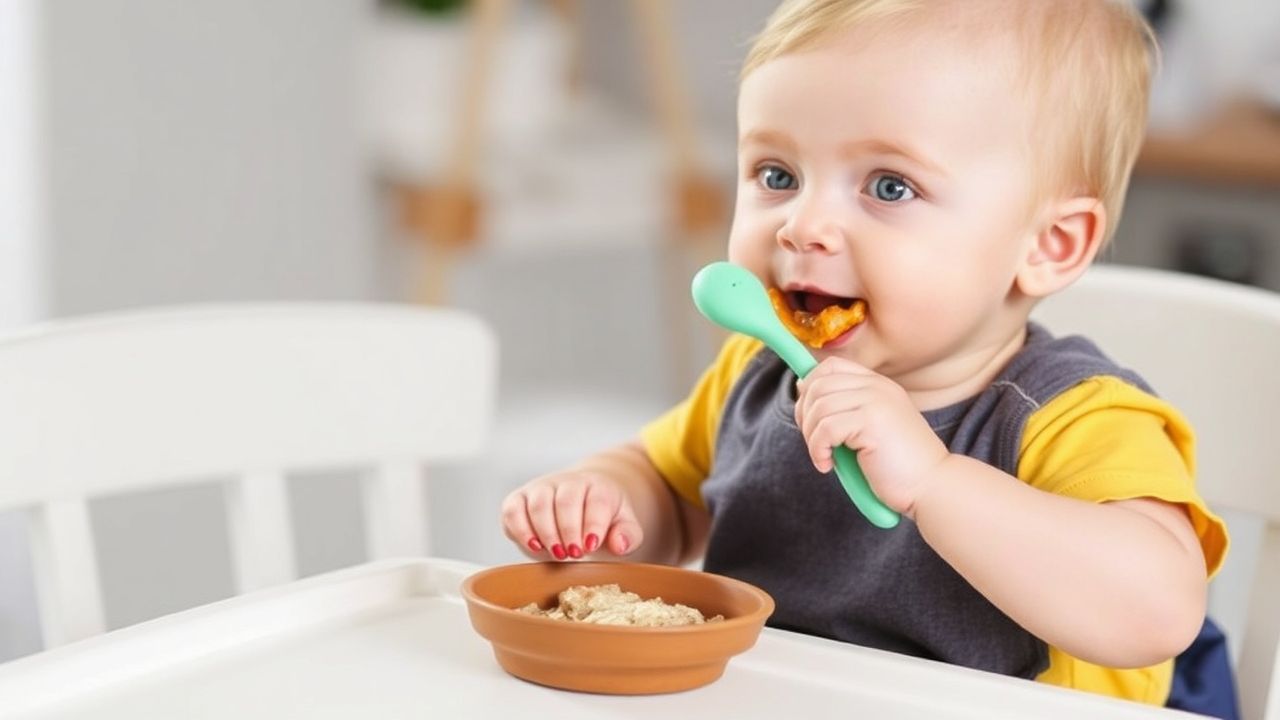
Silicone spoons are a staple in most BLW kitchens. Their softness is unparalleled, making them incredibly gentle on a baby’s gums and new teeth. They also offer a good grip, even when wet, and are less likely to cause injury if a baby bites down too hard.
The flexibility of silicone allows babies to learn how to scoop food more effectively, as the spoon can conform slightly to the food’s shape. Furthermore, silicone is naturally resistant to stains and odors, making it a hygienic choice for frequent use. Many come with ergonomic handles designed for little hands, promoting a natural grasp and movement. This material is a favorite for its balance of safety and functionality.
2. Bamboo Utensils with Natural Appeal
For parents seeking eco-friendly options, bamboo utensils are a popular choice. Bamboo is a sustainable resource, and the utensils made from it are lightweight and have a pleasing natural aesthetic. They offer a different tactile experience compared to silicone.
While bamboo is durable, it may require a bit more care. It’s often recommended to hand-wash bamboo utensils to preserve their finish and longevity. Some bamboo utensils feature silicone grips on the handles, combining the benefits of both materials for an enhanced user experience. The solid construction can also provide a good sense of control for babies learning to manage utensils. Choosing sustainable materials is a growing trend in parenting products, reflecting broader environmental awareness.
3. Stainless Steel Utensils with Ergonomic Grips
Stainless steel offers exceptional durability and is easy to sanitize. For BLW, these utensils are often designed with wider, thicker handles, frequently coated in silicone, to ensure a secure grip for babies. The weight of stainless steel can also help babies feel more in control as they maneuver the utensil.
The tines on stainless steel forks are typically blunt and short, making them safe for little mouths. Spoons made of stainless steel are often more rigid, which can help some babies scoop food more effectively than with a very flexible silicone spoon. They are an excellent long-term investment as they won’t break or degrade easily, offering excellent value over time. This durability makes them suitable for even the most enthusiastic little eaters.
4. Utensils with Suction Bases
While not strictly a utensil itself, many bowls and plates designed for BLW come with integrated suction bases. These are crucial for stability, preventing the plate or bowl from sliding or being thrown. This stability allows babies to focus more on scooping food rather than fighting a moving target.
The suction base significantly reduces mealtime messes and frustration for both baby and parent. When paired with appropriate utensils, these stable feeding surfaces create an optimal environment for learning and exploration. It’s a simple addition that makes a profound difference in the success of self-feeding, turning potential chaos into controlled learning. This innovation directly addresses one of the biggest challenges of feeding young children.
5. Spork Combinations
The spork, a hybrid of a spoon and a fork, is a brilliant innovation for BLW. It can help babies scoop up softer foods with the spoon end and spear firmer items with the fork end. This versatility means fewer utensils are needed, and babies can practice different food-handling techniques with a single tool.
Sporks are particularly useful for transitioning between different food consistencies. They can help bridge the gap for babies who are still mastering the art of scooping with a spoon or spearing with a fork. Their adaptability makes them a highly recommended addition to any BLW utensil collection, simplifying mealtime prep and offering more ways for your baby to engage with their food. This multi-functional design supports tool use development in a practical way.
Chef’s Notes & Expert Tips for Success
- Look for utensils with silicone tips that are gentle on emerging teeth and sensitive gums.
- Consider bamboo utensils treated with food-safe finishes for added durability and a natural feel.
- If your baby is prone to dropping utensils, weighted handles can improve grip and balance.
- Regularly inspect utensils for wear or cracks to ensure ongoing safety and hygiene.
- Washing immediately after use prevents staining and eliminates lingering food odors.
- Personalizing utensils with your baby’s name or favorite colors can make mealtimes more engaging.
- Don’t be afraid of a little mess! It’s a sign of exploration and learning.
A common challenge parents face is their baby’s tendency to use utensils as toys rather than for eating. This is a normal part of the learning process. Engaging your baby with the food itself, making fun sounds, and demonstrating how to use the utensil for eating can help redirect their focus. Positive reinforcement for attempted use is more effective than correction.
Consistency in offering utensils, even if they aren’t used perfectly at first, is more important than the specific brand or type. The goal is to build familiarity and encourage repeated attempts. This persistent exposure helps normalize the use of cutlery as part of the eating experience, much like learning any new skill. Understanding the development of habits can offer insight into why consistency is so effective.
Serving Suggestions for Empowered Eating
The way you present food and set up the eating environment significantly impacts your baby’s engagement with their utensils. Think of creating a mini dining experience that is both functional and fun for your little one. This can turn a routine meal into an exciting exploration.
Pairing the right utensils with appropriately prepared foods is crucial. Soft, easily manageable finger foods are ideal. Think steamed vegetable sticks, ripe fruit slices, or small pieces of well-cooked pasta. Offering dips in separate compartments on a plate or in small bowls can also encourage utensil use, as your baby learns to scoop and dip. This interactive approach makes learning more engaging.
BLW Utensil Material Comparison
| Material | Durability | Ease of Cleaning | Gum Safety | Pros | Cons |
|---|---|---|---|---|---|
| Silicone | High (flexible, tear-resistant) | Dishwasher safe | Very gentle | Soft, safe, non-slip, heat-resistant | Can sometimes be too flexible for effective scooping |
| Bamboo | Medium (can wear over time) | Hand wash recommended | Soft, natural texture | Eco-friendly, lightweight, natural feel | Less durable than silicone or steel, can stain |
| Stainless Steel (with grips) | Very High (rust and dent-resistant) | Dishwasher safe | Firm but safe (with rounded edges) | Durable, hygienic, good weight for control | Can be too hard if dropped on baby, less flexible |
Choosing a variety of materials can offer your baby different sensory experiences and help you discover what works best for their developing skills. Each material has unique benefits that can contribute to a positive BLW journey. For instance, the tactile feedback from a silicone handle might be more appealing to some babies than a smooth wooden one.
The table above provides a quick overview to help you weigh the advantages of each material. Consider your baby’s specific needs and your personal preferences when making your selection. Ultimately, the most effective utensil is one that your baby enjoys using and that promotes their independence. Exploring different textures and weights can also aid in sensory development.
To further enhance your baby’s culinary adventures, explore tasty recipes specifically designed for little eaters. For comprehensive guidance on infant feeding safety and development, consult resources like HealthyChildren.org, a trusted platform from the American Academy of Pediatrics. Understanding the principles of safe feeding practices is as important as selecting the right tools. These resources offer valuable insights into the broader aspects of infant nutrition and safety.
Frequently Asked Questions About BLW Utensils
Q1: What is baby-led weaning, and why are specific utensils important?
Baby-led weaning (BLW) is an approach where babies self-feed whole finger foods from around six months of age, skipping traditional purees. Specialized utensils are important because they are designed to be easy for babies to grip and maneuver, supporting the development of fine motor skills, hand-eye coordination, and independence during mealtime. They are often made from softer, safer materials than adult cutlery. This method promotes a more natural eating progression for infants.
Q2: What are the most critical features to look for in BLW utensils?
Key features include food-grade, non-toxic materials (like BPA-free silicone), ergonomic handles that are thick and non-slip for easy gripping, and rounded, soft edges to protect a baby’s gums and mouth. Shallow bowls on spoons and short tines on forks are also crucial for effective scooping and spearing of food by little hands. These design elements are tailored for infant development and safety.
Q3: Is silicone or plastic better for BLW spoons?
Silicone spoons are generally preferred for BLW due to their softness, flexibility, and gentle nature on sensitive gums and emerging teeth. They offer a good grip and are heat-resistant. While some food-grade plastics can be safe, silicone often provides a superior tactile experience and safety profile for babies exploring solid foods independently. The inherent properties of silicone make it an ideal material for infant feeding products.
Q4: How do I encourage my baby to use utensils instead of just playing with them?
Introduce utensils alongside finger foods, demonstrating how to scoop or spear food. Keep mealtimes positive and engaging; celebrate attempts and successes, no matter how small. Avoid forcing the utensil or taking over. Consistency and making mealtime fun are key. Eventually, their curiosity will lead them to use the utensils for eating. This patience is a cornerstone of successful BLW.
Q5: Which brands are reputable for baby-led weaning utensils?
Several brands are highly regarded for their BLW utensil lines, including OXO Tot, Munchkin, Beaba, and ezpz. These brands often focus on ergonomic designs, safe materials, and durability. It’s also worth exploring smaller, specialized brands that may offer unique designs or materials. Researching reviews can help you find the best fit for your family. Popular choices often stem from a commitment to infant safety and developmental needs.
The Future of Feeding: Embracing Independence
As your little one grows and gains confidence with their baby-led weaning utensils, mealtime becomes a rich learning experience. The tools you select today are not just for eating; they are building blocks for a lifetime of healthy habits and a positive relationship with food. Encouraging self-feeding with the right equipment fosters independence, self-reliance, and a sense of accomplishment.
Remember that patience and consistent encouragement are your most valuable assets. Every mess, every dropped spoon, and every successful scoop is a step forward. By providing safe, functional, and engaging utensils, you are setting the stage for a future filled with happy, healthy eaters who enjoy exploring the world of food. Embrace the journey, celebrate the milestones, and enjoy the delicious discoveries ahead! This approach to feeding lays the groundwork for a lifetime of healthy eating habits.
See also: baby-led weaning utensils