
Unlock Fluffy Perfection: Mastering Scrambled Eggs Right
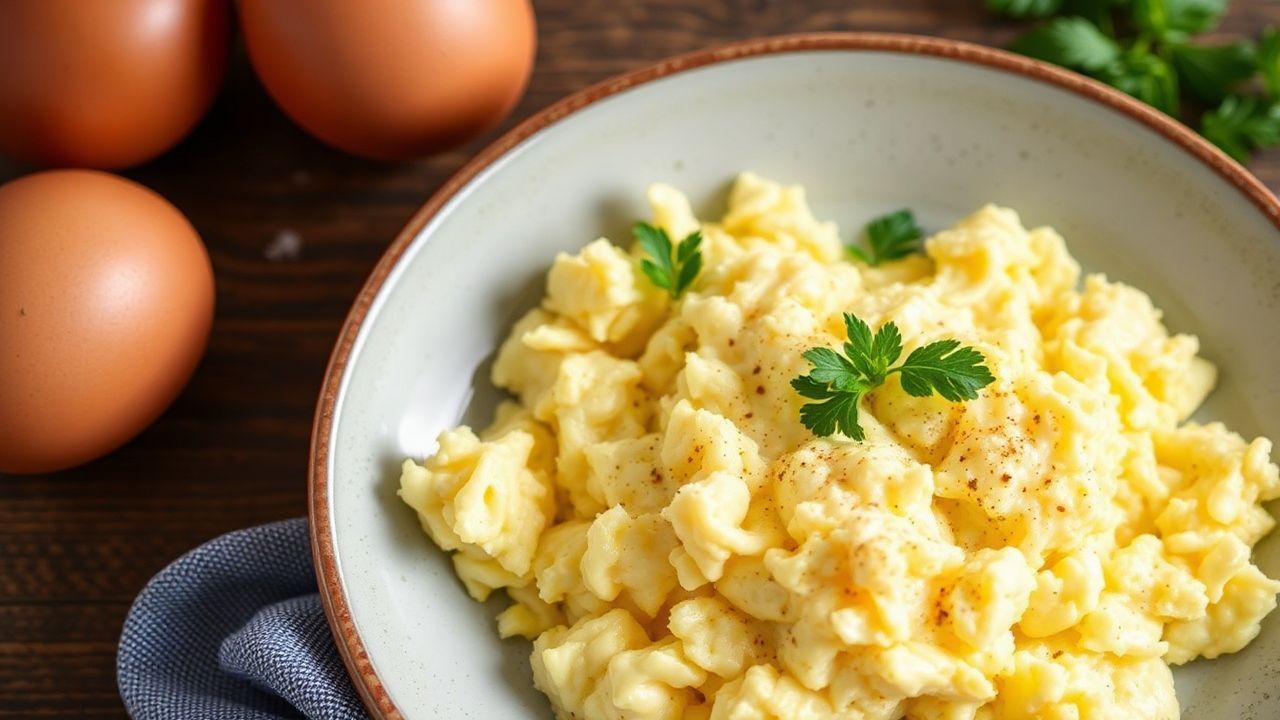
There’s a simple, profound satisfaction in a plate of perfectly scrambled eggs. That tender, fluffy texture—light as a cloud, rich with buttery goodness—can elevate an everyday breakfast into a culinary delight. Achieving this elusive fluffy perfection isn’t mere luck; it’s a skill honed through timing, technique, and temperature control.
- Unlock Fluffy Perfection: Mastering Scrambled Eggs Right
- The Science Behind Cloud-Like Scrambled Eggs
- Prep and Cook Time
- Yield
- Difficulty Level
- Step-by-Step Instructions to Achieve Soft and Airy Eggs
- 1. Whisk the Eggs for Maximum Air
- 2. Prepare the Pan with Gentle Heat
- 3. Cook Slowly and Stir Gently
- 4. Finish with Precise Seasoning
- 5. Serve Immediately for Optimal Texture
- Tips for Achieving Ultimate Fluffiness
- Elevated Serving Suggestions
- Nutritional Information (Approximate Per Serving)
- Q&A: Mastering Scrambled Eggs
- Q1: What is the primary secret to achieving perfectly fluffy scrambled eggs?
- Q2: Should I use butter or oil for cooking scrambled eggs?
- Q3: How does whisking influence the fluffiness of scrambled eggs?
- Q4: When is the best time to add ingredients like cheese or herbs?
- Q5: What are the most common mistakes to avoid when making scrambled eggs?
- Q6: How can I tell when my scrambled eggs are perfectly done?
- Wrapping Up Your Scrambled Egg Mastery
- Gentle Heat is Key: Low and slow cooking prevents rubbery eggs and ensures a tender, creamy texture.
- Whisk for Air: Incorporating air during whisking creates volume and a lighter, fluffier result.
- Butter for Flavor: Unsalted butter adds richness and aids in creating soft, delicate curds.
- Don’t Overcook: Remove eggs when slightly runny; residual heat will finish the cooking process.
This guide unlocks the secrets to mastering scrambled eggs, offering expert tips and creative ideas to refine your morning meal. Prepare to transform ordinary eggs into an extraordinary start to your day.
The Science Behind Cloud-Like Scrambled Eggs
The magic of fluffy scrambled eggs lies in understanding how heat interacts with egg proteins. When whisked and cooked gently, these proteins unwind and coagulate slowly, trapping tiny air bubbles. This process, akin to baking a delicate soufflé, results in unmatched softness and volume. It’s a beautiful blend of culinary technique and basic food science.
Achieving that desired creamy, airy consistency is a result of careful manipulation of heat and movement. Overcooking causes proteins to contract too tightly, squeezing out moisture and leading to a rubbery texture. Conversely, gentle cooking allows them to set gradually, creating a tender, almost custard-like bite.
Prep and Cook Time
Preparation: 5 minutes | Cooking: 10 minutes | Total: 15 minutes
Yield
Serves 2
Difficulty Level
Easy
Ingredients for Fluffy Perfection
- 4 large eggs (preferably room temperature for even cooking)
- 2 tablespoons whole milk or heavy cream (for added creaminess and airiness)
- 1 tablespoon unsalted butter (for flavor and texture)
- Salt to taste (fine sea salt recommended)
- Freshly ground black pepper to taste
- Chopped fresh chives or parsley (optional, for garnish and freshness)
Step-by-Step Instructions to Achieve Soft and Airy Eggs
1. Whisk the Eggs for Maximum Air
In a medium bowl, vigorously whisk the 4 large eggs with the 2 tablespoons of whole milk or cream. The aim here is to incorporate as much air as possible. Continue whisking until the mixture is uniformly pale yellow and noticeably frothy. This aeration is the first crucial step toward achieving fluffy perfection.
This frothy mixture is essential; it sets the stage for the light, airy texture you desire. Skipping this step or whisking too little will result in denser, less voluminous scrambled eggs. Think of it as creating tiny pockets that will expand when heated.
2. Prepare the Pan with Gentle Heat
Preheat a nonstick skillet over low heat. Add the 1 tablespoon of unsalted butter and allow it to melt gently, coating the entire surface without browning. Maintaining a low temperature is critical for controlling the cooking process and preventing the eggs from becoming tough or rubbery.
The low heat ensures a slow, even cook. High heat can cause the egg proteins to seize too quickly, leading to a less desirable texture. The butter not only prevents sticking but also contributes essential flavor and helps create a smooth, creamy mouthfeel.
3. Cook Slowly and Stir Gently
Pour the whisked egg mixture into the preheated skillet. Using a silicone spatula, begin to gently push the cooked eggs from the edges toward the center in slow, deliberate folds. Continue this gentle stirring and folding motion, allowing the eggs to set gradually.
The key is to stir intermittently, not constantly. This allows larger, softer curds to form. By folding the cooked portions over the uncooked liquid, you create layers that trap moisture and air, contributing to the fluffy texture. Avoid vigorous scraping or constant stirring, which can break the curds down too much.
4. Finish with Precise Seasoning
When the eggs are softly set but still appear slightly wet and glossy, remove the pan from the heat. This is the ideal moment to season them with salt and freshly ground black pepper. The residual heat in the pan will continue to cook the eggs gently.
Salting too early can break down the egg proteins, leading to a watery consistency. Seasoning at the end, just as they finish cooking, ensures the salt enhances the flavor without negatively impacting the texture. The carryover cooking is essential for achieving that perfect, tender finish.
5. Serve Immediately for Optimal Texture
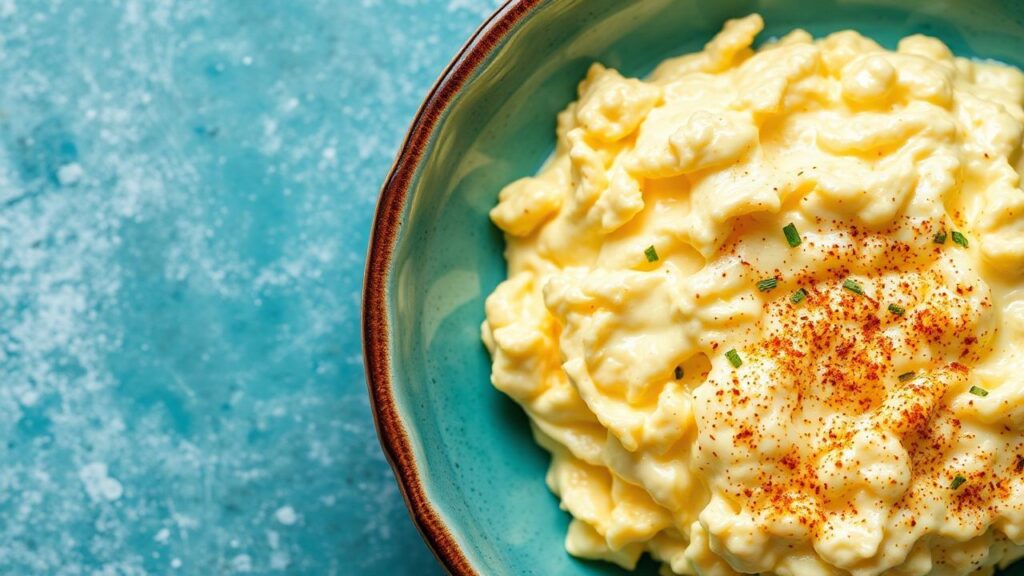
Transfer the scrambled eggs immediately onto warm plates. For an extra touch of color and freshness, sprinkle with chopped chives or parsley. Enjoy your perfectly fluffy, creamy eggs at once to experience their optimal texture and taste.
Scrambled eggs are at their best when served fresh. The warmth and gentle texture are fleeting, so prompt serving ensures you savor every bite. This immediate enjoyment is part of what makes a well-made plate of scrambled eggs so satisfying.
Tips for Achieving Ultimate Fluffiness
- Freshness Matters: Choose the freshest eggs available. Fresh eggs possess firmer whites and richer yolks, which contribute to a cleaner flavor and a superior fluffy texture. The structural integrity of fresh eggs holds up better during the whisking and cooking process.
- Dairy Choices: Whole milk adds a light creaminess, while heavy cream provides a richer, more decadent mouthfeel. Both are excellent choices for enhancing fluffiness. Experiment with non-dairy milk alternatives for different flavor profiles, but be aware they may alter the final texture.
- Embrace Low Heat: Cooking eggs over medium or high heat risks fierce protein contraction, leading to dryness and a rubbery texture. Patience is rewarded with a silky, luscious, and tender result. Low and slow is the true mantra for fluffy eggs.
- Mindful Whisking: While aeration is crucial for fluffiness, excessive whisking can break down egg proteins too much, compromising the dish’s structure. Aim for a light, consistent froth throughout the mixture. Over-beating can lead to a soupy texture.
- Butter’s Role in Flavor: Butter’s inherent milk solids add a distinct flavor and contribute to the creamy mouthfeel that defines perfect scrambled eggs. Use unsalted butter for better control over seasoning. Avoid oils unless for specific dietary needs, as they lack the same flavor-enhancing qualities.
- Make-Ahead Strategy: Scrambled eggs are unequivocally best served fresh. If you must prepare them in advance, cook them slightly underdone. Gently reheat in a non-stick pan with a tiny splash of milk or cream to revive their creamy texture without overcooking.
Elevated Serving Suggestions
For a stunning presentation that perfectly complements your fluffy scramble, consider serving it atop toasted artisanal bread. A thin layer of herbed cream cheese or mashed avocado provides a delightful base. Garnish with vibrant sprigs of chives, parsley, or delicate microgreens for an added visual appeal and fresh flavor contrast.
Pair your scrambled eggs with complementary dishes for a balanced brunch experience. Charred cherry tomatoes or sautéed mushrooms offer a savory depth that contrasts beautifully with the richness of the eggs. For a more indulgent brunch, consider adding a side of smoked salmon or crispy bacon. A fresh fruit salad can provide a bright, palate-cleansing element, creating a harmonious symphony of flavors and textures.
Nutritional Information (Approximate Per Serving)
| Nutrient | Per Serving |
|---|---|
| Calories | 280 kcal |
| Protein | 18 g |
| Carbohydrates | 2 g |
| Fat | 22 g |
For a deeper exploration into the science of eggs and a variety of delicious breakfast ideas, consult our Ultimate Guide to Egg Recipes. To understand the fundamental molecular structures of eggs, explore Wikipedia’s comprehensive article on eggs.
Q&A: Mastering Scrambled Eggs
Q1: What is the primary secret to achieving perfectly fluffy scrambled eggs?
The secret to fluffy scrambled eggs lies in controlling the heat and employing a gentle stirring technique. Cooking them over low heat prevents them from becoming rubbery and helps maintain that melt-in-your-mouth softness. Additionally, whisking in a small amount of milk or cream before cooking can introduce more air, contributing to an exceptionally airy texture.
Q2: Should I use butter or oil for cooking scrambled eggs?
Butter is the traditional and often preferred choice for cooking scrambled eggs. It imparts a rich, creamy flavor and contributes to a smooth texture, helping to form those desirable soft curds. While oil can prevent burning, especially if cooking over slightly higher heat, butter provides a superior flavor profile and mouthfeel.
Q3: How does whisking influence the fluffiness of scrambled eggs?
Whisking is absolutely crucial for achieving fluffiness. It effectively incorporates air into the egg mixture, which expands during cooking, resulting in a lighter and airier final product. For an even greater lift, beat the eggs vigorously until they become pale and frothy before they even touch the pan.
Q4: When is the best time to add ingredients like cheese or herbs?
For the best results, it’s advisable to fold delicate additions like chopped herbs, cheese, or smoked salmon into the eggs toward the very end of the cooking process. This ensures that the eggs remain soft and creamy, and the flavors meld beautifully without compromising the desired fluffy texture.
Q5: What are the most common mistakes to avoid when making scrambled eggs?
Avoid cooking scrambled eggs over high heat and overcooking them, as both practices lead to a rubbery and dense outcome. Refrain from stirring too aggressively or too infrequently; a gentle, consistent motion is key to forming tender curds. Lastly, do not salt the eggs too early in the process, as this can break down their structure and negatively affect the texture.
Q6: How can I tell when my scrambled eggs are perfectly done?
You’ll know your scrambled eggs are ready when they appear softly set but still maintain a slightly glossy and creamy appearance. Remove them from the heat at this stage. The residual warmth from the pan will continue to cook them gently, ensuring they are perfectly done without becoming dry.
With these expert insights, you are now equipped to consistently create scrambled eggs that are wonderfully fluffy, velvety smooth, and utterly irresistible. Embrace the technique, and enjoy a superior breakfast experience every time.
Wrapping Up Your Scrambled Egg Mastery
In the pursuit of the perfect scrambled eggs, patience and precise technique merge like the yolk and white, culminating in a breakfast masterpiece. By mastering the delicate balance of heat, timing, and gentle folding, you unlock a culinary dimension where fluffy clouds of eggs transform every breakfast into an extraordinary event.
So, the next time you crack open an egg, remember that you’re not just cooking; you’re crafting a simple delight that is both deeply comforting and elegantly prepared. Implement these tips, and watch your scrambled eggs ascend from the ordinary to the absolutely perfect, every single time. For further exploration into the world of egg preparation, explore variations like omelettes, or discover the science behind them on egg protein structures.
See also: fluffy scrambled eggs