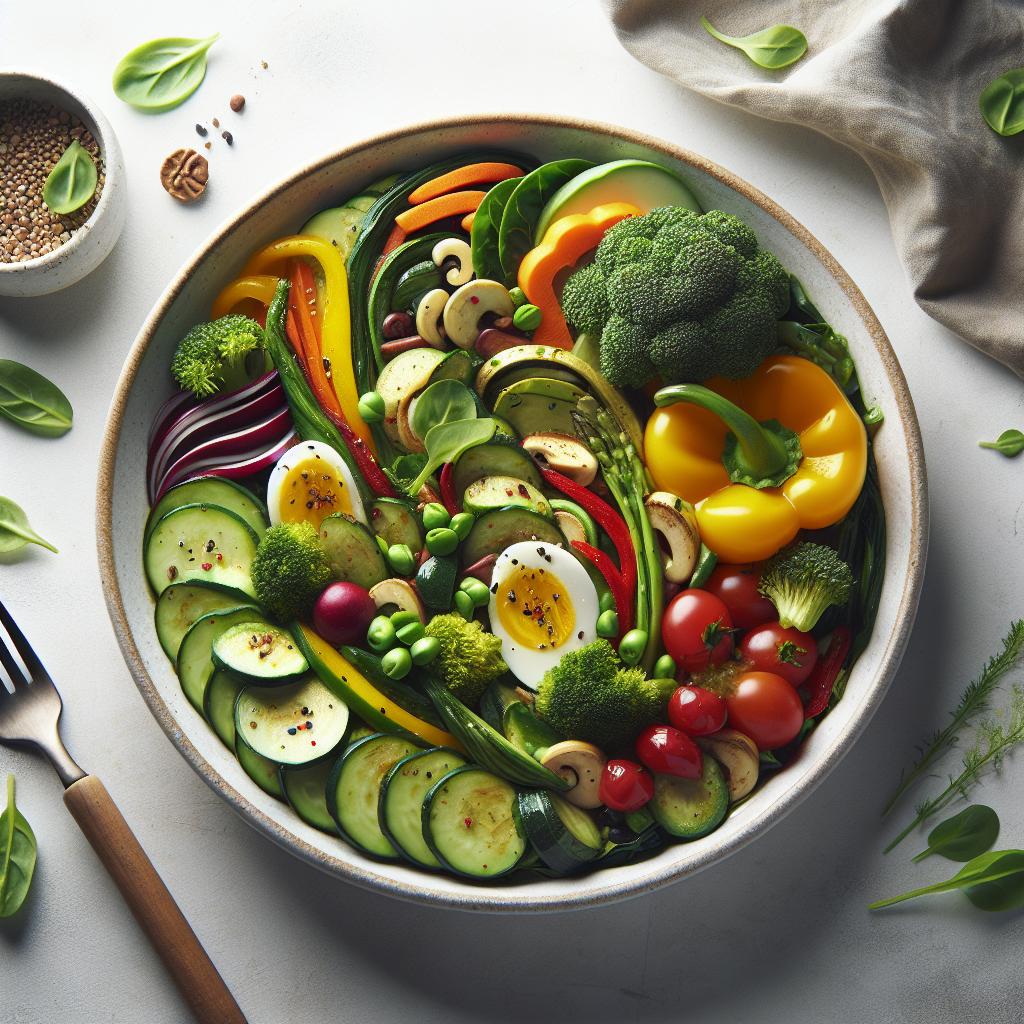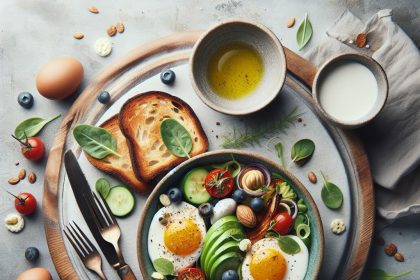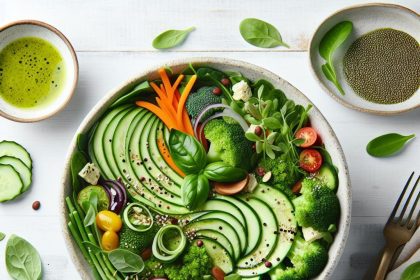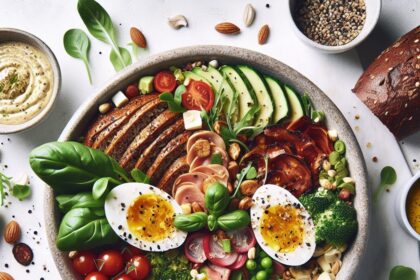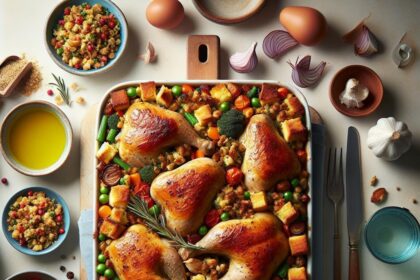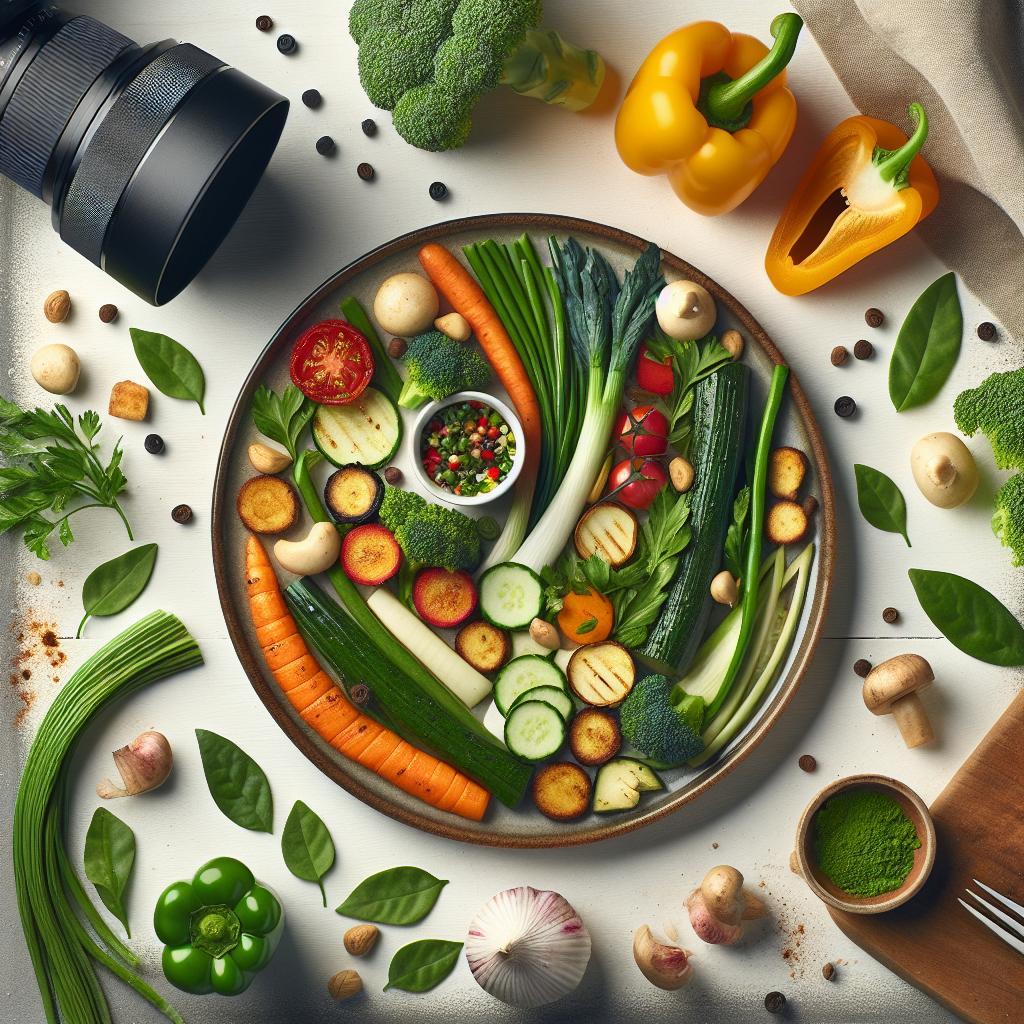

In a world where taste buds often clash with the virtues of vegetables, a clever culinary trend has taken root: veiling greens in meals where they don’t immediately announce themselves. From sneaky spinach stirred into smoothies to finely grated zucchini mingling in cupcakes, these hidden heroes promise a stealthy boost of nutrition without the usual veggie resistance. But as we unwrap the layers of this leafy disguise, it’s worth asking-does masking greens truly serve our health and habits, or does it risk sending mixed messages about the role of vegetables in our diets? Join us as we weigh the ups and downs of hiding greens, exploring the surprising ways veiled veggies impact our plates, palates, and perspectives.
Veiled Veggies: Weighing the Ups and Downs of Hiding Greens
Veiled veggies offer a brilliant approach to incorporating more greens into your meals without compromising flavor or texture – a method many home cooks and busy parents swear by. This technique transforms humble greens like spinach, kale, and zucchini into invisible nutrition powerhouses that blend seamlessly with your favorite dishes. Born from the age-old desire to nourish without protest, veiled veggies bridge the gap between health-conscious eating and delicious comfort food.
Prep and Cook Time
Preparation: 15 minutes
Cooking: 20 minutes
Total: 35 minutes
Yield
Serves 4 hearty portions
Difficulty Level
Medium – approachable for cooks eager to master stealthy veggie infusion
Ingredients
- 2 cups fresh spinach, finely chopped
- 1 medium zucchini, grated and excess water squeezed out
- 1 small carrot, finely grated
- 1 cup cooked quinoa (or cooked rice for variation)
- 1/2 cup shredded mozzarella cheese
- 1/4 cup grated Parmesan cheese
- 2 large eggs, lightly beaten
- 3/4 cup all-purpose flour
- 2 cloves garlic, minced
- 1/2 teaspoon salt
- 1/4 teaspoon black pepper
- 1 teaspoon dried Italian herbs (oregano, basil, thyme mix)
- 2 tablespoons olive oil
Instructions
- Prepare the Greens: In a large bowl, combine finely chopped spinach, grated zucchini, and carrot. Use a clean kitchen towel or cheesecloth to squeeze out any excess moisture, ensuring the mixture isn’t soggy.
- Mix the Base: Add the cooked quinoa, shredded mozzarella, Parmesan, and minced garlic to the vegetable mixture. Stir gently to blend evenly.
- Bind the Mixture: Lightly beat the eggs in a small bowl, then pour into the veggie-cheese blend. Sprinkle in the flour, salt, pepper, and dried herbs. Stir until you have a thick, cohesive batter. If too wet, add a bit more flour.
- Heat the Pan: Warm olive oil in a non-stick skillet over medium heat. Once shimmering, drop spoonfuls of the mixture, flattening gently to form fritters about 3 inches wide.
- Cook to Golden Perfection: Sauté fritters for 3-4 minutes each side, or until golden brown and crisp on the outside while cooked through inside. Avoid overcrowding the pan.
- Drain and Serve: Transfer fritters to a paper towel-lined plate to absorb excess oil. Serve warm.
Chef’s Notes
- Variations: Swap quinoa with cooked couscous or mashed potatoes for a different texture.
- Cheese options: Feta or goat cheese adds tang; vegan cheeses can be used for dairy-free versions.
- Sneaky Add-ons: Finely minced herbs like parsley or chives brighten flavor without revealing the veggie nature.
- Make Ahead: Fritters keep well in an airtight container for 2 days. Reheat in a skillet for crispness or air fryer for 3-4 minutes.
- Binding Tips: For gluten-free versions, substitute flour with chickpea flour or rice flour.
Serving Suggestions
These veiled veggie fritters pair beautifully with a refreshing tzatziki sauce or a zesty lemon-garlic aioli. Garnish with fresh parsley or a sprinkle of chili flakes for a burst of color and flavor contrast. Present them atop a crisp green salad or alongside a bowl of tomato soup for a balanced lunch or dinner that captivates without revealing its hidden greens. For an extra touch, serve with a lemon wedge to brighten the palate.
| Nutrient | Per Serving |
|---|---|
| Calories | 230 kcal |
| Protein | 12 g |
| Carbohydrates | 18 g |
| Fat | 10 g |

To explore more delicious ways to enhance your meals with hidden vegetables, check out our Hidden Vegetable Pasta recipe. For authoritative insights on vegetable nutrition benefits, visit ChooseMyPlate.gov.
Q&A
Q&A: Veiled Veggies – Weighing the Ups and Downs of Hiding Greens
Q1: What does “veiling veggies” actually mean?
A1: Veiling veggies refers to the clever culinary art of disguising vegetables within dishes so they’re less noticeable-or even invisible-to picky eaters. Think spinach blended into pasta sauce, zucchini hidden in muffins, or cauliflower mashed like potatoes. It’s a tactic widely used by parents, chefs, and nutritionists to sneak in extra nutrients without a battle at the dinner table.
Q2: Why do people hide vegetables instead of serving them plainly?
A2: Many people, especially kids, are fussy eaters who resist vegetables due to taste, texture, or appearance. Veiling veggies is a creative workaround to boost nutritional intake without triggering resistance. It can help ensure a diet rich in vitamins, minerals, and fiber, especially when straightforward veggie consumption isn’t happening.
Q3: What are the main benefits of veiling vegetables in food?
A3: Veiled veggies can:
- Increase overall vegetable intake, promoting better health.
- Introduce new flavors subtly, expanding taste horizons over time.
- Reduce food waste by using surplus or less appealing produce.
- Make meals more appealing and fun, especially for kids who might resist visible greens.
Q4: Are there any drawbacks to hiding vegetables in dishes?
A4: Yes. Critics of veiled veggies worry that:
- It might foster distrust if eaters find out veggies were hidden.
- Children may miss out on learning to appreciate veggies’ natural flavors and textures.
- Relying on veiled veggies could mask picky eating instead of addressing it.
- Nutritional qualities might be compromised slightly by cooking or blending processes.
Q5: How can chefs and parents balance the ups and downs of veiled veggies?
A5: Successful balancing acts often involve:
- Starting with veiled veggies as a step toward more visible veggie exposure.
- Slowly increasing the prominence of vegetables to encourage acceptance.
- Being honest and playful about veggies to build curiosity and trust.
- Combining veiled and featured veggies creatively to keep meals exciting.
Q6: Can veiling veggies spark a lifelong love for greens?
A6: It can! When done thoughtfully, veiling veggies can gently introduce the flavors and benefits of vegetables, paving the way for more adventurous and confident eaters. It’s like a secret veggie handshake that leads to a healthier relationship with food over time.
Q7: What are some popular foods where veggies are often disguised?
A7: Favorites include:
- Smoothies hiding kale or spinach.
- Mac and cheese with pureed cauliflower.
- Brownies or cookies with shredded zucchini or beets.
- Meatballs or burgers mixed with grated carrots or mushrooms.
- Soups and sauces thickened with veggie purees.
Q8: Is veiling veggies just for kids?
A8: Not at all! Adults seeking to improve their diets or experiment with flavors also enjoy veiled veggies. It’s a versatile idea for anyone looking to “level up” their meals without making drastic changes all at once.
In the dance between taste buds and nutrients, veiled veggies offer a clever compromise-a bit of culinary camouflage that can lead to healthier plates and happier palates. The key? Use this secret weapon wisely and always remember that vegetables, seen or unseen, are nature’s gift to our well-being.
The Conclusion
In the end, veiled veggies offer a clever culinary disguise-transforming hesitant taste buds into unexpected fans of greens. While this sneaky strategy can boost vegetable intake and add nutrition without the fuss, it also prompts us to reflect on the value of transparency in our food choices. Whether as a stepping stone toward embracing whole veggies or a permanent fixture in family meals, hiding greens has its place in the kitchen’s creative toolkit. Ultimately, the best approach balances nourishment with enjoyment, inviting us all to celebrate greens-hidden or visible-as essential ingredients in a vibrant, healthful diet.