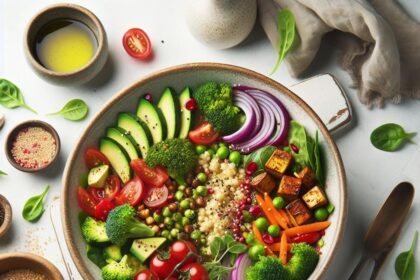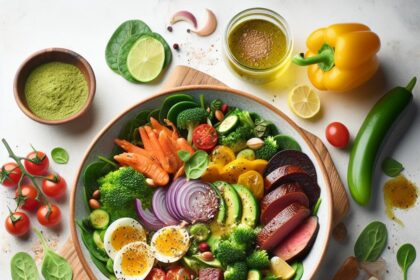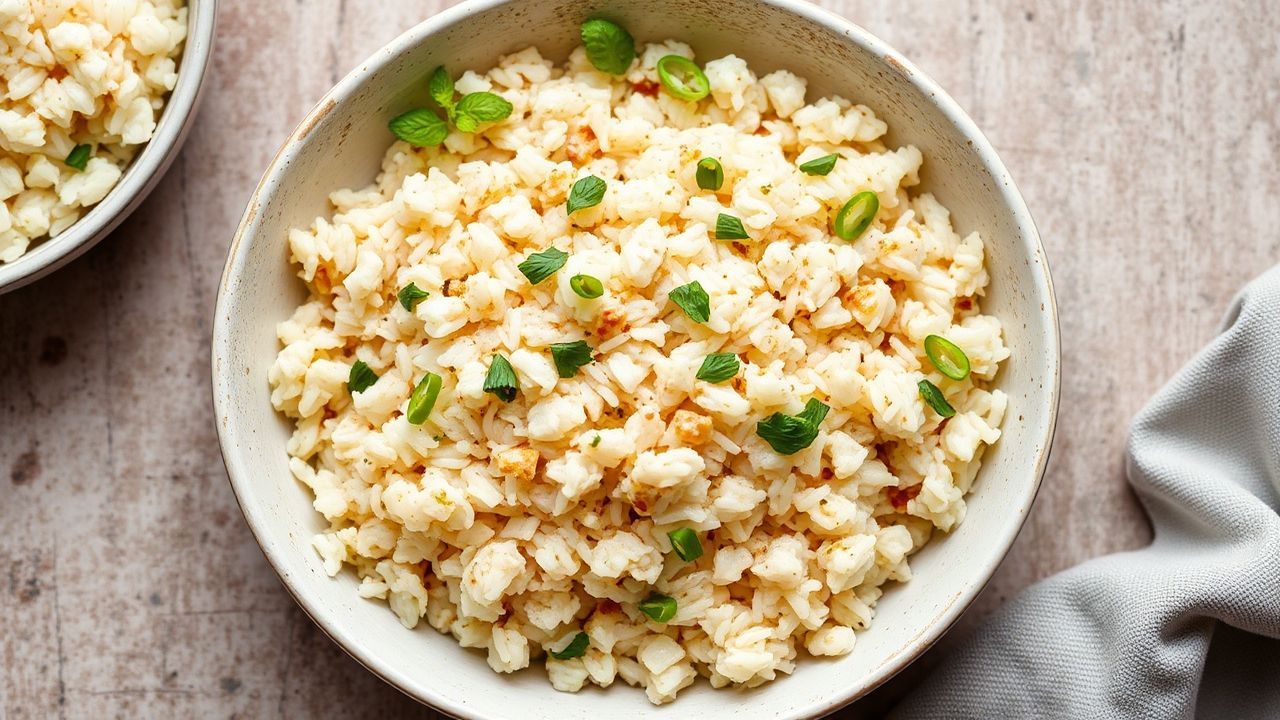

There’s a quiet hero in our kitchens that often gets overlooked once the main meal is done: leftover rice. Instead of letting those extra grains sit forgotten, waiting for their fate in the compost bin, imagine transforming them into something remarkable—an artful casserole that breathes new life into yesterday’s meal. Welcome to the world of rice revival, where creativity meets frugality, and humble staples become show-stopping dishes. This article explores inventive casserole recipes that take leftover rice on a delicious journey, turning simple grains into comforting, vibrant meals that satisfy both the palate and the budget. Get ready to rediscover rice like never before!
- Rice Revival: Crafting Gourmet Casseroles from Leftover Grains
- Prep and Cook Time
- Yield
- Difficulty Level
- Ingredients
- Instructions
- Elevating Leftover Rice: Beyond the Basic Casserole
- Creative Flavor Combinations for Rice Casseroles
- Mastering the Casserole Bake
- Q&A
- Q1: Why should I consider making casseroles from leftover rice?
- Q2: What types of rice work best in casseroles?
- Q3: How can I add variety and creativity to a rice casserole?
- Q4: What’s the secret to a perfectly baked rice casserole?
- Q5: Can rice casseroles be made ahead and frozen?
- Wrapping Up
Rice Revival: Crafting Gourmet Casseroles from Leftover Grains
Rice revival is your gateway to transforming yesterday’s plain leftover rice into spectacular, gourmet casseroles that please the palate and feed the soul. Whether inspired by classic comfort dishes or innovative culinary twists, the magic lies in layering flavors and textural contrasts to elevate simple grains into a showcase-worthy meal. From creamy cheese blends to herbaceous notes and savory proteins, these casseroles bring warmth, nutrition, and elegance to your dining table with every bite.
At a Glance: Key Takeaways
- Transforming leftover rice into casseroles is a sustainable and economical way to reduce food waste.
- Casseroles offer a versatile canvas for incorporating vegetables, proteins, and a variety of seasonings.
- Proper moisture balance and baking techniques are crucial for achieving the perfect texture.
- Leftover rice casseroles are excellent for meal prep and can be made ahead.
Prep and Cook Time
Prep: 20 minutes
Cook: 40 minutes
Total: 1 hour
Yield
Serves 6 generous portions
Difficulty Level
Medium – Perfect for home cooks looking to impress with leftover ingredients.
Ingredients
- 3 cups leftover cooked rice, preferably cold and firm
- 1 cup cooked chicken, shredded (optional for a vegetarian version)
- 1 cup broccoli florets, steamed or blanched
- 1/2 cup red bell pepper, diced
- 1 medium onion, finely chopped
- 2 cloves garlic, minced
- 1 cup shredded sharp cheddar cheese
- 1/2 cup cream cheese, softened
- 1/2 cup milk (whole or your preferred plant-based alternative)
- 2 tablespoons butter
- 1 teaspoon smoked paprika
- 1/2 teaspoon dried thyme
- Salt and freshly ground black pepper, to taste
- 1/4 cup grated Parmesan cheese, for topping
- Fresh parsley, chopped for garnish
- Olive oil, for sautéing
Instructions
- Preheat your oven to 375°F (190°C). Lightly grease a 9×13-inch casserole dish with butter or olive oil.
- Heat 1 tablespoon olive oil in a large skillet over medium heat. Add the chopped onion and sauté until translucent and fragrant, about 5 minutes.
- Add the minced garlic and diced red bell pepper to the skillet. Cook for 2-3 minutes, stirring frequently to prevent sticking.
- Stir in the steamed broccoli and cook for an additional 2 minutes to combine the flavors nicely.
- In a separate bowl, whisk together the cream cheese and milk until smooth. This creamy mixture will bind the casserole perfectly.
- Incorporate the shredded cheddar cheese, smoked paprika, thyme, salt, and pepper into the creamy blend. Mix thoroughly for a well-balanced flavor profile.
- Combine the leftover rice and cooked chicken (if using) into the vegetable mixture. Pour the creamy cheese mixture over everything, folding gently until all ingredients are evenly coated.
- Transfer the combined mixture into the prepared casserole dish, spreading it out evenly.
- Sprinkle the grated Parmesan cheese over the top for a golden, crisp crust.
- Bake in the preheated oven for 30-35 minutes or until the top is bubbly and lightly browned.
- Once out of the oven, let the casserole rest for 5 minutes. Garnish with fresh parsley before serving to add a burst of color and freshness.
Tips for Success
- For fluffy results, always use cold, day-old rice. Freshly cooked rice tends to be too moist and clumps when baked.
- Swap chicken with cooked chickpeas or black beans for a vegetarian-friendly casserole packed with protein.
- Don’t rush the resting step—this allows the casserole to set and makes it easier to serve clean slices.
- Feel free to add mushrooms, spinach, or sun-dried tomatoes to tailor the flavors to your palette.
- Make ahead and refrigerate the casserole for up to 24 hours before baking, perfect for planned meals.
Serving Suggestions
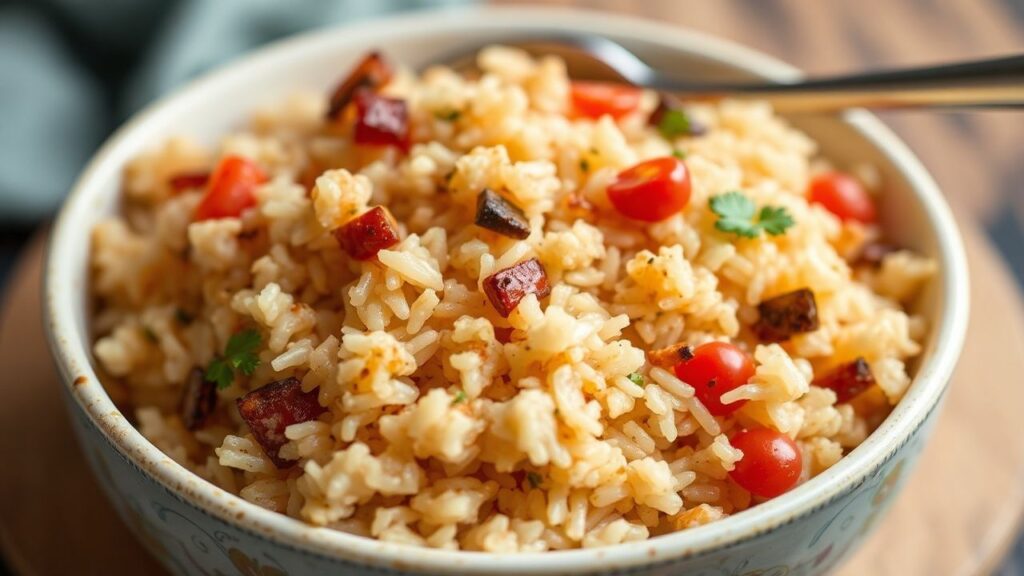
Serve your rice casserole straight from the oven with a crisp green salad tossed in lemon vinaigrette or alongside roasted seasonal vegetables for a balanced feast. A dollop of sour cream or a drizzle of hot sauce can elevate the richness and add an exciting contrast. For festive occasions, plate with a sprinkle of toasted pine nuts for an unexpected crunch.
| Nutrient | Per Serving |
|---|---|
| Calories | 320 kcal |
| Protein | 18 g |
| Carbohydrates | 38 g |
| Fat | 10 g |
Discover more creative ways to embrace your leftover grains by exploring our Healthy Leftover Recipes. For additional inspiration on kitchen efficiency and food safety, visit USDA Food Safety Guidelines.
Rice, a global staple, forms the foundation for countless culinary traditions. Its versatility allows it to be a primary ingredient or a supporting player, absorbing flavors and adding substance to a dish. From the fluffy pilafs of the Middle East to the sticky rice served with curries in Southeast Asia, rice is proof of its adaptability. Understanding different rice varieties can also enhance your cooking, as each type offers a unique texture and flavor profile suitable for various preparations. For instance, Arborio rice is ideal for creamy risottos, while basmati rice lends its fragrant aroma to Indian and Persian dishes.
When it comes to repurposing cooked rice, the possibilities extend far beyond simple reheating. Casseroles are a prime example of this reinvention, offering a comforting and cohesive way to meld flavors and textures. The base of cooked rice readily absorbs sauces and seasonings, acting as a perfect binder for other ingredients. This makes it an excellent vehicle for incorporating vegetables, meats, and cheeses into a single, satisfying dish.
Elevating Leftover Rice: Beyond the Basic Casserole
The concept of a casserole is fundamentally about layering and baking, creating a unified dish from disparate components. With leftover rice, this becomes an opportunity to enhance its inherent qualities and complement additional ingredients. Think about the textural contrast: the slightly firm grains of leftover rice can provide a pleasing chew against a creamy sauce or tender vegetables.
Consider the flavor absorption. Rice is like a culinary sponge, soaking up the essence of whatever it’s mixed with. This characteristic is amplified in a casserole, where ingredients meld over time during baking. Adding herbs, spices, and savory broths to the rice mixture before it even hits the oven ensures a deeply flavorful result.
Adding protein to your rice casserole not only boosts its nutritional value but also enhances its heartiness. Cooked shredded chicken, diced ham, or crumbled sausage are classic choices that pair beautifully with rice. For vegetarian options, consider adding cooked lentils, black beans, or crumbled tofu. These additions introduce different textures and complementary flavors, making your casserole a complete meal.
Vegetables are essential for adding color, freshness, and vital nutrients. Steamed broccoli, sautéed mushrooms, diced bell peppers, or wilted spinach all contribute to a well-rounded casserole. Don’t be afraid to experiment with frozen vegetables; they are often pre-cut and can be a convenient addition, though it’s best to thaw and drain them to avoid excess moisture.
Creative Flavor Combinations for Rice Casseroles
The beauty of a rice casserole lies in its adaptability to diverse flavor profiles. You can lean into classic comfort food by using cheddar cheese, cream of mushroom soup (or a homemade béchamel), and savory meats. This approach yields a dish that’s familiar and deeply satisfying, perfect for a cozy evening meal.
Alternatively, you can explore international influences. A Mexican-inspired casserole could feature seasoned ground beef or chicken, black beans, corn, salsa, and Monterey Jack cheese, topped with crushed tortilla chips. An Asian-inspired version might incorporate soy sauce, ginger, garlic, sesame oil, and scrambled eggs, perhaps with some stir-fried vegetables like carrots and peas.
The role of cheese in a rice casserole cannot be overstated. It acts as a binder, adds richness, and creates that desirable golden-brown topping. Sharp cheddar, Gruyère, Parmesan, or a blend of your favorites can all contribute to the final flavor. Cream cheese or sour cream can add an extra layer of creaminess and tang, balancing out the other ingredients.
Spices and herbs are the unsung heroes that elevate a simple rice casserole into something extraordinary. Smoked paprika adds depth and a hint of smokiness, while dried thyme or oregano provide an earthy, aromatic quality. A pinch of cayenne pepper can introduce a subtle warmth, and fresh herbs like parsley or chives, added at the end, bring brightness and a fresh finish.
When it comes to the liquid component, consider using milk, broth, or even tomato sauce. These liquids help to moisten the rice and bind the ingredients together, ensuring a cohesive casserole. The type of liquid you choose will also significantly impact the overall flavor of the dish. For instance, using chicken broth will impart a savory depth, while milk will contribute to a creamier texture.
The concept of transforming everyday ingredients into something special is a cornerstone of good cooking. Leftover rice, often relegated to a side dish afterthought, proves its worth as a versatile main component. This culinary alchemy is not just about saving money or reducing waste; it’s about unlocking new flavors and textures from familiar foods.
Mastering the Casserole Bake
Achieving the perfect bake is crucial for any casserole. A common pitfall is an undercooked center or an overly dry or burnt top. Preheating your oven to the correct temperature ensures even cooking. For a rice casserole, a moderate temperature, around 350-375°F (175-190°C), usually works best.
Covering the casserole dish with foil during the initial baking phase traps steam, allowing the ingredients to cook through evenly and preventing the top from browning too quickly. This is particularly important for rice, which needs sufficient moisture to soften and meld with the other components. After about two-thirds of the baking time, removing the foil allows the top to develop a desirable golden-brown crust.
The resting period after baking is just as important as the baking itself. Allowing the casserole to sit for 5-10 minutes allows the internal structure to set. This prevents it from falling apart when you cut into it, ensuring neat, appealing slices. It also allows the flavors to meld further, creating a more cohesive taste experience.
Consider the dish you are using. A deep casserole dish is ideal for creating layers and ensuring even cooking. The material of the dish can also play a role; ceramic or glass dishes tend to retain heat well and distribute it evenly, contributing to a perfectly baked casserole. Metal dishes might cook faster, so keep an eye on the casserole if using one.
For those who enjoy a crispy topping, consider adding a layer of breadcrumbs, crushed crackers, or extra cheese during the last 10-15 minutes of baking. This creates a delightful textural contrast to the soft, comforting interior of the casserole. A sprinkle of toasted nuts can also add a satisfying crunch and a nutty flavor dimension.
The process of making a casserole is an exercise in patience and culinary intuition. It’s about building layers of flavor and texture, allowing the ingredients to meld and transform in the heat of the oven. This hands-on approach transforms simple leftovers into a celebratory meal, showcasing the potential of humble ingredients.
Q&A
Q1: Why should I consider making casseroles from leftover rice?
Leftover rice is a treasure trove waiting to be reinvented! Instead of letting those grains go to waste, casseroles transform them into comforting, hearty dishes bursting with flavor. It’s sustainable, economical, and a perfect way to reduce food waste while delighting your palate. It’s a fantastic way to practice circular economy principles in your kitchen.
Q2: What types of rice work best in casseroles?
Almost any rice can shine in a casserole—from fluffy jasmine and nutty basmati to sticky sushi rice or hearty brown rice. Just make sure your leftover rice isn’t too dry or frozen; fluff it up with a little broth or sauce before layering. Different rice types, like Jasmine rice, offer unique aromatic qualities.
Q3: How can I add variety and creativity to a rice casserole?
The possibilities are endless! Mix in vibrant veggies, aromatic herbs, melted cheeses, creamy sauces, and your favorite proteins—think tender chicken, savory sausage, or plant-based options like beans and tofu. Don’t shy away from spices, nuts, or unexpected ingredients like sun-dried tomatoes or olives for a bold twist.
Q4: What’s the secret to a perfectly baked rice casserole?
Moisture balance is key. Too dry, and you’ll have a tough dish; too wet, and it gets mushy. Use broth, cream, or tomato sauce to bind your ingredients. Covering the casserole while baking locks in steam, then uncovering near the end creates a golden, crispy top layer that invites a satisfying crunch.
Q5: Can rice casseroles be made ahead and frozen?
Absolutely! Rice casseroles are freezer-friendly superheroes. Assemble your dish, bake halfway if you want, then cool and freeze for up to three months. When ready, thaw overnight and reheat covered until bubbly—perfect for busy weeknights or unexpected guests.
Wrapping Up
As the final grain settles into your casserole dish, remember that leftover rice is more than just a humble kitchen residue—it’s a canvas for culinary creativity and a champion of sustainability. With these inventive casserole ideas, you can transform yesterday’s grains into today’s comforting feast, proving that resourcefulness and flavor walk hand in hand.
So next time the pot runs dry, don’t toss those precious leftovers; revive them, reinvent them, and let your rice tell a new story—one delicious layer at a time. Embracing the potential of leftovers not only benefits your wallet but also contributes to a more mindful approach to food consumption, aligning with principles of food waste reduction.
See also: leftover rice casseroles