
{
“title”: “10 Essential Ratatouille Recipe Tips for Kids: Fun, Easy & Delicious Veggies!”,
“content”: “
- Embark on a Culinary Adventure with Kid-Friendly Ratatouille!
- Why Ratatouille is a Winner for Young Eaters
- Getting Started: Prep and Cook Time
- Serving Size
- Ease of Preparation
- Essential Ingredients for Kid-Friendly Ratatouille
- Step-by-Step Guide to Ratatouille Fun
- Prepare Your Veggie Palette
- Building the Flavor Base
- Assembling the Masterpiece
- Seasoning and Drizzling for Perfection
- Baking to Tender, Deliciousness
- The Finishing Touches and Presentation
- Involving Little Chefs Safely
- Expert Tips for Ratatouille Success with Kids
- Creative Serving Suggestions for Youngsters
- Nutritional Snapshot
- Frequently Asked Questions About Kid-Friendly Ratatouille
- Q1: What exactly is ratatouille, and why is it so well-suited for children?
- Q2: How can I ensure this ratatouille recipe is exceptionally kid-friendly and simple to prepare?
- Q3: What valuable skills can children develop by participating in making ratatouille?
- Q4: Are there alternative ways to serve ratatouille to encourage picky eaters?
- Q5: What are effective strategies for encouraging children to try new vegetables using this recipe?
- Q6: What is the optimal method for storing and reheating leftover ratatouille?
- Q7: Can you offer any additional tips to make ratatouille even more appealing to children?
- Bringing It All Together: A Delicious Conclusion
Embark on a Culinary Adventure with Kid-Friendly Ratatouille!
Are you searching for a vibrant and engaging way to introduce your children to a world of nutritious vegetables? Look no further than ratatouille, the quintessential French vegetable stew. This dish is not only a feast for the eyes with its dazzling array of colors but also a delightful experience for young palates.
Key Takeaways:
- Ratatouille is a visually appealing and nutrient-rich French classic perfect for children.
- This recipe encourages creativity and healthy eating habits through interactive preparation.
- It’s a versatile dish that can be adapted for picky eaters and offers a fun way to explore new flavors.
- Involving kids in the cooking process enhances their connection to food and builds valuable kitchen skills.
This simple, yet profoundly flavorful recipe transforms garden-fresh ingredients into a playful and mouthwatering meal. It’s designed to be both fun for little chefs to create and enjoyable for them to eat. We will guide you through a kid-centric ratatouille preparation that ignites imagination, fosters a love for healthy eating, and brings the joy of cooking directly to your family’s kitchen.
Why Ratatouille is a Winner for Young Eaters
A ratatouille recipe for kids stands out as a brilliant method to introduce them to a spectrum of colorful, vitamin-packed vegetables. This classic Provençal dish, hailing from the sun-drenched south of France, artfully combines ingredients such as zucchini, eggplant, sweet bell peppers, and ripe tomatoes. The result is a visually stunning edible rainbow that children find incredibly appealing both to cook and to taste.
Engaging children in the preparation of ratatouille does more than just fill their plates; it actively sparks their innate creativity. This process also cultivates positive associations with healthy foods, encouraging lifelong healthy eating habits. Ultimately, making ratatouille can transform mealtimes into a cherished and exciting family event, fostering connection and shared accomplishment.
Getting Started: Prep and Cook Time
Preparation: 20 minutes
Cooking: 35 minutes
Total Time: 55 minutes
Serving Size
Serves 4 energetic youngsters or a family of 3 with generous portions and potential for seconds.
Ease of Preparation
This recipe is rated as Easy, making it an ideal choice for little hands eager to help, always under attentive adult supervision, of course.
Essential Ingredients for Kid-Friendly Ratatouille
- 2 medium zucchinis, thinly sliced into uniform rounds
- 1 medium eggplant, peeled and sliced into ¼-inch thick rounds
- 1 red bell pepper, core removed and seeded, sliced into thin strips
- 1 yellow bell pepper, core removed and seeded, sliced into thin strips
- 3 medium ripe tomatoes, thinly sliced
- 1 small onion, finely chopped
- 3 cloves garlic, minced
- 3 tbsp olive oil, with extra for drizzling
- 1 tsp dried thyme
- 1 tsp dried oregano
- Salt and freshly ground black pepper, adjusted to taste
- Fresh basil leaves, for a vibrant garnish
- Grated Parmesan cheese (optional, for an extra layer of flavor)
Step-by-Step Guide to Ratatouille Fun
-
Prepare Your Veggie Palette
Begin by thoroughly rinsing all your chosen vegetables under cool water. Next, carefully slice the zucchinis, eggplant, bell peppers, and tomatoes. Aim for consistently thin rounds or strips. This uniformity ensures even cooking and creates a beautifully layered presentation, reminiscent of a culinary mosaic.
💡 Expert InsightExpert Insight: Uniform slicing is key not just for even cooking but also for aesthetics. When kids see neat, organized layers, they’re more likely to be intrigued and less intimidated by the finished dish. -
Building the Flavor Base
In a spacious skillet, warm 2 tablespoons of olive oil over medium heat. Introduce the finely chopped onion and minced garlic to the pan. Sauté gently for approximately 5 minutes, or until the mixture becomes soft and wonderfully fragrant. Be sure to stir frequently to prevent any sticking or burning, ensuring a smooth transition to the next stage.
-
Assembling the Masterpiece
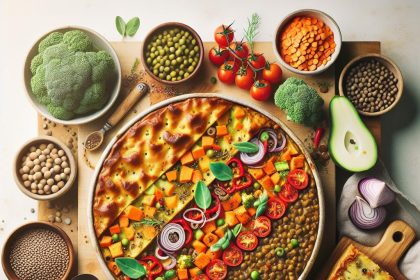
Preheat your oven to 375°F (190°C). Select a shallow, ovenproof dish. Spread the sautéed onion and garlic mixture evenly across the bottom of the dish, forming the foundation for your ratatouille. Now comes the artistic part: arrange the alternating slices of zucchini, eggplant, bell peppers, and tomatoes vertically. Overlap them gracefully to create a striking, colorful spiral or a neat row of vibrant discs.
-
Seasoning and Drizzling for Perfection
Generously sprinkle the layered vegetables with dried thyme, oregano, salt, and freshly ground black pepper. Ensure an even distribution of these seasonings to enhance every bite. Finish by drizzling the remaining tablespoon of olive oil over the top. This oil will help the vegetables roast to a beautiful, slightly caramelized finish.
Consider adding a pinch of red pepper flakes for a very subtle warmth, though keep it mild for younger palates. The key is to enhance the natural sweetness of the vegetables, not to overpower them with heat.
-
Baking to Tender, Deliciousness
Cover the ovenproof dish either with parchment paper or a light layer of aluminum foil. Place it in the preheated oven and bake for 30-35 minutes. The vegetables should become tender and develop a lovely, slightly caramelized edge. For a crispier top, remove the cover during the final 5 minutes of baking.
⚠️ Pro-CautionPro-Caution: Ensure the ovenproof dish is handled only by adults due to high temperatures. Always check the tenderness of the vegetables with a fork before removing from the oven to avoid under or overcooking. -
The Finishing Touches and Presentation
Once the ratatouille is perfectly baked, remove it from the oven and let it rest for about 5 minutes. This brief resting period allows the flavors to meld beautifully. Garnish generously with fresh basil leaves, which add a burst of aromatic freshness. For an added touch of richness that kids often adore, sprinkle grated Parmesan cheese over the top just before serving.
The aroma of fresh basil combined with the savory vegetables creates an irresistible invitation to dig in. This final flourish makes the dish not only delicious but also visually appealing, encouraging even the most hesitant eaters.
-
Involving Little Chefs Safely
Empower your children by assigning them age-appropriate tasks. While adults should manage all slicing and oven operations for safety, kids can enthusiastically wash vegetables, help measure seasonings, and, most importantly, arrange the colorful veggie slices. This hands-on involvement transforms the cooking process into an engaging, interactive art project that fosters a sense of ownership over the meal.
Letting children be part of the creation process significantly increases their willingness to try the final product. It connects them to the food in a meaningful way, turning a potentially mundane meal into a celebrated achievement.
Expert Tips for Ratatouille Success with Kids
- Always prioritize safety by using a sharp knife or designating an adult for all slicing tasks.
- Turn vegetable identification into a game: encourage kids to name each color as they add it to the dish. This playful approach nurtures learning and builds enthusiasm for different produce.
- Experiment with herbs! While thyme and oregano are classic, fresh rosemary or parsley can offer exciting new flavor dimensions.
- Make Ahead Magic: Assemble the layered vegetables earlier in the day, cover tightly, and refrigerate. Bake just before you plan to serve for a fresh, hot, and impressive meal.
- Taming Picky Eaters: If a particular vegetable is a challenge for your child, consider finely dicing it and incorporating it into the initial onion and garlic sauté. This subtle blending can help to introduce flavors without them being overtly noticeable.
Creative Serving Suggestions for Youngsters
Present the ratatouille warm. It shines on its own as a comforting vegetable stew or serves as a vibrant, healthy side dish. It pairs exceptionally well with fluffy couscous or creamy mashed potatoes, offering comforting textures that children often appreciate. For an interactive and fun twist, allow your children to add the final sprinkle of Parmesan cheese or torn basil leaves themselves right at the table.
To complete the meal, offer a slice of crusty bread or a warm garlic baguette, perfect for scooping up every last bit of the delicious vegetable medley. Consider using colorful plates or fun-themed bowls to enhance the visual appeal, making the presentation even more inviting for discerning young eaters. This thoughtful presentation can make a significant difference in encouraging them to try new foods.
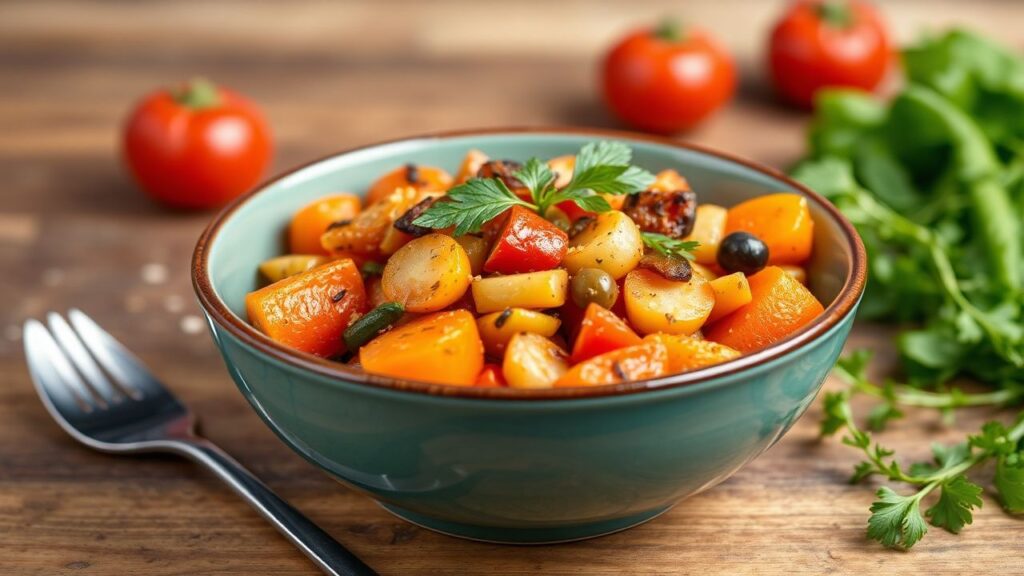
Nutritional Snapshot
| Nutrient | Amount per Serving |
|---|---|
| Calories | ~150 kcal |
| Protein | ~3 g |
| Carbohydrates | ~20 g |
| Fat | ~7 g |
For an expanded collection of delightful and easy recipes designed to engage children in the kitchen, explore our Kid-Friendly Vegetable Recipes. To gain a deeper understanding of the nutritional benefits vegetables offer and how to incorporate them into a balanced diet, consult the USDA’s MyPlate guidance on Vegetables. This resource provides comprehensive information on recommended daily intake and the importance of various vegetable subgroups.
Frequently Asked Questions About Kid-Friendly Ratatouille
Q1: What exactly is ratatouille, and why is it so well-suited for children?
Ratatouille is a traditional French vegetable stew, celebrated for its vibrant colors and wholesome ingredients. It features a delightful medley of fresh vegetables like tomatoes, zucchini, eggplant, and bell peppers. Its appeal to children lies in its naturally mild and slightly sweet flavor profile, derived from the ripe produce. Furthermore, the dish’s inherent rainbow of colors makes the act of eating vegetables a visually engaging and exciting experience for young eaters.
Q2: How can I ensure this ratatouille recipe is exceptionally kid-friendly and simple to prepare?
Simplicity is paramount. Focus on preparing vegetables in bite-sized pieces that are easy for children to manage. Incorporate a moderate amount of olive oil and mild, aromatic herbs such as basil or oregano. Cook the vegetables until they reach a perfectly soft and palatable texture. Crucially, involve children in the process by letting them wash the vegetables, assist with stirring the pot under supervision, or artfully arrange the sliced vegetables into appealing patterns. This interactive approach makes the entire cooking experience enjoyable and educational.
Q3: What valuable skills can children develop by participating in making ratatouille?
Children gain practical experience with fundamental kitchen skills, including washing produce, measuring ingredients, and stirring. With appropriate adult guidance, they can also practice safe chopping techniques. Beyond motor skills, they learn to identify and appreciate different vegetables, colors, and flavors. Most importantly, they experience the profound satisfaction and pride that comes from creating a healthy, delicious meal with their own hands.
Q4: Are there alternative ways to serve ratatouille to encourage picky eaters?
Absolutely! Ratatouille is wonderfully versatile. Serve it warm as a standalone stew, spoon it over fluffy rice or pasta for a more substantial meal, or even use it as a flavorful topping for toasted bread. For an added element of fun, let children participate in creating a “veggie rainbow” by layering the colorful vegetable slices before it bakes. This transforms the meal into an exciting culinary adventure rather than just a dish.
Q5: What are effective strategies for encouraging children to try new vegetables using this recipe?
Involve children actively in the selection process, whether at a local farmers’ market or the grocery store. Encourage them to pick out their favorite vegetables or to be adventurous and choose one new vegetable to try. Frame ratatouille as a “magical vegetable mix-up,” where each bite offers a unique flavor surprise. Pairing it with a small amount of cheese or a favorite dip can also make it more inviting and less intimidating.
Q6: What is the optimal method for storing and reheating leftover ratatouille?
Leftover ratatouille can be stored securely in an airtight container in the refrigerator for up to three days. Reheat it gently either on the stovetop over low heat or in the microwave until it is thoroughly warmed. Leftovers are also exceptionally convenient and make excellent additions to school lunchboxes or serve as a quick, nutrient-dense snack option for busy afternoons.
Q7: Can you offer any additional tips to make ratatouille even more appealing to children?
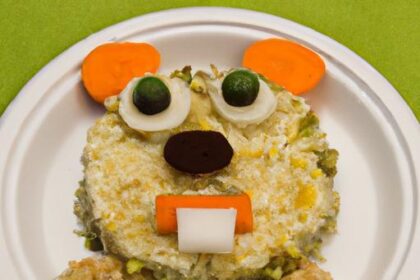
Focus on making the dish as visually colorful and appealing as possible. Involve children actively in every stage of the preparation, from washing to layering. Encourage their creativity by suggesting they arrange vegetables into fun shapes or faces on their plates. Adding a final sprinkle of cheese or a small dollop of plain yogurt can introduce a pleasant creaminess. Remember, the most crucial ingredient for success is making the entire cooking process a fun, shared family activity.
Bringing It All Together: A Delicious Conclusion
And there you have it – a vibrant, delicious ratatouille recipe that masterfully transforms everyday vegetables into an engaging and tasty adventure perfectly suited for children! This dish not only introduces a delightful spectrum of flavors to your family’s table but also actively encourages young ones to explore the exciting world of cooking and embrace healthy eating habits.
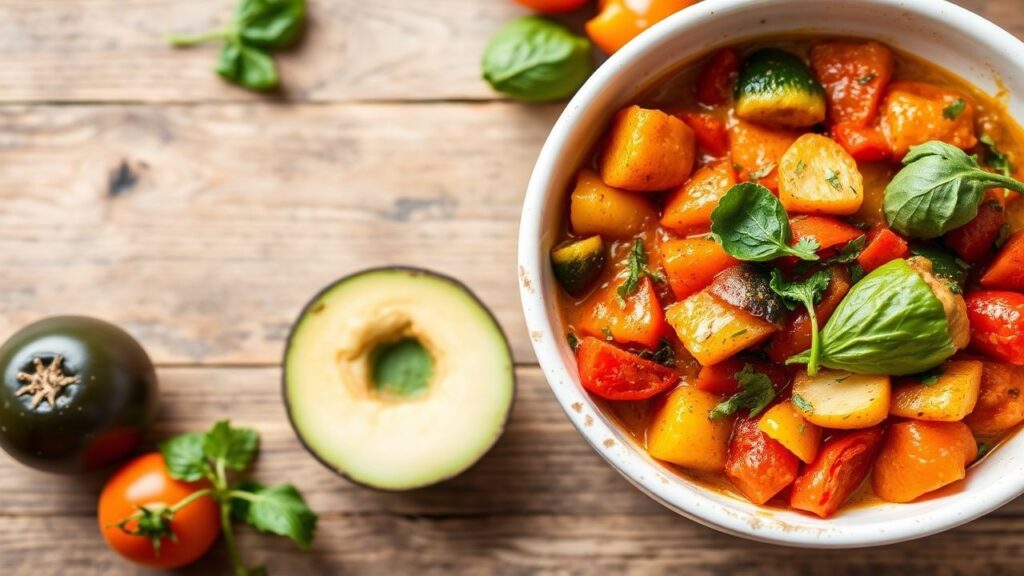
So, gather your aspiring young chefs, roll up those sleeves, and let the inherent magic of simple, wholesome ingredients inspire creativity and joy in your kitchen. With this straightforward, easy-to-prepare recipe, mealtime becomes a delightful opportunity for learning, tasting, and savoring the pure goodness of vegetables, all presented in one beautifully colorful bowl.
 “,
“,
“meta_description”: “Discover a fun, easy ratatouille recipe for kids! Packed with colorful veggies, this dish sparks creativity and promotes healthy eating habits for picky eaters.”,
“focus_keyword”: “ratatouille recipe kids”
}