In kitchens around the world, a humble duo quietly reigns supreme: rice and beans. This timeless pairing, simple yet profoundly nourishing, has woven itself into the very fabric of countless cultures, transcending borders and generations. From the vibrant streets of Latin America to the bustling markets of Africa and the serene villages of Asia, rice and beans serve as more than just sustenance-they are a symbol of tradition, resilience, and shared heritage. Join us as we explore how this classic culinary tandem nourishes bodies and souls across the globe, uniting diverse communities through the art of flavor and the science of nutrition.
The Nutritional Harmony Behind Rice and Beans
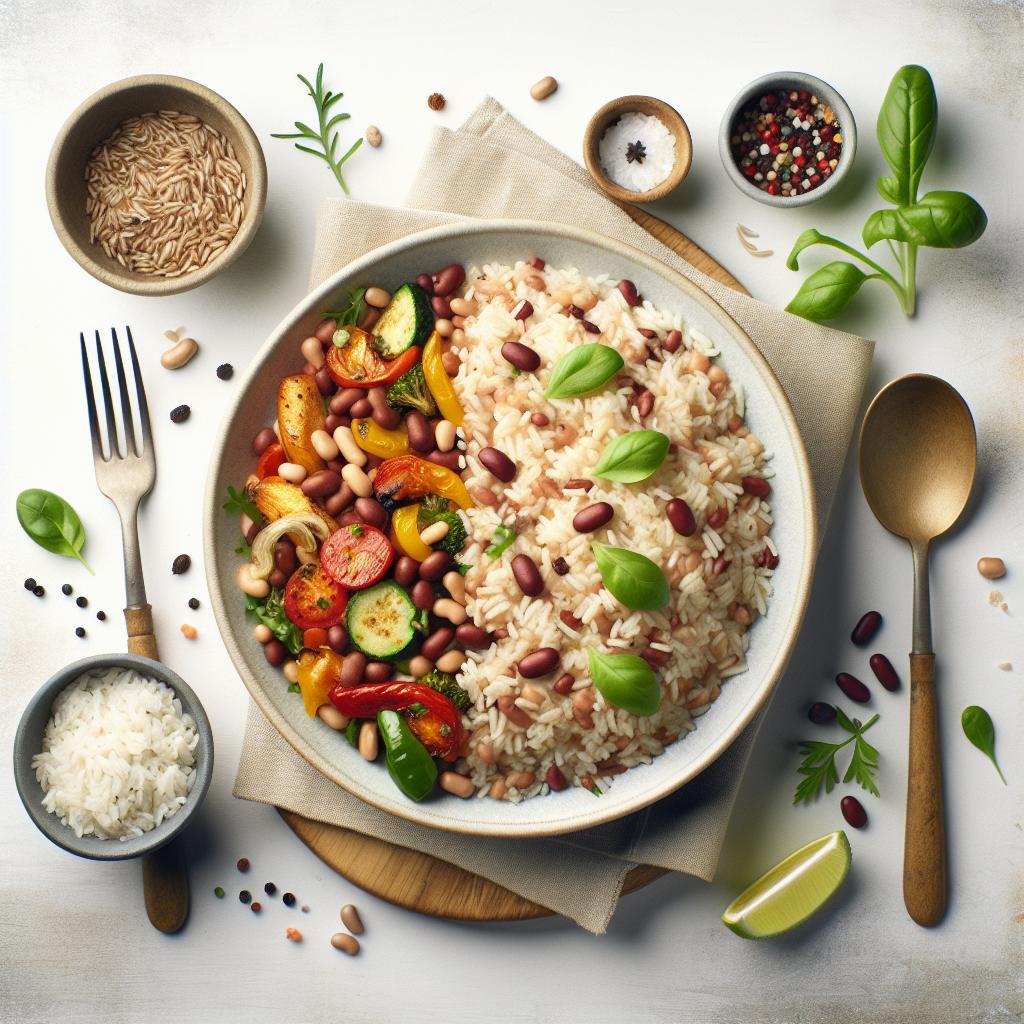
Rice and Beans form a timeless duo that transcends cultures and cuisines worldwide. This classic pairing offers a perfect balance of nutrients, creating a complete protein profile essential for a wholesome diet. Originating from humble beginnings, this dish has been celebrated from the Caribbean shores to the heart of Latin America, Africa, and Asia, each region adding its unique twist. Beyond its rich history, rice and beans captivate food lovers through their contrasting textures and robust flavors, making it a go-to comfort food that nourishes both body and soul.
Prep and Cook Time
- Preparation: 15 minutes
- Cooking: 40 minutes
- Total Time: 55 minutes
Yield
- Serves 4 hearty portions
Difficulty Level
- Easy – Perfect for both beginners and seasoned cooks
Ingredients
- 1 cup long-grain white rice, rinsed thoroughly
- 1 cup dried black beans, soaked overnight and drained
- 1 small onion, finely chopped
- 2 cloves garlic, minced
- 1 small green bell pepper, diced
- 1 tsp ground cumin
- 1 tsp smoked paprika
- 2 tbsp olive oil
- 3 cups vegetable broth, homemade or low-sodium
- Salt and fresh ground black pepper, to taste
- Fresh cilantro, chopped, for garnish
- 1 lime, cut into wedges (optional)
Instructions
- Prepare the beans. After soaking, rinse the dried black beans and place them in a saucepan with fresh water. Bring to a boil, reduce heat, and simmer gently for about 30 minutes or until tender. Drain and set aside.
- Sauté the aromatics. Heat the olive oil in a large skillet over medium heat. Add the chopped onion, minced garlic, and diced green bell pepper. Sauté until the onion turns translucent and the peppers soften, about 5 minutes, stirring occasionally to avoid burning.
- Add spices. Stir in the ground cumin and smoked paprika, allowing the spices to toast lightly for 1 minute to release their deep flavors.
- Cook the rice. Add the rinsed rice to the skillet, stirring to coat the grains evenly in the oil and spices. Pour in 3 cups of vegetable broth, season with salt and pepper, and bring to a boil.
- Simmer rice and beans together. Lower the heat to a gentle simmer, cover the pan tightly, and cook for 15 minutes. Then, carefully fold in the cooked black beans without mashing them. Cover again and let it steam off heat for 5-7 minutes to allow flavors to meld.
- Final touches. Fluff the rice and beans with a fork, taste for seasoning adjustments, and garnish with fresh chopped cilantro. Serve with lime wedges on the side for a citrusy brightness that lifts the dish beautifully.
Tips for Success
- Use freshly rinsed beans to reduce cooking time and improve texture.
- If short on time, canned beans can substitute dried ones-rinse well to reduce sodium.
- For a smoky depth, add a piece of smoked ham hock or use smoked paprika as suggested.
- Rinsing rice removes excess starch, preventing the dish from becoming gummy.
- Make this recipe in advance; the flavors deepen significantly overnight when refrigerated.
Serving Suggestions
Present your rice and beans alongside vibrant sliced avocado or a crisp cabbage slaw for contrast. A drizzle of tangy hot sauce or a dollop of creamy sour cream provides an inviting kick. This staple pairs well with grilled meats, roasted vegetables, or a fresh garden salad for a colorful and nourishing meal.

| Nutrient | Amount per Serving |
|---|---|
| Calories | 350 kcal |
| Protein | 14 g |
| Carbohydrates | 60 g |
| Fat | 5 g |
For an in-depth nutritional breakdown of other traditional rice and beans dishes, explore our complete guide on rice and beans nutrition.
Discover the global significance of this dish and the science behind its nutrition at NCBI Food Science Journal.
Q&A
Q&A: Rice and Beans – The Classic Pair Feeding Global Traditions
Q1: Why are rice and beans considered a classic culinary duo around the world?
A1: Rice and beans are a timeless team because they complement each other nutritionally, culturally, and gastronomically. Together, they provide a complete protein, filling a vital dietary gap, especially in regions where meat is scarce or expensive. Their humble, versatile nature means they can transform into countless dishes across continents-from Latin America’s feijoada to West Africa’s waakye, creating a universal language on the dinner plate.
Q2: How do rice and beans vary in different cultures?
A2: While the base ingredients remain consistent, the flavor profiles, preparation methods, and accompaniments change with local traditions. In the Caribbean, rice and beans might be cooked with coconut milk and spices, while in South Asia, the pairing often manifests as khichdi-a comforting spiced porridge. The magic lies in their adaptability, absorbing the unique spices, herbs, and cooking styles of each culture, hence telling diverse culinary stories.
Q3: What makes the combination nutritionally powerful?
A3: Rice and beans together form a plant-based complete protein, offering all essential amino acids. Beans contribute protein, fiber, and important minerals like iron and potassium, while rice provides carbohydrates and energy. This combo delivers a balanced meal that sustains energy, supports digestion, and promotes health-making it a staple for millions seeking nourishing, affordable food.
Q4: Can rice and beans be considered a symbol of cultural identity?
A4: Absolutely! Beyond sustenance, rice and beans hold deep cultural significance. Many communities see these dishes as a connection to heritage and family traditions. Whether it’s a festive holiday meal or an everyday staple, rice and beans anchor memories, social bonds, and stories-illustrating how food can be a powerful vessel of identity and belonging.
Q5: How is the future of rice and beans recipes evolving globally?
A5: As global cuisine becomes more interconnected, rice and beans continue to inspire chefs and home cooks alike. Fusion dishes combining global spices, creative plant-based twists, and modern cooking techniques elevate this classic pair while honoring its roots. Sustainable farming practices and interest in plant-based diets also highlight rice and beans as a resilient, eco-friendly choice in the evolving food landscape.
Rice and beans are much more than just ingredients; they are a culinary journey embracing tradition, nutrition, and cultural richness-an enduring emblem of how simple foods can nourish the world.
In Conclusion
As the humble grains of rice entwine with the hearty pulses of beans, they create more than just a meal-they weave a tapestry of culture, history, and sustenance that spans continents and generations. From bustling city streets to rural hearths, this classic pairing continues to nourish bodies and souls alike, proving that sometimes, the simplest ingredients hold the deepest stories. Whether served spicy, savory, or sweetened by tradition, rice and beans remain a timeless reminder that food is both a universal language and a vessel of heritage, feeding not just hunger but the enduring spirit of communities around the world.