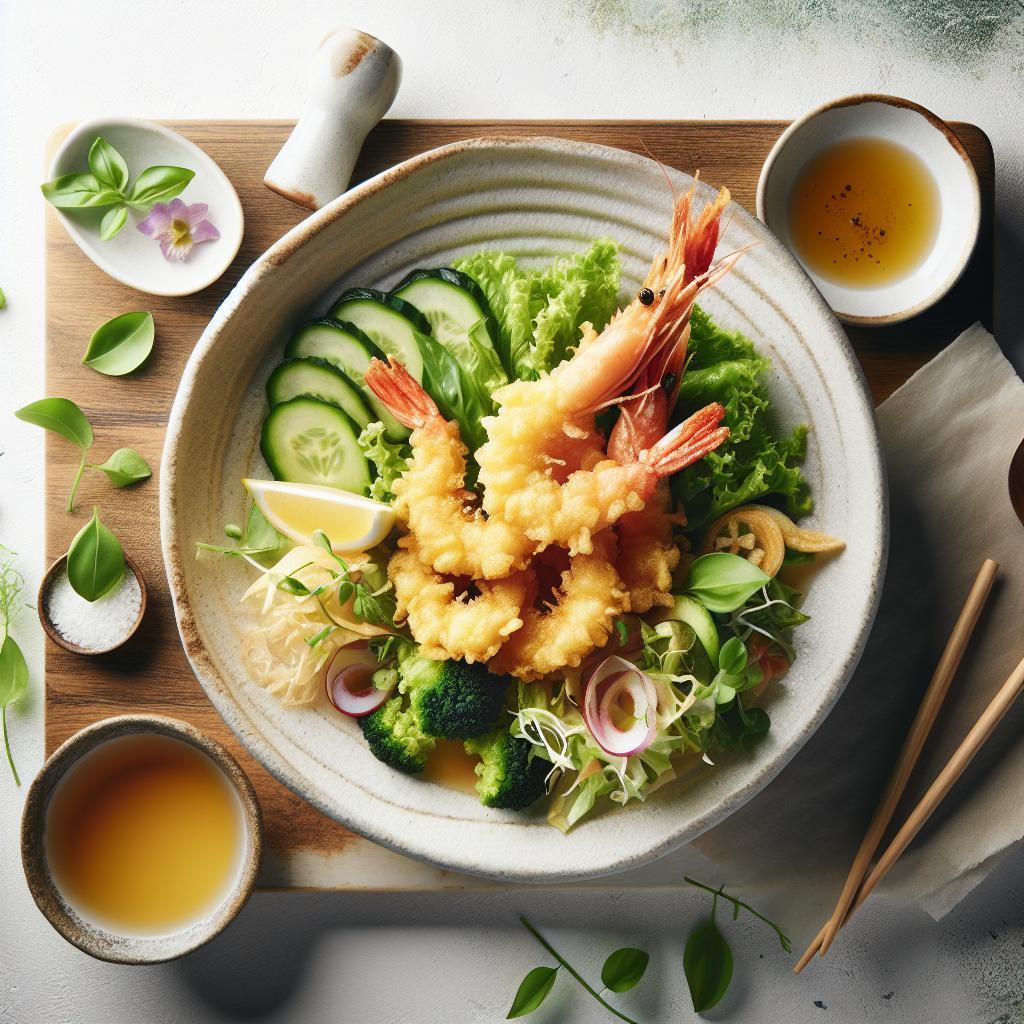

In the delicate dance of batter and sea, shrimp tempura emerges as a culinary masterpiece-crisp, golden, and steeped in tradition. This iconic dish, with its light, airy crunch enveloping succulent seafood, tells a story that stretches back centuries, weaving together artistry, culture, and history in every bite. More than just a feast for the palate, shrimp tempura is a testament to the meticulous craft of Japanese cuisine, where simplicity meets sophistication and ancient techniques continue to inspire modern kitchens. Join us as we unravel the origins, evolution, and enduring allure of shrimp tempura, exploring how this humble fritter became a symbol of crispy perfection across the world.
Shrimp Tempura: Crafting History in Crispy Perfection
Shrimp tempura stands as a shining jewel in Japanese cuisine, marrying delicate seafood with an irresistibly airy, crisp batter. This dish not only tantalizes the palate but also tells a fascinating story of culinary fusion and mastery. Whether you first tasted tempura during a bustling Tokyo street festival or at an elegant kaiseki meal, its cultural journey and precise technique make every bite a celebration.
Prep and Cook Time
- Preparation: 20 minutes
- Cooking: 10 minutes
- Total Time: 30 minutes
Yield
Serves 4 – perfect for an intimate dinner or sharing as an appetizer.
Difficulty Level
Medium – requires attention to technique but rewarding and approachable for home chefs.
Ingredients
- 12 large shrimp, peeled and deveined, tails left intact
- 1 cup all-purpose flour, sifted
- 1/2 cup cornstarch
- 1 large egg, cold
- 1 cup ice-cold sparkling water or very cold club soda
- 1/4 teaspoon baking soda (optional, for extra crispness)
- Vegetable oil for deep frying (about 4 cups)
- Sea salt or matcha salt for finishing
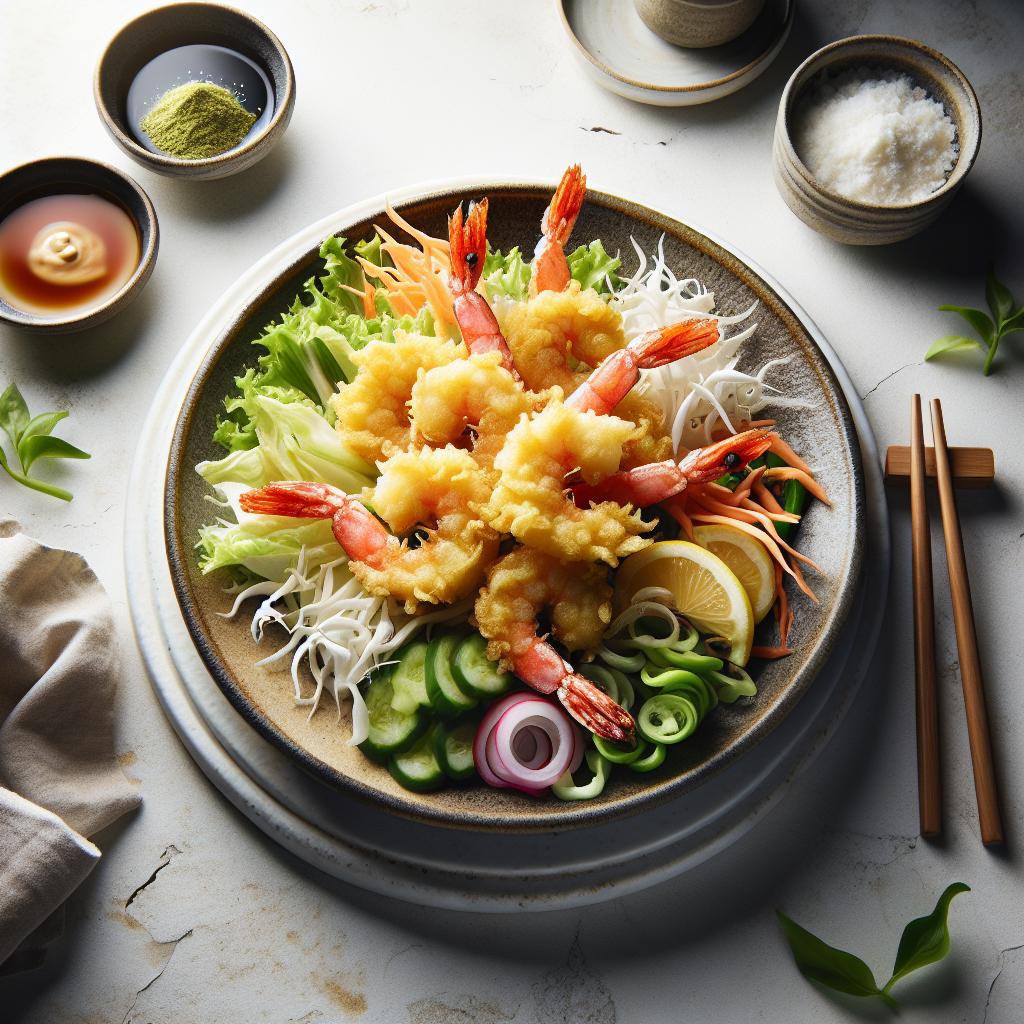
- Grated daikon radish and tentsuyu dipping sauce for serving
Instructions
- Prepare the shrimp: Gently butterfly each shrimp by making a shallow cut along the belly, then lightly straighten and pat dry with paper towels. This step ensures even cooking and maximizes surface area for the batter to cling.
- Make the tempura batter: In a chilled bowl, lightly beat the egg. Add the ice-cold sparkling water, stirring just until combined. Add the sifted flour, cornstarch, and baking soda gently – do not overmix. Lumps are desirable for a crisp texture.
- Heat the oil: Using a deep pot or fryer, warm vegetable oil to 340-350°F (170-175°C). Maintain steady heat for perfectly crisp results without absorbing excess oil.
- Coat the shrimp: Dust each shrimp lightly with flour before dipping into the batter. This step ensures the batter adheres evenly.
- Fry the shrimp: Carefully lower shrimp one at a time into the hot oil. Fry for 2-3 minutes or until the batter is pale golden and crisp, flipping gently halfway through. Avoid overcrowding the pot to maintain temperature.
- Drain and rest: Remove shrimp with a slotted spoon and place on a wire rack lined with paper towels. Sprinkle immediately with sea or matcha salt to enhance flavor.
Tips for Success
- Use ice-cold sparkling water to keep batter temperatures low; this is key for that signature light and crispy crust.
- Do not overmix the batter-lumps create an uneven texture that crisps up beautifully.
- The best shrimp for tempura are large, firm varieties such as kuruma ebi or wild white shrimp; their texture contrasts wonderfully with the delicate batter.
- Maintain oil temperature within the recommended range; a thermometer is indispensable for this task.
- Prepare batter immediately before frying; resting it leads to loss of crispness.
- For a gluten-free option, substitute with rice flour or a specialized tempura flour blend.
Serving Suggestions
Present your shrimp tempura on a simple bamboo mat or rustic ceramic plate for visual authenticity. Garnish with finely sliced green onions, sesame seeds, and a lemon wedge to brighten the flavors. Pair the dish with traditional tentsuyu dipping sauce-made from dashi, soy sauce, and mirin-and a small mound of grated daikon radish to balance richness.
Compliment the experience with steamed jasmine rice or a delicate bowl of miso soup. For a refreshing contrast, serve alongside a crisp cucumber sunomono salad or lightly pickled vegetables.
| Nutrient | Amount |
|---|---|
| Calories | 320 kcal |
| Protein | 25 g |
| Carbohydrates | 18 g |
| Fat | 15 g |
For those curious about the cultural roots and intricate techniques of tempura, explore our deep dive into Japanese culinary traditions. To expand your knowledge on ingredient sourcing and shrimp varieties, you can also visit FAO Fisheries and Aquaculture.

Q&A
Q&A: Shrimp Tempura – Crafting History in Crispy Perfection
Q1: What exactly is shrimp tempura?
A: Shrimp tempura is a beloved Japanese dish featuring succulent shrimp coated in a light, airy batter and fried to golden, crispy perfection. Unlike heavy Western-style battering, tempura’s unique technique creates a delicate crunch that highlights the shrimp’s natural sweetness.
Q2: Where did shrimp tempura originate?
A: While tempura itself was introduced to Japan in the 16th century by Portuguese missionaries, the Japanese transformed it into an art form. Shrimp tempura, especially, became a symbol of culinary innovation, marrying foreign technique with local ingredients and aesthetics.
Q3: What makes tempura batter so special?
A: The magic lies in the simplicity. A mix of ice-cold water, wheat flour, and sometimes egg creates a batter that’s intentionally under-mixed to avoid gluten formation. This fragile batter puffs up beautifully when fried, achieving that signature pillow-like crispness that melts in your mouth.
Q4: How do chefs ensure shrimp tempura is perfectly cooked?
A: Mastery comes down to timing and temperature. The oil must be precisely hot enough-usually around 340°F to 360°F-so the batter crisps instantly without soaking up excess oil. The shrimp is typically peeled but left with the tail on for grip and presentation, then quickly fried to stay juicy inside.
Q5: Is there more to shrimp tempura than just frying?
A: Absolutely. Presentation, dipping sauces, and accompaniments elevate the experience. Traditionally, shrimp tempura is served with tentsuyu-a delicate dip made from dashi, mirin, and soy sauce-and grated daikon radish. It’s an orchestration of textures and flavors that honor the ingredient’s purity.
Q6: Why has shrimp tempura remained so popular worldwide?
A: Its universal appeal lies in balance-crispy yet tender, simple yet sophisticated. Shrimp tempura’s lightness makes it a perfect introduction to Japanese cuisine for global palates, while its artistry continues to inspire chefs to innovate beyond tradition.
Q7: Can I make shrimp tempura at home?
A: Certainly! The key is cold batter, fresh shrimp, and hot oil. Use ice cubes to keep the batter chilled, avoid overmixing, and be prepared to fry quickly. With patience and practice, you can craft tempura that transports you to a Tokyo kitchen, one crispy bite at a time.
In Summary
As the golden batter crackles and the plump shrimp reveals its tender heart, shrimp tempura stands not just as a dish, but as a testament to centuries of culinary artistry. From its humble origins to its revered place on tables worldwide, each bite echoes a story of tradition, innovation, and meticulous craft. Whether enjoyed in a bustling Tokyo eatery or a quiet home kitchen, shrimp tempura invites us all to savor history-wrapped in crispy perfection. So next time you reach for that light, delicate tempura, remember: you’re tasting more than flavor; you’re experiencing a legacy fried to a flawless crunch.