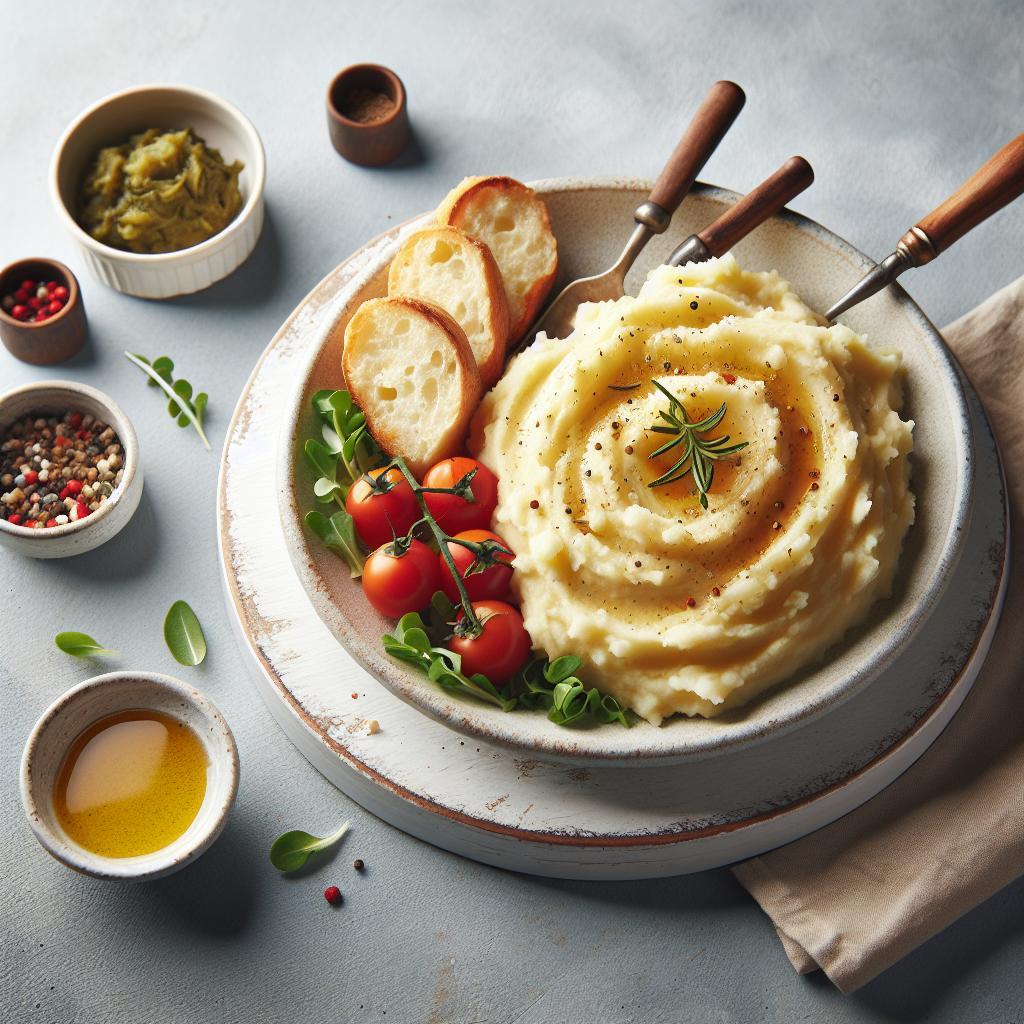

There’s something undeniably comforting about a steaming bowl of creamy mashed potatoes-a timeless side dish that transforms any meal into a feast. But when the pressure of the main course steals your attention, preparing these velvety spuds ahead of time can feel daunting. Fear not! With a few clever strategies and simple tricks, you can master the art of make-ahead mashed potatoes that taste freshly whipped, every single time. In this guide, we’ll reveal top tips to help you save time without sacrificing flavor, turning your next holiday dinner or family gathering into a smooth-sailing culinary celebration. Let’s mash our way to easier, stress-free sides!
Choosing the perfect potato is the secret foundation of achieving fluffy, cloud-like mashed potatoes that delight every palate. When mastering make-ahead cooking techniques, selecting the right potato ensures your side dish remains irresistibly smooth and creamy even when prepared in advance. Russet potatoes, with their dry, starchy flesh, are the classic choice for fluffy mashed potatoes, breaking down beautifully under heat and absorbing butter and cream like a dream. Yukon Golds offer a slightly buttery richness and hold their shape better, making them ideal for those who prefer a bit of texture.
To maximize fluffiness, peel your potatoes and cut them into uniform chunks for even cooking. Starting them in cold water prevents uneven softening and helps retain their natural starch structure, which is crucial for that light finish. When it’s time to mash, avoid overworking the potatoes as this releases excess starch and causes a gummy texture-using a potato ricer or masher delivers the perfect consistency every time.
Stress-free prep is within reach by embracing smart make-ahead methods. After mashing, spoon your potatoes into a buttered baking dish, cover tightly with foil or plastic wrap, and refrigerate. When ready to serve, gently reheat in a warm oven, stirring occasionally to keep them creamy and prevent drying out. Adding a splash of warm cream or a knob of butter during reheating revives their fresh-from-the-kitchen taste and texture with minimal effort.
Elevate your classic mashed potatoes with creative flavor boosters that awaken the senses. Infuse comforting roasted garlic or sautéed leeks into the mash for subtle sweetness. A hint of fresh herbs like thyme, chives, or rosemary adds herbal brightness that complements the buttery base. For a luxurious twist, fold in crumbled blue cheese, sour cream, or a dollop of crème fraîche. Smoky paprika or a dash of horseradish can also lend unexpected depth, turning this humble side into a star.
To keep your mashed potatoes fresh and delicious through storage and reheating, cool them quickly after cooking by transferring to a shallow dish. Store in the refrigerator in an airtight container to lock in moisture. When reheating, avoid microwaving at high power, which can cause uneven heating and a dry crust. Instead, gently warm in a covered casserole in the oven at 300°F (150°C) or on the stovetop over low heat, stirring in added cream or stock to restore creaminess. This approach keeps the fluffy texture uniform and the flavors vibrant, ready to enhance any meal.
Prep and Cook Time
- Prep Time: 15 minutes
- Cook Time: 25 minutes
- Total Time: 40 minutes
Yield
Serves 6 generous portions
Difficulty Level
Easy
Ingredients
- 3 pounds russet potatoes, peeled and cut into 2-inch chunks
- 4 tablespoons unsalted butter, softened
- 1 cup whole milk, warmed
- ½ cup heavy cream, warmed
- 2 teaspoons kosher salt, divided
- ½ teaspoon freshly ground black pepper
- 4 cloves roasted garlic, mashed (optional)
- 2 tablespoons chopped fresh chives or parsley for garnish
Instructions
- Prep the potatoes: Place peeled and chopped potatoes in a large pot and cover with cold water by 1 inch. Add 1 teaspoon of kosher salt to the water.
- Cook the potatoes: Bring to a boil over high heat, then reduce to medium-low and simmer until tender and easily pierced with a fork, about 15-20 minutes.
- Drain and steam-dry: Drain the potatoes in a colander, then return to the pot and place over low heat for 2 minutes to evaporate excess moisture. This step enhances fluffiness.
- Mash the potatoes: Use a potato ricer or masher to mash the potatoes gently until smooth. Avoid overworking to prevent gumminess.
- Add butter: Fold in the softened butter until fully melted and incorporated.
- Incorporate milk and cream: Gradually add the warm milk and cream, stirring gently after each addition until the desired fluffy and creamy consistency is reached.
- Season: Mix in the remaining kosher salt, black pepper, and roasted garlic if using. Taste and adjust seasoning as needed.
- Make-ahead option: Transfer mashed potatoes to a buttered baking dish. Cover tightly and refrigerate for up to 2 days.
- Reheat: When ready to serve, preheat oven to 300°F (150°C). Reheat mashed potatoes covered for 20-25 minutes, stirring halfway through and adding a splash of cream or butter to refresh texture.
- Garnish and serve: Sprinkle fresh herbs just before serving for a burst of color and flavor.
Tips for Success
- Use a potato ricer for the fluffiest texture; avoid electric mixers as they can overwork potatoes.
- Always warm your milk and cream before adding to maintain a smooth temperature.
- For dairy-free versions, substitute butter with olive oil and milk with unsweetened almond or oat milk.
- To add an herbal twist, steep fresh rosemary in the warming milk before mixing it into the potatoes.
- If potatoes seem too thick after refrigeration, stir in warm broth or more cream during reheating.
Serving Suggestions
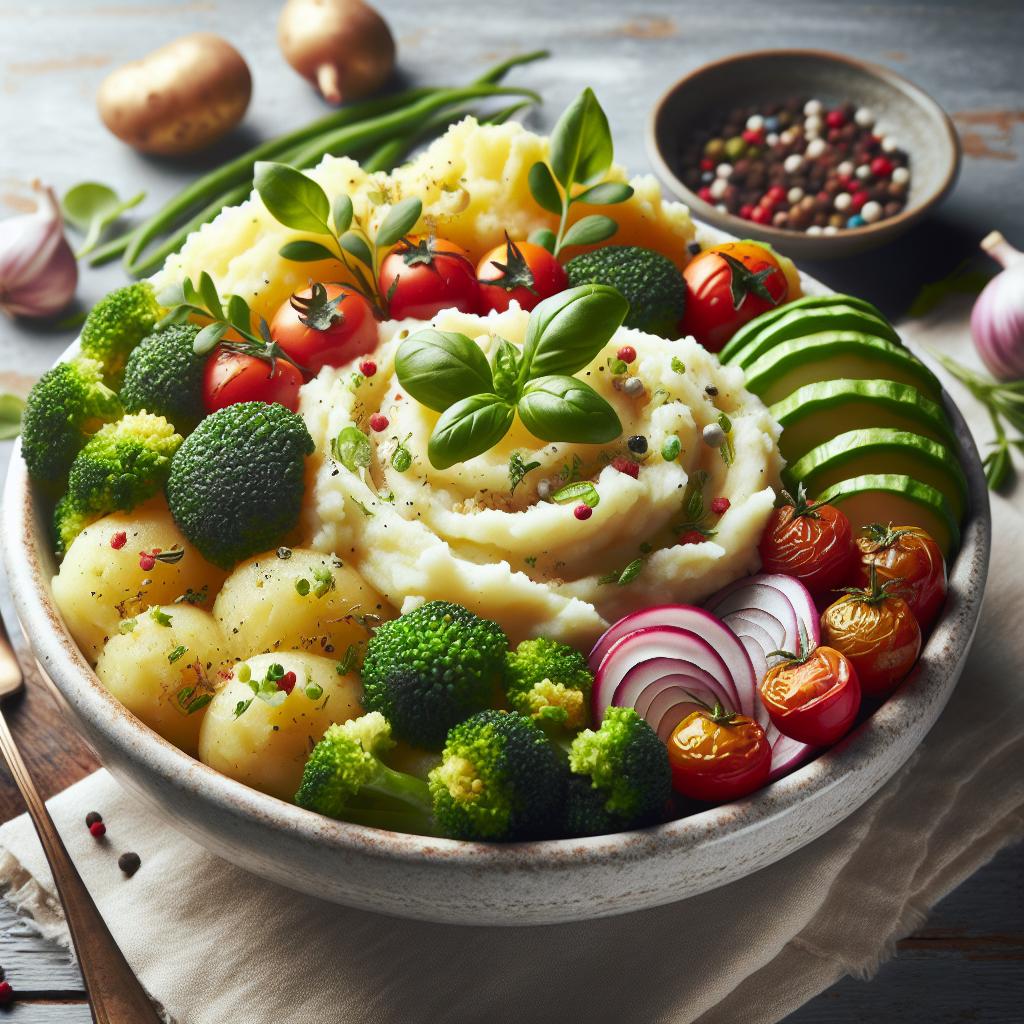
Present your mashed potatoes as a cozy bed for rich dishes like braised short ribs or roast chicken. A drizzle of browned butter and crispy sage leaves add elegant flair. For a festive touch, sprinkle toasted pine nuts and grated Parmesan. For visual appeal, create swoops with a serving spoon and finish with a pinch of smoked paprika or lemon zest to awaken the senses.

| Nutrient | Per Serving |
|---|---|
| Calories | 210 kcal |
| Protein | 4 g |
| Carbohydrates | 35 g |
| Fat | 7 g |
For more transformative tips on make-ahead sides, explore our Ultimate Guide to Make-Ahead Side Dishes. Want science-backed potato facts? Check out this NYT article on potato composition for an expert’s take.
Q&A
Q&A: Mashed Potatoes Made Easy – Top Tips for Ahead-of-Time Sides
Q1: Can mashed potatoes be made ahead of time without losing their creamy texture?
A: Absolutely! The key is to cook and mash your potatoes the day before, then store them properly. Add a bit more butter or cream than usual before refrigerating, as the potatoes tend to absorb moisture overnight. When reheating, do it gently on low heat with occasional stirring to bring back the silky smoothness.
Q2: What’s the best type of potato for make-ahead mashed potatoes?
A: Starchy potatoes like Russets or Yukon Golds are your best friends. They break down nicely and yield that fluffy, creamy consistency that holds up well even after chilling and reheating.
Q3: How can I prevent mashed potatoes from turning gluey when preparing in advance?
A: Overworking the potatoes releases too much starch, creating a gluey mess. Use a potato masher or ricer for gentle mashing and avoid using a food processor. Also, wait until the potatoes are warm before adding dairy so everything blends smoothly.
Q4: What’s a clever tip for reheating make-ahead mashed potatoes?
A: Reheat them slowly in a heavy-bottomed pan or in the oven with a little extra cream or broth. Stir frequently and cover the dish with foil to lock in moisture. For a quicker fix, a microwave with periodic stirring works but watch the heat level carefully to avoid drying out.
Q5: Can I add mix-ins to mashed potatoes before making them ahead?
A: Yes! Ingredients like roasted garlic, shredded cheese, or fresh herbs can be stirred in before refrigeration. Just remember that some fresh herbs might darken over time, so it’s best to sprinkle those on right before serving for maximum freshness and flavor pop.
Q6: Is freezing mashed potatoes a good idea?
A: Freezing mashed potatoes is possible but comes with caution. They may change texture once thawed. To minimize this, freeze in airtight containers and incorporate extra butter or cream before freezing. Thaw slowly in the fridge overnight and reheat carefully with added liquid.
Q7: How far ahead can I safely prepare mashed potatoes for a big meal?
A: Up to 24 hours in advance is ideal for best flavor and texture. Beyond that, potatoes might lose their fresh taste and become too dense. For events farther out, consider freezing or preparing a base mash and add fresh mix-ins last minute.
With these tips, mashed potatoes can transition from a last-minute scramble to a stress-free, make-ahead side that dazzles your table every time!
In Summary
In the grand tapestry of a memorable meal, mashed potatoes often play the unsung hero-comforting, versatile, and utterly satisfying. By embracing these ahead-of-time tips, you’re not just saving minutes; you’re unlocking the secret to consistently creamy, fluffy perfection without the last-minute scramble. Whether it’s a busy weeknight or a festive feast, prepping your mashed potatoes in advance transforms them from a stress-inducing side to a star player, ready to complement any dish. So go ahead, plan ahead, and let your mashed potatoes shine anytime you please-because great taste waits for no one, but a little foresight goes a long way.