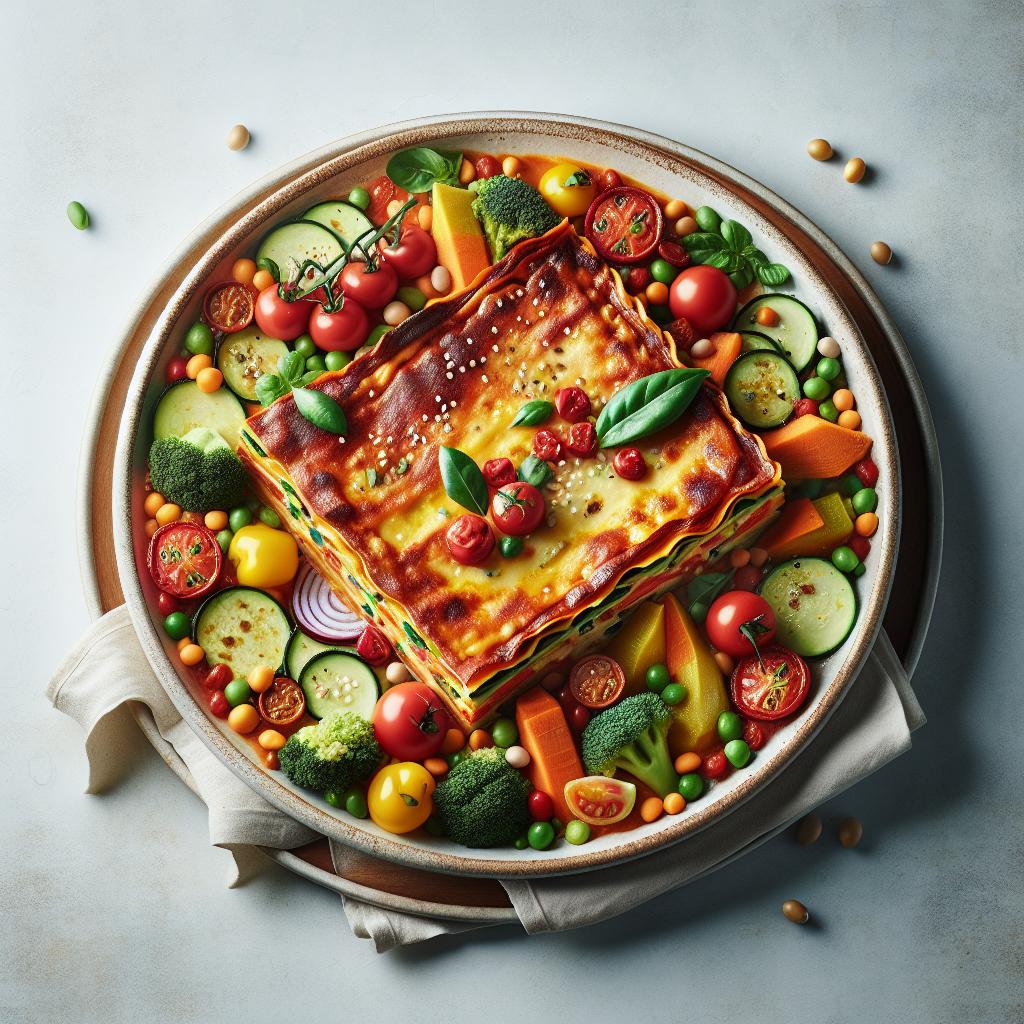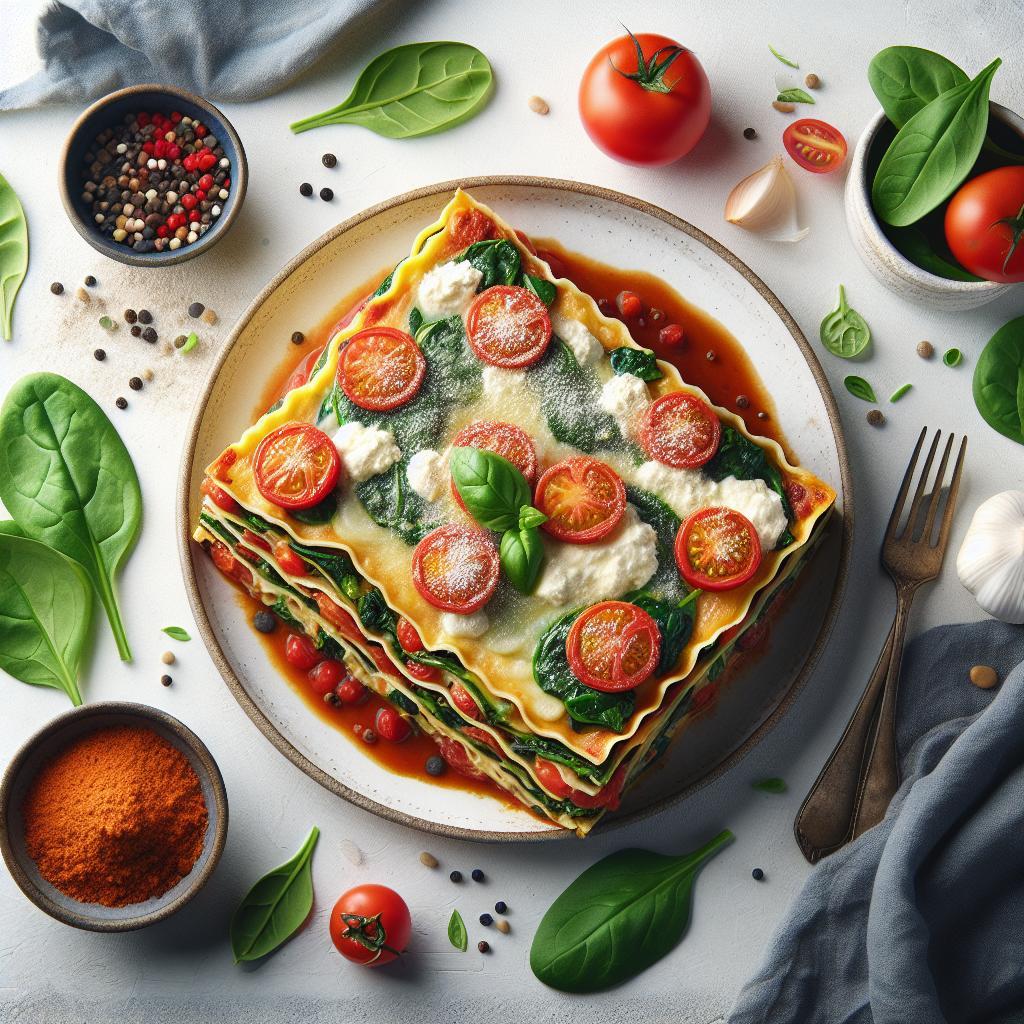

There’s something irresistibly comforting about a dish that has stood the test of time, weaving its way through generations and gathering stories with every baked layer. Classic vegetarian lasagna is one such culinary treasure-a harmonious blend of rich, melted cheeses, vibrant vegetables, and tender pasta sheets, all baked to golden perfection. In this article, we embark on a delicious journey to master this timeless recipe, unlocking the secrets that transform simple ingredients into a heartwarming meal. Whether you’re a seasoned chef or a kitchen novice, prepare to dive into the art of crafting a vegetarian lasagna that’s as nourishing as it is nostalgic.
- The Art of Layering Flavors for Ultimate Depth
- Selecting the Perfect Cheese Blend for Creamy Perfection
- Crafting Homemade Sauce that Elevates Every Bite
- Vegetable Choices that Transform Tradition into Freshness
- Prep and Cook Time
- Yield
- Difficulty Level
- Ingredients
- Instructions
- Chef’s Notes
- Serving Suggestions
- Q&A
- Insights and Conclusions
The Art of Layering Flavors for Ultimate Depth
Timeless Taste: Mastering Classic Vegetarian Lasagna begins with a thoughtful harmony of ingredients that create layers bursting with flavor in every bite. Achieving this depth starts from selecting fresh vegetables that offer texture and vibrancy, complemented by a medley of herbs and spices that slowly unfurl their essence during cooking. The secret lies in balancing acidity, sweetness, and umami across each layer, ensuring that no single flavor dominates but all work together in a symphonic crescendo.
Selecting the Perfect Cheese Blend for Creamy Perfection
The cheese blend is the foundation for creamy, luscious layers that melt beautifully between tender pasta sheets. Combining mozzarella for stretchiness, ricotta for creaminess, and a touch of Parmesan for a sharp finish creates an irresistible richness. Opt for whole milk ricotta for optimal texture, and if possible, use freshly grated Parmesan to maximize flavor. Stir the cheeses gently to maintain creaminess and avoid overmixing which can make the layer too dense.
Crafting Homemade Sauce that Elevates Every Bite
A homemade tomato sauce is the heart of this vegetarian classic, enhancing the Timeless Taste: Mastering Classic Vegetarian Lasagna. Start by gently sautéing garlic and onions in olive oil to build an aromatic base. Use high-quality crushed tomatoes, adding fresh basil, oregano, and a pinch of sugar to balance acidity. Simmer until slightly thickened, allowing flavors to concentrate. This sauce should be vibrant, slightly chunky, and luscious, so it melds perfectly with the creamy cheese and al dente pasta.
Vegetable Choices that Transform Tradition into Freshness
Layering an array of seasonal vegetables introduces delightful textures and bursts of freshness that elevate the entire dish. Roasted zucchini, sautéed spinach, and tender mushrooms each bring unique notes: zucchini adds gentle earthiness, spinach provides a tender green bite, and mushrooms introduce a meaty umami depth. Incorporate diced bell peppers or eggplant for additional layers of flavor and a splash of color. Blanching some vegetables lightly before layering preserves their vibrancy and prevents excess moisture.
Prep and Cook Time
- Preparation: 40 minutes
- Cooking: 45 minutes
- Total: 1 hour 25 minutes
Yield
Serves 6 generous portions
Difficulty Level
Medium – Perfect for home cooks ready to impress with layered technique and fresh ingredients
Ingredients
- 12 lasagna noodles, cooked and drained
- 1 cup whole milk ricotta cheese
- 2 cups shredded mozzarella cheese
- 1/2 cup freshly grated Parmesan cheese
- 2 tablespoons olive oil
- 1 large onion, finely chopped
- 4 cloves garlic, minced
- 28 oz can crushed tomatoes
- 1 teaspoon dried oregano
- 1 teaspoon dried basil
- 1/2 teaspoon sugar
- 1 medium zucchini, diced and roasted
- 2 cups fresh spinach, sautéed
- 1 cup mushrooms, sliced and sautéed
- Salt and freshly ground black pepper, to taste
Instructions
- Prepare the sauce: Heat olive oil in a saucepan over medium heat. Add the onion and sauté until translucent, about 5 minutes. Stir in garlic and cook until fragrant, about 1 minute.
- Add crushed tomatoes: Pour in crushed tomatoes, oregano, basil, and sugar. Season with salt and pepper. Simmer gently for 20 minutes, stirring occasionally to prevent sticking and to meld flavors deeply.
- Cook noodles: While sauce simmers, boil lasagna noodles according to package instructions until al dente. Drain and set aside with a drizzle of olive oil to prevent sticking.
- Sauté vegetables: In a separate pan, roast diced zucchini until golden on edges. Sauté mushrooms until lightly browned and spinach until wilted with a pinch of salt. Set each aside separately.
- Mix cheeses: In a bowl, combine ricotta, half the mozzarella, and Parmesan. Stir gently to maintain a creamy consistency.
- Assemble layers: Spread a thin layer of tomato sauce on the bottom of your baking dish. Lay 3 noodles lengthwise. Spread a layer of ricotta mixture, followed by vegetables, and then spoon more tomato sauce. Repeat layers ending with noodles covered by sauce and remaining mozzarella on top.
- Bake: Preheat oven to 375°F (190°C). Cover dish with foil and bake for 30 minutes. Remove foil and bake an additional 15 minutes until cheese is bubbly and golden.
- Rest: Let the lasagna cool for at least 10 minutes before slicing. This helps the layers set perfectly and prevents collapse.
Chef’s Notes
- Variations: Add roasted butternut squash or caramelized eggplant for depth and sweetness.
- Substitutions: For a lighter option, use part-skim ricotta and reduce mozzarella by half.
- Make ahead: Prepare the sauce and sauté vegetables a day ahead; assemble before baking for convenience.
- Common issue: If the lasagna feels watery after baking, ensure excess liquid is drained from sautéed vegetables and sauce is thickened prior to assembly.
Serving Suggestions
Serve slices warm, garnished with fresh basil leaves and a sprinkle of freshly ground black pepper for contrast. Accompany with a crisp green salad tossed in lemon vinaigrette to balance the richness. A glass of dry white wine or sparkling water with a twist of lemon elevates the dining experience.
| Nutrient | Per Serving |
|---|---|
| Calories | 420 kcal |
| Protein | 24 g |
| Carbohydrates | 36 g |
| Fat | 18 g |

For those interested in expanding their vegetarian pasta repertoire, explore our Vegetarian Pasta Recipes Collection. To learn about the health benefits of the specific cheeses used in this dish, visit Cheese.com.
Q&A
Q&A: Timeless Taste – Mastering Classic Vegetarian Lasagna
Q1: What makes classic vegetarian lasagna a timeless dish?
A1: Classic vegetarian lasagna is timeless because it beautifully balances comfort and nutrition. Its layers of tender pasta, rich tomato sauce, creamy béchamel or ricotta, and wholesome vegetables create a harmonious medley of flavors that never go out of style. This dish transcends trends, offering a hearty, wholesome meal that appeals to both vegetarians and meat-eaters alike.
Q2: Which vegetables are essential for an authentic vegetarian lasagna?
A2: To capture the essence of traditional vegetarian lasagna, vegetables like spinach, zucchini, mushrooms, and bell peppers are essential. These vegetables bring a variety of textures and flavors, ranging from earthy and meaty to sweet and tender, creating depth without overpowering the dish’s classic character.
Q3: How can one achieve the perfect balance between creamy and tangy in a vegetarian lasagna?
A3: The secret lies in pairing creamy cheeses such as ricotta, mozzarella, or béchamel sauce with a bright, well-seasoned tomato sauce. Sautéing garlic and herbs before adding tomatoes builds flavor complexity, while the cheeses add luscious creaminess. The interplay of these elements ensures every bite is rich, tangy, and utterly satisfying.
Q4: What tips can help prevent the lasagna from becoming soggy?
A4: To keep your vegetarian lasagna perfectly textured, start by roasting or sautéing vegetables to remove excess moisture. Use no-boil noodles sparingly, and avoid watery sauces by simmering them to the right thickness. Lastly, allow the lasagna to rest for 15-20 minutes after baking-this lets the layers set and meld beautifully, making slicing clean and neat.
Q5: Can classic vegetarian lasagna be adapted for gluten-free or vegan diets without losing its charm?
A5: Absolutely! Gluten-free lasagna noodles or thinly sliced zucchini can replace traditional pasta to accommodate gluten sensitivities. For a vegan twist, swap out cheeses with cashew cream or tofu ricotta alternatives, and use plant-based milk to make béchamel. While the flavors shift slightly, with thoughtful seasoning and layering, the dish retains its comforting, timeless appeal.
Q6: What herbs and spices elevate a traditional vegetarian lasagna to gourmet status?
A6: Fresh basil and oregano give a bright, aromatic foundation, while a hint of nutmeg in the cheese layer adds subtle warmth. A pinch of red pepper flakes can introduce an unexpected gentle heat, enhancing the tomato sauce without overwhelming. These thoughtfully chosen herbs and spices elevate every mouthful from simple to sublime.
Q7: Why is layering technique so important in mastering classic vegetarian lasagna?
A7: Layering is where structure meets flavor fusion. Thoughtful assembly-starting with sauce, then noodles, followed by vegetables and cheese-ensures even cooking and flavor distribution. Proper layering creates distinct yet harmonious strata, allowing each component to shine individually while contributing to the lasagna’s rich, unified taste.
Q8: How does one store and reheat vegetarian lasagna to keep its fresh taste?
A8: After cooling, store your lasagna in an airtight container refrigerated for up to 3-4 days. When reheating, cover it with foil and warm in a preheated oven at 350°F (175°C) until heated through to preserve moisture and texture. Alternatively, microwave portions covered with a damp paper towel for quick, even reheating without drying out.
Mastering the classic vegetarian lasagna is more than following a recipe-it’s a culinary journey into layers of timeless flavor, texture, and comfort. With these tips and insights, your next lasagna will surely become a cherished tradition.
Insights and Conclusions
As the final forkful of this classic vegetarian lasagna melts on your tongue, you’ll realize that mastering timeless recipes isn’t just about technique-it’s about honoring tradition while embracing your own culinary creativity. This dish, rich with layers of fresh vegetables, creamy béchamel, and tender pasta sheets, stands as a testament to the enduring power of comfort food made with heart. Whether you’re a seasoned cook or a curious beginner, bringing this lasagna to your table invites both nostalgia and new memories. So roll up your sleeves, gather your favorite garden harvest, and savor the delicious legacy of a truly timeless taste.