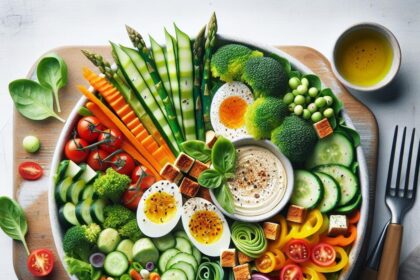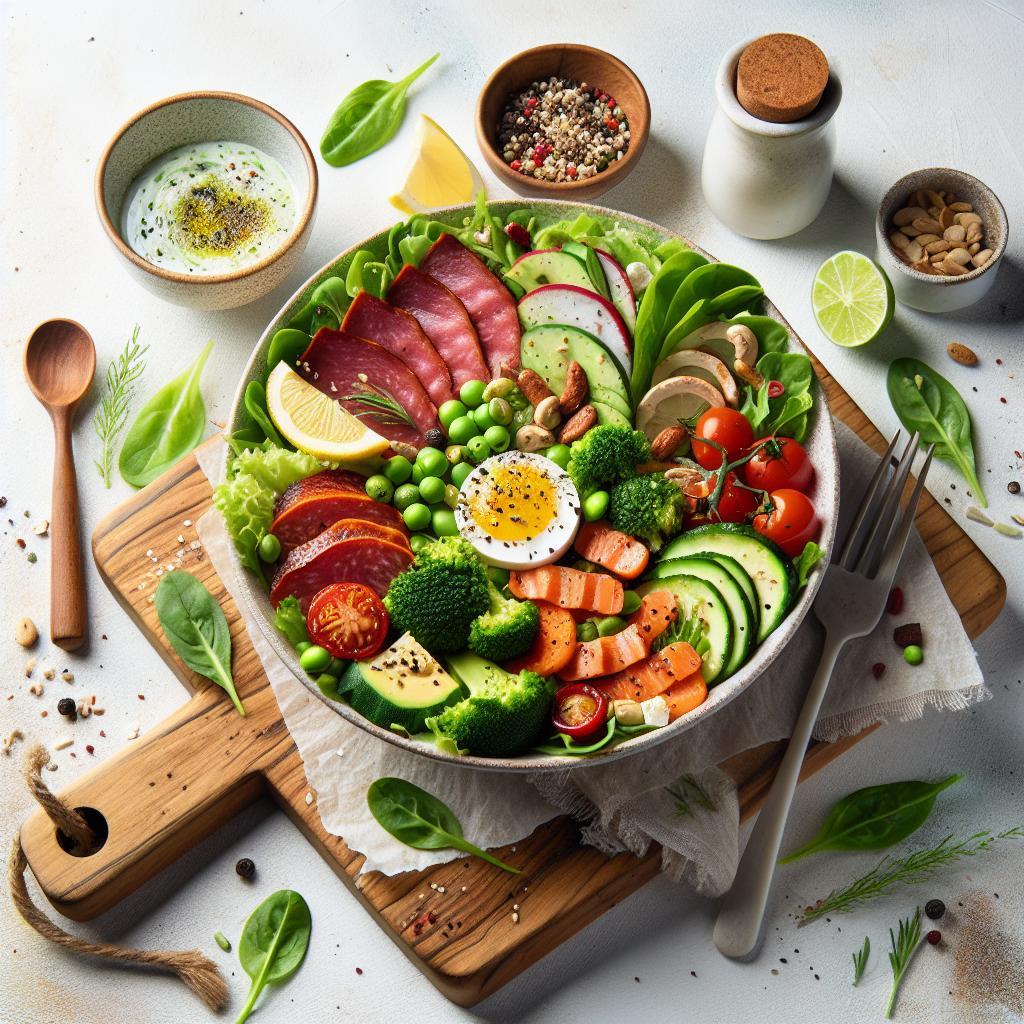

When tiny hands reach eagerly toward the dinner plate, every bite counts. “Tasty Toddler Bites: Perfectly Cut Meals for Little Hands” is all about transforming mealtime into a fun, manageable, and nutritious adventure. Crafting food into bite-sized gems not only sparks a toddler’s curiosity but also encourages independence and fine motor skills-a win-win for parents and little ones alike. In this article, we’ll explore clever cutting techniques, ideal food choices, and playful presentation ideas that turn ordinary meals into toddler-friendly delights, making those precious early dining experiences both safe and scrumptious.
Tasty Toddler Bites are a delightful way to introduce your little ones to a world of flavors and textures designed just for their developing tastes and tiny hands. These nutrient-packed mini morsels not only fuel growing appetites but also encourage self-feeding with confidence, helping toddlers explore food safely and joyfully. Inspired by the playful spirit of childhood and the need for smart, simple meal prep, this recipe emphasizes creative cutting techniques paired with flavorful combinations that keep mealtime exciting and mess-free.
Prep and Cook Time
Preparation: 20 minutes | Cooking: 15 minutes | Total Time: 35 minutes
Yield
Serves 4 toddlers (approximately 12-16 mini bites per serving)
Difficulty Level
Easy
Ingredients
- 1 cup cooked quinoa, cooled
- 1 cup finely diced sweet potato
- 1/2 cup steamed peas, mashed lightly
- 1/4 cup shredded mild cheddar cheese
- 1 large egg, beaten
- 2 tablespoons whole wheat flour
- 1 teaspoon mild curry powder (optional for subtle flavor)
- 1 tablespoon olive oil, for sautéing
- Pinch of sea salt (optional and minimal for toddlers)
Instructions
- Prepare the vegetables: Peel and finely dice the sweet potato. Steam until fork-tender, about 8-10 minutes. Mash the peas lightly to a texture that’s easy for toddlers to grasp and chew.
- Mix the base: In a large bowl, combine the cooked quinoa, mashed peas, shredded cheddar, and steamed sweet potato.
- Bind the mixture: Add the beaten egg, whole wheat flour, curry powder, and a pinch of sea salt. Stir well until ingredients cling together but remain soft and malleable. If too sticky, add a teaspoon of flour at a time.
- Shape the bites: With clean hands, gently form mini-sized balls or oval shapes about 1 to 1.5 inches, perfect for little fingers to grasp.
- Sauté with care: Heat olive oil in a non-stick pan over medium heat. Place the bites carefully and cook for 4-5 minutes per side until golden brown and crisp, turning gently to preserve shape.
- Cool and serve: Transfer the bites onto a paper towel to absorb excess oil and let cool. Serve slightly warm or at room temperature for easy eating.
Tips for Success
- Customize flavors: Swap sweet potato for carrot or butternut squash for seasonal variety.
- Veggie prep shortcut: Use frozen sweet potato cubes steamed quickly in the microwave to save time.
- Make-ahead: These toddler bites freeze beautifully; pop them in the toaster oven to reheat gently before serving.
- Size matters: Keep the bites small and uniform to encourage safe self-feeding and avoid choking hazards.
- Cheese alternatives: Mild mozzarella or vegan cheese work well for dietary needs.
Serving Suggestions
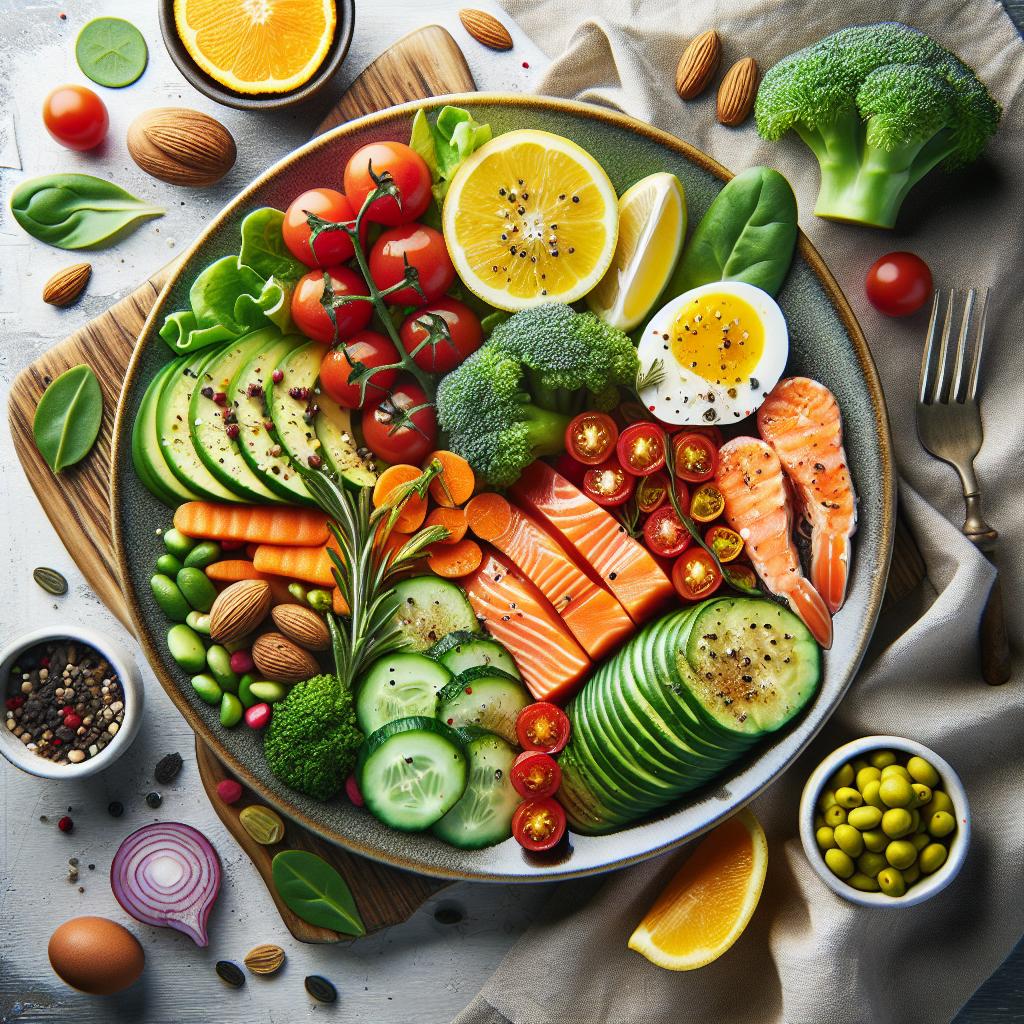
Present these colorful mini bites on a bright plate adorned with cucumber ribbons or soft avocado cubes for contrasting textures. Pair with a mild yogurt dip infused with mashed berries or an herb-infused cream cheese spread to introduce fun dipping experiences. Incorporate vibrant fruit slices like soft peaches or nectarines alongside for a harmonious sweet balance. For extra visual appeal, sprinkle a tiny pinch of finely chopped fresh parsley or mint before serving – creating a feast for all senses.
| Nutrient | Per Serving (4 toddler portions) |
|---|---|
| Calories | 130 kcal |
| Protein | 5 g |
| Carbohydrates | 18 g |
| Fat | 4 g |

For more creative and healthy toddler-friendly recipes, check out our Nutritious Kid-Friendly Snacks collection. To deepen your understanding of toddler nutrition and safe feeding practices, visit the American Academy of Pediatrics.
Q&A
Q&A: Tasty Toddler Bites – Perfectly Cut Meals for Little Hands
Q1: Why is cutting food into toddler-sized bites important?
A1: Little hands and emerging motor skills mean toddlers need food that’s easy to grasp, chew, and swallow. Perfectly cut bites reduce choking hazards, promote independence, and make mealtime a stress-free adventure. It’s all about nourishing both the body and the confidence!
Q2: What shapes and sizes work best for toddler bites?
A2: Think mini magic! Small cubes, thin strips, and soft, manageable shapes like coins or little stars are winners. Aim for pieces roughly the size of a pea or slightly larger, depending on your toddler’s chewing ability. The goal? Edible fun that fits snugly in tiny fingers.
Q3: Which foods are best suited for these perfectly cut toddler bites?
A3: Soft fruits like ripe bananas, steamed veggies, cheese cubes, pancakes, and tender meats are perfect candidates. Avoid anything too tough, sticky, or hard to minimize choking risks. Texture is key-soft but not mushy keeps toddler bites delightful.
Q4: How can parents make mealtime more enjoyable with these bites?
A4: Introduce colorful plates, playful shapes, and mix and match flavors to spark curiosity. Use themed cutters (like animals or stars), create funny faces on the plate, or pair bites with a favorite dip. Mealtime should be an engaging sensory journey, not just a feeding routine.
Q5: Are there tools that help in preparing perfect toddler bites?
A5: Absolutely! Child-safe knives, small cookie cutters, silicone food molds, and toddler-friendly food choppers are invaluable. These tools simplify prepping while ensuring safety. Plus, involving toddlers in food prep can boost their enthusiasm for eating.
Q6: What about safety tips when cutting meals for toddlers?
A6: Always supervise toddlers during mealtime, ensure bites are small enough to prevent choking, and avoid round, hard foods like whole grapes or cherry tomatoes unless sliced properly. Keep knives out of reach and teach gentle eating habits as your little one grows.
Q7: How do perfectly cut toddler bites support developmental milestones?
A7: Handling and eating small bites helps refine fine motor skills and hand-eye coordination. It encourages self-feeding, fosters independence, and builds oral motor strength, setting the stage for healthy eating habits and speech development.
Q8: Can these bites be used for on-the-go snacks?
A8: Definitely! Pack toddler-sized bites in easy-to-access containers for car rides, parks, or outings. They are mess-friendly, portion-controlled, and minimize waste. Perfect for busy families who want nutritious, hassle-free options away from home.
Q9: How can I transition from purees to toddler bites?
A9: Start gradually by mixing purees with small, soft chunks. As your child gets comfortable, increase chunk size and encourage finger feeding. Patience is key-each tiny bite is a big step toward self-sufficient eating!
Q10: Where can I find inspiration for creative toddler bites?
A10: Explore parenting blogs, toddler cookbooks, and social media for colorful, creative ideas. Pinterest and Instagram are treasure troves of toddler-friendly plating techniques, fun shapes, and balanced meal combos that make nutrition exciting and playful.
Crafting perfectly cut toddler bites transforms everyday meals into joyful experiences. It’s not just food-it’s the tasty building blocks of growth, safety, and independence. Happy chopping, nurturing parents!
Key Takeaways
As mealtime adventures unfold, remember that the magic truly lies in those tiny, perfectly cut bites tailored just for little hands. “Tasty Toddler Bites” isn’t just about nutrition-it’s about nurturing independence, sparking curiosity, and turning every meal into a joyful exploration. By thoughtfully preparing meals that fit the unique needs of toddlers, parents and caregivers can transform ordinary food into delightful moments of discovery and growth. So, sharpen those knives (safely!), embrace creativity, and watch as your little ones eagerly reach for each bite, one perfectly sized piece at a time. After all, great habits-and great tastes-start with the smallest tastes.