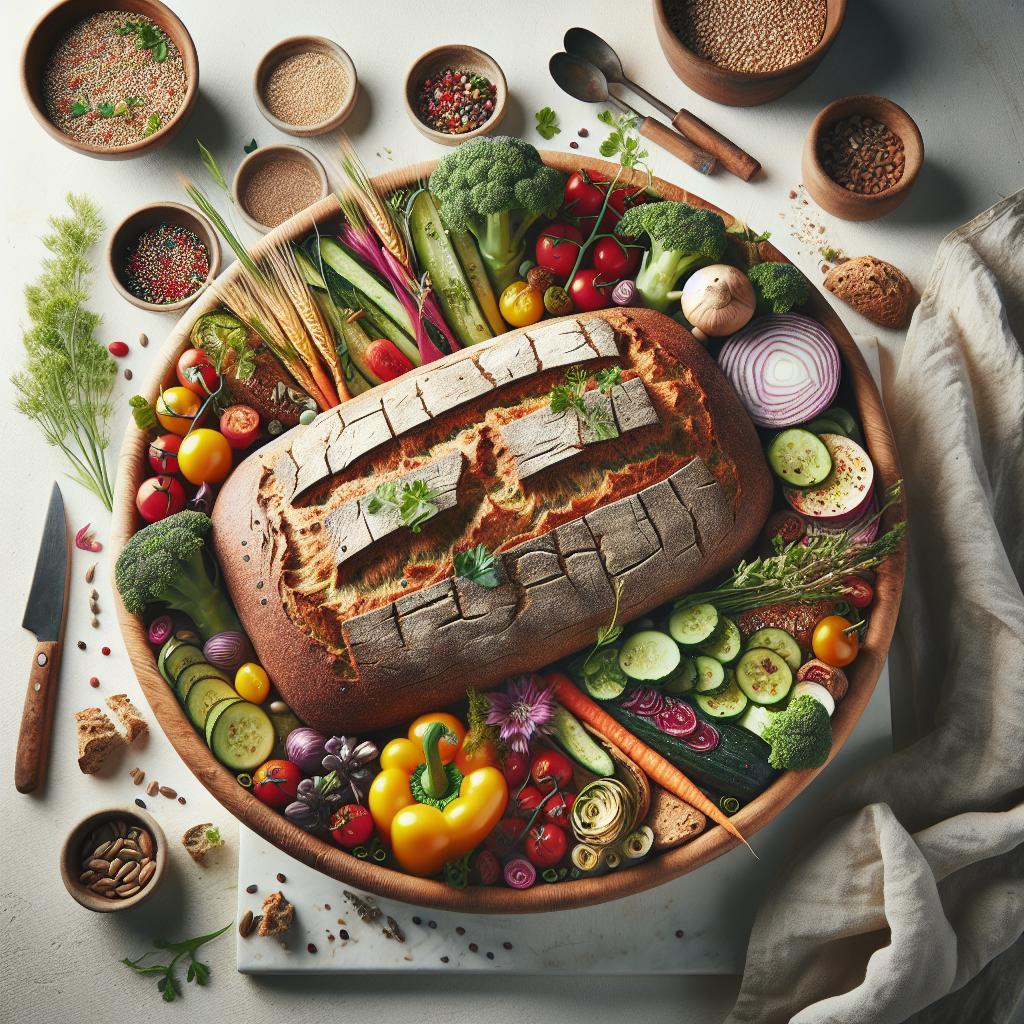

There’s something deeply comforting about the warm, inviting aroma of freshly baked bread wafting through the kitchen. But what if you or someone at your table can’t enjoy traditional wheat-based loaves? Enter the world of wheat-free bread-a delightful realm where nutrition meets flavor, and creativity knows no bounds. In “Baking Bliss: Delicious Wheat-Free Bread Recipes to Try,” we’ll journey through a variety of recipes that celebrate wholesome, wheat-free ingredients without sacrificing that essential, satisfying bread experience. Whether you’re navigating gluten sensitivities, exploring new dietary horizons, or simply curious about alternative grains, these breads promise to transform your baking routine into a joyful adventure of taste and texture. Get ready to roll up your sleeves and discover the bliss of baking beyond wheat!
Baking Bliss: Delicious Wheat-Free Bread Recipes to Try
Baking bliss begins with the magic of wheat-free bread – a delightful transformation that combines health benefits, vibrant flavors, and an irresistible texture. As a culinary artist, I’m always excited to explore how removing traditional wheat reshapes the baking landscape, unlocking options that are both nourishing and mouth-wateringly delicious. Whether you’re gluten-sensitive or simply curious about experimenting with alternative flours, this guide will lead you through crafting perfectly moist, fluffy bread loaves that are as flavorful as their wheat-based counterparts.
Prep and Cook Time
- Preparation: 20 minutes
- Rising Time: 1 to 1.5 hours
- Baking Time: 40-50 minutes
Yield
One standard loaf (12 slices) or 8-10 individual rolls
Difficulty Level
Medium – perfect for adventurous bakers ready to embrace new textures and ingredients
Ingredients
- 2 cups gluten-free oat flour, sifted for lightness
- 1 cup almond flour for nutty richness
- 1/2 cup tapioca starch to help with chew and stretch
- 2 tablespoons coconut sugar or maple syrup for subtle sweetness
- 1 1/2 teaspoons active dry yeast
- 1 teaspoon xanthan gum (if your flour blend doesn’t already contain it)
- 1 teaspoon sea salt
- 1 1/4 cups warm water (105-110°F) to activate the yeast
- 2 large eggs, at room temperature
- 3 tablespoons olive oil or melted coconut oil
- 1 teaspoon apple cider vinegar to boost rise
Instructions
- Activate the yeast: In a small bowl, whisk warm water with coconut sugar, then sprinkle yeast on top. Let it bloom for 5-7 minutes until foamy to confirm it’s active.
- Mix dry ingredients: In a large bowl, combine oat flour, almond flour, tapioca starch, xanthan gum, and salt. Whisk thoroughly to ensure even distribution.
- Whisk wet ingredients: In a separate bowl, beat eggs, olive oil, and apple cider vinegar. Slowly add the yeast mixture once foamy.
- Combine wet and dry: Pour wet ingredients into dry ingredients and fold gently with a spatula until the dough forms a thick, sticky batter. If too dry, add water 1 tablespoon at a time.
- First rise: Cover the bowl with a damp cloth and place in a warm spot. Allow dough to rise for 1 to 1.5 hours until slightly puffed but not doubling (wheat-free dough typically rises less).
- Shape the loaf: Lightly grease a loaf pan or line with parchment. Scrape dough into the pan and smooth the surface with a wet spatula for a neat finish.
- Second rise: Cover again and allow dough to gently rise for another 30 minutes.
- Bake: Preheat your oven to 375°F (190°C). Bake for 40-50 minutes or until the crust turns golden brown and a toothpick inserted in the center comes out clean.
- Cool completely: Remove from oven, let the bread cool in the pan for 15 minutes, then transfer to a wire rack. Cooling prevents sogginess and retains loaf shape.
Tips for Success
- Use room temperature eggs to improve dough emulsification and rise quality.
- Sifting your flours and starches aerates the mix, contributing to lighter crumb texture.
- Adding apple cider vinegar balances pH and supports yeast activity in gluten-free environments.
- Make-ahead: The dough can be made a day prior, covered tightly in the fridge; allow extra rise time before baking.
- If you prefer vegan, substitute eggs with flaxseed “eggs” (1 tablespoon ground flax + 3 tablespoons water per egg).
- Experiment with topping the loaf with mixed seeds or a sprinkle of coarse sea salt before baking for an eye-catching, flavorful crust.
Serving Suggestions
Slice this wonderfully moist wheat-free bread and toast gently to awaken its nutty aromas. It pairs beautifully with creamy avocado spreads, herb-infused olive oil dips, or a classic smear of almond butter and fresh berries for breakfast. For savory appeal, serve alongside rich slow-cooked stews or a vibrant vegetable soup. Garnish with fresh rosemary sprigs or a dusting of smoked paprika to visually elevate your presentation and entice the senses.

| Nutrient | Per Slice (approx.) |
|---|---|
| Calories | 140 kcal |
| Protein | 4g |
| Carbohydrates | 18g |
| Fat | 7g |
For more tips on mastering gluten- and wheat-free baking, check out our Ultimate Gluten-Free Baking Guide. Learn about the science behind alternative flours and how they contribute to texture and flavor.
Discover expert insights on yeast and fermentation at the BreadWorld Yeast 101 to deepen your knowledge on perfecting rising techniques.
Q&A
Q: What makes wheat-free bread different from traditional bread?
A: Wheat-free bread skips the usual wheat flour and instead uses alternative flours like almond, coconut, or rice flour. These substitutes bring unique textures and flavors, making the bread suitable for those with gluten sensitivities or anyone looking to diversify their baking.
Q: Can wheat-free bread be as tasty and satisfying as regular bread?
A: Absolutely! With the right combination of ingredients and a bit of culinary creativity, wheat-free bread can be just as delicious, with a delightful crumb and crust. Flavorful additions like herbs, nuts, or seeds often elevate the taste, creating a true baking bliss.
Q: What are some common ingredients in wheat-free bread recipes?
A: Beyond the star flours, expect ingredients like eggs, baking soda or powder, seeds, yogurt, and natural binders such as xanthan gum or psyllium husk. These help achieve the right rise and texture typical of traditional bread.
Q: Are wheat-free bread recipes suitable for beginners?
A: Many wheat-free bread recipes are beginner-friendly and forgiving, often requiring minimal kneading and straightforward steps. The key is to follow recipes that balance moisture and binding agents properly.
Q: How do I ensure my wheat-free bread doesn’t turn out too dense or crumbly?
A: Moisture and binding are crucial. Incorporate ingredients like eggs, yogurt, or flaxseed meal to help hold the bread together. Also, avoid overbaking to maintain a tender crumb, and consider adding a xanthan gum substitute to mimic gluten’s elasticity.
Q: Can I freeze wheat-free bread, and how should I store it?
A: Yes! Wheat-free bread often stores well in the freezer. Slice it first for convenience, wrap tightly in plastic or foil, then place in an airtight container or freezer bag. When ready, thaw at room temperature or toast directly from frozen for best texture.
Q: What are some creative twists I can try with wheat-free bread recipes?
A: Experiment with herbs like rosemary or thyme, add tangy sun-dried tomatoes, toss in crunchy nuts or seeds, or swirl in flavorful spices like cinnamon for sweet versions. These twists can transform simple wheat-free bread into a gourmet delight.
Q: Is baking wheat-free bread more time-consuming than traditional bread?
A: Not necessarily. Some wheat-free recipes actually require less rising time because many use quick-acting leaveners like baking powder. Plus, there’s no kneading needed in most cases, which can speed up the process.
Q: Why should I try baking wheat-free bread at home?
A: Baking at home lets you control ingredients, experiment with flavors, and enjoy fresh, wholesome bread tailored to your dietary needs. It’s a rewarding journey into baking bliss, where every loaf is a personal creation free from wheat’s limitations.
Q: Where can I find reliable wheat-free bread recipes to get started?
A: Start with trusted food blogs, gluten-free cookbooks, and online communities passionate about wheat-free baking. Many offer detailed recipes, tips, and troubleshooting advice to help your first loaves turn out beautifully.
The Way Forward
As you close the chapter on these delightful wheat-free bread recipes, remember that baking without wheat is not just a necessity-it’s an adventure. Each loaf, roll, or flatbread carries a unique texture and flavor that transforms ordinary ingredients into extraordinary treats. Whether you’re navigating dietary needs or simply exploring new culinary horizons, these recipes invite you to embrace the joy of baking beyond the wheat aisle. So preheat your oven, gather your ingredients, and let your kitchen become a haven of wholesome, wheat-free bliss-one delicious bite at a time. Happy baking!