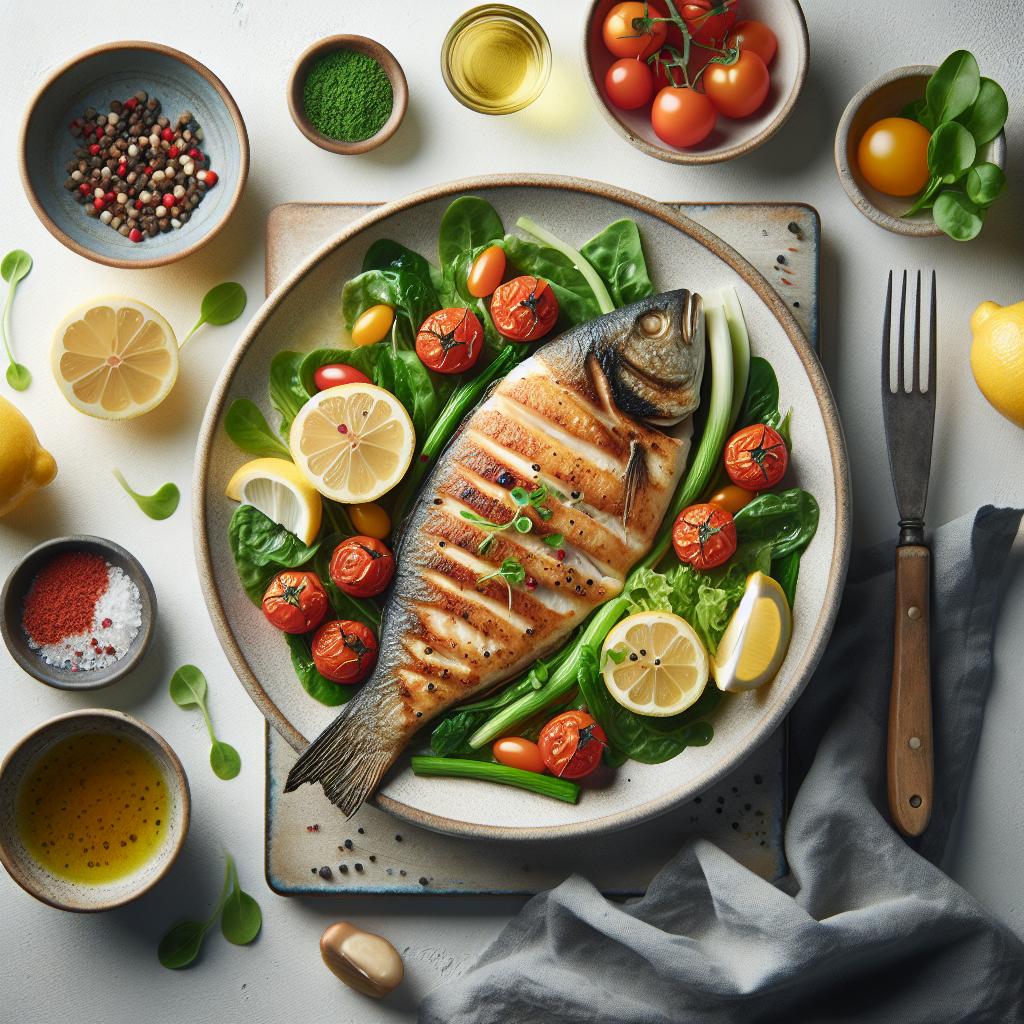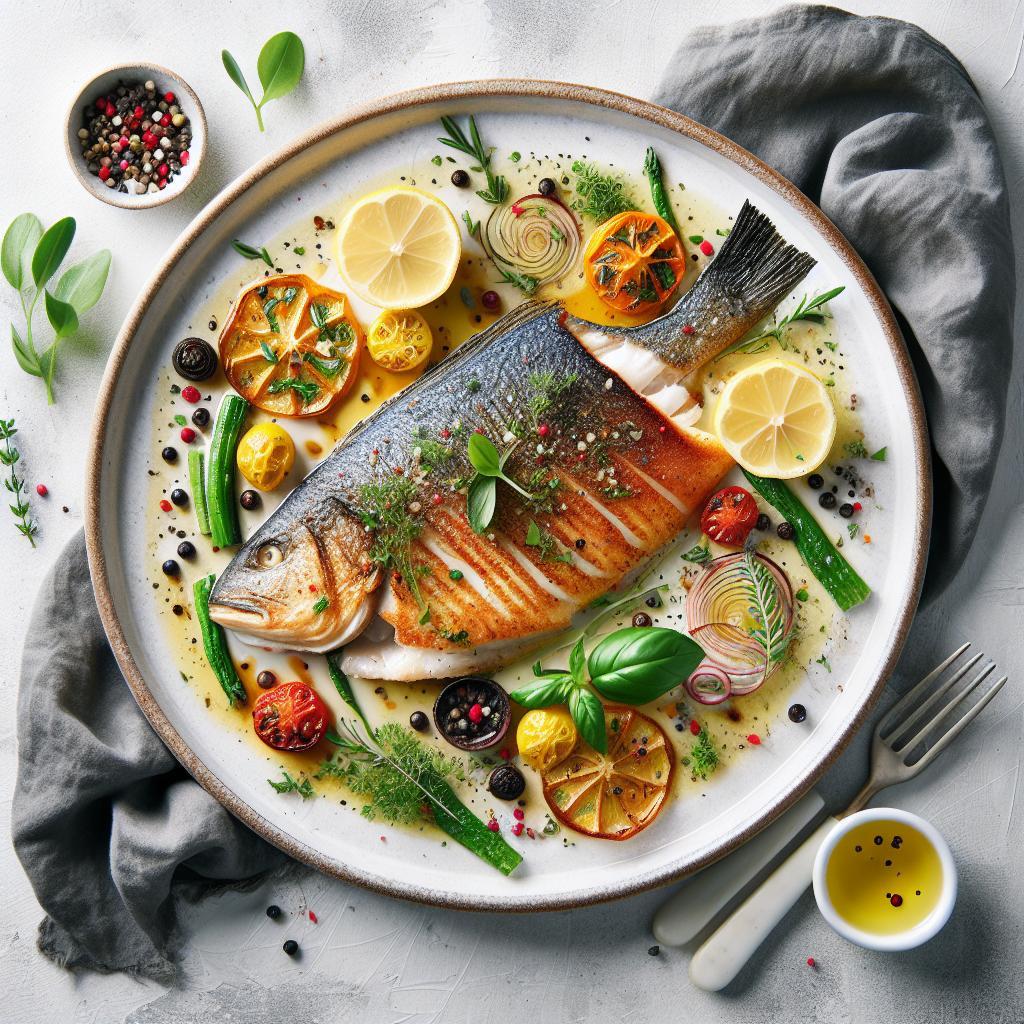

There’s something almost magical about a piece of fish that flakes apart effortlessly under the touch of a fork-tender, juicy, and full of delicate flavor. Yet, achieving that perfect balance of soft, flaky goodness can sometimes feel elusive, leaving home cooks wondering if they missed an essential step. What if the secret wasn’t in a complicated recipe or special ingredient, but in a set of simple, mindful techniques that unlock the fish’s natural beauty every single time? In this article, we’ll dive deep into the art and science of baking fish, revealing the insider tips and tricks that guarantee a perfectly soft, flaky meal straight from your oven-no guesswork required. Get ready to transform your fish dishes and impress your taste buds with effortless finesse.
The Secret to Perfectly Soft, Flaky Baked Fish Every Time
Finding the secret to perfectly soft, flaky baked fish every time begins with understanding how to select the ideal fish that will deliver tender flakes and a rich, satisfying flavor. Whether you’re crafting a delicate weeknight dinner or a show-stopping centerpiece, this guide reveals how to master marinades and seasonings, perfect baking techniques, and use essential tools for effortless handling and serving-all contributing to irresistible results.
Prep and Cook Time
- Preparation: 15 minutes
- Marinating: 20-30 minutes (optional but recommended)
- Baking: 12-15 minutes
- Total Time: Approximately 45 minutes
Yield
Serves 4 generous portions
Difficulty Level
Easy to Medium – perfect for home cooks looking to elevate their seafood skills
Ingredients
- 4 fillets of fresh white fish (such as cod, halibut, or haddock), skin removed
- 2 tablespoons extra virgin olive oil
- 1 lemon, zested and juiced
- 3 cloves garlic, finely minced
- 1 teaspoon smoked paprika
- 1 teaspoon sea salt, or to taste
- ½ teaspoon freshly cracked black pepper
- 1 tablespoon fresh dill or parsley, chopped
- 1 teaspoon honey or maple syrup (optional for a hint of sweetness)
- 1 tablespoon plain Greek yogurt (optional for moisture boost in marinade)
Instructions
- Choose your fish wisely. Select firm, fresh white fish fillets with a translucent sheen. These varieties naturally flake apart beautifully when baked, achieving that coveted softness.
- Create the marinade. In a bowl, whisk together the olive oil, lemon zest and juice, minced garlic, smoked paprika, salt, pepper, honey, and Greek yogurt if using. This blend unlocks moisture and flavor, preventing dryness while enhancing texture.
- Marinate the fish. Pat dry fish fillets with paper towels, then coat them evenly with the marinade. Cover and refrigerate for 20-30 minutes. For faster prep, a light 10-minute soak works well too.
- Preheat your oven. Set to 375°F (190°C). Use a rimmed baking tray lined with parchment paper to ensure even cooking and easy cleanup.
- Prepare to bake. Place the marinated fillets spaced evenly on the tray, reserving any extra marinade to brush on halfway through baking.
- Bake with care. Insert into the oven and bake for 12-15 minutes. The internal temperature should reach 145°F (63°C). Fish is done when it flakes easily with a fork but remains moist inside.
- Final touch. Remove from oven and garnish with freshly chopped dill or parsley. Let the fish rest for 2 minutes before serving to redistribute juices evenly.
Tips for Success
- Select sustainably sourced fish – Look for firm, bright fillets with no fishy odor. Wild-caught options often have more robust flavor.
- Don’t over-marinate. Acidic ingredients soften the fish but prolonged exposure can break down proteins too much, causing mushiness.
- Use room temperature fish before baking to ensure even cooking throughout.
- Consider baking with a light foil tent if you prefer ultra-moist fish-this traps steam gently without steaming it outright.
- Make ahead: Fish can be marinated and seasoned up to 2 hours prior for added convenience.
- Swap herbs to suit your palate-cilantro, tarragon, or basil add unique twists.
Serving Suggestions
Serve your perfectly soft, flaky baked fish alongside vibrant lemon-dressed arugula, roasted seasonal vegetables, or creamy mashed potatoes for a cozy balance. Garnish with extra lemon wedges and microgreens to brighten the plate visually and flavor-wise. For an elegant touch, drizzle a light herb-infused olive oil over the fish right before serving.

| Nutrition | Per Serving |
|---|---|
| Calories | 220 |
| Protein | 28g |
| Carbohydrates | 2g |
| Fat | 10g |
For more insights on baking seafood, check out our Complete Guide to Baking Salmon. Explore sustainable fish choices and environmental tips at the Marine Stewardship Council.
Q&A
Q: What’s the biggest challenge when baking fish?
A: Achieving that ideal balance between soft, flaky flesh and just enough firmness to hold together can be tricky. Overcooking dries it out, undercooking makes it mushy or slimy. The secret lies in timing, temperature, and a few simple tricks.
Q: How do I know when my baked fish is perfectly done?
A: The golden rule is to bake fish until it’s opaque and flakes easily with a fork. When you insert a fork, the layers should separate effortlessly like pages in a book. Avoid checking too often, as opening the oven frequently drops the temperature and can throw off cooking time.
Q: Does the type of fish matter?
A: Absolutely! Delicate fish like cod, tilapia, or sole cook quickly and benefit from gentle heat, while denser fish such as salmon or halibut can handle a slightly higher temperature and longer baking time. Adjust accordingly for thickness and fat content.
Q: Is marinating or seasoning important?
A: Yes! A light marinade or simply seasoning with salt, pepper, lemon juice, and herbs can enhance moisture retention and add flavor layers. A drizzle of olive oil or a pat of butter on top before baking locks in juiciness.
Q: What temperature should I bake fish at?
A: Most experts recommend baking fish at 375°F (190°C). This moderate heat cooks the fish evenly without toughening it. For very thin fillets, you can go a bit lower or shorten the cooking time.
Q: Can I bake frozen fish directly from the freezer?
A: You can, but it requires a few extra minutes and care to avoid drying out. Lower your oven temp slightly and cover the fish with foil to retain steam and moisture while baking.
Q: Any pro tips for flaky fish?
A: Try wrapping your fish in parchment paper or foil (a method called “en papillote”). This creates a little steam pocket that gently cooks the fish, helping it stay tender and moist. Also, resting the fish for a few minutes after baking lets the natural juices redistribute.
Q: What about using leftovers?
A: Perfectly baked fish makes fantastic leftovers! Just store it properly in an airtight container and reheat gently-either in the oven or steamed-to keep the texture soft and flaky.
By mastering these techniques, you’ll unlock the secret to reliably baking fish that’s tender, flavorful, and flaky every time-no fishy surprises!
Final Thoughts
In the end, unlocking the secret to perfectly soft, flaky baked fish is less about mystique and more about mindful technique. With the right balance of seasoning, temperature, and timing, your fish will transform into a delicate masterpiece that flakes effortlessly at the touch of a fork. So next time you step into the kitchen, let these tips guide your way – and savor the satisfying simplicity of a dish that’s as effortless to make as it is delightful to eat. Here’s to many more perfectly baked fillets, every time you bake!