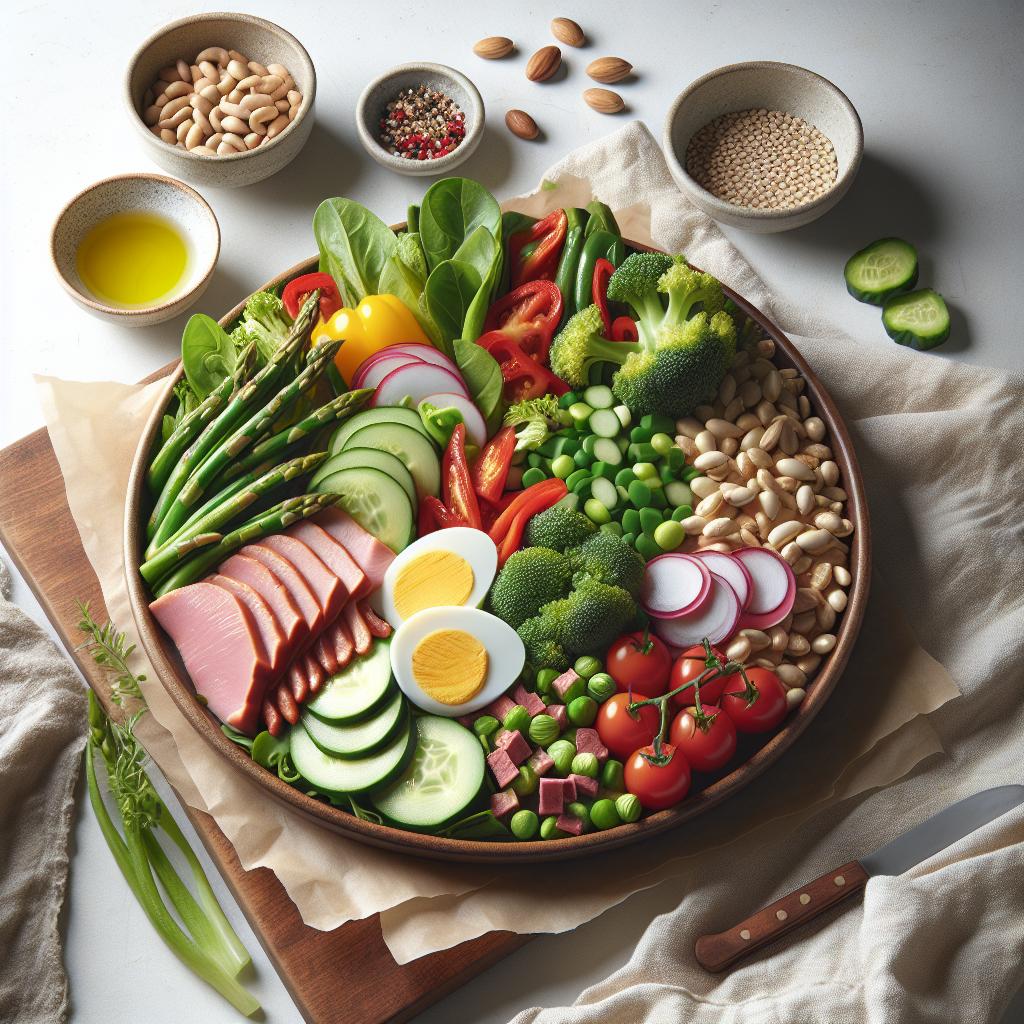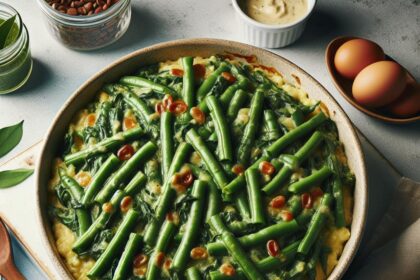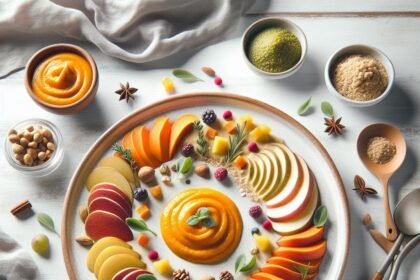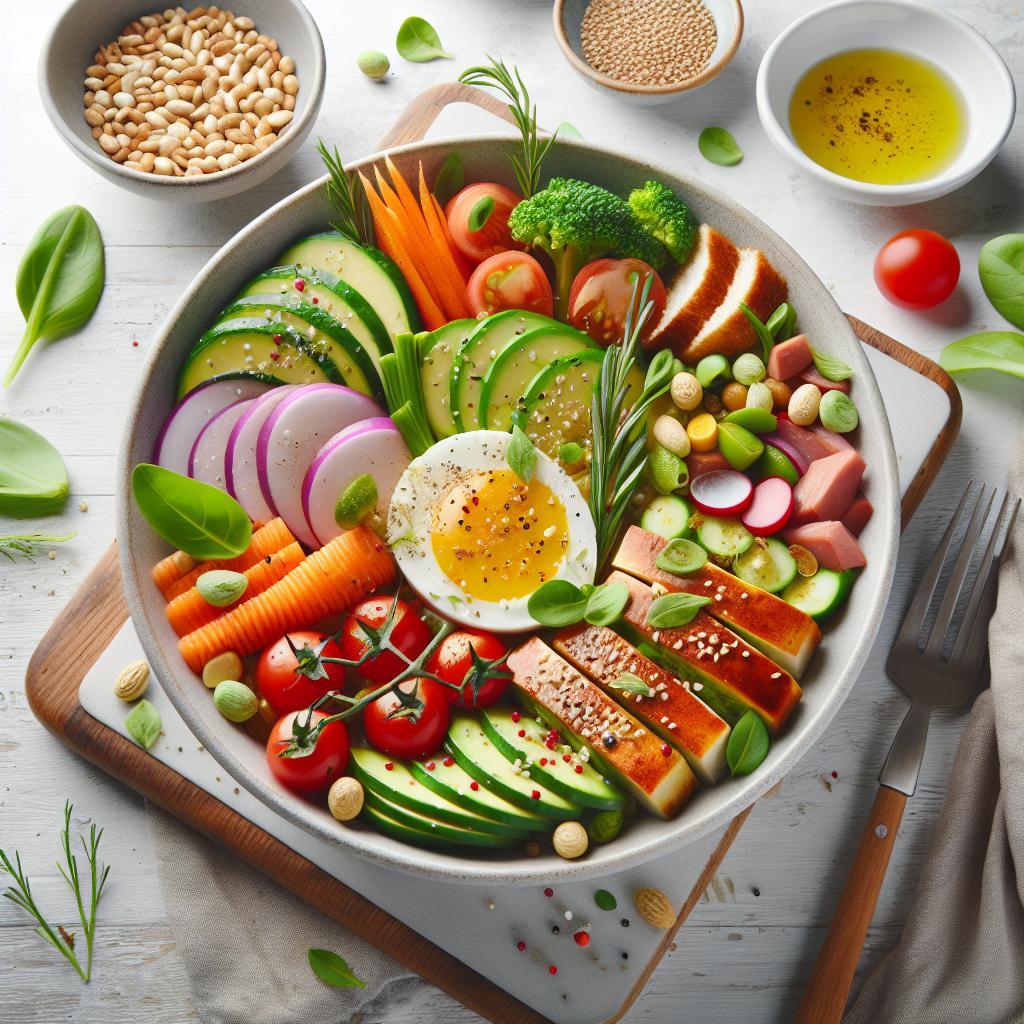

Imagine a dining experience where every bite feels like a comforting whisper-soft, soothing, and easy on your digestive system. For those embracing a soft food diet, whether recovering from surgery, managing dental issues, or seeking digestive ease, this gentle approach to eating can sometimes bring an unexpected companion: constipation. While soft foods nourish and nurture, they may also slow down your digestive rhythm if not carefully balanced. In this article, “Gentle Eats: Preventing Constipation on a Soft Food Diet,” we’ll explore thoughtful strategies and delicious solutions that keep your digestive system moving smoothly, proving that even the gentlest meals can be vibrant and gut-friendly. Let’s dive into the art of soft eating without the unwanted slowdown.
Gentle Eats: Preventing Constipation on a Soft Food Diet
Gentle Eats: Preventing Constipation on a Soft Food Diet is your mindful approach to soothing digestion without sacrificing nutrition or flavor. This recipe post draws from both traditional comfort foods and modern nutritional science to guide you through incorporating fiber-rich ingredients and hydration techniques into a soft food regimen. Whether recovering from illness or simply embracing a gentler diet, this guide will empower you to maintain digestive health with meals that feel as good as they nourish.
Prep and Cook Time
Prep Time: 15 minutes
Cook Time: 20 minutes
Total Time: 35 minutes
Yield
Serves 4 people
Difficulty Level
Easy
Ingredients
- 1 cup cooked and mashed sweet potato (rich in soluble fiber)
- 1 cup cooked quinoa (an easily digestible whole grain)
- 1/2 cup plain Greek yogurt (supports gut flora and creaminess)
- 1/2 cup steamed and pureed carrots (great source of insoluble fiber)
- 1 tablespoon ground flaxseed (high in fiber and omega-3s)
- 1/4 teaspoon ground cinnamon (optional, adds warmth and aids digestion)
- 1 tablespoon olive oil (for gentle healthy fats)
- 1/2 cup warm water or herbal tea (for hydration and texture adjustment)
- Pinch of salt
- Fresh parsley, chopped (for garnish and fresh flavor)
Instructions
- Prepare all ingredients in advance: Cook sweet potatoes and carrots until soft, steam quinoa until fluffy, and allow all to cool slightly for easier blending.
- In a blender or food processor, combine the cooked sweet potato, pureed carrots, cooked quinoa, and Greek yogurt. Blend until smooth but still retains some texture to promote satiety.
- Stir in the ground flaxseed, cinnamon, olive oil, and a pinch of salt. Pulse briefly to mix all ingredients evenly without over-processing.
- Gradually add warm water or herbal tea to reach your preferred consistency – a thick yet spoonable texture makes swallowing comfortable and promotes hydration.
- Serve immediately, garnished with chopped fresh parsley for a pop of color and subtle herbal notes that brighten the dish.
- Optional: Store leftovers in an airtight container in the refrigerator for up to two days. Reheat gently, adding a little more liquid to restore softness.
Tips for Success
- Customization: Swap quinoa for soft-cooked millet or amaranth based on tolerance and preference.
- Fiber Boost: Add a tablespoon of chia seeds soaked in water prior to serving if you want an extra soluble fiber punch.
- Texture Balance: For a completely smooth option, run the dish through a fine mesh strainer after blending.
- Hydration Help: Incorporate herbal teas like peppermint or chamomile warm alongside your meal to soothe digestion and aid fluid intake.
- When to Avoid: Limit cinnamon if you’re sensitive to spices or if you notice any digestive discomfort.
Serving Suggestions
This softened blend shines as a standalone comfort meal or pairs beautifully with light broths or clear vegetable soups. Try serving with a small side of mashed avocado or a soft-boiled egg for additional protein and healthy fats. For presentation, use simple white bowls to highlight the warm golden-orange hues, and garnish with bright parsley or microgreens to add freshness and visual contrast. A sprinkle of toasted pumpkin seeds adds crunch without compromising softness.

| Nutrient | Amount per Serving |
|---|---|
| Calories | 230 kcal |
| Protein | 8 g |
| Carbohydrates | 35 g |
| Fiber | 7 g |
| Fat | 6 g |
For more ways to enhance digestive comfort, visit our article on nutrient-rich meals for digestive health. Also, consult expert dietary guidelines from The National Institute of Diabetes and Digestive and Kidney Diseases for trusted information on maintaining bowel regularity.
Q&A
Q: What is a soft food diet and who typically follows it?
A: A soft food diet consists of foods that are easy to chew, swallow, and digest. It’s often recommended for people recovering from oral surgery, dental work, digestive issues, or conditions that require gentle nourishment. Think mashed potatoes, smoothies, scrambled eggs, and soft-cooked veggies-a comforting menu that’s kind on the digestive system.
Q: Why is constipation a common challenge on a soft food diet?
A: Many soft foods tend to be lower in fiber-like white bread, bananas, or refined cereals-while high-fiber crunchy foods like raw veggies or whole grains get left off the plate. Without enough fiber to keep things moving, the digestive track may become sluggish, leading to uncomfortable constipation.
Q: How can I prevent constipation without sacrificing the gentle nature of my diet?
A: Prevention is all about incorporating fiber-rich yet soft options and staying hydrated. Cooked vegetables like carrots, sweet potatoes, and squash become tender and digestible while still providing vital fiber. Pureed fruits, oatmeal, and legumes blended into soups also add gentle bulk. Don’t forget the magic of water and herbal teas, which soften stool and promote regularity.
Q: Are there specific foods to embrace or avoid on a constipation-preventing soft food plan?
A: Yes! Embrace soft, fiber-packed stars like applesauce (with skins removed if needed), mashed pumpkin, chia seeds soaked in liquids, and smooth nut butters. Avoid overly processed or dairy-heavy foods that might slow digestion, like excessive cheese or white rice, unless balanced with fiber-rich sides.
Q: Can lifestyle habits complement my diet to ease constipation?
A: Absolutely. Gentle movement-like daily walks or light stretching-stimulates your gut’s natural rhythm. Regular meal times help set a predictable digestive schedule. Plus, managing stress through meditation or deep breathing can prevent the gut from becoming tense and sluggish.
Q: When should I seek medical advice regarding constipation on a soft food diet?
A: If constipation lasts more than a few days despite dietary and lifestyle adjustments, or if it’s accompanied by severe pain, bloating, or blood in the stool, it’s time to consult a healthcare professional. Sometimes medications or underlying conditions require targeted care.
Q: What’s the key takeaway for maintaining digestive comfort on a soft food diet?
A: Think gentle but thoughtful. Soft doesn’t mean fiber-free or flavorless. With a creative approach-balancing tender textures, hydration, and movement-you can keep your digestion happy and avoid the dreaded constipation. Your gut will thank you!
The Way Forward
In the delicate dance of nurturing your digestive health on a soft food diet, gentle choices turn into powerful allies. By embracing fiber-rich, easy-to-digest options and staying mindful of hydration, you craft a soothing menu that keeps your system moving smoothly without discomfort. Remember, prevention isn’t about strict restrictions-it’s about thoughtful nourishment that respects your body’s needs. With these gentle eats guiding your way, constipation can become a thing of the past, leaving you free to enjoy meals that comfort both body and soul. Here’s to soft foods that work hard for your wellness!