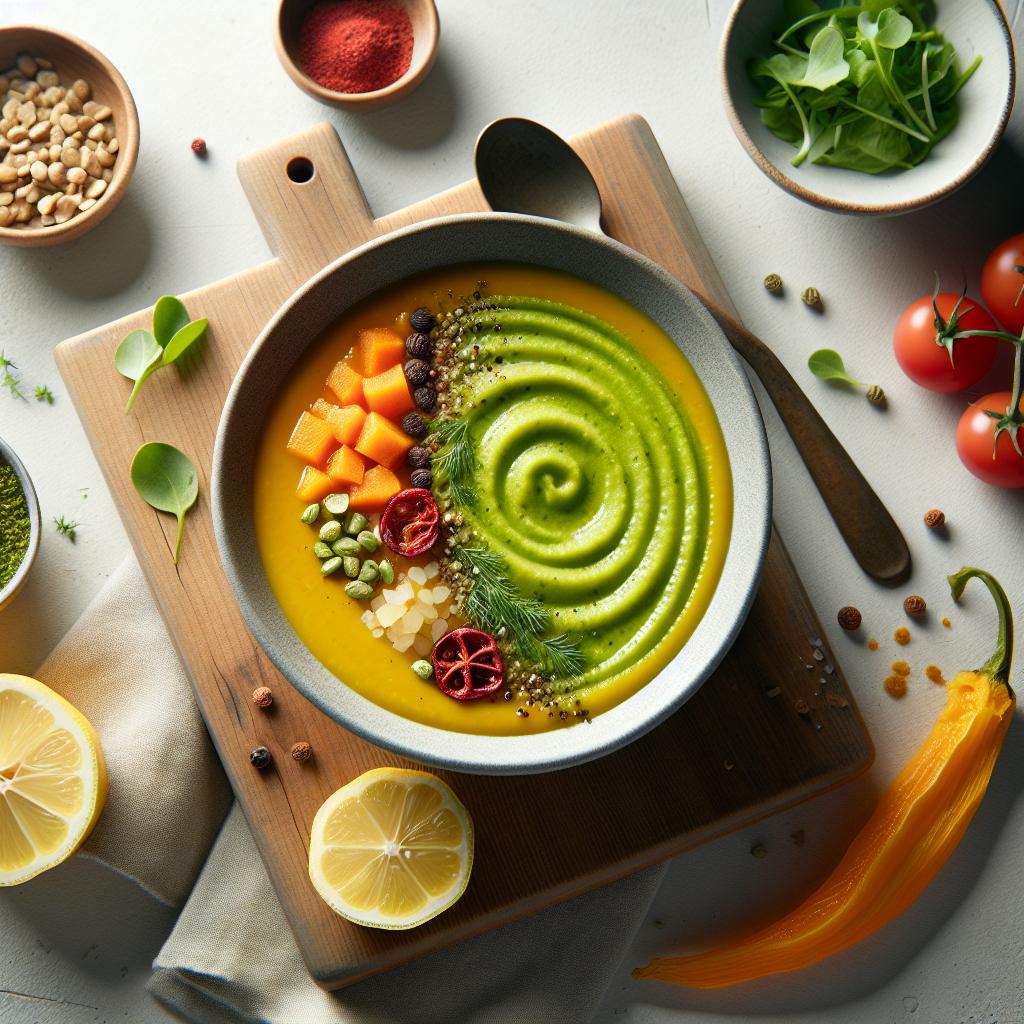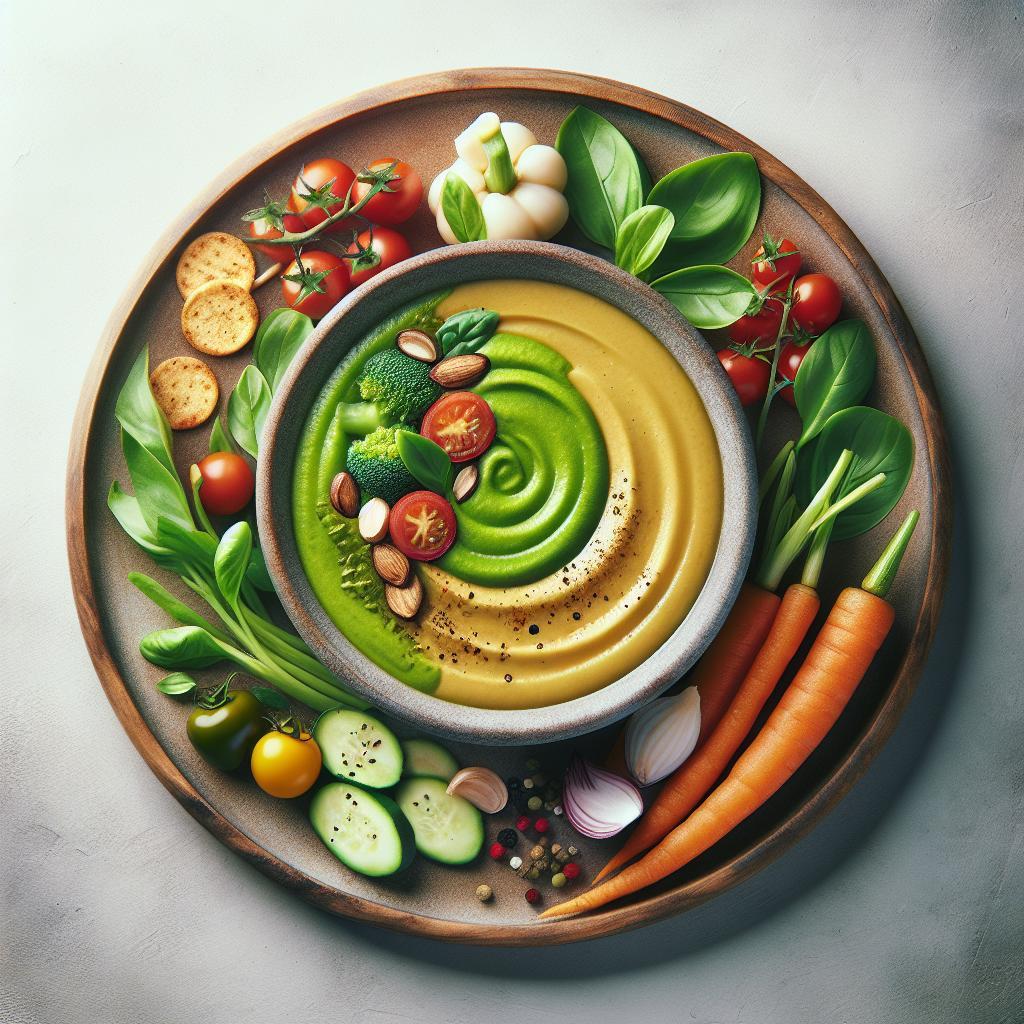

In the quiet, swirling world of pureed soups lies a universe of flavor waiting to be unlocked. Far from the humble starter they’re often mistaken for, these velvety creations are a canvas for culinary artistry-where texture and taste marry in seamless harmony. Mastering the art of pureed soups means understanding the delicate balance of ingredients, the rhythm of blending, and the subtle nuances that elevate a simple bowl into a sensory journey. Whether it’s the comforting warmth of a classic butternut squash or the unexpected zest of roasted red pepper, unlocking flavor in pureed soups transforms everyday vegetables into soulful masterpieces. Join us as we dive spoon-first into the secrets, techniques, and inspirations that empower you to craft pureed soups that are nothing short of extraordinary.
Unlocking flavor in every spoonful starts with thoughtfully selecting premium ingredients and mastering preparation techniques that coax out deep, layered tastes. The magic of a perfectly pureed soup lies not only in what you use but how you coax natural sweetness, earthiness, and richness from each component to build a dish full of character and complexity.
Prep and Cook Time
Prep Time: 20 minutes | Cook Time: 40 minutes
Yield
6 generous servings
Difficulty Level
Medium – approachable for home cooks aiming to refine their skills
Ingredients
- 4 cups vegetable or chicken broth, preferably homemade or low-sodium
- 1 large onion, finely chopped
- 3 cloves garlic, minced
- 2 cups diced carrots
- 2 cups diced butternut squash (fresh or frozen)
- 1 medium potato, peeled and cubed for creaminess
- 1 tablespoon extra virgin olive oil
- 1 teaspoon dried thyme, crushed
- 1/2 teaspoon smoked paprika for warmth
- Salt and freshly ground black pepper to taste
- 1/2 cup full-fat coconut milk or heavy cream for a velvety finish
- Fresh parsley or chives for garnish
Instructions
- Heat the olive oil in a large, heavy-bottomed pot over medium heat. Add the onion and sauté until translucent and soft, about 6-7 minutes. Stir occasionally to ensure even cooking without browning.
- Add the garlic, carrots, butternut squash, and potato. Cook, stirring frequently, for about 5 minutes to awaken the aromatics and lightly caramelize the vegetables.
- Sprinkle in the thyme and smoked paprika, stirring to evenly coat the vegetables. This step infuses the base with herbal and smoky notes crucial to deep flavor development.
- Pour in the broth and bring the mixture to a gentle boil. Reduce the heat, cover, and simmer for approximately 30 minutes, or until all the vegetables are fork-tender.
- Remove from heat and let cool slightly for easier blending. Using an immersion blender or transferring in batches to a high-speed blender, blend the soup until completely smooth and creamy. Return to heat if needed.
- Stir in the coconut milk or cream to enrich the texture and gently reheat the soup without boiling to preserve the freshness of the dairy or coconut.
- Season meticulously with salt and pepper, tasting repeatedly to strike the perfect balance between sweetness and savoriness.
Chef’s Notes
- To enhance umami, consider adding a splash of white wine or a teaspoon of miso paste during step 3.
- For a lower-fat alternative, omit the cream and finish with a swirl of Greek yogurt at serving.
- Make-ahead tip: The soup thickens upon refrigeration. Thin with extra broth or cream when reheating.
- Use an immersion blender for a safer and more controlled texture, avoiding over-blending which can cause separation.
- Substitute butternut squash with sweet potatoes or pumpkin for seasonal variations.
Serving Suggestions
Presentation transforms the soup into an experience. Ladle into warmed bowls and elevate the dish with creative garnishes:
- A drizzle of vibrant herb-infused oil (basil or parsley oil) for a glossy finish
- Crunchy toasted pumpkin seeds or a sprinkle of toasted pine nuts for texture contrast
- A dollop of crème fraîche or tangy Greek yogurt for creaminess and visual appeal
- Fresh chopped herbs like parsley, chives, or microgreens to brighten each bite
- Serve alongside crusty artisan bread or garlic crostini to soak up the luscious soup
| Nutrient | Per Serving |
|---|---|
| Calories | 180 |
| Protein | 4g |
| Carbohydrates | 28g |
| Fat | 6g |
Master this foundational method to consistently achieve beautifully velvety smooth texture and rich, enticing flavors that wow guests and satisfy home cooks alike. For those wanting to expand their soup repertoire, explore our Hearty Roasted Vegetable Soup post. For a deeper dive on the science of flavor layering, this resource from Serious Eats explains it brilliantly.

Q&A
Q&A: Unlocking Flavor – Mastering the Art of Pureed Soups
Q1: What makes pureed soups uniquely flavorful compared to other types of soups?
A1: Pureed soups unlock flavor by transforming ingredients into a smooth, creamy texture that allows every bite to deliver an even distribution of taste. This blending harmonizes individual flavors, intensifying aromas and creating a velvety richness that coats the palate, making the simplest vegetables burst with depth and character.
Q2: How important is the choice of ingredients in crafting a great pureed soup?
A2: The backbone of any exceptional pureed soup lies in its ingredients. Fresh, high-quality vegetables and aromatics are essential since the pureeing process highlights every note. Using seasonal produce ensures vibrant flavors, while complementary herbs and spices enhance the profile without overpowering the natural essence of the base ingredients.
Q3: What are the key techniques to master when preparing pureed soups?
A3: Mastery starts with proper cooking: vegetables should be tender enough to blend smoothly but not overcooked to avoid dull flavors. Next is balancing liquid-too much can water down the soup; too little can make it too thick. Finally, blending is an art-using a powerful blender or immersion blender ensures a silky texture. Seasoning progressively and tasting frequently helps in achieving that perfect harmonious flavor.
Q4: Can adding cream or dairy enhance pureed soups, or does it detract from their natural essence?
A4: Cream or dairy can add a luscious silkiness that elevates pureed soups, creating a comforting mouthfeel. However, they should be used thoughtfully-added at the end to preserve brightness of flavor and avoid overpowering the soup’s essence. Alternatives like coconut milk or nut-based creams provide fantastic dairy-free options that amplify flavor without masking it.
Q5: How can I make my pureed soups stand out and feel gourmet?
A5: Elevate your soup by layering flavors-start with sautéed onions, garlic, or leeks, deglaze with wine or broth, and finish with fresh herbs or a drizzle of good-quality infused oil. Incorporate contrasting textures like crispy croutons or toasted seeds as garnish. A touch of acidity, like a splash of lemon or vinegar, can also brighten the flavors, giving your pureed soup that unforgettable gourmet edge.
Q6: What are some common pitfalls to avoid when making pureed soups?
A6: Avoid under-seasoning, as pureed soups can easily turn bland without proper salt and spice balance. Overcooking vegetables can flatten the taste and muddle the color. Also, don’t rush the blending-ensure a thorough, smooth puree for the best texture. Lastly, be cautious with liquid ratios; too much water or broth can dilute flavor and compromise richness.
Q7: Are pureed soups adaptable to various dietary preferences?
A7: Absolutely! Pureed soups are naturally versatile-perfect for vegan, gluten-free, and low-fat diets. By swapping out dairy for plant-based milk or cream, and using vegetable broth, you can create nourishing soups that cater to diverse nutritional needs without sacrificing flavor or texture.
Q8: Any final tips for aspiring pureed soup artisans?
A8: Embrace experimentation and trust your palate! Play with unexpected ingredient combinations-roasted root vegetables, exotic spices, or bright citrus accents. Remember, pureed soups are canvas-like; each blend is a delicious opportunity to express creativity and unlock new dimensions of taste with every spoonful.
Closing Remarks
As you embark on your culinary journey with pureed soups, remember that unlocking their full flavor is both an art and a science-a delicate dance of textures, aromas, and seasonings. By mastering techniques like roasting, seasoning judiciously, and blending to the perfect consistency, you elevate humble ingredients into silky, vibrant masterpieces. So, don your apron, experiment boldly, and savor every spoonful of your creations-because in the world of pureed soups, flavor is the ultimate reward waiting to be uncovered.