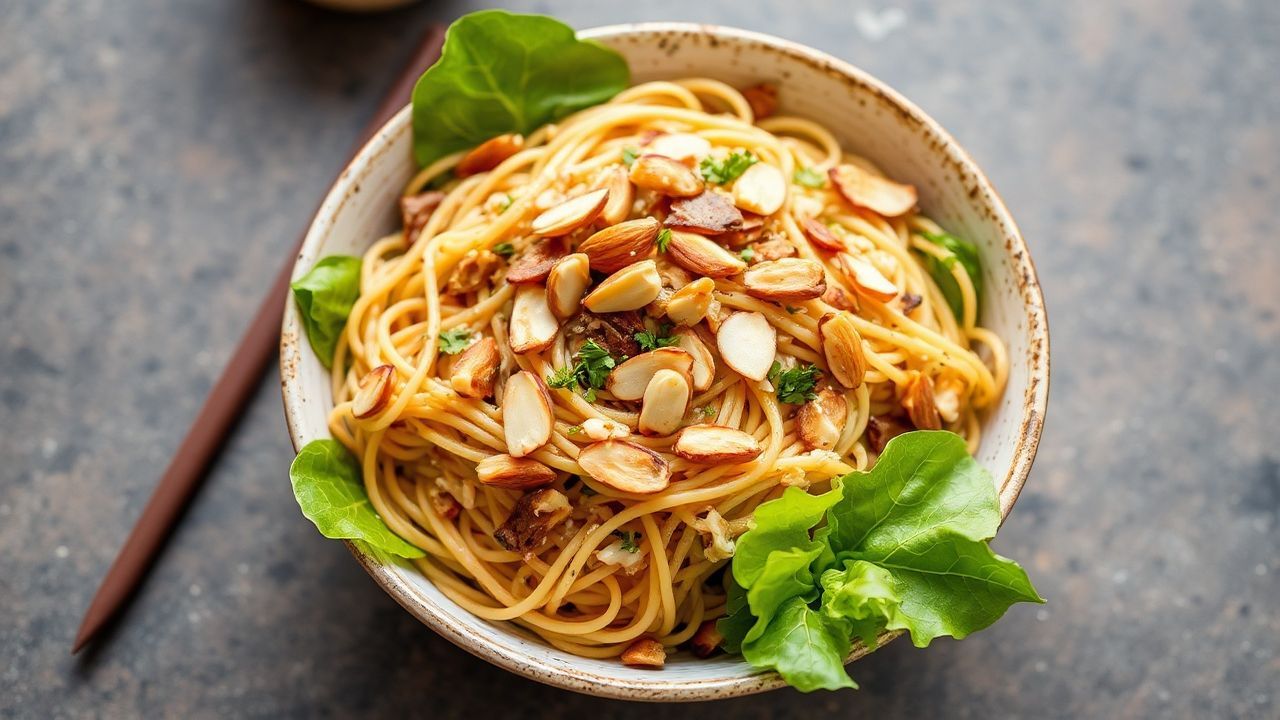

At any backyard barbecue, amidst the heavy platters of ribs and burgers, a vibrant bowl of Ramen Salad is often the first dish to disappear. It offers a refreshing escape from the heat, delivering an explosion of textures—the snap of fresh cabbage, the buttery richness of toasted almonds, and the iconic shatter of crisped noodles. This dish is more than a simple side; it is a calculated balance of salt, acid, and fat that transforms humble pantry staples into a potluck masterpiece.
- The Cultural Evolution of the Modern Ramen Salad
- Essential Ingredients for a High-Impact Ramen Salad
- Mastering the Dressing for Your Ramen Salad
- Step-by-Step Preparation of the Ultimate Ramen Salad
- Nutritional Breakdown of a Classic Ramen Salad
- Pro-Tips for Elevating Your Ramen Salad Experience
- Frequently Asked Questions About Ramen Salad
- The Science of the Crunch: Learn the precise method of toasting noodles to ensure they stay crisp even after being dressed.
- Dressing Ratios: Discover the ideal balance of rice vinegar to toasted sesame oil for a professional-grade finish.
- Leaf Selection: Why Napa cabbage and scallions provide a superior structural base compared to standard green cabbage.
- Prep Strategy: Master the art of component storage to maintain peak freshness for high-volume catering or meal prep.
The Cultural Evolution of the Modern Ramen Salad
The history of this dish is an interesting journey in culinary fusion, blending Eastern ingredients with Western potluck traditions. While traditional Japanese ramen focuses on rich broths and chewy noodles, this cold variation emerged as a creative way to use instant noodles in a dry, salad-based format. This transformation allows the noodles to take on a completely different character, moving from a soft soup element to the structural, crunchy component that defines the entire experience.
As home kitchens in the late 20th century sought quick recipes with high impact, the versatility of the noodle packet became a secret weapon. Cooks realized that by bypassing the boiling process and opting for dry-toasting, they could create a shelf-stable “crouton” with unique ridges and valleys. This innovation paved the way for a global obsession, making the salad a staple at social gatherings where durability and flavor are equally prioritized.
Why Ramen Salad Remains a Potluck Staple
The enduring popularity of Ramen Salad stems from its durability. Unlike delicate leaf-based salads that wilt within minutes of dressing, the hardy cruciferous base of this recipe actually improves as it marinates. The cabbage absorbs the dressing’s nuances while maintaining its structural snap, ensuring that the last guest in the buffet line receives the same quality as the first.
Furthermore, the dish appeals to a wide demographic by balancing savory umami with a hint of sweetness. It bridges the gap between a light vegetable dish and a satisfying grain-based salad, providing a complex mouthfeel that keeps guests returning for seconds. Its ability to be customized with various proteins like grilled chicken or edamame makes it an indispensable tool for any host.
Essential Ingredients for a High-Impact Ramen Salad
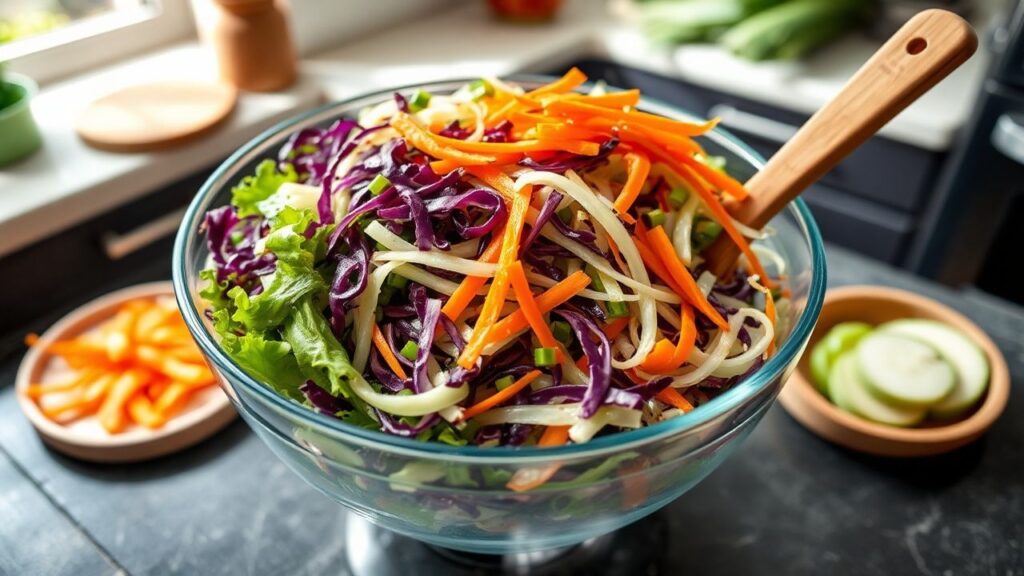
Creating an elite Ramen Salad requires moving beyond basic grocery store kits. The foundation should be Napa cabbage; its crinkled surface holds onto the dressing far better than the dense, waxy leaves of standard round cabbage. Mixing in shredded purple cabbage adds a visual pop and introduces a slight peppery note that balances the sweetness of the vinaigrette.
Secondary vegetables should provide a contrast in both shape and flavor. Julienned carrots offer a natural sweetness and a firm bite, while thinly sliced scallions provide a sharp, aromatic punch. For a more robust profile, adding steamed edamame or thinly sliced snow peas elevates the dish from a simple side to a nutrient-packed centerpiece.
Selecting the Right Noodle Base
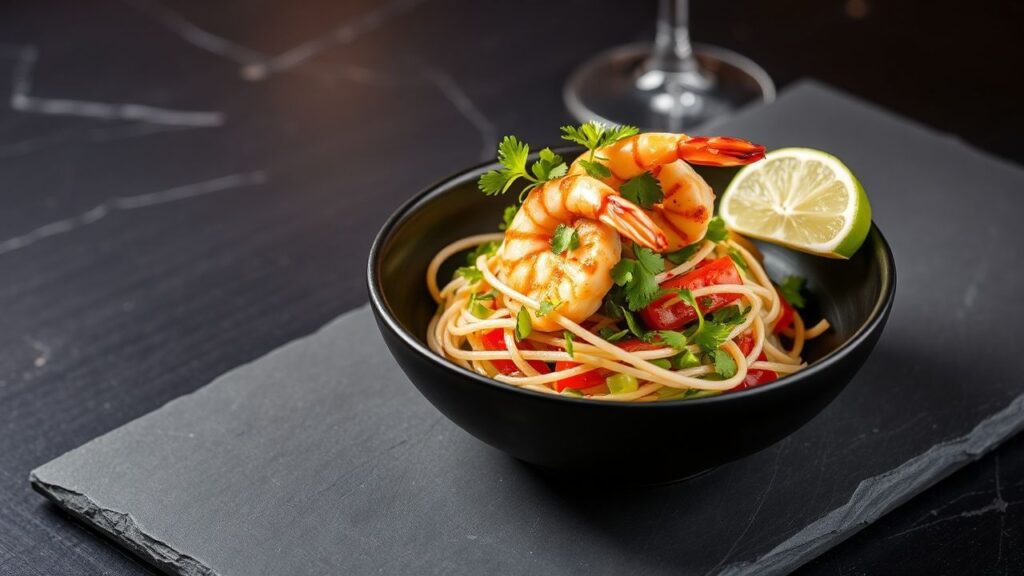
The texture of the salad is significantly influenced by the brand and thickness of the noodle. Thinner noodles toast quickly and provide a delicate, lace-like crunch. Conversely, thicker noodles offer a substantial, cracker-like bite that stands up well to heavier dressings or the addition of grilled shrimp. Look for brands that aren’t overly oily out of the package to ensure a clean flavor after toasting.
While some enthusiasts incorporate the included seasoning packet into the dressing for extra savory depth, many cooks prefer to discard it. This allows for total control over sodium levels and ensures the fresh ginger and garlic notes aren’t overshadowed by artificial flavor enhancers. If you do use the packet, reduce the added salt in your dressing accordingly.
Mastering the Dressing for Your Ramen Salad
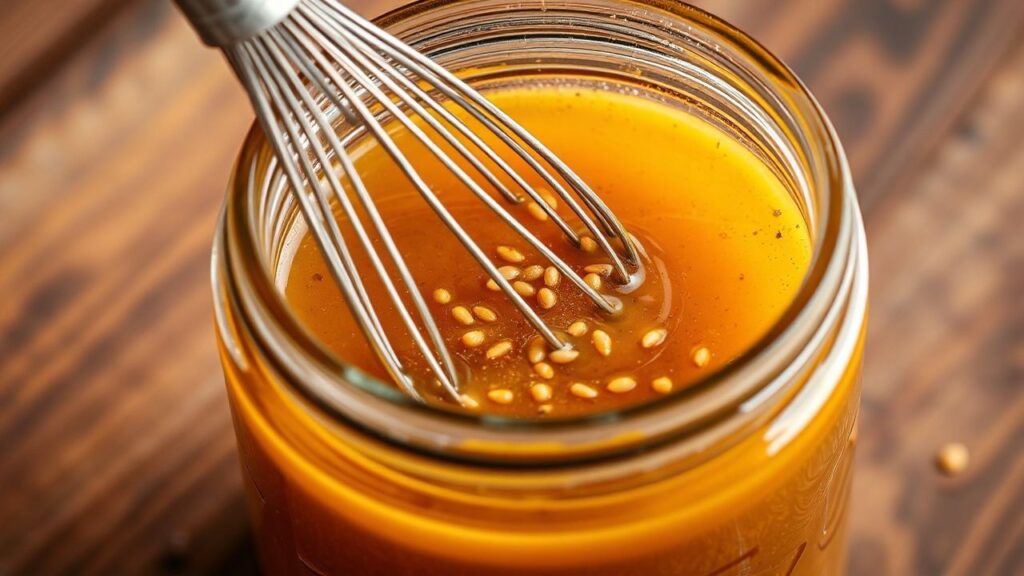
The dressing is the soul of the dish, acting as the bridge between the crisp vegetables and the toasted grains. A professional-grade vinaigrette must achieve equilibrium between the acidity of rice vinegar and the savory depth of soy sauce. Using a naturally brewed soy sauce ensures a clean umami flavor without the chemical aftertaste found in cheaper, mass-produced alternatives.
Emulsification is the secret to a dressing that coats every leaf rather than pooling at the bottom. By slowly whisking a neutral oil, such as avocado or grapeseed, with a smaller portion of toasted sesame oil, you create a silky texture that clings to the ingredients. A sweetener—like honey, agave, or organic cane sugar—is vital to counteract the sharp vinegar and enhance the natural flavors of the fresh produce.
The Role of Aromatics and Spices
To differentiate your Ramen Salad from standard versions, use fresh aromatics. Freshly grated ginger provides a zesty heat and a floral aroma that brightens the entire bowl, while minced garlic adds a foundational pungency. These elements interact with the oils over time, deepening the flavor profile as the salad sits; this is why preparing the dressing a few hours in advance is highly recommended.
For those who enjoy heat, adding crushed red pepper flakes or a teaspoon of chili crisp introduces a modern dimension. This spice works in tandem with the toasted sesame notes to create a profile reminiscent of authentic Szechuan salads. Always taste the dressing on a piece of cabbage before final assembly to ensure the salt-to-acid balance is correct.
Step-by-Step Preparation of the Ultimate Ramen Salad
The assembly of a Ramen Salad rewards precision, particularly regarding the handling of the noodles. Begin by crushing the dry noodles while they are still inside the package to contain the crumbs, aiming for bite-sized pieces. Once crushed, spread them on a baking sheet alongside your choice of nuts—almonds or sunflower seeds are classic choices—and toast until they reach a deep golden hue.
While the toasted elements cool, prepare the vegetable base by washing and thoroughly drying the cabbage. Any excess moisture on the leaves will dilute the dressing and cause the salad to become soggy. Use a salad spinner or clean kitchen towels to ensure every ribbon of cabbage is bone-dry before mixing, as this ensures maximum dressing adhesion.
Toasting the Noodles to Perfection
Achieving the perfect crunch requires careful monitoring. Because the noodles are high in starch and often contain small amounts of oil from the manufacturing process, they can transition from golden to burnt in seconds. Set a timer and toss the noodles halfway through the toasting process to ensure even color and a uniform texture across the batch.
Once removed from the oven, the noodles must cool completely to room temperature. Adding hot noodles to cold vegetables causes the cabbage to sweat, compromising the structural integrity of the dish. This cooling period is also when the noodles fully harden, reaching the peak “shatter” potential that makes the salad so addictive.
Nutritional Breakdown of a Classic Ramen Salad
The cabbage base offers an abundance of fiber, Vitamin C, and Vitamin K, making it a high-volume filler that promotes satiety. However, the caloric density primarily comes from the noodles and the oil-based dressing. A standard serving typically contains between 250 and 350 calories, depending on the noodle-to-vegetable ratio and the amount of sweetener used.
To improve the nutritional profile, use heart-healthy fats like avocado oil and increase the proportion of colorful vegetables. Reducing the amount of soy sauce or switching to a low-sodium version can help manage salt intake without sacrificing the overall flavor profile. The inclusion of healthy fats from sesame oil and almonds also aids in the absorption of fat-soluble vitamins found in the cabbage and carrots.
Balancing the Plate
The macronutrient split of a typical Ramen Salad leans towards carbohydrates and fats, which is why adding a lean protein is a popular upgrade. Incorporating grilled chicken breast, tofu, or shelled edamame shifts the ratio to favor protein, making the salad a more complete meal. This adjustment is particularly beneficial for those who want to enjoy the dish as a sustaining lunch rather than just a side.
While the instant noodles are a processed ingredient, their role as a textural accent allows for a flexible approach to healthy eating. Moderation in the noodle-to-vegetable ratio is the key to enjoying this dish as part of a balanced, wellness-focused lifestyle.
Pro-Tips for Elevating Your Ramen Salad Experience
To take your salad from a standard home-cooked meal to restaurant-quality, focus on the finishing touches. A generous garnish of toasted black and white sesame seeds adds a professional look and extra nuttiness. Similarly, fresh cilantro or mint leaves should be torn and folded in at the last second to provide a burst of herbal freshness that lightens the toasted flavors.
Another elite technique involves using acid beyond just the vinegar in the dressing. A final squeeze of fresh lime juice over the plated salad provides a top-note of brightness that rice vinegar alone cannot achieve. This “double-acid” approach ensures that every layer of the dish is seasoned and prevents the flavors from becoming one-dimensional during a long event.
Advanced Flavor Infusions
To truly impress, consider infusing the oil used in the dressing. Gently heating the oil with smashed garlic cloves and a knob of ginger, then cooling and straining it, creates a base permeated with flavor. This ensures that the aromatic profile is integrated into every drop of dressing, rather than relying solely on the pieces of minced garlic distributed throughout the bowl.
Experimenting with different nuts can also yield surprising results. While almonds are traditional, toasted cashews or macadamia nuts offer a creamier texture. For a nut-free version that doesn’t lose the impact, toasted pepitas or hemp hearts provide a similar textural contrast while keeping the dish safe for those with allergies.
Frequently Asked Questions About Ramen Salad
Can I make Ramen Salad ahead of time?
Yes, you can prepare the components up to two days in advance. Store the shredded cabbage and vegetables in one container, the whisked dressing in a jar, and the toasted noodle mixture in an airtight bag at room temperature. Combine them only when you are ready to serve to keep the noodles crunchy.
What can I use as a gluten-free substitute for ramen noodles?
For a gluten-free version, substitute traditional wheat-based noodles with toasted gluten-free ramen made from brown rice or millet. Alternatively, toasted buckwheat groats or crispy rice cereal can provide a similar texture. Ensure you use tamari or liquid aminos in place of standard soy sauce.
How do I stop the noodles from getting soggy in leftovers?
The only foolproof way is to keep the noodles separate from the dressed vegetables. If the salad is already mixed, the noodles will inevitably soften as they absorb moisture. However, some people enjoy the “soft-crunch” texture of the second-day salad, as the noodles take on a pasta-like quality while retaining some bite.
Is Ramen Salad served hot or cold?
The classic Ramen Salad is served cold or at room temperature, making it ideal for picnics and summer meals. The cooling nature of the raw cabbage provides a refreshing contrast to grilled meats. While the noodles are toasted in an oven, they should be cooled completely before being added to the salad.
Can I add fruit to my Ramen Salad?
Incorporating fruit is an excellent way to add a sweet dimension. Mandarin oranges or thinly sliced mango are popular additions that complement the Asian-inspired flavors. The sweetness of the fruit balances the salty soy sauce and earthy sesame oil, creating a more festive flavor profile for summer variations.
The success of your Ramen Salad depends on the harmony between its disparate parts. By respecting the science of the crunch and the balance of the dressing, you create a dish that transcends its simple ingredients. Whether serving a large crowd or preparing a quiet meal at home, this recipe offers a reliable, delicious, and endlessly customizable solution for any occasion.
See also: Ramen Salad