
Key Takeaways:
- The art of chickpea curry with coconut milk lies in balancing aromatics, spice, and the inherent creaminess of the coconut.
- Proper toasting of spices is paramount for unlocking their full aromatic potential.
- The texture of the chickpeas themselves can be manipulated for a more nuanced dish.
- Coconut milk’s fat content significantly impacts the final richness and mouthfeel.
The genesis of chickpea curry, or *chana masala* as it is known in its most celebrated Indian iterations, is a story woven into the very fabric of South Asian culinary history. While the precise origins are lost to the mists of time, the chickpea itself, *Cicer arietinum*, boasts a lineage stretching back thousands of years to the Fertile Crescent. Its widespread cultivation and adaptability meant it became a dietary staple across diverse cultures. When paired with the aromatic bounty of Indian spices and the increasingly accessible coconut milk, which arrived via trade routes from Southeast Asia, a culinary alchemy occurred. The creamy, slightly sweet profile of coconut milk provided a perfect counterpoint to the earthy, robust flavours of chickpeas and the complex symphony of spices like cumin, coriander, turmeric, and garam masala. This combination transcends mere flavour; it creates a dish that is both deeply satisfying and remarkably adaptable, proof of its enduring appeal.
- The Anatomy of an Exemplary Chickpea Curry
- Ingredients: The Foundation of Flavour
- The Method: A Step-by-Step Journey to Culinary Nirvana
- Nutritional Profile: A Wholesome Indulgence
- Elevating Your Chickpea Curry to Gastronomic Heights
- The Art of Spice Blending and Toasting
- Texture is Paramount: Manipulating the Chickpeas
- Coconut Milk: A Study in Fat Content
- The Power of Acidity and Freshness
- Serving Suggestions: The Perfect Companions
- Frequently Asked Questions
The Anatomy of an Exemplary Chickpea Curry
Crafting an exceptional chickpea curry with coconut milk is an exercise in understanding flavour layering and textural contrast. It’s about coaxing out the inherent sweetness of the onions and tomatoes, the warmth of the spices, and the rich, unctuous quality of the coconut milk, all while ensuring the humble chickpea remains the star. This is not a dish to be rushed; patience, particularly in the initial stages of building the flavour base, is a virtue that will be richly rewarded.
Ingredients: The Foundation of Flavour
The selection and quality of your ingredients will fundamentally dictate the outcome. Think of this as assembling a palette for a culinary masterpiece.
For the Base Aromatics:
- 2 tablespoons Ghee or neutral oil (such as coconut or vegetable oil)
- 1 large Onion, finely chopped (approx. 200g)
- 3-4 cloves Garlic, minced (approx. 15g)
- 1-inch piece Ginger, grated or finely minced (approx. 10g)
- 1-2 Green Chillies, finely chopped (adjust to your heat preference; seeds removed for less heat)
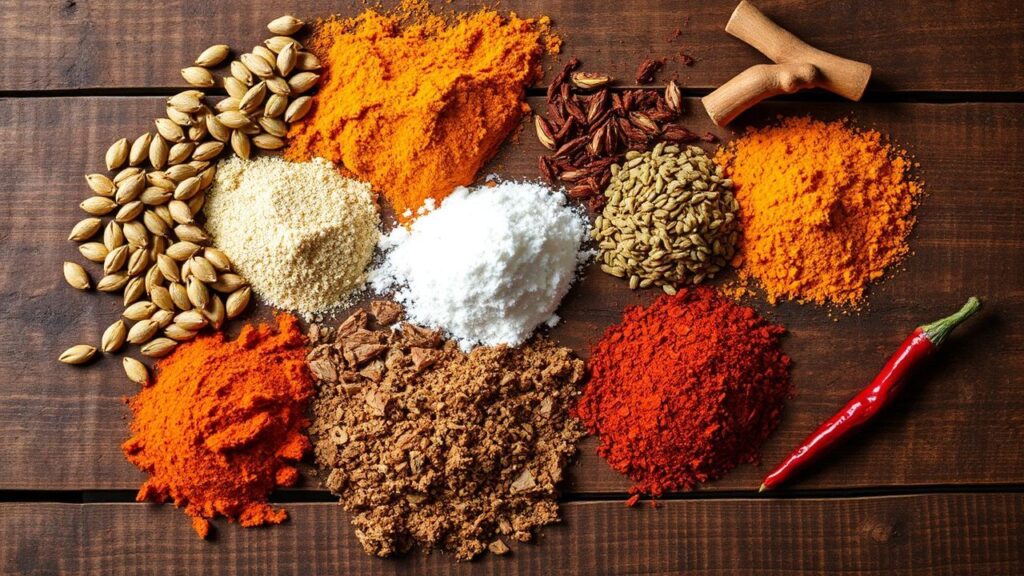
For the Spice Symphony:
- 1 teaspoon Cumin seeds
- 1 teaspoon Coriander seeds, lightly crushed (optional, for deeper flavour)
- ½ teaspoon Turmeric powder
- 1 teaspoon Ground Cumin
- 1 teaspoon Ground Coriander
- ½ teaspoon Garam Masala (high quality is essential)
- ¼ teaspoon Cayenne Pepper or Red Chilli Powder (adjust to taste)
- Salt, to taste
The Heart of the Dish:
- 1 x 14.5 oz (400g) can Diced Tomatoes, undrained, or 2-3 large ripe Tomatoes, finely chopped
- 1 x 13.5 oz (400ml) can Full-fat Coconut Milk (crucial for richness; light will result in a thinner curry)
- 2 x 15 oz (400g) cans Chickpeas, rinsed and drained (or equivalent dried chickpeas, soaked and cooked)
For Finishing Touches:
- Fresh Coriander (cilantro), chopped, for garnish
- A squeeze of fresh Lime or Lemon juice (to brighten flavours)
The Method: A Step-by-Step Journey to Culinary Nirvana
This recipe is designed for clarity and precision, but feel free to imbue it with your own intuition as you gain confidence. The nuances of cooking are often discovered through personal experimentation.
Building the Flavour Foundation
Begin by heating the ghee or oil in a heavy-bottomed pot or Dutch oven over medium heat. Once shimmering, add the cumin seeds and coriander seeds (if using). Allow them to sizzle and pop for about 30-60 seconds until fragrant. This initial toasting is critical for releasing their essential oils and unlocking their full aromatic potential. A common misstep is to add whole spices to cold oil, which results in a muted flavour profile.
Introduce the finely chopped onion to the pot. Stir well to coat it in the fragrant oil. Sauté the onions patiently, stirring occasionally, until they are softened and translucent, taking on a gentle golden hue. This process can take 8-10 minutes. Avoid the temptation to rush this stage; well-caramelized onions provide a deep, sweet foundation for the entire dish. Subsequently, add the minced garlic, grated ginger, and chopped green chillies. Cook for another 1-2 minutes until fragrant, ensuring the garlic does not burn, which would impart a bitter taste.
Infusing the Spices
Now, it’s time to introduce the ground spices. Add the turmeric powder, ground cumin, ground coriander, garam masala, and cayenne pepper (or red chilli powder) to the pot. Stir continuously for about 1 minute, allowing the spices to toast in the residual oil. This brief toasting period awakens their flavours and deepens their colour. The aroma at this stage should be intoxicatingly complex.
Pour in the diced tomatoes (or chopped fresh tomatoes). Stir everything together, scraping up any browned bits from the bottom of the pot. Cook for 5-7 minutes, stirring occasionally, until the tomatoes have broken down and the oil begins to separate slightly from the mixture. This visual cue indicates that the tomato acidity has mellowed and the flavours are beginning to meld. Season generously with salt at this stage.
The Embrace of Coconut Milk and Chickpeas
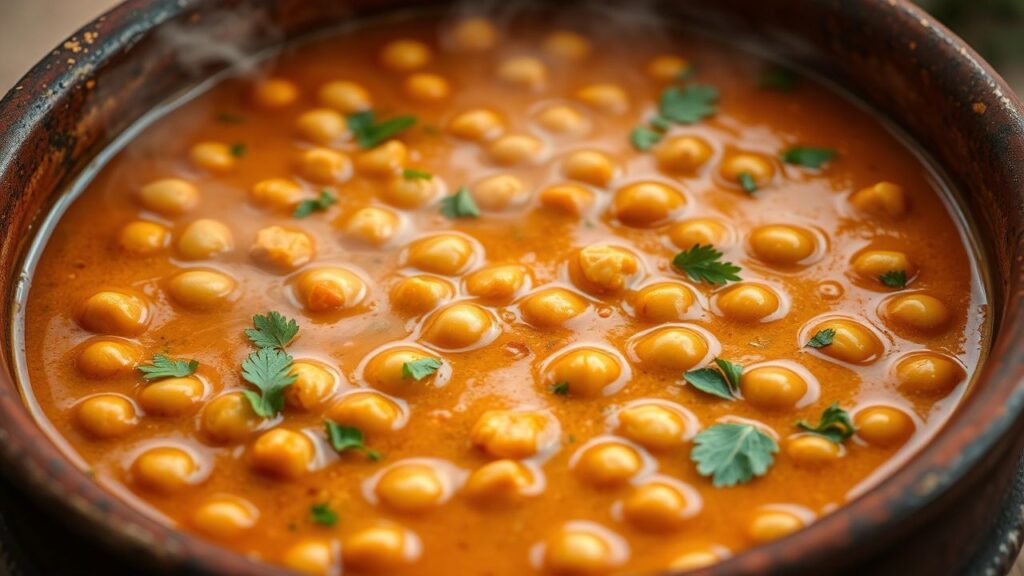
Introduce the full-fat coconut milk to the pot. Stir well to combine it with the onion-tomato-spice base. Bring the mixture to a gentle simmer. Once simmering, add the rinsed and drained chickpeas. Stir to ensure they are fully submerged in the liquid. Reduce the heat to low, cover the pot, and let the curry simmer gently for at least 20-30 minutes. This simmering time allows the flavours to meld and deepen, and for the chickpeas to absorb the aromatic broth.
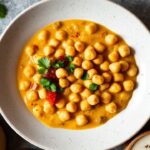
For a richer, more textural curry, consider mashing a small portion of the chickpeas against the side of the pot with your spoon during the simmering process. This releases some of their starch, naturally thickening the sauce without the need for additional thickeners and providing a more satisfying mouthfeel. The curry is ready when the sauce has thickened to your desired consistency and the flavours are harmonious. Taste and adjust seasoning, adding more salt, chilli, or a pinch of sugar if needed to balance the flavours.
Nutritional Profile: A Wholesome Indulgence
While flavour is paramount, understanding the nutritional contribution of this chickpea curry offers another layer of appreciation. This dish is a powerhouse of plant-based protein and fibre, making it an excellent option for vegetarians, vegans, and anyone seeking a more wholesome meal.
Approximate Nutritional Information per Serving (assuming 4 servings):
| Nutrient | Amount |
|---|---|
| Calories | ~450-550 kcal |
| Protein | ~15-20g |
| Fat | ~25-35g (primarily from coconut milk and ghee/oil) |
| Saturated Fat | ~15-20g |
| Carbohydrates | ~40-50g |
| Fibre | ~10-15g |
| Sodium | Variable, depending on added salt |
The variability in calorie and fat content is primarily due to the type and amount of coconut milk used, as well as the quantity of oil or ghee employed in the initial sautéing. Full-fat coconut milk, while contributing to a richer flavour and creamier texture, will naturally increase the fat and calorie count. Conversely, using a lighter coconut milk or less oil will reduce these figures, but at the potential cost of that luxurious mouthfeel.
The significant fibre content is a major health benefit, aiding in digestion and promoting satiety, which can be instrumental in weight management. Furthermore, chickpeas are a good source of essential minerals such as iron, magnesium, and potassium, contributing to overall well-being. The spices themselves, particularly turmeric with its active compound curcumin, are lauded for their anti-inflammatory properties, adding a health-conscious dimension to this comforting dish.
Elevating Your Chickpea Curry to Gastronomic Heights
While the foundational recipe is robust, there are several refinements and considerations that can elevate your chickpea curry from merely good to truly exceptional, rivaling those found in the finest establishments. These are the subtle touches that demonstrate a deep understanding of flavour dynamics.
The Art of Spice Blending and Toasting
The quality of your spices is non-negotiable. Opt for whole spices whenever possible, grinding them just before use for maximum fragrance. For instance, toasting cumin and coriander seeds until they are deeply fragrant before grinding them into a powder for the curry base will impart a complexity that pre-ground spices simply cannot replicate. This is a fundamental technique in many South Asian cuisines, understood implicitly by experienced cooks.
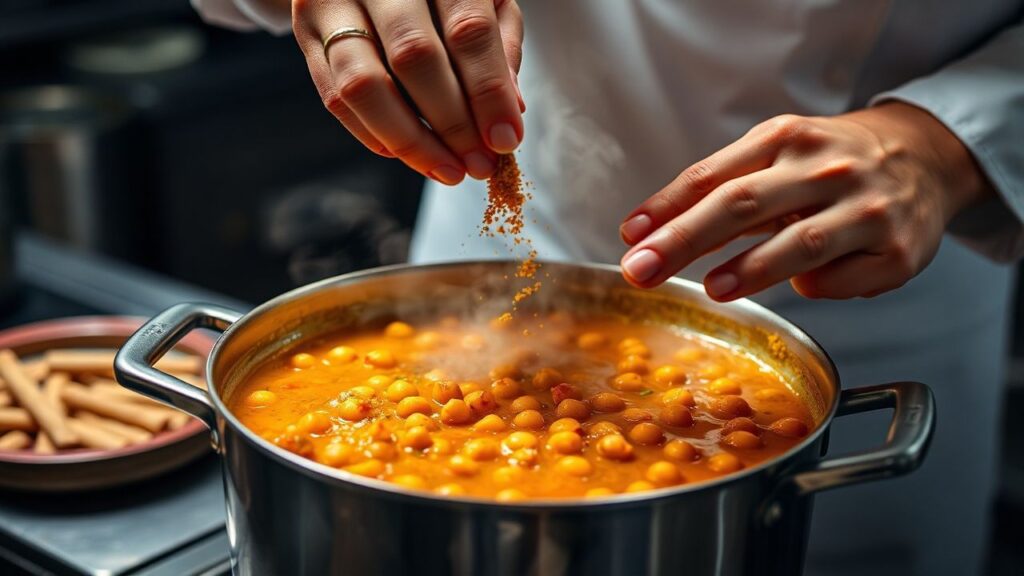
Consider the order of spice addition. Blooming ground spices in oil before adding liquids, as outlined in the recipe, is crucial. This process, known as *tarka* or *tadka* in Indian cuisine, allows the fat-soluble flavour compounds to dissolve into the oil, creating a more integrated and potent spice profile. A slightly longer sauté of the ground spices, perhaps for an additional 30 seconds, until they darken slightly but do not burn, can unlock even deeper, roasted notes. This subtle manipulation of heat and time is where mastery begins.
Texture is Paramount: Manipulating the Chickpeas
The texture of the chickpeas themselves can significantly impact the final dish. While using canned chickpeas is convenient, they can sometimes be a touch too firm or uniform. For a more nuanced texture, consider cooking dried chickpeas from scratch. This allows for greater control over their tenderness. Soak them overnight, then simmer them until they are tender but not mushy. Some chefs advocate for slightly undercooking them in the initial boiling, then finishing their cooking within the curry sauce itself, allowing them to absorb flavours more deeply.
As mentioned, partially mashing some of the chickpeas against the side of the pot is a simple yet highly effective technique. This breaks down their cellular structure, releasing starch that naturally thickens the sauce and creates a more luxurious, almost velvety mouthfeel. It also adds a pleasing textural variation, moving away from a uniform consistency. Another advanced technique involves reserving a small portion of the cooked chickpeas, lightly mashing them into a paste with a little water, and then stirring this paste back into the curry towards the end of cooking. This further enhances the creaminess and body of the sauce.
Coconut Milk: A Study in Fat Content
The choice of coconut milk is perhaps one of the most critical decisions in this recipe. Full-fat coconut milk, typically containing around 17-20% fat, is essential for achieving a rich, creamy, and deeply satisfying curry. The fat in the coconut milk not only contributes to the luxurious mouthfeel but also acts as a carrier for the fat-soluble flavour compounds from the spices and aromatics, enhancing their overall impact.
Light coconut milk or coconut-flavoured beverages, while lower in fat and calories, will result in a thinner, less flavourful, and less satisfying curry. The visual and textural difference is substantial. When choosing a brand of full-fat coconut milk, look for those with minimal additives and a good separation of cream at the top; this often indicates a higher quality product. Some chefs even advocate for using only the thick cream from the top of a chilled can of coconut milk for an exceptionally decadent curry, though this is a more advanced and potentially wasteful approach for everyday cooking.
Real-world Insight: During a culinary masterclass in Kerala, India, a renowned chef emphasized the importance of “tempering the coconut milk.” This involves gently simmering the coconut milk with a pinch of salt and a few curry leaves (if you’re using them in your curry) before adding it to the main curry base. This process helps to prevent the coconut milk from splitting or curdling when added to the hotter base and also infuses it with subtle aromatic notes. While not strictly necessary for all chickpea curries, it’s a technique that can refine the final texture and flavour.
The Power of Acidity and Freshness
A common oversight in many homemade curries is the lack of sufficient acidity to balance the richness. Just before serving, a generous squeeze of fresh lime or lemon juice is not merely a garnish; it’s a flavour enhancer. The bright, sharp acidity cuts through the richness of the coconut milk and spices, awakening the palate and making the entire dish taste more vibrant and complex. Think of it as the final brushstroke that brings the painting to life.
Fresh herbs, particularly coriander (cilantro), matter significantly in adding freshness and a herbaceous counterpoint to the deep, savoury flavours. Don’t skimp on the garnish. A generous handful of freshly chopped coriander stirred in at the last minute, or sprinkled generously over the finished dish, adds a burst of bright, clean flavour that complements the warmth of the spices beautifully. Experimenting with other fresh herbs like mint or even a small amount of finely chopped Thai basil can also introduce intriguing new dimensions.
Serving Suggestions: The Perfect Companions
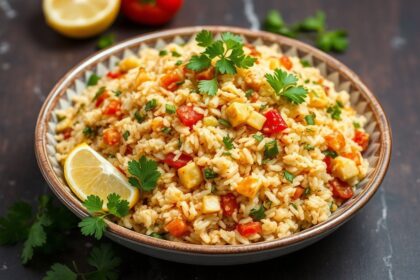
A truly magnificent chickpea curry deserves equally distinguished accompaniments. The traditional pairing of basmati rice is, of course, a classic for a reason. The fluffy, fragrant grains are the perfect vehicle for scooping up every last drop of the flavourful sauce. However, don’t limit yourself.
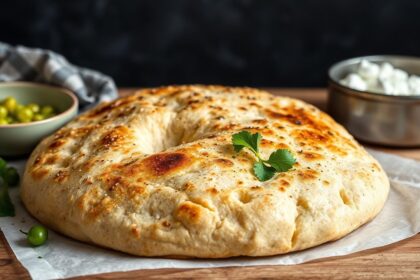
Warm, pillowy naan bread, whether plain or garlic-infused, offers a delightful chewy contrast. For a lighter option, consider serving with whole wheat roti or chapati. A dollop of cooling plain yogurt or a vegan alternative can provide a welcome respite from the warmth of the spices, especially if you’ve opted for a spicier rendition.
Beyond starches, consider adding a fresh, crisp side salad or a simple cucumber raita to complete the meal. The textural and temperature contrasts enhance the overall dining experience. A small bowl of pickled onions or a side of mango chutney can also add pops of flavour and acidity that elevate the dish further. The key is to create a balanced plate where each component complements, rather than competes with, the star of the show: the chickpea curry.
Frequently Asked Questions
Q1: How can I make my chickpea curry spicier?
To increase the heat level of your chickpea curry, there are several effective strategies. The most direct approach is to increase the amount of cayenne pepper or red chilli powder used in the spice blend. For a more nuanced heat, consider adding finely chopped fresh green or red chillies along with the ginger and garlic. If you enjoy a smoky heat, smoked paprika can also be a delicious addition. For those who crave intense heat, consider incorporating a small amount of fresh bird’s eye chillies or even a dash of a high-quality hot sauce stirred in towards the end of cooking. Remember to taste and adjust gradually, as chilli heat can intensify as the curry simmers.
Q2: My chickpea curry sauce is too thin. How can I thicken it?
A thin sauce is a common issue, but easily rectified. The most effective method, as discussed, is to mash a portion of the chickpeas against the side of the pot. This releases their natural starches, which act as a thickening agent. Another approach is to simmer the curry uncovered for an extended period, allowing excess liquid to evaporate. For a quicker fix, you can create a slurry of cornstarch or arrowroot powder mixed with a little cold water and then stir it into the simmering curry. Allow it to cook for a minute or two until thickened. Alternatively, consider pureeing a small amount of the cooked chickpeas with a little of the curry liquid and stirring this paste back into the pot.
Q3: Can I make this chickpea curry ahead of time?
Absolutely. In fact, chickpea curry often tastes even better the next day as the flavours have more time to meld and deepen. When reheating, gently warm the curry over low heat, adding a splash of water or vegetable broth if it has become too thick. Avoid boiling vigorously, as this can affect the texture of the coconut milk. It’s advisable to add fresh garnishes like coriander and a squeeze of lime juice just before serving to maintain their vibrant freshness.
See also: Chickpea curry