
Sharing the Plate: Understanding the Division of Feeding Roles
In the intricate dance of nature, the act of feeding is rarely a solitary endeavor. Across species and cultures, the sharing of food reveals a fascinating tale—not just of survival, but of cooperation, strategy, and social bonds. This exploration dives into that captivating dynamic, uncovering how and why different members within groups carve out distinct roles at the table. From the hunter who procures the meal to the nurturer who sustains the young, the division of feeding roles unveils a complex system shaped by evolution, environment, and necessity.
- Sharing the Plate: Understanding the Division of Feeding Roles
- The Evolution of Feeding Roles
- Modern Family Feeding: A Shifting Landscape
- Building Nutritious Family Meals Together
- Recipe: Quinoa and Chickpea Medley – A Shared Plate Creation
- Q&A
- Q1: What does “sharing the plate” mean in the context of feeding roles?
- Q2: Why is understanding the division of feeding roles important?
- Q3: How do feeding roles differ between humans and animals?
- Q4: Can you give an example of feeding role division in the animal kingdom?
- Q5: How have modern lifestyles influenced human feeding roles?
- Q6: What lessons can we draw from the division of feeding roles?
- In Summary
At a Glance: Key Takeaways
- Feeding roles extend beyond mere sustenance, encompassing cooperation and social bonding.
- Understanding these divisions offers insights into survival strategies and social structures across species.
- Modern lifestyles are reshaping traditional feeding roles, emphasizing flexibility and shared responsibilities.
- Equitable sharing of feeding duties fosters resilience and strengthens community ties.
Sharing the plate is more than just an act; it reflects deep-rooted cultural traditions, societal expectations, and family dynamics that have evolved over millennia. Understanding how these feeding roles originated and persist today offers a remarkable glimpse into the blend of nourishment, care, and social structure that molds the modern family table. It’s a fundamental aspect of how life sustains itself, fostering connections and ensuring survival.
The Evolution of Feeding Roles
Hunter-Gatherer Dynamics
In early human societies, the division of labor around food was essential for survival. Typically, men undertook hunting expeditions, while women focused on gathering edible plants, fruits, and nuts. This specialization allowed for a more consistent and varied food supply for the community.
This collaborative approach wasn’t just about acquiring calories; it was a complex social system. The success of a hunt often depended on group coordination, while the knowledge of edible plants was passed down through generations. This laid the groundwork for communal living and the sharing of resources.
Animal Kingdom Analogies
Observing animal behavior provides compelling parallels to human feeding dynamics. Many species exhibit clear divisions of labor within their groups, ensuring the survival of offspring and the collective. These roles are often instinct-driven and finely tuned by evolutionary pressures.
For instance, in many bird species, both parents share the duties of nest building, incubation, and feeding the young. This shared effort maximizes the chances of successful fledging. Similarly, pack animals like wolves demonstrate remarkable cooperation during hunts, with distinct roles for scouts, pursuers, and those who bring down the prey.
Modern Family Feeding: A Shifting Landscape
Traditional Roles and Modern Realities
Historically, in many cultures, feeding roles within families often fell along gender lines. Women were frequently the primary caregivers and meal preparers, while men might have been seen as the main providers of income, which indirectly funded food acquisition. These roles were deeply embedded in societal norms.
However, contemporary life presents a different picture. With increased female participation in the workforce and evolving family structures, these traditional divisions are becoming less rigid. Many households now navigate a more fluid and shared approach to meal planning, preparation, and cleanup.
The Rise of Shared Responsibility
Today, many families actively strive for more equitable distribution of household tasks, including those related to food. This can involve partners taking turns cooking, children contributing to meal preparation as they grow, and a collective approach to grocery shopping and meal planning.
This shift acknowledges that feeding a family is a significant undertaking. By sharing the load, couples and families can reduce stress, foster a sense of teamwork, and create a more harmonious home environment. It’s about recognizing that everyone benefits from a well-fed, well-cared-for household.
Building Nutritious Family Meals Together
The Role of Planning and Preparation
Effective meal preparation often begins with thoughtful planning. This involves considering nutritional needs, dietary restrictions, and the preferences of all family members. A well-thought-out meal plan can simplify grocery shopping and reduce last-minute stress.
Involving the entire family in the planning process can be highly beneficial. Children can be encouraged to suggest healthy meals they enjoy, fostering a sense of ownership and excitement around food. This collaborative approach ensures that meals are not only nutritious but also appealing to everyone.
Equitable Distribution of Tasks
When it comes to the actual preparation, assigning tasks based on ability and interest can make the process more enjoyable. This might include one person handling chopping, another managing cooking, and others setting the table or cleaning up afterward. The goal is a shared effort that feels manageable and fair.
This division of labor extends beyond the kitchen. Tasks like grocery shopping, meal prep for the week, and even packing lunches can be shared. Recognizing and valuing each contribution is crucial for maintaining a positive and cooperative atmosphere around food.
Recipe: Quinoa and Chickpea Medley – A Shared Plate Creation
Prep and Cook Time
- Preparation: 15 minutes
- Cooking/Active Time: 30 minutes
- Total Time: 45 minutes
Yield
- Serves 4 family members
Difficulty Level
- Medium – ideal for home cooks ready to bring thoughtful intention to family meals
Ingredients
- 1 cup quinoa, rinsed thoroughly
- 2 cups low-sodium vegetable broth
- 1 tbsp olive oil
- 1 medium onion, finely chopped
- 3 garlic cloves, minced
- 1 red bell pepper, diced
- 1 cup chopped kale, stems removed
- 1 cup chickpeas, cooked or canned, rinsed
- ½ tsp smoked paprika
- ½ tsp cumin
- Salt and freshly cracked black pepper, to taste
- Juice of half a lemon
- Fresh parsley for garnish
Instructions
- Heat olive oil in a medium saucepan over medium heat until shimmering.
- Sauté finely chopped onion and minced garlic until translucent and fragrant, about 3-4 minutes.
- Add diced red bell pepper and cook for an additional 5 minutes, stirring occasionally to prevent sticking.
- Stir in quinoa and toast lightly for 1-2 minutes, encouraging a nutty aroma.
- Pour in vegetable broth, bring to a boil, then reduce heat to low, cover, and simmer for 15 minutes or until liquid is absorbed and quinoa is fluffy.
- In a separate pan, quickly sauté chickpeas with smoked paprika and cumin over medium heat for 5 minutes to infuse warmth and spice.
- Stir chopped kale into the quinoa during the last 5 minutes of cooking to allow gentle wilting.
- Combine cooked chickpeas with the quinoa mixture, squeeze fresh lemon juice over, and season with salt and pepper to taste.
- Garnish generously with chopped fresh parsley before serving.
Tips for Success
- For a protein boost, substitute kale with sautéed spinach or add toasted pine nuts for crunch.
- Use homemade vegetable broth for deeper flavor, or substitute with chicken broth if preferred.
- Make-ahead option: This dish keeps well refrigerated up to 3 days and can be easily reheated for quick family meals.
- Adjust seasoning gradually-smoked paprika provides warmth without heat, perfect for all palates in the family.
- Incorporate seasonal vegetables based on availability to add freshness and variety.
Serving Suggestions
Present this colorful quinoa and chickpea medley in large, beautiful bowls at your family table to inspire communal sharing. Complement the warm dish with fresh lemon wedges and a side of roasted root vegetables or a crisp garden salad. Add a dollop of creamy Greek yogurt or tahini drizzle for an extra layer of richness and tang. This wholesome, balanced plate invites everyone to partake in both flavor and shared responsibility.
| Nutrition | Per Serving |
|---|---|
| Calories | 320 kcal |
| Protein | 12 g |
| Carbohydrates | 45 g |
| Fat | 7 g |
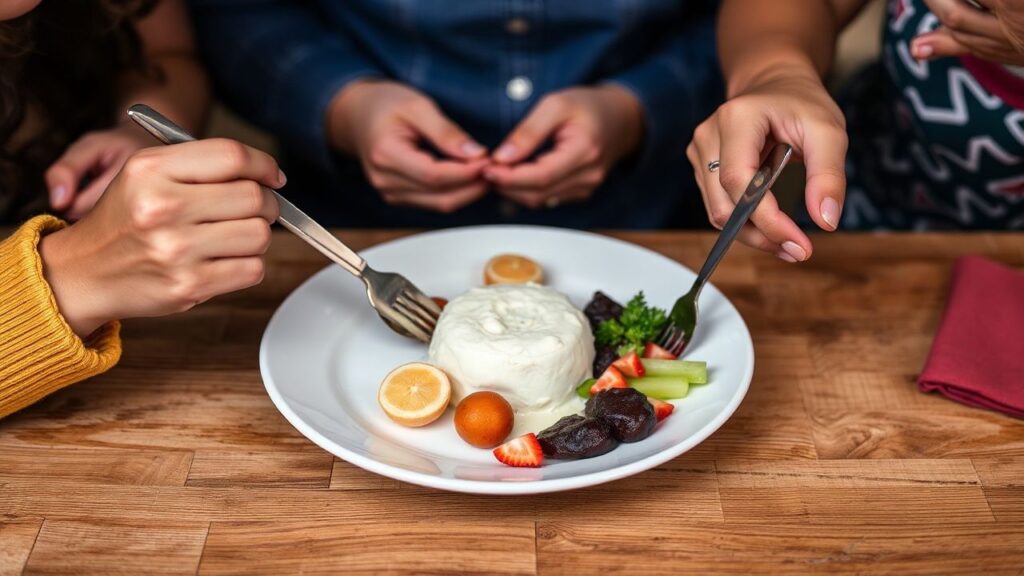
Elevate your understanding of feeding roles by embracing dishes that inspire cooperation and equality at the table. Explore more insights in our article on building nutritious family meals and deepen your connection to food culture with expert advice from food history research.
Q&A
Q1: What does “sharing the plate” mean in the context of feeding roles?
“Sharing the plate” is a metaphor that explores how feeding responsibilities are divided among individuals or groups, whether in human families, animal societies, or even ecological relationships. It explore who gathers, who prepares, who feeds, and how these roles interplay to create a balanced system for sustenance and social cohesion.
Q2: Why is understanding the division of feeding roles important?
Grasping how feeding roles are shared offers insights into social structures, survival strategies, and cooperation mechanisms. It reveals how efficiency and harmony emerge in nature and society, highlighting the invisible choreography behind every meal we enjoy and the fundamental ways life sustains itself.
Q3: How do feeding roles differ between humans and animals?
In many animal species, feeding roles are instinct-driven and often linked to survival needs, like a mother bird feeding her chicks or a pack hunting collectively. Humans, on the other hand, add layers of culture, tradition, and negotiation, turning feeding roles into a dynamic dance shaped by gender, age, social norms, and evolving societal expectations.
Q4: Can you give an example of feeding role division in the animal kingdom?
Absolutely! Take emperor penguins; the fathers incubate eggs and fast for weeks while moms fish and return with nourishment. This division ensures the chick’s survival in the harsh Antarctic climate, showcasing teamwork etched by evolution. Such specialized roles are critical for species survival in challenging environments.
Q5: How have modern lifestyles influenced human feeding roles?
Modern life, with its fast pace and diverse family structures, has blurred traditional feeding roles. Cooking apps, meal delivery services, and shared kitchens reflect a shift toward flexible, shared responsibilities. Understanding this evolution helps appreciate how “sharing the plate” adapts to contemporary needs and promotes inclusivity.
Q6: What lessons can we draw from the division of feeding roles?
The biggest takeaway? Cooperation fuels sustainability and strengthens bonds. Whether in families or ecosystems, balanced sharing of feeding duties fosters resilience, nurtures relationships, and honors the interconnectedness of life. In essence, understanding who “shares the plate” leads to healthier, happier communities.
In Summary
By untangling the threads of who does what on the feeding front, this exploration invites us to see meals not just as nourishment but as stories of collaboration, care, and community. As we conclude our look at “Sharing the Plate: Understanding the Division of Feeding Roles,” it becomes clear that feeding is far more than a simple act of sustenance. It is a choreography of care, strategy, and collaboration—an intricate dance where each participant matter significantly in sustaining life.
Whether in the animal kingdom or human households, the division of feeding responsibilities reveals the deep-rooted connections that bind us together, highlighting the balance between cooperation and survival. By appreciating these roles, we gain insight not only into the mechanics of feeding but also into the broader patterns of support and interdependence that define many living communities. So next time you share a meal, remember: behind every bite lies a story of shared effort and reciprocal care, a true feast of life’s interconnectedness.
See also: feeding roles