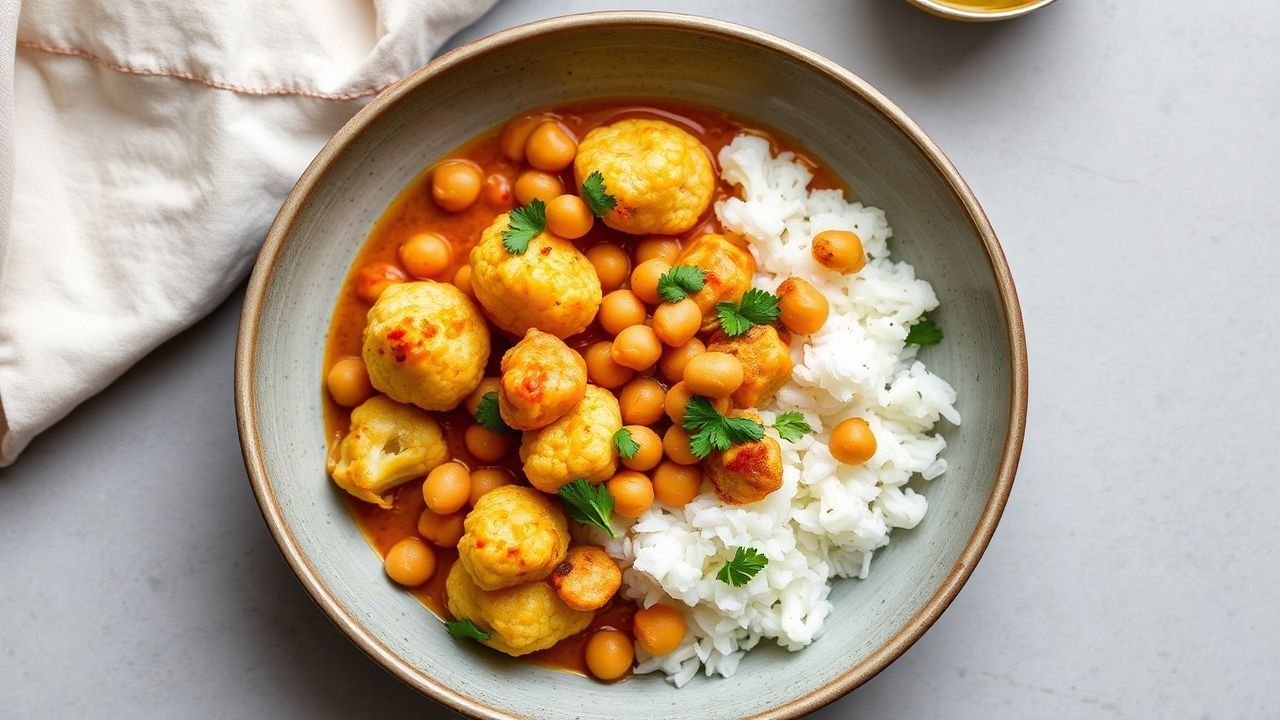

The aroma alone is an invitation: a gentle bloom of toasted spices, a whisper of ginger and garlic, and the grounding earthiness of chickpeas, all embracing the tender, floreted bounty of cauliflower. It’s a scent that transcends borders, evoking warmth, comfort, and a sophisticated culinary adventure. This is the allure of a well-executed cauliflower curry, a dish that, while seemingly simple, holds a universe of flavor and cultural significance. It has journeyed from the humble kitchens of South Asia to become a beloved staple on menus across the globe, proof of its inherent deliciousness and remarkable adaptability. Understanding the soul of cauliflower curry means appreciating its nuanced spice profiles, its textural interplay, and its capacity to be both a weeknight marvel and a dinner party showstopper.
At a Glance: Key Takeaways for Mastering Cauliflower Curry
- Flavor Foundation: The art of cauliflower curry lies in building layers of flavor through expertly toasted spices and aromatics.
- Textural Harmony: Achieving the perfect balance between tender cauliflower and hearty chickpeas is crucial for a satisfying bite.
- Versatility Unleashed: This dish serves as an exceptional canvas for a wide array of regional Indian variations and global adaptations.
- Nutritional Powerhouse: Beyond its taste, cauliflower curry offers a robust profile of vitamins, fiber, and plant-based protein.
The Genesis and Global Ascent of Cauliflower Curry
The story of cauliflower curry is intrinsically linked to the broader narrative of Indian cuisine, a tapestry woven with centuries of trade, migration, and culinary innovation. While specific origins are often elusive, the widespread cultivation of cauliflower in India, particularly in the northern regions, laid the groundwork for its integration into everyday dishes. The use of legumes like chickpeas, a staple protein source, alongside vegetables, is a hallmark of Indian vegetarian cooking, emphasizing sustainability and nutritional completeness. The advent of readily available ground spices—turmeric, cumin, coriander, garam masala—provided the essential palette for creating the complex aromas and tastes that define this dish. Its subsequent journey westward, propelled by Indian diaspora and a growing global appreciation for diverse cuisines, has seen it morph and adapt, yet retain its core essence.
Consider the case of the ubiquitous “Aloo Gobi,” a classic potato and cauliflower dish. While not strictly a curry in the saucy sense, its popularity demonstrated the inherent appeal of cauliflower as a primary ingredient in Indian cooking. The transition to a saucier, more curry-like preparation, often incorporating tomatoes, onions, and a creamy base, was a natural evolution. This adaptation made it more accessible and appealing to a wider international audience, who often associate “curry” with a rich, spiced sauce. Today, you’ll find versions of cauliflower curry gracing the tables of Michelin-starred restaurants and bustling street food stalls alike, a true culinary chameleon.
Deconstructing the Perfect Cauliflower Curry: A Master Recipe
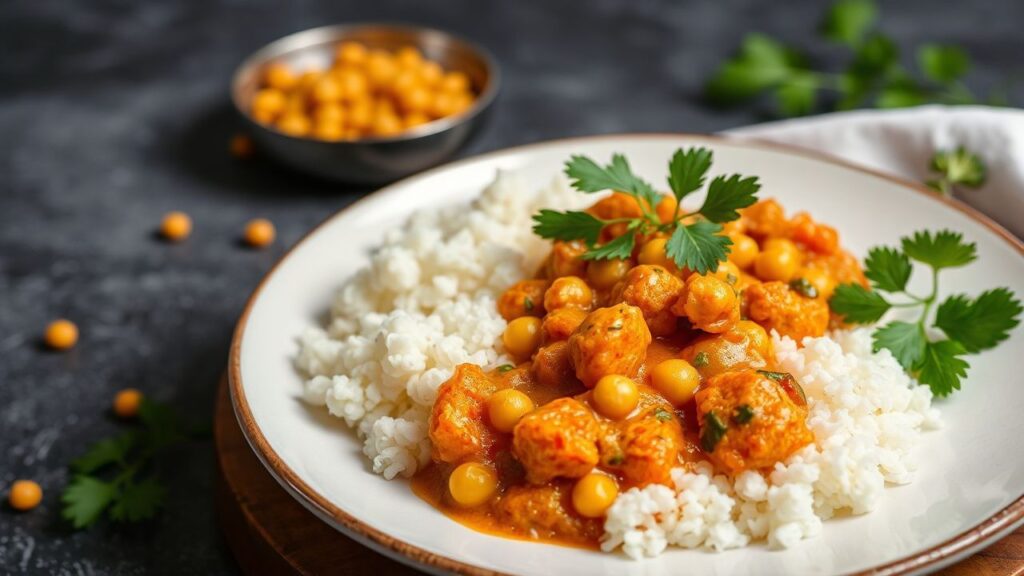
Crafting an exceptional cauliflower curry is an exercise in patience and precision, a symphony of aromatic spices and wholesome ingredients. It’s not merely about combining items in a pot; it’s about understanding the alchemy of heat, time, and technique that transforms simple components into something truly extraordinary. The foundation of any great curry rests on the quality of its spices and the method used to coax out their full potential. This recipe aims to provide a robust framework, one that can be easily tweaked to suit individual preferences and regional nuances.
Ingredients: The Building Blocks of Flavor
Precision in measurement is key, especially when dealing with spices, as their potency can vary. This recipe is designed for a balanced flavor profile, serving approximately 4-6 people.
For the Cauliflower and Chickpea Base:
- Cauliflower: 1 medium head (approx. 700-800g), cut into bite-sized florets
- Chickpeas: 2 cans (400g each), drained and rinsed, or 500g cooked chickpeas
- Olive Oil or Ghee: 3 tablespoons (45ml)
- Cumin Seeds: 1 teaspoon (5g)
- Mustard Seeds: ½ teaspoon (2g) (optional, for a pungent note)
- Asafoetida (Hing): ¼ teaspoon (1g) (a pinch, if available, for depth)
- Onion: 1 large, finely chopped
- Garlic: 4-5 cloves, minced
- Ginger: 1-inch piece (approx. 25g), grated or finely minced
- Green Chillies: 1-2, finely chopped (adjust to heat preference)
- Tomatoes: 2 medium, finely chopped, or 1 can (400g) crushed tomatoes
- Turmeric Powder: 1 teaspoon (5g)
- Coriander Powder: 2 teaspoons (10g)
- Cumin Powder: 1 teaspoon (5g)
- Garam Masala: 1 teaspoon (5g) (added towards the end)
- Red Chilli Powder (Kashmiri or regular): ½ teaspoon (2g) (adjust to heat preference)
- Salt: To taste
- Water or Vegetable Broth: ½ cup (120ml), or as needed
- Fresh Coriander Leaves: A generous handful, chopped, for garnish
For Creaminess and Richness (Optional):
- Coconut Milk: ½ cup (120ml) full-fat (adds a lovely subtle sweetness and body)
- Cashew Paste: 2 tablespoons (30g) soaked cashews blended with a little water (for a richer, smoother texture)
Preparation Method: A Step-by-Step Culinary Choreography
The process of building a great curry is akin to composing a piece of music; each step matter significantly in the final harmony. Rushing any stage can disrupt the delicate balance of flavors and textures. Patience here is not just a virtue; it’s a fundamental ingredient.
- Prepare the Cauliflower: Wash the cauliflower florets thoroughly. If you prefer slightly softer cauliflower, you can blanch them in boiling salted water for 2-3 minutes, then drain. This step is optional but ensures more even cooking if florets are of varying sizes.
- Temper the Spices (Tadka/Tarka): Heat the olive oil or ghee in a large, heavy-bottomed pot or Dutch oven over medium heat. Once shimmering, add the cumin seeds and mustard seeds (if using). Allow them to splutter and release their aroma, which takes about 30-60 seconds. Be cautious not to burn them.
- Introduce Aromatics: Add the asafoetida (hing) to the hot oil. Immediately follow with the finely chopped onion. Sauté the onion until it becomes translucent and begins to turn golden brown, stirring frequently. This browning is crucial for developing sweetness and depth in the curry base.
- Build the Flavor Base: Add the minced garlic, grated ginger, and chopped green chillies. Sauté for another 1-2 minutes until fragrant, ensuring the garlic doesn’t burn. The aroma at this stage should be intoxicating.
- Incorporate the Tomatoes and Ground Spices: Add the chopped fresh tomatoes or crushed canned tomatoes. Cook, stirring occasionally, until the tomatoes break down and the oil begins to separate from the mixture. This indicates the tomatoes have cooked through. Now, stir in the turmeric powder, coriander powder, cumin powder, and red chilli powder. Cook for 1-2 minutes, stirring constantly, to toast the spices and prevent them from sticking.
- Add Cauliflower and Chickpeas: Introduce the cauliflower florets and drained chickpeas to the pot. Stir well to coat them evenly with the spice mixture.
- Simmer and Meld: Pour in the water or vegetable broth. Add salt to taste. Bring the mixture to a gentle simmer. Cover the pot and reduce the heat to low. Let it cook for 15-20 minutes, or until the cauliflower is tender but not mushy. Stir occasionally to prevent sticking.
- Enrich the Curry (Optional): If using, stir in the coconut milk or cashew paste during the last 5 minutes of simmering. This will add a layer of creaminess and richness. Adjust consistency with a little more water if needed.
- Finish with Garam Masala: Stir in the garam masala just before serving. This spice blend is best added at the end to preserve its fragrant volatile oils.
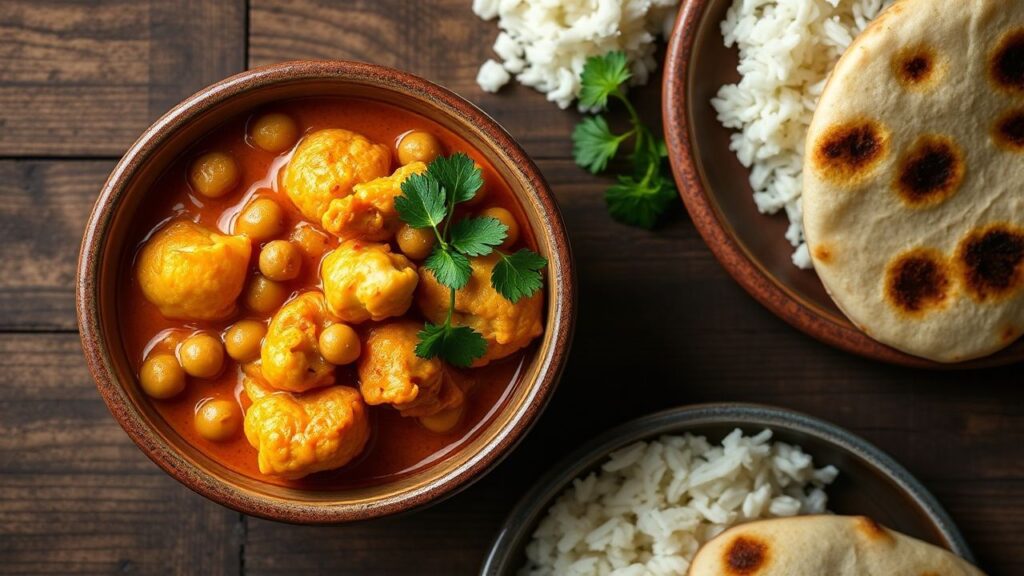
- Garnish and Serve: Garnish generously with fresh chopped coriander leaves. Serve hot with your choice of steamed rice, naan, roti, or paratha.
Nutritional Profile: A Wholesome Indulgence
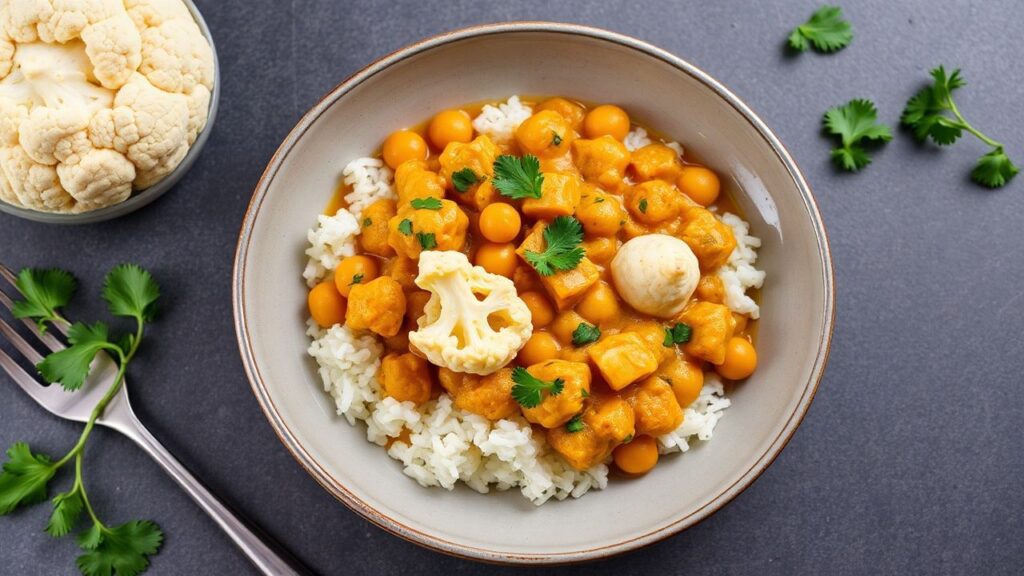
Cauliflower curry is not just a culinary delight; it’s a nutrient-dense meal that contributes positively to a balanced diet. The combination of cruciferous vegetables and legumes provides a wealth of essential vitamins, minerals, and fiber, while its plant-based nature makes it an excellent choice for vegetarians and vegans.
Nutritional Information (per serving, approximate, based on 6 servings, without optional enrichments):
| Nutrient | Amount |
|---|---|
| Calories | ~250-300 kcal |
| Protein | ~8-10g |
| Fiber | ~8-10g |
| Fat | ~10-15g (depending on oil used) |
| Carbohydrates | ~30-35g |
| Vitamin C | Significant source |
| Vitamin K | Significant source |
| Folate | Good source |
| Iron | Good source (especially from chickpeas) |
| Potassium | Good source |
The fiber content aids digestion and promotes satiety, while the protein from chickpeas contributes to muscle repair and overall bodily function. Cauliflower itself is a member of the cruciferous vegetable family, known for its antioxidant properties and compounds that may support cellular health. The spices, such as turmeric and ginger, are also lauded for their anti-inflammatory benefits. This makes cauliflower curry a dish that nourishes the body as much as it delights the palate.
Elevating Your Cauliflower Curry: Expert Techniques and Variations
While the master recipe provides a solid foundation, the true artistry of cauliflower curry lies in its adaptability and the subtle nuances that can elevate it from good to exceptional. These are the secrets that chefs employ to imbue their dishes with a signature touch, transforming a humble vegetable curry into a memorable culinary experience.
The Art of Spice Blooming
The initial tempering of whole spices in hot oil (tadka) is paramount. This process, known as “blooming,” awakens their essential oils and releases their full aromatic potential. A common mistake is adding ground spices too early, which can lead to a burnt, bitter flavor. Ensure your oil is hot but not smoking before adding cumin and mustard seeds. Listen for the gentle crackle and watch for the seeds to change color slightly – this is the signal that their essence is being unlocked.
Texture is Paramount
Achieving the perfect texture is critical. Cauliflower should be tender enough to yield easily to a fork but still retain a slight bite, avoiding a mushy consistency. Chickpeas should be creamy and soft. If using canned chickpeas, ensure they are rinsed thoroughly to remove any metallic taste. For a richer, more integrated texture, consider puréeing half of the cooked chickpeas and stirring them back into the curry. This adds a natural creaminess without the need for dairy or heavy cream.
Regional Twists and Global Adaptations
The beauty of cauliflower curry is its chameleon-like nature. In South India, it might incorporate curry leaves and mustard seeds more prominently, with a touch of tamarind for tang. In North India, yogurt or a cashew paste might be used for a richer, creamier sauce. Here are a few ideas to inspire your own culinary explorations:
- Goan Influence: Add a tablespoon of coconut vinegar and a pinch of dried red chillies for a slightly tangy and fiery profile.
- South Indian Flair: Incorporate a few fresh curry leaves and a teaspoon of black mustard seeds during the tempering stage. A pinch of asafoetida is also a common addition.
- Creamy Coconut Version: Replace water with full-fat coconut milk and simmer gently. This yields a rich, velvety curry with a subtle tropical sweetness.
- Smoky Undertones: For a hint of smokiness, roast the cauliflower florets slightly before adding them to the curry. Alternatively, a tiny pinch of smoked paprika can be added with the other ground spices.
One particularly insightful adaptation I encountered during a culinary tour in London was a “Cauliflower and Chickpea Korma.” The chef masterfully balanced the traditional korma spices with a generous amount of ground almonds and a delicate infusion of rosewater. This wasn’t just a curry; it was an aromatic journey, demonstrating how the core components of cauliflower and chickpeas could be reimagined within a classic Mughlai framework, appealing to a discerning palate seeking both tradition and innovation.
The versatility extends beyond flavor profiles. Cauliflower curry can be served as a main course, a side dish, or even as a filling for wraps and flatbreads. Its adaptability makes it a truly invaluable dish in any modern kitchen, a perfect example of how simple ingredients, treated with respect and skill, can yield extraordinary results.
Frequently Asked Questions
How can I make my cauliflower curry spicier?
To increase the heat level of your cauliflower curry, you have several options. The most direct method is to add more fresh green chillies during the aromatic sautéing stage. You can also increase the amount of red chilli powder used. For a more complex heat, consider adding a pinch of cayenne pepper or a small amount of your favorite hot sauce towards the end of cooking. If you enjoy a sharp, lingering heat, a finely minced bird’s eye chilli can be a potent addition, but use it with extreme caution.
What are the best serving suggestions for cauliflower curry?
Cauliflower curry is incredibly versatile when it comes to accompaniments. Traditionally, it pairs beautifully with steamed basmati rice, which absorbs the flavorful sauce. For a more substantial meal, serve it with Indian flatbreads like naan, roti, or chapati. A side of plain yogurt or raita can help to balance the spice. For a lighter option, quinoa or even couscous can also work well. Don’t underestimate the power of a simple green salad dressed with a lemon vinaigrette to cut through the richness.
Can I make cauliflower curry ahead of time?
Yes, cauliflower curry is an excellent candidate for meal prep. In fact, many believe the flavors meld and deepen even further when allowed to sit overnight. Allow the curry to cool completely before transferring it to an airtight container. Refrigerate for up to 3-4 days. When reheating, gently warm it on the stovetop over low heat, adding a splash of water or vegetable broth if it seems too thick. You can also reheat it in the microwave, stirring halfway through.
What are some common pitfalls to avoid when making cauliflower curry?
Several common mistakes can detract from the final dish. Overcooking the cauliflower, leading to a mushy texture, is one. Another is burning the spices, which imparts a bitter taste; this often happens when spices are added too early or the heat is too high. Insufficiently sautéing the onions means you miss out on their natural sweetness. Finally, not tasting and adjusting seasoning throughout the cooking process can result in a bland or unbalanced curry. Always taste and adjust salt and spice levels as you go.
See also: Cauliflower curry