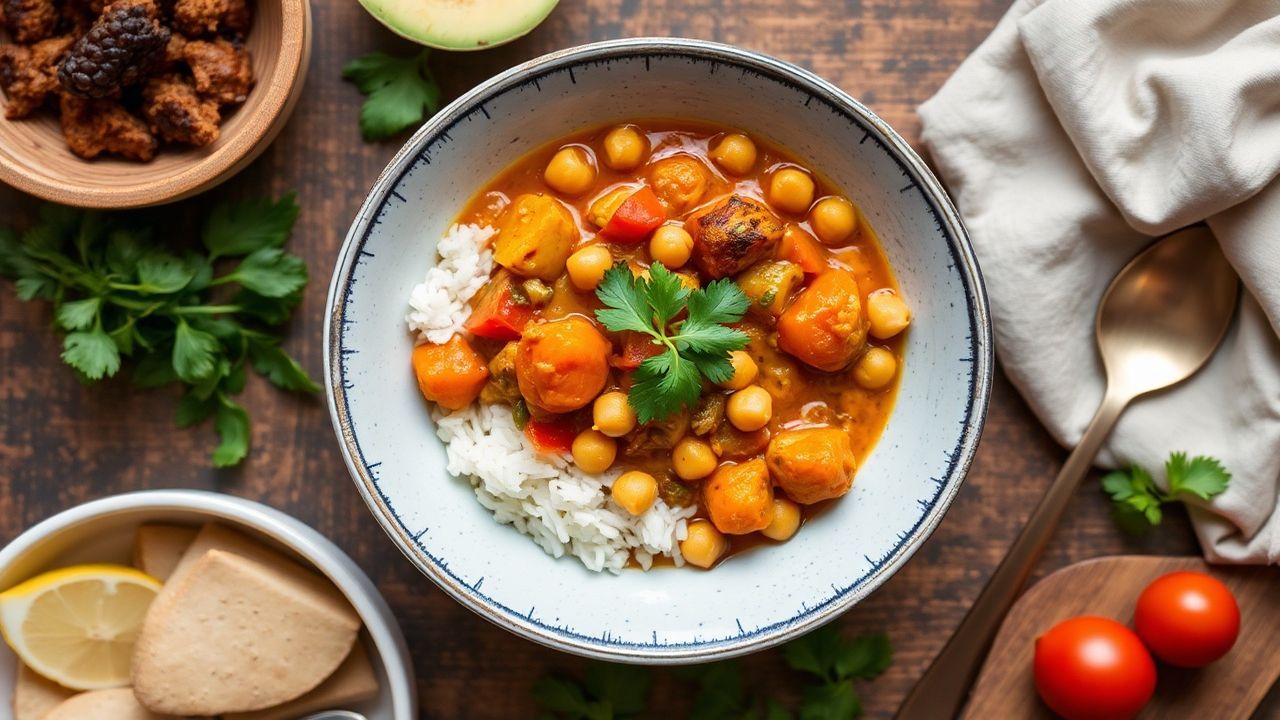

Curry: This vibrant, plant-powered dish offers a symphony of textures and tastes, proving that meat-free meals can be both deeply satisfying and remarkably simple to prepare.
At a Glance: Key Takeaways
- Mastering the foundational spice blend is paramount for authentic curry flavour.
- Chickpeas provide essential protein and a creamy texture, acting as a perfect foil to tender vegetables.
- Balancing acidity, sweetness, and heat is crucial for a nuanced curry experience.
- This vegan curry serves as an excellent canvas for seasonal produce, adaptable to any pantry.
The aroma of spices, gently blooming in hot oil, is one of culinary history’s most evocative invitations. It conjures images of bustling spice markets, generations of culinary tradition, and the promise of a deeply comforting meal. For many, the word “curry” itself is synonymous with warmth, complexity, and a satisfying depth of flavour that transcends mere sustenance. Yet, the misconception persists that achieving such a profound taste experience requires hours of labour or a pantry stocked with esoteric ingredients. This couldn’t be further from the truth, especially when we consider the elegant simplicity and robust character of a well-executed vegan vegetable curry with chickpeas. It is a dish that, with a few fundamental principles and a judicious selection of ingredients, can transform an ordinary evening into a culinary event, proving that plant-based cooking is not about deprivation, but about vibrant abundance. The versatility of this curry allows it to be a weekly staple, adapting to whatever produce is at its peak, ensuring a fresh and exciting iteration each time.
The term “curry” itself is a broad umbrella, a Westernized simplification of a vast array of regional dishes originating from the Indian subcontinent and spreading throughout Southeast Asia. These dishes, while sharing commonalities in their use of aromatic spices, are as diverse as the cultures that created them. From the fiery, mustard-seed-laden preparations of South India to the milder, coconut-milk-infused curries of Kerala, each region boasts a unique culinary fingerprint. The vegan vegetable curry with chickpeas, as we understand it today, draws inspiration from this rich heritage, often incorporating elements like the tempering of spices (known as *tadka* or *chaunk*) and the creamy emulsification of aromatics. It’s proof of the adaptability of these ancient culinary traditions that they can be so beautifully rendered in a modern, plant-forward context.
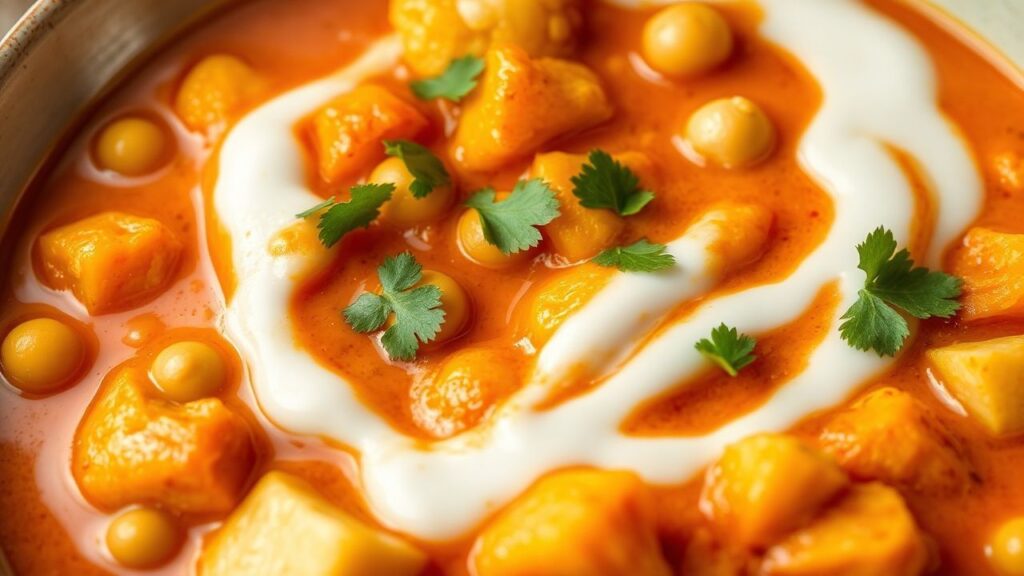
The soul of any great curry lies in its spice blend. For a vegan vegetable curry with chickpeas, this is where we build the foundation of flavour, creating a complex interplay of warmth, pungency, and subtle sweetness. Achieving this balance is not about simply dumping spices into a pot; it’s about understanding their individual characteristics and how they synergize.
A well-rounded spice blend for this curry typically includes:
- Cumin: Earthy and warm, it forms the backbone of many curries.
- Coriander: Citrusy and slightly sweet, it adds a bright counterpoint to cumin.
- Turmeric: Imparts a vibrant golden hue and a subtly peppery, earthy flavour. It’s also lauded for its anti-inflammatory properties.
- Garam Masala: A complex blend, usually added towards the end of cooking, to provide a final burst of aromatic warmth. Common components include cinnamon, cardamom, cloves, and black pepper.
- Ginger and Garlic: The indispensable aromatic duo, forming the pungent, flavourful base of most savoury dishes. Freshly grated or minced is always preferred for optimal flavour.
- Chilli (Cayenne Pepper or Red Chilli Flakes): For heat. The amount can be adjusted to personal preference.
- Mustard Seeds (Black or Brown): Often tempered at the beginning to release a sharp, pungent flavour.
- Fenugreek Seeds: Possess a slightly bitter, maple-like aroma and flavour, used sparingly.
The initial step of blooming these spices in hot oil or ghee (or a vegan alternative like coconut oil or a neutral vegetable oil) is crucial. This process, known as *tadka* or *chaunk*, releases their volatile oils, intensifying their aroma and flavour. Starting with whole spices like cumin seeds and mustard seeds allows them to toast gently, then adding ground spices briefly to avoid burning, which can impart a bitter taste. This technique is what elevates a simple stew into a fragrant, layered curry.
While the spices provide the aromatic architecture, the vegetables and chickpeas are the substance and heart of this dish. Their textural diversity and inherent sweetness contribute significantly to the overall appeal.
The beauty of this vegan curry is its inherent flexibility. It’s a magnificent vehicle for seasonal produce. However, some vegetables lend themselves particularly well to the simmering process of a curry:
- Root Vegetables: Sweet potatoes, carrots, and parsnips soften beautifully and add a natural sweetness.
- Cruciferous Vegetables: Cauliflower and broccoli florets absorb the curry sauce wonderfully and retain a pleasing bite.
- Legumes (beyond chickpeas): Peas, green beans, and broad beans add pops of colour and freshness.
- Softer Vegetables: Bell peppers (any colour), zucchini, and spinach wilt down to add depth and moisture.
A thoughtful combination ensures a range of textures and colours, making the dish visually appealing and more satisfying to eat. For instance, the firm bite of cauliflower against the yielding sweetness of sweet potato creates an engaging mouthfeel.
Chickpeas, also known as garbanzo beans, are the undisputed stars of the legume world in this context. Their creamy, slightly nutty flavour profile complements the spice blend perfectly. More importantly, they provide a substantial source of plant-based protein and fibre, making the curry a complete and satisfying meal. Their ability to absorb the surrounding flavours without becoming mushy is a culinary asset. Canned chickpeas are a convenient option, but if time permits, dried chickpeas, soaked and cooked until tender, offer a superior texture and flavour.
The sauce is the unifier, the silken medium that carries all the flavours and textures harmoniously. For a vegan curry, coconut milk is often the go-to, its natural richness and subtle sweetness creating a luscious base.
Full-fat coconut milk is indispensable for its creamy texture and ability to emulsify with the spices and aromatics. Light coconut milk can be used, but the sauce will be thinner and less rich. Some recipes also call for a splash of vegetable broth or water to adjust the consistency.
While coconut milk is classic, other options can be explored. A base of pureed tomatoes adds acidity and a deeper, more complex flavour, often seen in South Indian curries. A combination of coconut milk and pureed tomatoes can strike a beautiful balance between richness and tang. For a lighter, brighter curry, a vegetable broth base with a squeeze of lime or lemon juice at the end can be effective.
This recipe aims for efficiency without compromising depth of flavour. It’s designed for the home cook seeking restaurant-quality results with manageable effort.
Yields: 4-6 servings
Prep time: 20 minutes
Cook time: 35-40 minutes
- 2 tablespoons coconut oil (or other neutral vegetable oil)
- 1 teaspoon cumin seeds
- 1 teaspoon black mustard seeds
- 1 large onion, finely chopped (about 1.5 cups)
- 3-4 cloves garlic, minced
- 1 inch piece of fresh ginger, grated
- 1 green chilli, finely chopped (optional, adjust to taste)
- 1 teaspoon ground cumin
- 1 teaspoon ground coriander
- ½ teaspoon ground turmeric
- ¼ teaspoon cayenne pepper (or to taste)
- ½ teaspoon garam masala (added towards the end)
- 1 (400g / 14oz) can diced tomatoes, undrained
- 1 (400ml / 13.5oz) can full-fat coconut milk
- 1 cup (240ml) vegetable broth or water
- 500g (approx. 3-4 cups) mixed vegetables, cut into bite-sized pieces (e.g., cauliflower florets, diced sweet potato, carrots, broccoli florets, bell pepper chunks)
- 1 (400g / 14oz) can chickpeas, drained and rinsed
- 1 teaspoon salt, or to taste
- ½ teaspoon sugar, or to taste (optional, to balance acidity)
- Fresh cilantro, chopped, for garnish
- Lime wedges, for serving
1. Bloom the Aromatics: Heat the coconut oil in a large, heavy-bottomed pot or Dutch oven over medium heat. Once shimmering, add the cumin seeds and mustard seeds. Let them splutter and pop for about 30 seconds, until fragrant.
2. Sauté the Onion: Add the chopped onion to the pot. Cook, stirring occasionally, until softened and translucent, about 5-7 minutes. Do not rush this step; well-cooked onions form a sweet, flavourful base.
3. Infuse with Ginger, Garlic, and Chilli: Stir in the minced garlic, grated ginger, and chopped green chilli (if using). Cook for another 1-2 minutes until fragrant, being careful not to burn the garlic.
4. Toast the Ground Spices: Add the ground cumin, ground coriander, ground turmeric, and cayenne pepper to the pot. Stir well and cook for 30-60 seconds, until the spices are fragrant. This toasts the spices, releasing their full flavour potential.
5. Introduce the Tomatoes: Pour in the can of diced tomatoes. Stir, scraping up any bits stuck to the bottom of the pot. Cook for 5 minutes, allowing the tomatoes to break down slightly and meld with the spices.
6. Build the Sauce: Add the full-fat coconut milk and vegetable broth (or water). Stir to combine, ensuring everything is well incorporated. Bring the mixture to a gentle simmer.
7. Add the Vegetables and Chickpeas: Add the prepared mixed vegetables and the drained chickpeas to the pot. Stir to ensure they are submerged in the liquid.
8. Simmer and Tenderize: Reduce the heat to low, cover the pot, and let the curry simmer gently for 20-25 minutes, or until the vegetables are tender but not mushy. The exact cooking time will depend on the types of vegetables used. Stir occasionally to prevent sticking.
9. Final Touches: Once the vegetables are tender, stir in the garam masala, salt, and sugar (if using). Taste and adjust seasoning as needed. If the curry is too thick, add a splash more vegetable broth or water. If it’s too thin, simmer uncovered for a few more minutes to reduce.
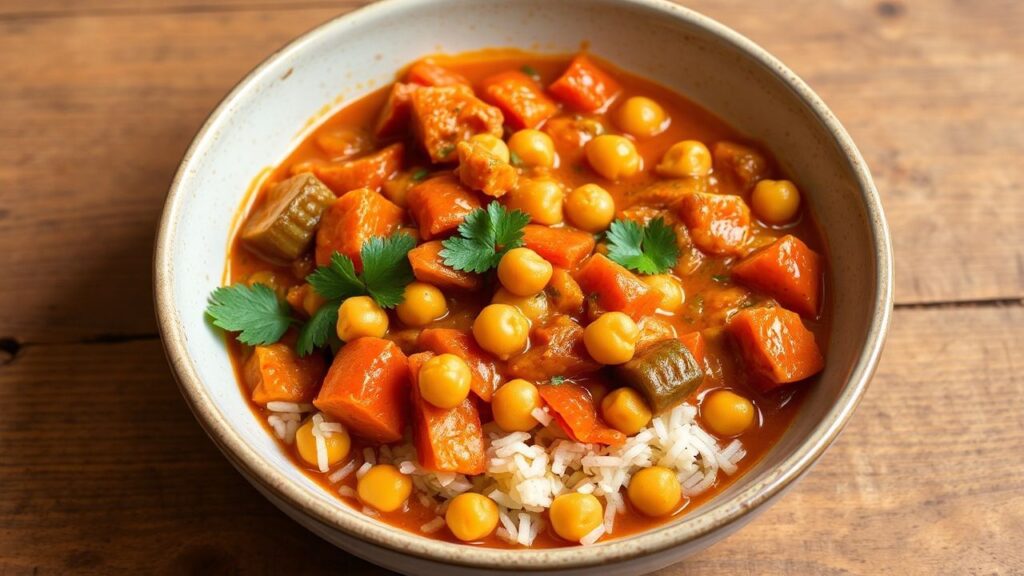
10. Serve: Ladle the hot curry into bowls. Garnish generously with fresh chopped cilantro and serve with lime wedges on the side. This curry is excellent served with basmati rice, naan bread, or quinoa.
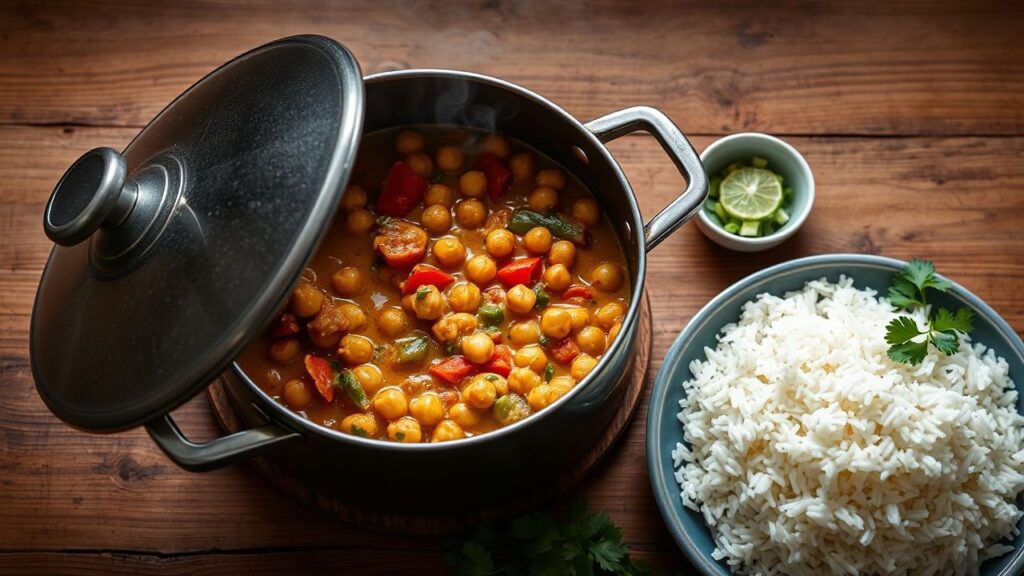
A serving of this vegan vegetable curry with chickpeas is a nutritional powerhouse, offering a balanced mix of macronutrients and micronutrients.
Approximate Nutritional Information per Serving (assuming 6 servings):
- Calories: 350-450 kcal (will vary based on specific vegetables and oil used)
- Protein: 12-15g
- Fat: 18-25g (primarily from coconut milk and oil, with healthy fats)
- Saturated Fat: 12-18g (largely from coconut milk)
- Carbohydrates: 35-45g
- Fiber: 8-12g
- Sugars: 8-15g (largely natural sugars from vegetables)
- Vitamins & Minerals: Rich in Vitamin A, Vitamin C, potassium, folate, and iron.
This profile highlights the dish’s capacity to provide sustained energy, promote digestive health, and contribute essential nutrients without relying on animal products. The significant fiber content from the vegetables and chickpeas is particularly noteworthy for satiety and gut health.
Achieving that coveted restaurant-quality flavour often comes down to a few nuanced techniques and considerations.
Don’t shy away from allowing your onions to truly caramelize. This slow, gentle browning process, a subset of the Maillard reaction, develops deep, sweet, and complex flavours that form the bedrock of many great dishes. Similarly, when toasting your spices, ensure they are fragrant but not burnt. A slightly too-hot pan or a moment too long can turn delicate aromatics into bitter disappointments.
The process of building the curry is about layering flavours. The initial tempering of whole spices, the sautéing of onions, the infusion of ginger and garlic, the toasting of ground spices, the simmering with tomatoes, and finally, the addition of garam masala all contribute distinct notes. Each step builds upon the last, creating a more intricate and harmonious final product.
A well-balanced curry often has a subtle interplay between acidity and sweetness. The tomatoes provide acidity, while vegetables like sweet potato and carrot contribute natural sweetness. A small pinch of sugar can help to round out the flavours, particularly if your tomatoes are very tart. Conversely, a squeeze of fresh lime or lemon juice at the very end can brighten the entire dish, cutting through the richness and adding a fresh zing. This final touch is often what differentiates a good curry from a truly exceptional one.
The art of the vegan vegetable curry with chickpeas is not about rigid adherence to a single recipe but about understanding the principles that underpin its deliciousness. It’s a culinary canvas that invites creativity and adaptation.
Consider the practice of many chefs and home cooks who treat this curry as a template for seasonal produce. During autumn, a rendition might feature robust root vegetables like parsnips and butternut squash, perhaps with a hint of cinnamon in the spice blend. In spring, the focus might shift to tender asparagus, peas, and young spinach, brightened with more lemon juice. This adaptability, exemplified by a popular plant-based restaurant in London, “The Verdant Spoon,” showcases how their “Harvest Curry” changes weekly based on what their local organic farm supplies. One week, it might be a fiery red lentil and pumpkin curry; the next, a delicate cauliflower and sweet pea affair. This constant evolution keeps their customers engaged and highlights the dynamic nature of plant-based cuisine, proving that a core recipe can be endlessly reinvented.
Yes, absolutely. In fact, vegan vegetable curry with chickpeas often tastes even better the next day. The flavours have more time to meld and deepen. Allow the curry to cool completely before storing it in an airtight container in the refrigerator for up to 3-4 days. Reheat gently on the stovetop or in the microwave, adding a splash of water or vegetable broth if it has become too thick. This makes it an ideal candidate for meal prep, offering a healthy and satisfying lunch or dinner throughout the week.
If time is of the essence, opt for vegetables that cook relatively quickly. Frozen vegetables like peas, corn, and mixed vegetable blends are excellent shortcuts. Chopped bell peppers, zucchini, and pre-cut cauliflower or broccoli florets also cook down efficiently. For a faster meal, consider using canned sweet potatoes or pre-cooked lentils alongside or instead of some of the fresh vegetables. The key is to ensure they are cut into uniform, smaller pieces to reduce cooking time.
Adjusting the heat is straightforward. For a spicier curry, increase the amount of cayenne pepper or add a pinch of red chilli flakes along with the ground spices. You can also finely chop a fresh green or red chilli and sauté it with the onions. For a milder curry, reduce or omit the cayenne pepper and any fresh chillies. If you find the curry too spicy after it’s cooked, you can often temper the heat by adding a little more coconut milk or a dollop of plain vegan yogurt.
This vegan vegetable curry with chickpeas stands as proof of the power and pleasure of plant-based cooking. It is a dish that nourishes the body, delights the senses, and brings people together around the table, proving that profound flavour and comforting satisfaction can be achieved with simple, wholesome ingredients. It is more than just a meal; it is an invitation to explore the boundless possibilities of a plant-forward kitchen.
See also: Curry