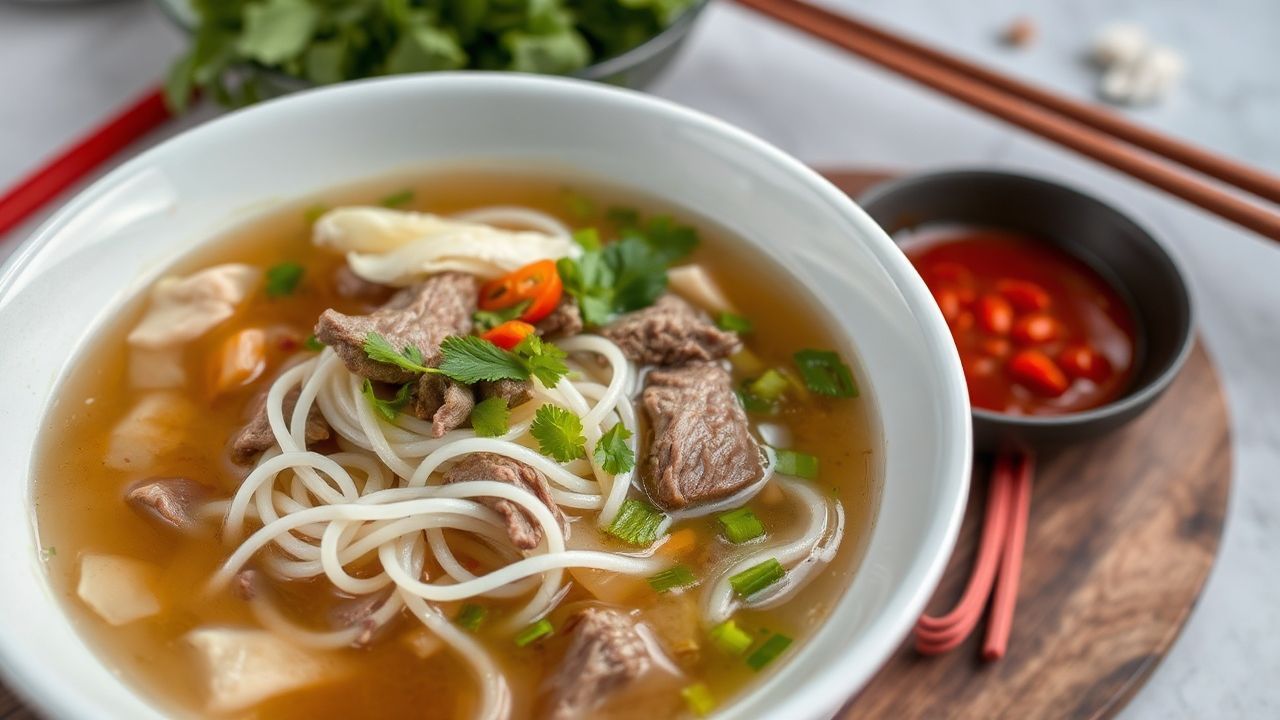

Pho, that iconic Vietnamese elixir, is more than just a soup; it’s a symphony of textures and proof of patient culinary artistry. For those unfamiliar with its profound depths, it might appear as merely rice noodles submerged in a fragrant broth, adorned with slivers of beef. Yet, to truly appreciate pho is to understand the meticulous balance of spices, the hours of simmering required to coax the soul out of beef bones, and the nuanced interplay of fresh herbs and aromatics that transform humble ingredients into an unparalleled gastronomic experience. This article guides you through the creation of an authentic Vietnamese pho with beef and rice noodles, exploring the techniques and traditions that make this dish a global phenomenon.
- The Genesis and Global Ascent of Pho
- Deconstructing the Symphony: Essential Ingredients for Authentic Pho Bo
- For the Broth: The Heart of Pho
- For the Noodles and Beef Components: Texture and Substance
- For the Garnishes: The Fresh Counterpoint
- The Art of Preparation: Crafting the Perfect Bowl of Pho
- Step 1: Building the Broth – The Foundation of Flavor
- Step 2: Preparing the Noodles and Beef
- Step 3: Assembling the Bowls – The Final Flourish
- Nutritional Snapshot: A Wholesome Bowl
- Elevating Your Pho: Expert Tips for Restaurant-Quality Results
- A Culinary Heritage in Every Spoonful
- Frequently Asked Questions About Pho
The beauty of Vietnamese cuisine lies in its ability to achieve profound flavor with seemingly simple ingredients. Pho is the quintessential example, a dish where balance, patience, and fresh aromatics reign supreme.
— Anthony Bourdain, Culinary Explorer
At a Glance: Key Takeaways for Crafting Perfect Pho
- Broth is paramount: The foundation of exceptional pho lies in a deeply flavored, crystal-clear broth, achieved through slow simmering and meticulous skimming.
- Spice balance is critical: The characteristic warmth of pho comes from a carefully orchestrated blend of whole spices, toasted to release their essential oils.
- Noodle texture matters: The rice noodles should be perfectly cooked – tender yet with a slight chew, never mushy.
- Fresh garnishes elevate: A vibrant array of fresh herbs, lime, and chilies provides essential counterpoints, allowing diners to customize their bowl.
The Genesis and Global Ascent of Pho
The origins of pho are shrouded in a bit of historical debate, with some scholars tracing its lineage back to French colonial influences in the late 19th and early 20th centuries, suggesting a connection to the French stew, *pot-au-feu*. Others argue for a more indigenous evolution, rooted in northern Vietnamese noodle traditions. Regardless of its precise genesis, pho rose to prominence in Hanoi in the early 20th century, initially sold by street vendors. It was characterized by its clear, aromatic beef broth, flat rice noodles, and thinly sliced beef. As Vietnamese diaspora spread across the globe, particularly to North America, pho became a culinary ambassador, its comforting and complex flavors resonating with a diverse international palate. Today, it is a ubiquitous presence in Vietnamese restaurants worldwide, proof of its enduring appeal. Consider the sheer volume of pho consumed annually in cities like San Jose, California, which has a significant Vietnamese population; estimates suggest millions of bowls are served each year, a quantifiable impact of its cultural integration.
Deconstructing the Symphony: Essential Ingredients for Authentic Pho Bo
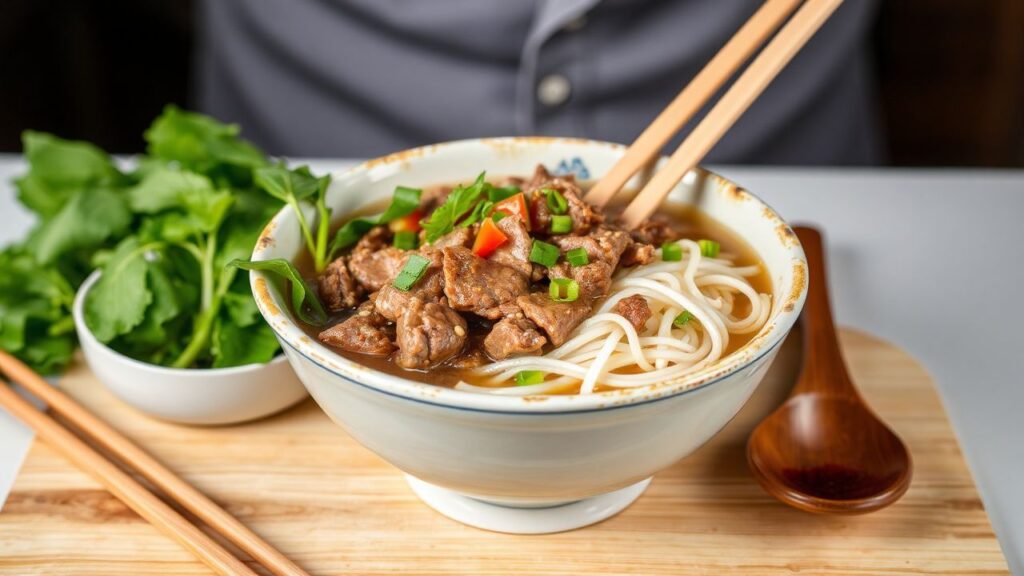
Crafting an authentic pho bo (beef pho) is a journey that begins with selecting the finest ingredients. The broth, the soul of the dish, demands quality bones and aromatics. The noodles provide the textural backbone, and the beef, whether raw or cooked, adds its rich essence. Finally, the accompanying garnishes offer a spectrum of flavors that allow for personal expression.
For the Broth: The Heart of Pho
The depth of flavor in pho broth is a direct result of patient simmering and the careful selection of ingredients. This is not a quick affair; it’s a labor of love that yields immense rewards.
- Beef Bones: Approximately 2.5 kg (5.5 lbs) of beef marrow bones and knuckle bones, cut into manageable pieces. A mix of marrow and knuckle bones provides both richness and body to the broth.
- Beef Cuts for Flavor:
- 1 kg (2.2 lbs) beef brisket or chuck roast, for simmering in the broth to add depth and to be sliced for serving.
- 500g (1.1 lbs) oxtail (optional, but highly recommended for extra richness).
- Aromatics for the Broth:
- 2 large yellow onions, halved and charred.
- 4-inch piece of fresh ginger, halved lengthwise and charred.
- 2 whole star anise.
- 4-5 whole cloves.
- 1 cinnamon stick (about 3 inches).
- 1 tablespoon coriander seeds.
- 1 teaspoon fennel seeds.
- 1 tablespoon black peppercorns.
- Seasoning:
- 3-4 tablespoons fish sauce (nuoc mam), adjust to taste.
- 1-2 tablespoons rock sugar or granulated sugar, to balance the saltiness and acidity.
- Salt, to taste.
- Water: Approximately 5-6 liters (5-6.5 quarts).
For the Noodles and Beef Components: Texture and Substance
The choice of noodles and the preparation of the beef are crucial for the final texture and taste of your pho.
- Rice Noodles: 500g (1.1 lbs) dried flat rice noodles (banh pho), medium width.
- Thinly Sliced Raw Beef: 300g (0.66 lbs) eye of round, sirloin, or flank steak, sliced paper-thin against the grain. Freezing the beef for 30-45 minutes prior to slicing makes this process significantly easier.
- Optional Cooked Beef: The brisket or chuck roast simmered in the broth, sliced thinly.
- Optional Beef Marrow Bones: If you’ve used knuckle bones, you might have some marrow bones left that can be blanched and served as an accompaniment.
For the Garnishes: The Fresh Counterpoint
These vibrant additions are not mere afterthoughts; they are integral to the pho experience, allowing for a personalized and dynamic flavor profile.
- Fresh Herbs:
- 1 large bunch fresh cilantro, roughly chopped.
- 1 large bunch fresh Thai basil, leaves picked.
- 1 large bunch fresh mint, leaves picked.
- 1 large bunch bean sprouts.
- Other Accompaniments:
- 1-2 limes, cut into wedges.
- 2-3 red chilies (e.g., bird’s eye), thinly sliced.
- Hoisin sauce.
- Sriracha sauce.
- Sliced white or red onion (optional, for those who prefer a raw onion bite).
The Art of Preparation: Crafting the Perfect Bowl of Pho
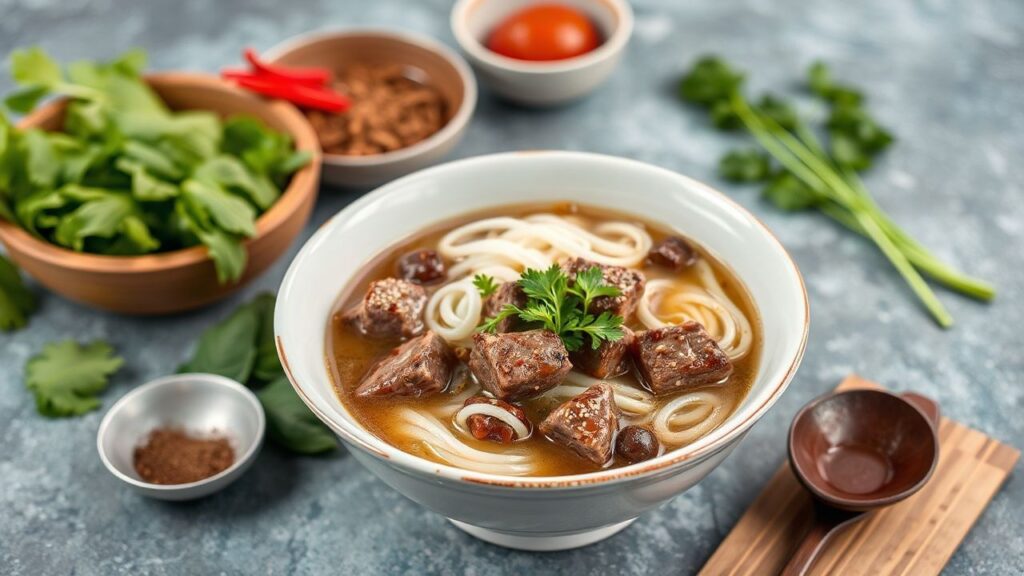
The creation of pho is a multi-stage process that requires patience and attention to detail. Each step contributes to the final masterpiece.
Step 1: Building the Broth – The Foundation of Flavor
This is where the magic begins. A rich, clear broth is the cornerstone of exceptional pho.
1. Prepare the Bones and Meat: Rinse the beef bones and the brisket/chuck roast under cold running water to remove any impurities. For the bones, especially, a thorough rinse is crucial to ensure a clear broth.
2. Blanching: Place the bones and the brisket/chuck roast in a large stockpot and cover with cold water. Bring to a rolling boil over high heat. Boil for 5-10 minutes, during which time scum and impurities will rise to the surface. Carefully drain the water and rinse the bones and meat again to remove any residual scum. Clean the stockpot thoroughly.
3. Charring Aromatics: While the bones are blanching, char the halved onions and ginger. This can be done directly over a gas flame until blackened in spots, or under a broiler, turning frequently. Charring imparts a wonderful smoky depth and sweetness to the broth.
4. Toasting Spices: In a dry skillet over medium heat, toast the star anise, cloves, cinnamon stick, coriander seeds, fennel seeds, and black peppercorns for 2-3 minutes, until fragrant. Be careful not to burn them. Place the toasted spices in a cheesecloth or spice bag.
5. The Simmer: Return the blanched bones and brisket/chuck roast to the clean stockpot. Add the charred onions and ginger, and the spice bag. Cover with 5-6 liters (5-6.5 quarts) of fresh cold water.
6. First Simmer: Bring the pot to a gentle boil over medium-high heat. Once boiling, immediately reduce the heat to low, so that the broth is barely simmering. This is critical for achieving a clear broth. Skim off any foam or impurities that rise to the surface during the first hour of simmering.
7. Long Simmer: Let the broth simmer gently, covered, for at least 4-6 hours, and ideally 8-12 hours. The longer it simmers, the deeper the flavor. During this time, continue to skim off any impurities that appear. If using oxtail, add it during the last 2-3 hours of simmering.
8. Strain and Season: Once the simmering is complete, carefully strain the broth through a fine-mesh sieve lined with cheesecloth into a clean pot or heatproof containers. Discard the solids.
9. Seasoning the Broth: Return the strained broth to a clean pot. Add the fish sauce and rock sugar. Taste and adjust seasoning with salt and more fish sauce or sugar as needed. The broth should be savory, slightly sweet, and complex.
Step 2: Preparing the Noodles and Beef
While the broth simmers, prepare the other components.
1. Prepare the Noodles: Bring a large pot of water to a rolling boil. Add the dried rice noodles and cook according to package directions until they are tender but still have a slight chew (al dente). This usually takes 5-8 minutes. Do not overcook them, as they will continue to soften in the hot broth. Drain the noodles immediately and rinse them briefly under cold water to prevent them from sticking together. Divide the noodles among serving bowls.
2. Prepare the Beef:
- Raw Beef: Ensure your raw beef is sliced as thinly as possible. If you froze it slightly, this will be much easier.
- Cooked Beef: Once the brisket/chuck roast has finished simmering in the broth, remove it from the pot and let it cool slightly. Slice it thinly against the grain.
Step 3: Assembling the Bowls – The Final Flourish
This is where the individual experience of pho truly comes alive.
1. Arrange the Beef: In each serving bowl, artfully arrange a portion of the thinly sliced raw beef over the noodles. If using the cooked brisket/chuck, add slices of that as well.
2. Pour the Broth: Bring the strained broth back to a rolling boil. Ladle the boiling hot broth over the noodles and beef. The heat of the broth will cook the thinly sliced raw beef to a perfect rare to medium-rare. Ensure the broth is piping hot when you pour it; this is crucial for both flavor and cooking the beef.
3. Serve with Garnishes: Serve each bowl of pho immediately with a generous platter of fresh herbs (cilantro, Thai basil, mint), bean sprouts, lime wedges, and sliced chilies. Offer hoisin sauce and sriracha on the side for diners to customize their own bowls to their preference.
Nutritional Snapshot: A Wholesome Bowl
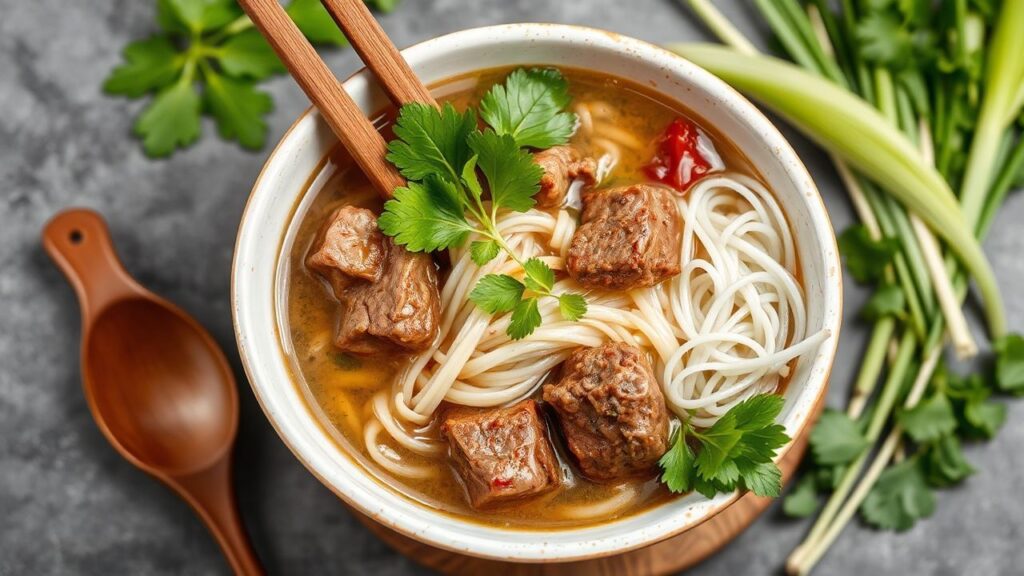
While pho is renowned for its complex flavors, it also offers a surprisingly balanced nutritional profile, especially when prepared with lean cuts of beef and a generous amount of fresh vegetables.
- Serving Size: Approximately 1 bowl (based on recipe yield)
- Calories: 450-600 (depending on the amount of beef and broth richness)
- Protein: 30-45g
- Fat: 15-25g (primarily from beef and bone marrow)
- Carbohydrates: 35-50g (from rice noodles)
- Fiber: 3-5g (from herbs and sprouts)
- Sodium: 800-1500mg (highly variable based on fish sauce and salt added)
Keep in mind that the sodium content can be high due to the fish sauce and added salt. For those monitoring sodium intake, using a lower-sodium fish sauce and being judicious with added salt is advisable. The inclusion of fresh herbs and sprouts significantly boosts the vitamin and mineral content, making it a nutrient-dense meal.
Elevating Your Pho: Expert Tips for Restaurant-Quality Results
Achieving that elusive, craveable quality of pho found in renowned Vietnamese eateries is within reach with a few key insights. It’s about understanding the nuances that separate a good bowl from a truly unforgettable one.
The clarity and depth of your broth are paramount. A cloudy broth suggests either too vigorous a boil during simmering or insufficient skimming. The goal is a transparent, golden liquid that sings with the essence of beef and spices.
- Bone Selection: Don’t shy away from a variety of beef bones. Marrow bones provide richness, while knuckle bones offer body. Oxtail adds an unparalleled richness and depth, making it a worthy addition if available. For an authentic Hanoi-style pho, some traditionalists also include beef tendon, simmered until meltingly tender.
- The Charred Aromatics: The charring of onions and ginger is non-negotiable. It’s this caramelization that unlocks their sweetness and adds a subtle smoky complexity that defines great pho broth. If you lack a gas stove, a hot broiler or even a cast-iron skillet can achieve a satisfactory char.
- Spice Symphony: Toasting the spices is key to releasing their volatile oils and maximizing their aromatic impact. A small cheesecloth bag is your best friend here, preventing loose spices from clouding the broth and making them easy to remove. Experiment with the spice ratios to find your personal preference; some prefer a more pronounced star anise flavor, while others lean towards cinnamon.
- Patience is a Virtue: The longer and slower the simmer, the better the broth. A minimum of 4 hours is acceptable, but 8-12 hours will yield a broth that is profoundly flavorful and rich. This is not a dish to rush.
The rice noodles are the canvas upon which the broth paints its masterpiece. Their texture should complement, not compete with, the broth.
- Fresh vs. Dried: While dried rice noodles are readily available and commonly used, if you have access to fresh rice noodles (banh pho tuoi), they offer a superior texture and a slightly more delicate bite.
- Cooking Technique: Overcooked noodles become mushy and disintegrate in the hot broth. Cook them *al dente* – they will continue to soften in the bowl. Rinsing them briefly under cold water after draining prevents them from clumping together and helps maintain their structure.
The beef component offers a delightful contrast of textures, from the delicate chew of thinly sliced raw beef to the tender succulence of slow-cooked cuts.
- Thinly Sliced Raw Beef: The key here is paper-thin slices. Freezing the beef for about 30-45 minutes makes it firm enough to slice with ease. Use a very sharp knife. Cuts like eye of round, sirloin, or flank steak work well.
- Cooked Beef: The brisket or chuck roast, simmered in the broth, becomes incredibly tender and flavorful. Slice it thinly against the grain to ensure maximum tenderness. Some enjoy the richness of beef tendon or beef tripe for additional textural complexity.
The array of fresh garnishes is what transforms a bowl of pho into a personalized culinary adventure.
- Herb Power: Don’t be shy with the fresh herbs. Thai basil, cilantro, and mint add layers of freshness and aromatic complexity. A good handful can make all the difference.
- The Zing Factor: Lime wedges are essential for cutting through the richness of the broth. The acidity brightens all the flavors. Fresh chilies provide a welcome kick of heat, which can be adjusted to individual preference.
- The Umami Boost: Hoisin and sriracha are classic accompaniments. Hoisin offers a sweet, savory depth, while sriracha provides a vinegary heat. Use them judiciously to complement, not overpower, the delicate broth.
A Culinary Heritage in Every Spoonful
To truly appreciate Vietnamese pho is to understand that it is more than just a meal; it is a cultural touchstone, a symbol of comfort, and proof of the power of simple, high-quality ingredients prepared with care and tradition. The journey from humble street food to global phenomenon speaks volumes about its universal appeal. By mastering the techniques of broth-making, noodle preparation, and the artful assembly of garnishes, you can recreate this beloved dish in your own kitchen, bringing a piece of Vietnam’s rich culinary heritage to your table. Pho, in its purest form, is an invitation to savor the moment, to engage with complex flavors, and to connect with a culinary tradition that has captivated palates worldwide.
Frequently Asked Questions About Pho
What is the difference between Pho Bo and Pho Ga?
The primary distinction between Pho Bo and Pho Ga lies in the type of meat used. Pho Bo, which translates to “beef pho,” features a rich, deeply savory beef broth and is typically served with slices of beef, either raw (which cooks in the hot broth) or cooked, such as brisket or flank steak. Pho Ga, on the other hand, is “chicken pho.” It uses a lighter, often more delicate chicken broth and is served with shredded or sliced cooked chicken meat. While both share the characteristic rice noodles, aromatics, and fresh garnishes, the flavor profiles are distinctly different due to the base protein and broth.
How can I make my pho broth clearer?
Achieving a crystal-clear pho broth is a hallmark of a well-made soup. Several techniques contribute to this: thoroughly rinsing and blanching the beef bones and meat is the first crucial step to remove impurities. During the simmering process, it is essential to maintain a very gentle simmer – not a rolling boil – as vigorous boiling can emulsify fats and proteins, clouding the broth. Consistent and diligent skimming of any foam or scum that rises to the surface during the initial stages of simmering is also vital. For an extra clear broth, consider straining the broth through a fine-mesh sieve lined with cheesecloth. Some chefs also advocate for a final “clarification” step using egg whites, but this is less common in traditional home cooking and can slightly alter the flavor.
Can I make pho broth ahead of time?
Yes, absolutely. Pho broth can be made several days in advance, and in fact, often tastes even better after a day or two, as the flavors have more time to meld. Once the broth has been strained and seasoned, allow it to cool completely before refrigerating. It will keep well in an airtight container in the refrigerator for 3-4 days. For longer storage, you can freeze the broth in portions. When reheating, bring it slowly to a simmer, and you may need to adjust the seasoning again, as flavors can change slightly during storage. It’s a highly recommended practice for busy home cooks to prepare the broth ahead of time, as it is the most time-consuming component of the dish.
See also: Pho