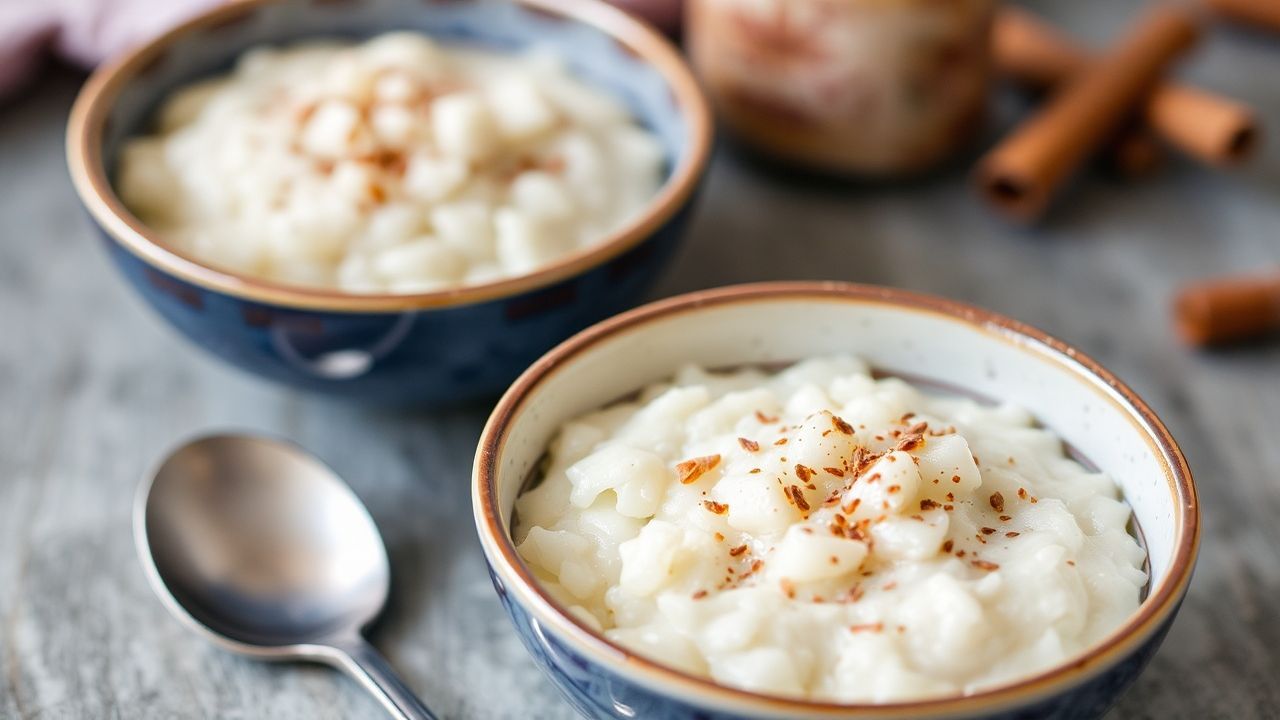

The scent of cinnamon and sweet, warm milk wafting from the kitchen has a primal pull, a comforting embrace that transcends generations and cultures. It’s the olfactory signature of childhood, of quiet afternoons, and of a dish that, in its simplest form, feels like a warm hug from the inside out: rice pudding. Yet, how often have we encountered versions that fall short? Those that are either a gummy, gluey mass or a watery, undercooked disappointment? The truth is, achieving that perfect balance – the luscious, creamy texture punctuated by tender, distinct grains of rice – is a culinary art. It’s not merely about boiling rice with milk; it’s a nuanced dance of ingredients, temperature, and time. This exploration explore the heart of creating an exemplary rice pudding, transforming a humble dessert into proof of thoughtful cooking, using rice that has been deliberately, and perfectly, cooked first.
At a Glance: Mastering Rice Pudding
- The foundation of superior rice pudding lies in the initial cooking of the rice, ensuring each grain is tender yet distinct.
- A careful balance of liquid-to-rice ratio, coupled with slow, gentle simmering, is paramount for achieving a creamy, not gummy, consistency.
- The selection of dairy (whole milk, cream) and the judicious use of aromatics like vanilla and cinnamon are key to developing depth of flavor.
- Patience is a chef’s greatest tool; allowing the pudding to rest and thicken post-cooking is crucial for its final texture.
The Art of the Perfectly Cooked Rice Base
Many recipes for rice pudding assume you’ll simply toss uncooked rice into a pot of milk and hope for the best. This is where the journey to mediocrity begins. The fundamental error is failing to control the initial hydration and cooking of the rice. By pre-cooking the rice, we gain granular control over its texture, ensuring it’s tender without becoming overly starchy or mushy, which is crucial for a superior rice pudding. This initial cooking phase is not a shortcut; it’s a precision step that sets the stage for a truly exceptional dessert. The type of rice chosen also plays a significant role, with short-grain or medium-grain varieties like Arborio or Calrose often favored for their starch content, which contributes to creaminess, but even these require careful pre-cooking.
Consider the difference between boiling pasta al dente and overcooking it into a soft, formless mass. The same principle applies to rice for pudding. A par-cooked grain retains its integrity while becoming tender enough to absorb the richness of the dairy and aromatics. This controlled cooking process prevents the dreaded ‘starch bomb’ effect that can plague poorly made rice puddings. My own early experiments, mirroring many home cooks, often resulted in a sticky, unappetizing sludge. It wasn’t until I embraced the concept of pre-cooking the rice, treating it with the respect it deserves, that the transformation occurred. The resulting puddings possessed a delightful textural contrast: a silken, creamy sauce cradling perfectly tender, individual grains of rice.
Choosing Your Rice: The Grain of Truth
The choice of rice is not a trivial matter. While Arborio rice, famously used for risotto, is a popular and often successful choice due to its high amylopectin content which lends creaminess, it can also lean towards a more risotto-like, slightly sticky texture if not managed carefully. For a more distinct grain, a medium-grain rice such as Calrose or even a good quality long-grain rice like Basmati, when cooked correctly, can yield a beautiful result. The key is to select a rice that will hold its shape while absorbing flavor. The inherent starch content of the rice is what will eventually thicken the pudding, so understanding this property is vital.
Traditionally, in many parts of Europe, short-grain varieties were preferred. In England, a medium-grain rice like pudding rice (often a specific type of short-grain) became the standard. The goal is to find a rice that, when cooked, offers a satisfying chew rather than dissolving into the liquid. This structural integrity ensures that each spoonful offers a delightful textural interplay, a hallmark of truly great rice pudding. It’s about achieving a balance where the rice is a prominent, yet integrated, component of the creamy whole.
The Foundation: A Superior Rice Pudding Recipe
This recipe focuses on building flavor and texture from the ground up, beginning with perfectly cooked rice. It’s a method that emphasizes patience and quality ingredients, yielding a rice pudding that is both deeply comforting and elegantly satisfying. This is not a dish to be rushed; it is a slow, deliberate creation.
Ingredients for Sublime Rice Pudding
- For the Pre-Cooked Rice:
- 1 cup (200g) Medium-grain white rice (e.g., Calrose, Arborio, or specific pudding rice)
- 2 cups (480ml) Water
- Pinch of salt
- For the Pudding Base:
- 4 cups (960ml) Whole milk
- 1 cup (240ml) Heavy cream (optional, for extra richness)
- ¾ cup (150g) Granulated sugar (adjust to taste)
- 1 teaspoon Pure vanilla extract
- ½ teaspoon Ground cinnamon, plus more for garnish
- ¼ teaspoon Ground nutmeg (optional)
- Zest of ½ lemon (optional, for brightness)
- 2 large Egg yolks (optional, for added richness and binding)
- Pinch of salt
Detailed Preparation Method
- Pre-cook the Rice: Rinse the rice thoroughly under cold running water until the water runs clear. This removes excess surface starch, which can contribute to gumminess. In a medium saucepan, combine the rinsed rice, 2 cups of water, and a pinch of salt. Bring to a boil over medium-high heat, then reduce the heat to low, cover, and simmer for 10-12 minutes, or until most of the water has been absorbed and the rice is just tender but still has a slight bite. Do not overcook. Drain any excess water, if necessary, though ideally, it will be fully absorbed. Set aside to cool slightly.
- Infuse the Dairy: In a large, heavy-bottomed saucepan (essential for even heat distribution), combine the whole milk and heavy cream (if using). Add the granulated sugar, ½ teaspoon of cinnamon, nutmeg (if using), lemon zest (if using), and a pinch of salt. Heat this mixture over medium-low heat, stirring occasionally, until it is steaming and the sugar has dissolved. Do not let it boil vigorously at this stage; we are gently warming and infusing the flavors.
- Combine and Simmer: Add the pre-cooked rice to the warmed milk mixture. Stir gently to combine. Bring the mixture to a very gentle simmer over medium-low heat. This is a critical phase. You want the pudding to bubble softly, not boil furiously. Stir frequently, scraping the bottom and sides of the pan to prevent sticking and scorching. This slow simmering allows the rice to absorb the creamy liquid and the flavors to meld beautifully.
- Develop Creaminess: Continue to simmer gently for 25-40 minutes, stirring often. The pudding will gradually thicken as the rice releases its remaining starch and absorbs the liquid. The consistency should be creamy and luscious, but still pourable. Remember, it will thicken further as it cools.
- Temper the Egg Yolks (Optional but Recommended): If using egg yolks for extra richness, whisk them in a separate small bowl with the vanilla extract. Once the pudding has reached your desired consistency, ladle about ½ cup of the hot pudding mixture into the egg yolks, whisking constantly. This process, called tempering, gently heats the yolks, preventing them from scrambling when added to the hot pudding.
- Finish the Pudding: Pour the tempered egg yolk mixture back into the saucepan with the rest of the pudding, whisking continuously. Cook for another 2-3 minutes over very low heat, stirring constantly, until the pudding has thickened slightly more. Do not let it boil after adding the egg yolks. Remove from heat.
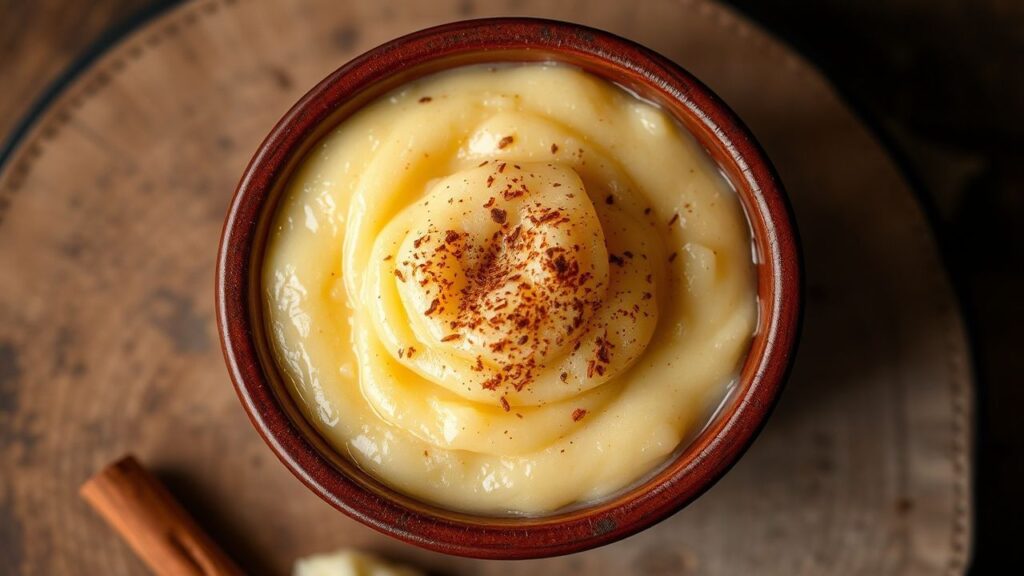
- Rest and Serve: Stir in the pure vanilla extract. Pour the rice pudding into individual serving bowls or a larger serving dish. Allow it to cool for at least 15-20 minutes at room temperature before serving warm. For a chilled pudding, cover the surface directly with plastic wrap to prevent a skin from forming, and refrigerate until cold.
Nutritional Snapshot: A Spoonful of Comfort
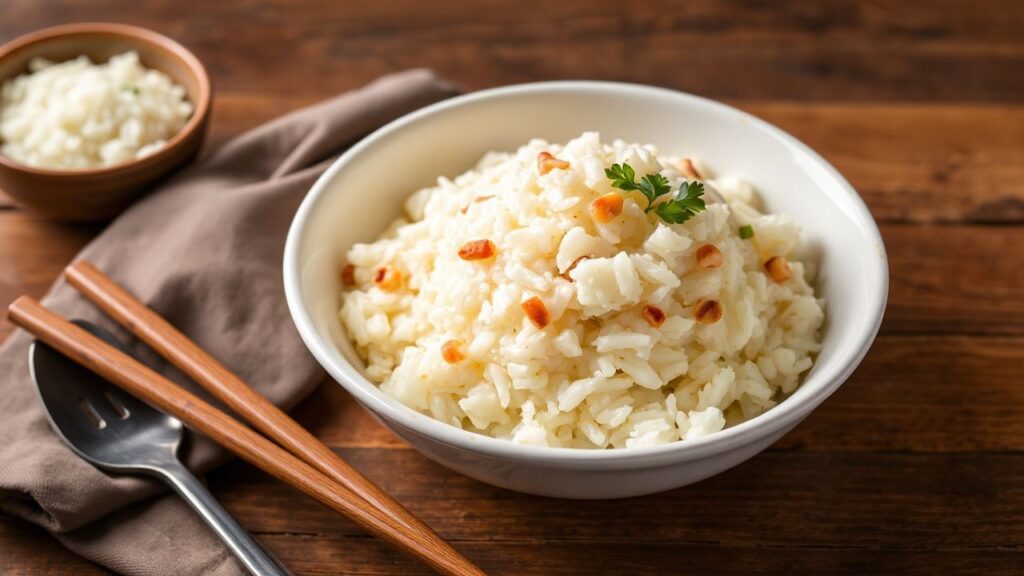
Understanding the nutritional profile of your creation can help in mindful indulgence. This information is an estimate per serving, assuming 6 servings from the recipe, without the optional heavy cream or egg yolks.
| Nutrient | Amount (approx.) |
|---|---|
| Calories | 350-400 kcal |
| Carbohydrates | 60-70g |
| Protein | 10-12g |
| Fat | 8-12g |
| Sugar | 30-40g |
The inclusion of whole milk and optional heavy cream contributes to the fat content, providing satiety and a rich mouthfeel. The carbohydrates come primarily from the rice and added sugar. Protein is derived from the milk and any added egg yolks. While it is a dessert, the presence of dairy offers some nutritional benefits, including calcium.
Elevating Your Rice Pudding: Expert Touches
Transforming a good rice pudding into an exceptional one often comes down to subtle refinements and a keen understanding of flavor pairings. These aren’t necessarily complex techniques, but rather thoughtful considerations that elevate the dish from comforting to captivating. It’s the difference between a homey staple and a dessert that could grace the menu of a discerning establishment.
The Importance of Quality Dairy
The choice of dairy is paramount. While water can be used to par-cook the rice, the pudding base should be rich. Whole milk is non-negotiable for its fat content, which contributes to the silky texture and mouthfeel. For an even more luxurious experience, incorporating a portion of heavy cream alongside the milk makes a significant difference. This is not a dish for skim milk; the fat is integral to the desired creaminess and flavor profile. The subtle sweetness and richness of dairy fat carry the aromatics, creating a more profound taste experience.
Aromatic Nuances and Flavor Depth
Beyond cinnamon, a world of aromatics can enhance rice pudding. A strip of lemon or orange zest, added during the milk infusion stage and removed before serving, imparts a bright, fresh counterpoint to the richness. A single star anise, a cardamom pod, or a sliver of ginger can introduce exotic warmth. Vanilla, of course, is classic, but using a high-quality pure vanilla extract or even a scraped vanilla bean makes a noticeable difference. The key is to use these aromatics judiciously, allowing them to complement, not overpower, the subtle sweetness of the rice and dairy.
The interplay of sweet and spice is also crucial. While sugar is the primary sweetener, a touch of honey or maple syrup can introduce nuanced sweetness. Cinnamon is a classic for a reason, but a pinch of freshly grated nutmeg or a whisper of ground cloves can add complexity. The goal is to create a harmonious flavor profile where each element sings without dissonant notes.
Texture Play and Presentation
The texture of rice pudding is arguably its most defining characteristic. Achieving that perfect balance between tender rice grains and a creamy, flowing sauce requires careful simmering and patience. Overcooking can lead to a gummy texture, while undercooking results in a watery, unpleasant dish. The optional addition of egg yolks, when tempered correctly, provides an extra layer of richness and helps to bind the pudding, giving it a custard-like consistency. However, it’s crucial not to overcook the pudding after adding the yolks, as this can lead to a scrambled texture.
Presentation also matters. While often served warm, chilled rice pudding can be equally delightful, offering a refreshing contrast. Garnishes are simple but effective: a dusting of cinnamon, a sprinkle of toasted nuts (almonds or pistachios work beautifully), or a scattering of fresh berries can add visual appeal and textural interest. A drizzle of fruit coulis or a dollop of crème fraîche can also elevate the dish.
The temperature at which rice pudding is served also influences its perception. A warm pudding offers immediate comfort, its aroma filling the air. A chilled pudding provides a refreshing, almost mousse-like experience. Both are valid and delicious, depending on the season and personal preference. The key is to allow the pudding to set properly, whether it’s destined for immediate enjoyment or a spell in the refrigerator.
A Global Perspective: Rice Pudding Through the Ages
Rice pudding is not merely a British or American comfort food; it’s a global phenomenon with myriad regional variations. In Spain, *arroz con leche* is often enriched with lemon zest, cinnamon, and sometimes milk and egg, creating a denser, custard-like texture. In Scandinavia, *risengrød* (Denmark) and *risgrynsgröt* (Sweden) are typically served warm with a spoonful of sugar, cinnamon, and often a dollop of jam or stewed fruit. The French *riz au lait* can be a delicate, creamy affair, sometimes flavored with orange blossom water.
These diverse interpretations highlight the universality of rice as a dessert base. The common thread is the transformation of simple ingredients—rice, milk, sugar—into something deeply satisfying. The variations in flavorings and textures reflect local agricultural products and culinary traditions. For instance, the use of condensed milk in some Asian variations, or the addition of coconut milk in Southeast Asian versions, showcases how regional ingredients adapt and enrich the fundamental concept of rice pudding. This global reach underscores its enduring appeal as a humble yet profoundly comforting dessert.
Frequently Asked Questions About Rice Pudding
Why is my rice pudding gummy or gluey?
A gummy or gluey rice pudding is almost always a result of excessive starch release, often due to overcooking the rice in the initial stage or using too much rice relative to the liquid. This can also happen if the rice is not rinsed sufficiently before cooking, leaving excess surface starch. Furthermore, cooking the pudding at too high a heat can agitate the starch granules too aggressively, leading to a sticky texture. The solution lies in carefully controlling the initial rice cooking, ensuring it’s *al dente*, and then simmering the pudding gently, stirring frequently, rather than boiling it vigorously.
How can I make my rice pudding creamier?
Creaminess in rice pudding is achieved through several factors. Firstly, using whole milk and, optionally, a portion of heavy cream is essential, as the fat content contributes significantly to the luxurious mouthfeel. Secondly, the starch released from the rice naturally thickens the pudding; pre-cooking the rice ensures it’s tender enough to release this starch gradually. Thirdly, slow, gentle simmering allows the rice to absorb the dairy and the flavors to meld, creating a cohesive, creamy texture. Finally, the optional addition of egg yolks, properly tempered, adds a rich, custard-like creaminess. Allowing the pudding to rest after cooking also contributes to its final, settled creaminess.
Can I make rice pudding with different types of rice?
Absolutely. While short-grain and medium-grain rice varieties are generally preferred for their starch content and ability to absorb liquid, you can experiment with others. Arborio rice, famously used in risotto, works very well due to its creamy texture. Calrose rice is another excellent option. Even long-grain rice like Basmati can be used, though it might yield a pudding with more distinct, less creamy grains. The key is to adjust the cooking time and liquid ratios as needed, and to ensure the rice is cooked through but not mushy. For brown rice, expect a longer cooking time and a nuttier, chewier result, which may appeal to some palates but deviates from the classic silky texture.
What is the best way to serve rice pudding?
Rice pudding is incredibly versatile in its serving. It can be enjoyed warm, straight from the pot (after resting), which is especially comforting on a chilly day. It can also be served chilled, offering a refreshing dessert option. The best way to serve it often depends on personal preference and the season. Garnishes are a wonderful way to enhance both the flavor and presentation. Classic choices include a dusting of ground cinnamon, a sprinkle of freshly grated nutmeg, or a swirl of fruit preserves. For added texture and richness, toasted chopped nuts like almonds or pistachios, or a drizzle of caramel or fruit coulis, are excellent additions. A small dollop of crème fraîche or a spoonful of lightly whipped cream can also provide a lovely contrast.
See also: Rice Pudding