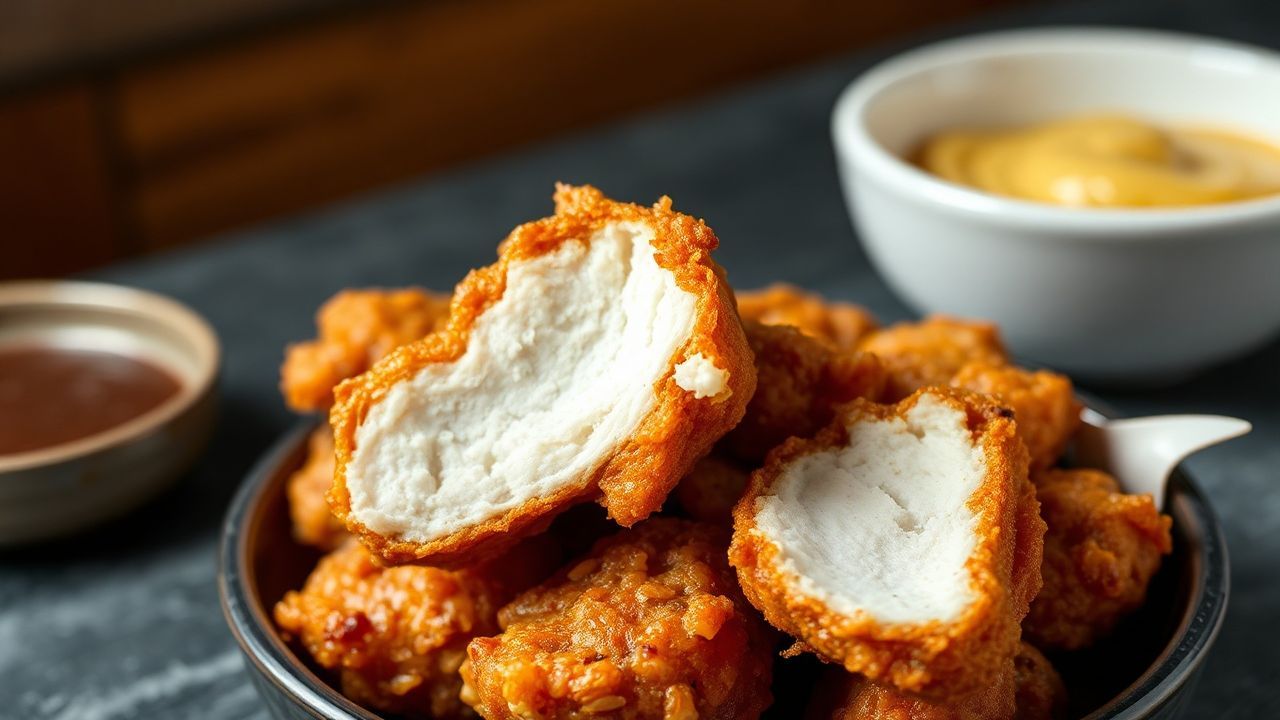

The aroma of freshly fried chicken is universally comforting, a siren song that draws us into kitchens and food stalls alike. Yet, there’s a distinct category of fried chicken that has captured global attention with its unparalleled texture and addictive flavor profile: Korean fried chicken. It’s not just fried chicken; it’s an experience. The quest for that perfect, ethereal crispness – a shatteringly delicate crust that yields to impossibly tender meat, devoid of greasiness – is a culinary Everest for many home cooks. I recall a particular evening in Seoul, tucked away in a bustling *chimaek* (chicken and beer) joint, where a platter of *yangnyeom* chicken arrived. The initial bite was a revelation: a crackling sound that was almost musical, followed by a moist, succulent interior. It was a stark contrast to the often-heavy, doughy fried chicken I’d encountered elsewhere. This experience solidified my resolve to demystify the magic behind truly exceptional Korean fried chicken, a pursuit that has led me down countless culinary rabbit holes, analyzing techniques from ancient frying methods to modern food science. This article is the culmination of that journey, designed to equip you with the knowledge and the precise methodology to recreate that transcendent crispiness in your own kitchen.
- Deconstructing the Korean Fried Chicken Phenomenon
- The Foundation: Selecting and Preparing Your Chicken
- The Marinade: Infusing Flavor and Tenderness
- The Art of the Crisp: Mastering the Coating and Frying Process
- Saucing: The Flavor Symphony
- Nutritional Information (Approximate per serving, 1/4 of recipe, sauced)
- Elevating Your Korean Chicken Game: Pro Tips and Tricks
- The Importance of Oil Quality and Temperature
- Moisture Control: The Ultimate Crisp Factor
- Customizing Your Flavors
- Serving Suggestions
- Frequently Asked Questions About Korean Fried Chicken
Key Takeaways for Perfect Korean Fried Chicken
- Double Frying is Paramount: This technique, crucial for achieving maximum crispness without overcooking the interior, is non-negotiable.
- The Role of Starch: A judicious blend of starches, particularly potato or corn starch, is the cornerstone of the signature delicate, shatter-proof crust.
- Temperature Control is Non-Negotiable: Precise oil temperatures during both frying stages are critical for both texture and safety.
- Marinade for Flavor and Tenderness: A well-balanced marinade not only infuses flavor but also helps tenderize the chicken, ensuring a moist interior.
Deconstructing the Korean Fried Chicken Phenomenon
The allure of Korean fried chicken, or *chikin* (치킨), extends far beyond its satisfying crunch. It’s a cultural touchstone, an emblem of social gatherings, and a beloved late-night indulgence. Unlike its Western counterparts, which often rely on a thick, biscuity batter, Korean fried chicken typically features a much lighter, almost translucent coating. This is achieved through a careful application of starches and a meticulous frying process. The result is a crust that is remarkably thin, shatteringly crisp, and astonishingly grease-free. This textural dichotomy – the delicate, brittle exterior against the succulent, juicy meat – is what sets it apart. The evolution of this dish, from its post-Korean War origins where it was a luxury item, to its current status as a ubiquitous street food and restaurant staple, speaks volumes about its enduring appeal. It’s a dish that has been refined and perfected over decades, with regional variations and countless secret family recipes contributing to its diverse mix. Understanding this cultural context enriches the cooking experience, transforming a simple recipe into a culinary exploration. For a deeper understanding of the history of fried chicken, one can explore its origins on Wikipedia.
The Foundation: Selecting and Preparing Your Chicken
The genesis of any superlative fried chicken begins with the quality of the bird itself. For Korean fried chicken, bone-in, skin-on pieces are generally preferred, as the bone adds flavor and the skin contributes to the overall crispiness and richness. Mid-joints (drumettes and flats) are particularly popular due to their manageable size and excellent meat-to-bone ratio, but thighs and wings also perform admirably.
Choosing the Right Cut
- Drumettes and Flats: Ideal for individual servings, they cook relatively quickly and offer a good balance of meat and crispy skin.
- Wings (Whole): Can be separated into flats and drumettes, or left whole for a more substantial bite.
- Thighs: While less common in traditional Korean fried chicken, boneless, skinless thighs can be cut into bite-sized pieces and marinated for a quicker, more accessible version. The fat content ensures moisture.
- Breasts: Generally avoided for their tendency to dry out, but can be used if extremely careful attention is paid to cooking time.
Prepping for Perfection
A crucial preliminary step is to properly dry the chicken pieces. Moisture is the enemy of crispiness. After rinsing and patting dry, allow the chicken to air dry in the refrigerator, uncovered, for at least 30 minutes, or ideally, a few hours. This process draws out surface moisture, setting the stage for a superior crust. Some chefs even advocate for a longer, overnight dry brine for enhanced flavor and texture.
The Marinade: Infusing Flavor and Tenderness
A well-executed marinade is the unsung hero of tender, flavorful Korean fried chicken. It’s not merely about adding spice; it’s about tenderizing the meat and laying a foundation for the sauces that will later adorn the finished product. The typical Korean marinade is a delicate balance of savory, sweet, and pungent notes.
Classic Marinade Components
- Aromatics: Garlic and ginger are fundamental, providing a pungent, zesty base.
- Savory Elements: Soy sauce or *ganjang* (Korean soy sauce) offers umami depth, while a touch of fish sauce can amplify this further.
- Sweetness: Mirin (Korean rice wine) or honey provides a subtle sweetness and helps with browning.
- Acidity: A splash of rice vinegar or even a bit of lemon juice can help tenderize the meat.
- Umami Boosters: A dash of MSG (monosodium glutamate) is traditional and highly effective in enhancing the savory notes, though optional for those who prefer to omit it.
Marinating Technique
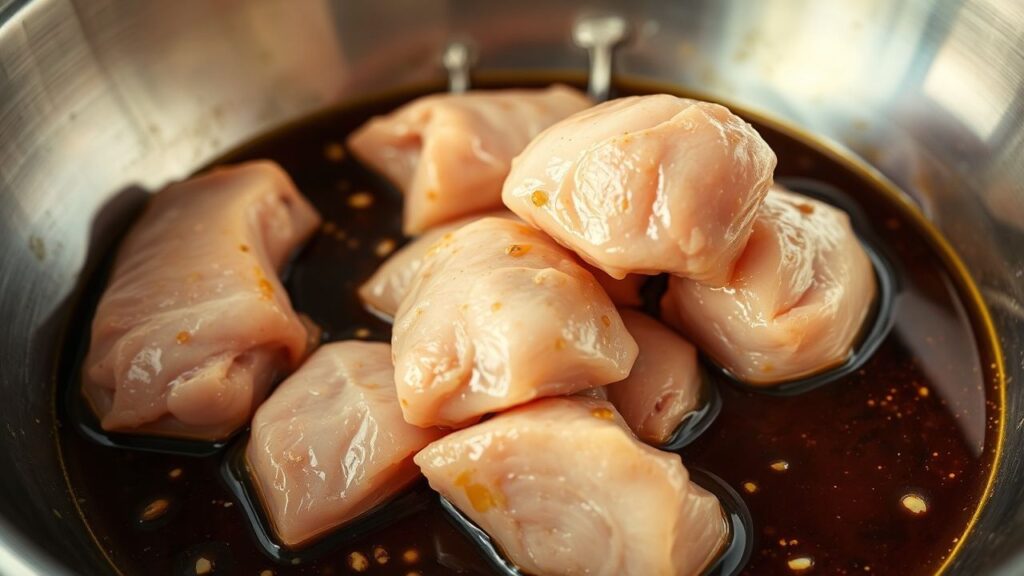
Combine all marinade ingredients in a large bowl. Add the prepared chicken pieces, ensuring each piece is thoroughly coated. For optimal flavor penetration and tenderness, marinate for a minimum of 2 hours, and up to 12 hours in the refrigerator. This extended marination period allows the enzymes in the marinade to begin breaking down the protein fibers, resulting in a more tender chicken.
The Art of the Crisp: Mastering the Coating and Frying Process
This is where the magic truly happens, the secret to that signature, ethereal crispness. It’s a two-stage process, meticulously executed.
The Coating: Beyond Flour
Unlike Western fried chicken, which often relies on wheat flour, Korean fried chicken predominantly uses starches for its coating. This is the primary factor contributing to its delicate, shatter-proof texture. A blend of potato starch and cornstarch is common, with potato starch often favored for its superior crisping properties. Some recipes also incorporate a small amount of all-purpose flour for a bit more structure, but the emphasis remains firmly on starch.
Coating Ratios and Application
A common and highly effective ratio is 2 parts potato starch to 1 part cornstarch. Some chefs also incorporate a tablespoon or two of glutinous rice flour for an even more delicate crunch. Whisk the starches together in a shallow dish. After marinating, drain the chicken pieces well and toss them directly in the dry starch mixture until thoroughly coated. Gently shake off any excess. The goal is a fine, even coating, not a thick, clumpy layer.
The Double Fry: The Secret Weapon
This is arguably the most critical technique for achieving unparalleled crispiness. The double fry ensures that the exterior is perfectly cooked and crispy without overcooking the interior, resulting in exceptionally juicy meat.
Stage One: The Initial Fry (Low and Slow)**
- Preheat your neutral oil (such as canola, vegetable, or peanut oil) in a heavy-bottomed pot or Dutch oven to 325°F (160°C). Use a thermometer for accuracy; this is non-negotiable.
- Carefully add the coated chicken pieces in batches, ensuring not to overcrowd the pot. Overcrowding will significantly lower the oil temperature, leading to greasy chicken.
- Fry for approximately 6-8 minutes, or until the chicken is cooked through but not yet deeply golden. The coating will be lightly set and have a pale, opaque appearance.
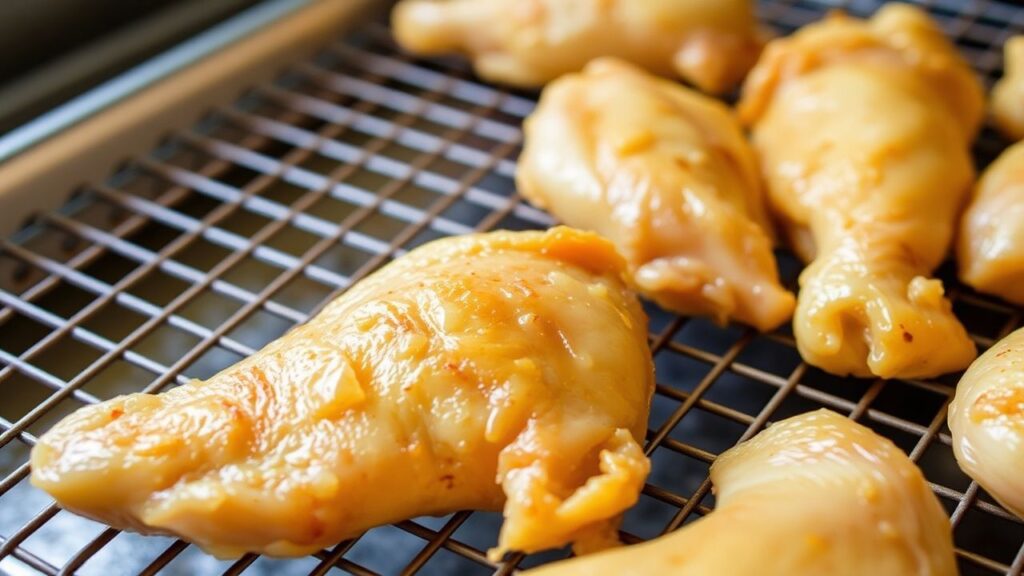
- Remove the chicken from the oil and place it on a wire rack set over a baking sheet to drain. Allow it to rest for at least 5-10 minutes. This resting period is crucial as it allows steam to escape and the crust to firm up.
Stage Two: The High-Heat Crisp
- Increase the oil temperature to 350-360°F (175-180°C).
- Return the partially fried chicken pieces to the hot oil, again in batches, for another 2-4 minutes, or until they are deeply golden brown and exquisitely crispy.
- Remove the chicken and drain it again on a clean wire rack. The second fry is about achieving that signature crispness and color.
Saucing: The Flavor Symphony
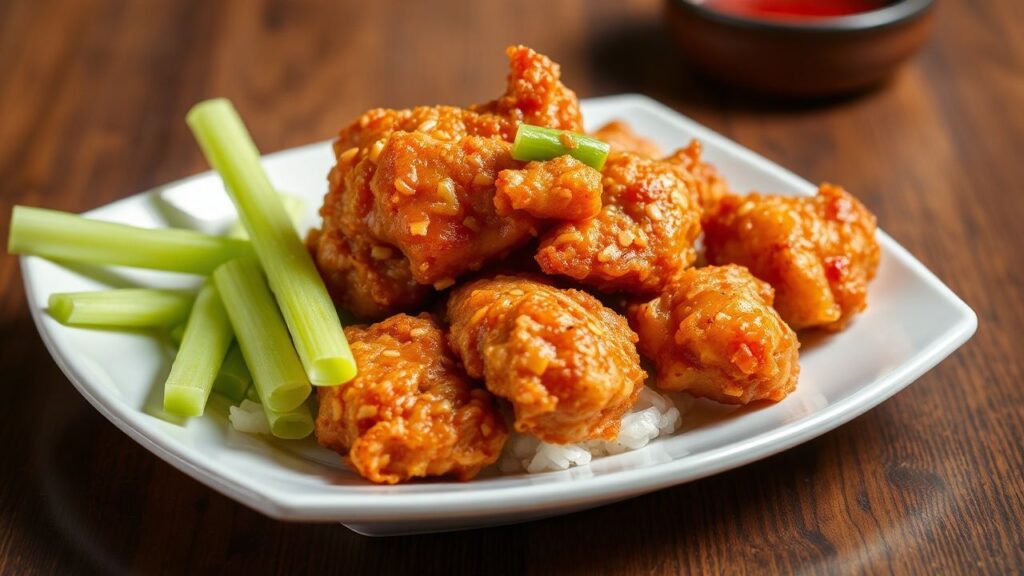
Once your chicken is perfectly fried, it’s time to dress it in its signature sauces. The most popular Korean fried chicken sauces are *yangnyeom* (sweet and spicy) and *ganjang* (soy garlic). You can also serve it plain, allowing the crispiness of the coating to shine.
Yangnyeom Sauce (Sweet & Spicy)
This is the quintessential Korean fried chicken sauce, a harmonious blend of sweet, spicy, and tangy notes.
Ingredients:
- 2 tablespoons gochujang (Korean chili paste)
- 2 tablespoons honey or corn syrup
- 1 tablespoon soy sauce
- 1 tablespoon rice vinegar
- 1 tablespoon minced garlic
- 1 teaspoon sesame oil
- Pinch of black pepper
Preparation:
In a saucepan over medium heat, combine all ingredients. Stir continuously until the sauce thickens slightly, about 2-3 minutes. Remove from heat.
Ganjang Sauce (Soy Garlic)
A savory, slightly sweet, and deeply aromatic sauce.
Ingredients:
- 3 tablespoons soy sauce
- 2 tablespoons honey or corn syrup
- 1 tablespoon mirin (Korean rice wine)
- 1 tablespoon minced garlic
- 1 teaspoon grated fresh ginger
- 1/2 teaspoon sesame oil
Preparation:
In a saucepan over medium heat, combine all ingredients. Bring to a simmer and cook for 2-3 minutes, until slightly thickened. Remove from heat.
Tossing the Chicken
In a large bowl, gently toss the freshly fried chicken pieces with your chosen sauce until evenly coated. Serve immediately, garnished with toasted sesame seeds and thinly sliced scallions for an extra layer of flavor and visual appeal. A dish like this is perfect for sharing with friends over a cold beverage, making it a staple for gatherings, similar to how tapas are enjoyed. For more ideas on sharing plates, explore DinnerCook.com.
Nutritional Information (Approximate per serving, 1/4 of recipe, sauced)
*Note: Nutritional values can vary significantly based on the size of chicken pieces, amount of oil absorbed, and specific sauce ingredients.*
| Nutrient | Amount |
|---|---|
| Calories | 650-800 kcal |
| Protein | 35-45 g |
| Fat | 40-55 g |
| Saturated Fat | 10-15 g |
| Carbohydrates | 30-45 g |
| Sugar | 15-25 g (depending on sauce) |
| Sodium | 800-1500 mg (depending on sauce) |
Elevating Your Korean Chicken Game: Pro Tips and Tricks
Achieving that elusive perfect crisp requires a nuanced approach. Here are some expert-level insights to refine your technique.
The Importance of Oil Quality and Temperature
Using a neutral oil with a high smoke point is essential. Canola, vegetable, or peanut oil are excellent choices. Maintaining the correct oil temperatures throughout both frying stages is paramount. An unstable temperature leads to uneven cooking and greasy chicken. A reliable instant-read thermometer is your most valuable tool in this endeavor.
Moisture Control: The Ultimate Crisp Factor
Beyond drying the chicken, consider the environment. If you live in a humid climate, this can make achieving crispiness more challenging. Frying in a well-ventilated area can help. Ensure your cooling racks are elevated, allowing air to circulate freely around the chicken.
Customizing Your Flavors
While *yangnyeom* and *ganjang* are classics, don’t be afraid to experiment. Consider adding a touch of sriracha to the *yangnyeom* for extra heat, or a splash of dark soy sauce to the *ganjang* for a richer color and deeper flavor. A sprinkle of finely chopped fresh chili peppers can also add a vibrant kick. For inspiration on flavor combinations, visit WhimRecipes.com.
Serving Suggestions
Korean fried chicken is traditionally enjoyed with *maekju* (beer), a pairing known as *chimaek*. It also pairs wonderfully with pickled radishes (*danmuji*), a simple side salad, or even a bowl of steamed rice. The contrast of the crispy chicken with the refreshing acidity of the pickles is a delightful culinary interplay.
Frequently Asked Questions About Korean Fried Chicken
What is the difference between Korean fried chicken and American fried chicken?
The primary difference lies in the coating and the frying technique. American fried chicken typically uses a flour-based batter or dredge, resulting in a thicker, often biscuit-like crust. Korean fried chicken, on the other hand, relies heavily on starches (like potato or corn starch) for a much thinner, lighter, and shatteringly crisp coating. Furthermore, Korean fried chicken almost universally employs a double-frying method to achieve its signature texture, whereas American fried chicken is usually fried once.
Why is my Korean fried chicken not crispy?
Several factors can contribute to a lack of crispiness. Insufficient drying of the chicken before coating is a major culprit, as excess moisture steams the coating rather than crisping it. Overcrowding the pot during frying lowers the oil temperature, leading to greasy, limp chicken. Incorrect oil temperature is another common issue; too low a temperature results in absorption of oil, while too high a temperature burns the outside before the inside is cooked. Finally, not allowing the chicken to rest between the first and second fry can compromise the crust’s integrity.
Can I make Korean fried chicken in an air fryer?
While an air fryer can produce a decent fried chicken, it will not replicate the exact crispness and texture of traditional Korean fried chicken achieved through deep frying. The intense, even heat of oil is unique in its ability to create that delicate, shatter-proof crust. Air fryers can produce a good result, but it’s a different outcome than the authentic deep-fried version. For air fryer recipes, one might explore RecipeRevelation.com, but for the true Korean fried chicken experience, deep frying remains the gold standard.
The pursuit of perfect Korean fried chicken is a rewarding culinary endeavor. By understanding the fundamental principles of starch coatings, meticulous temperature control, and the transformative power of the double fry, you can elevate your home cooking to an exceptional level. This recipe, honed through countless experiments and inspired by the vibrant culinary scene of Seoul, offers a pathway to achieving that coveted crispiness and flavor. So, gather your ingredients, embrace the process, and prepare to be delighted by the irresistible crunch of truly authentic Korean fried chicken. For more culinary explorations, consider visiting Hollarecipe.com.
See also: Korean Chicken