
Can a Humble Pot of Beans Truly Capture the Soul of a French Classic?
- The Reimagined Cassoulet: A Vegetarian Overture to a French Legend
- The Quintessential White Bean: Building the Foundation of Our Vegetarian Cassoulet
- Crafting Depth: The Art of Vegetal Umami in Cassoulet
- The Symphony of Aromatics and Herbs
- The Crucial Crust: Texture and Tradition in Vegetarian Cassoulet
- The Art of the Assembly: Bringing it All Together
- The Vegetarian Cassoulet Recipe: A Detailed Blueprint
- Yields: 6-8 servings
- Prep time: 30 minutes (plus overnight soaking for beans)
- Cook time: 2.5 – 3 hours
- Nutritional Information (Per Serving, approximate)
- Expert Pro-Tips for Elevating Your Vegetarian Cassoulet
- Conclusion: A Triumph of Plant-Based Comfort
- Frequently Asked Questions
The Reimagined Cassoulet: A Vegetarian Overture to a French Legend
The very mention of cassoulet conjures images of slow-simmered richness, a hearty testament to French provincial cuisine, traditionally built upon a foundation of confit duck, pork sausages, and an abundance of white beans. It’s a dish that speaks of long winter evenings, of communal feasting, and of a profound respect for ingredients. But what happens when we strip away the animal proteins, not to diminish its soul, but to explore its inherent, vegetal profundity? Can a vegetarian cassoulet, meticulously crafted, transcend its perceived limitations and offer a culinary experience that is not merely an imitation, but a vibrant, compelling entity in its own right? This is the question that drives our exploration into a vegetarian white bean cassoulet, a dish that, when approached with the right understanding and technique, can indeed rival its classic counterpart in depth, complexity, and sheer, unadulterated comfort.
At a Glance: Key Takeaways for a Superior Vegetarian Cassoulet
- Flavor Layering is Paramount: Achieving depth without meat requires meticulous building of umami through roasted vegetables, aromatic herbs, and a robust broth.
- Bean Selection Matters: The right variety of white bean provides the ideal texture and capacity to absorb flavor, forming the creamy heart of the dish.
- Texture Diversity is Crucial: Introduce contrasting textures through crispy elements, caramelized vegetables, and a perfectly baked crust to mimic the richness of traditional cassoulet.
- Patience is a Virtue: Like its meat-laden ancestor, this vegetarian rendition thrives on slow cooking, allowing flavors to meld and deepen.
The history of cassoulet, originating from the Languedoc region of France, is steeped in folklore and practicality. Legend has it that during the Hundred Years’ War, the besieged town of Castelnaudary pooled its resources to create a monumental stew, a cassole (hence the name), to feed its defenders, fortifying them against the English. While apocryphal, it speaks to the dish’s inherent ability to nourish and sustain. Modern cassoulet, as perfected in towns like Castelnaudary, Carcassonne, and Toulouse, each with their distinct variations, is a symphony of slow-cooked pork, duck confit, lamb, and white beans, baked for hours until the surface develops a coveted crisp crust. Recreating this soul-satisfying experience with plant-based ingredients demands not a compromise, but a thoughtful reinterpretation, leveraging the inherent qualities of vegetables and legumes to achieve a similar, if not identical, sense of profound satisfaction.
The Quintessential White Bean: Building the Foundation of Our Vegetarian Cassoulet
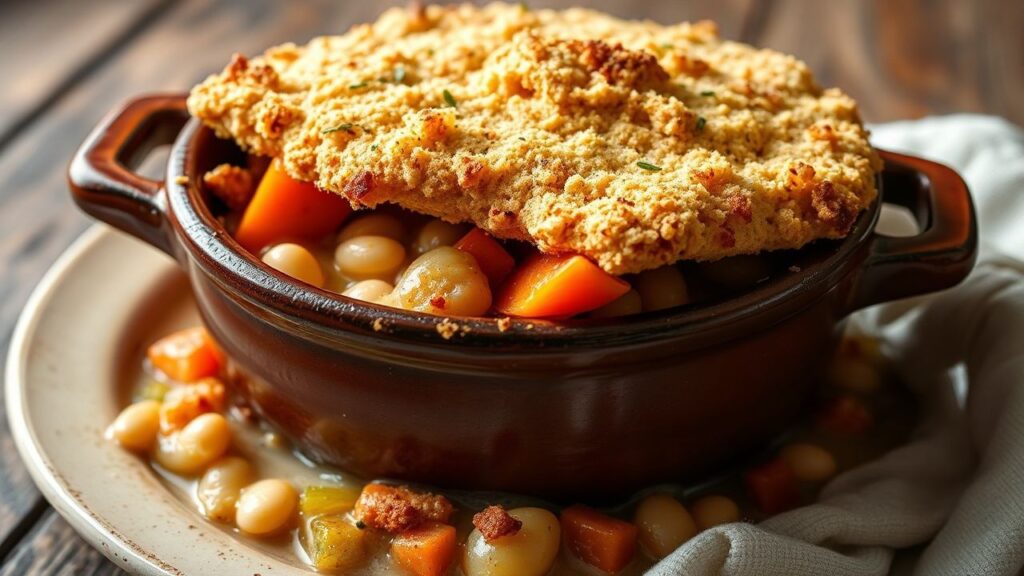
The very soul of any cassoulet resides in its beans. For our vegetarian iteration, the choice of white bean is paramount. We are not merely seeking a vehicle for flavor, but an ingredient that contributes its own creamy texture and subtle sweetness. The classic choices, such as the Great Northern bean or the TarBais bean (a smaller, more tender variety from Southwestern France, though often difficult to source outside its region), are excellent starting points. However, for accessibility and consistent results, the Great Northern bean proves an exceptional champion. Its substantial size and ability to hold their shape while becoming wonderfully tender make them ideal for the long, slow cooking process inherent to cassoulet. Alternatively, the Cannellini bean offers a slightly creamier, almost buttery texture, which can lend a luxurious mouthfeel to the finished dish. The key is to use dried beans, which offer superior texture and flavor absorption compared to canned varieties, and to soak them properly overnight to ensure even cooking and digestibility.
The preparation of these beans is not a step to be rushed. Soaking overnight is non-negotiable. After soaking, they are rinsed thoroughly and then simmered gently in fresh water, ideally with aromatics like a bay leaf, a sprig of thyme, and a clove of garlic, until they are tender but not falling apart. This initial cooking phase is crucial. Undercooked beans will remain mealy and unpleasant, while overcooked beans will disintegrate, transforming our cassoulet into a mushy disappointment. The water used for simmering can even be reserved and added back to the cassoulet later, contributing an extra layer of subtle bean flavor.
Selecting the Right Beans: A Comparative Analysis
- Great Northern Beans: Excellent all-rounder. Holds shape well, absorbs flavor beautifully, and provides a satisfying, creamy texture. Widely available.
- Cannellini Beans: Offers a richer, creamier, almost buttery texture. Pairs wonderfully with robust flavors. Also readily available.
- TarBais Beans: The traditional choice for authentic French cassoulet. Small, tender, and exceptionally flavorful, but often expensive and hard to find.
- Navy Beans: Smaller than Great Northerns, they cook quickly and can become very creamy. However, they are more prone to breaking apart, so vigilance is needed.
Understanding the nuances between these bean varieties allows us to tailor the cassoulet to our desired outcome. For instance, if a particularly silken texture is sought, a slightly higher proportion of Cannellini beans might be incorporated. Conversely, if a more robust, toothsome cassoulet is the goal, Great Northerns will serve admirably. The textural integrity of the beans is paramount to the overall success of the dish, acting as the textural anchor amidst the softened vegetables and flavorful broth.
Crafting Depth: The Art of Vegetal Umami in Cassoulet
The absence of meat presents a unique challenge and, indeed, an opportunity for culinary innovation. Traditional cassoulet’s depth of flavor comes from the rendered fats and savory notes of pork and duck. To replicate this richness in a vegetarian version, we must meticulously layer umami-rich ingredients. This begins with a robust aromatic base. Finely diced mirepoix – onions, carrots, and celery – sweated slowly in good quality olive oil until deeply softened and beginning to caramelize, forms the foundational sweetness and savory depth. The addition of garlic, minced and gently cooked until fragrant, further enhances this aromatic complexity. Beyond the standard mirepoix, consider the inclusion of roasted vegetables, which develop a profound sweetness and concentrated flavor. Halved fennel bulbs, quartered Brussels sprouts, or even wedges of celeriac, roasted until tender and slightly charred, can impart a smoky, earthy character that mimics the depth of slow-cooked meats.
Furthermore, the introduction of intensely flavored elements is crucial. Sun-dried tomatoes, rehydrated and finely chopped, offer a concentrated burst of sweet-tart tomato flavor and a chewy texture. Mushrooms, particularly dried porcini mushrooms, reconstituted and their liquor strained and added to the braising liquid, lend an unmistakable earthy, umami punch. A generous pinch of smoked paprika, not the sweet variety, but a good quality, smoky Spanish pimentón, can also introduce a subtle smoky undertone that evokes the character of cured meats. The key is to build these flavors incrementally, allowing each component to contribute its unique signature to the evolving tapestry of the cassoulet.
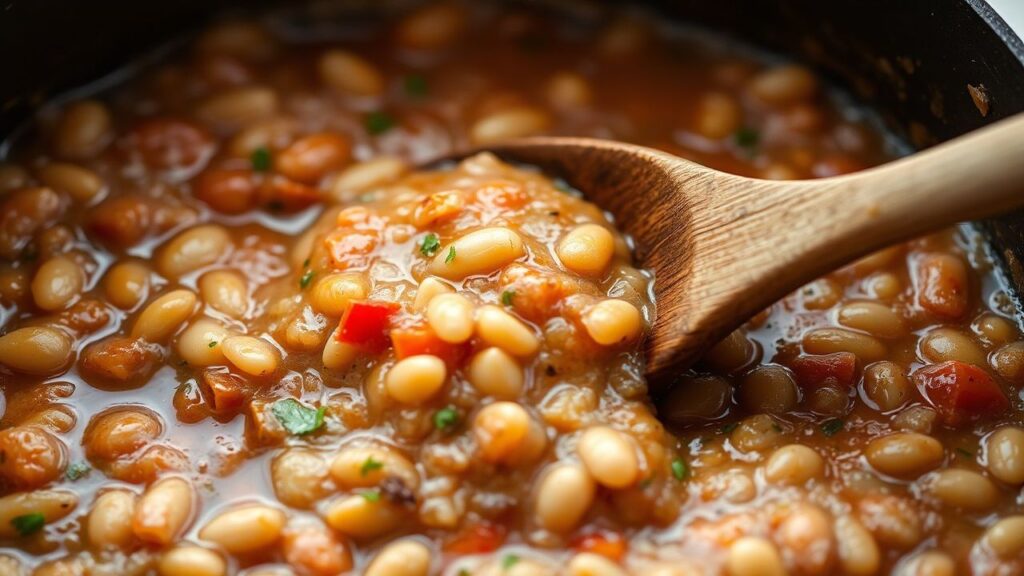
Elevating Umami: Beyond the Mirepoix
- Roasted Root Vegetables: Carrots, parsnips, and celeriac, roasted until tender and caramelized, add sweetness and depth.
- Fennel: Its subtle anise notes and sweetness, especially when roasted, provide an unexpected yet delightful complexity.
- Sun-Dried Tomatoes: Chopped finely, they offer concentrated sweet-tartness and a pleasing chew.
- Dried Porcini Mushrooms: Rehydrated, their potent umami flavor and liquor are invaluable additions to the broth.
- Smoked Paprika: A whisper of smoky spice can evoke the character of traditional cured meats.
The liquid base for our vegetarian cassoulet is equally important. While a good vegetable broth is essential, it needs further enrichment. A splash of dry white wine, reduced to deglaze the pan and capture all the flavorful fond from sautéing the aromatics, adds acidity and complexity. Tomato paste, cooked down until it darkens and deepens in flavor, provides a rich, concentrated tomato base. The strained liquid from cooking the beans, as mentioned, can be incorporated for an extra layer of subtle, starchy goodness. Some chefs advocate for a touch of soy sauce or tamari for an extra boost of umami, though this should be used judiciously to avoid an overtly Asian flavor profile.
The Symphony of Aromatics and Herbs
No cassoulet, vegetarian or otherwise, is complete without a judicious use of herbs. The classic bouquet garni, typically comprising thyme, parsley, and bay leaves, is indispensable. These aromatics infuse the simmering beans with their fragrant oils, adding layers of earthy, herbaceous notes that cut through the richness. For our vegetarian version, we can amplify this aromatic profile. A few sprigs of fresh rosemary, its piney notes providing a counterpoint to the sweetness of the beans, can be a welcome addition. Sage, with its slightly peppery, earthy flavor, also harmonizes beautifully with white beans and root vegetables. The key is to add these herbs early in the cooking process, allowing their flavors to meld and infuse, but to remove them before serving to avoid a bitter or overwhelming herbaceousness.
The texture of the herbs themselves also plays a role. While whole sprigs are ideal for infusion, finely chopped fresh parsley or chives, stirred in just before serving, can provide a bright, fresh counterpoint and a visual appeal. Consider a small amount of chopped fresh marjoram, its slightly floral and pungent notes adding another dimension. The goal is to create an aromatic profile that is complex and multifaceted, rather than one-dimensional. This careful selection and application of herbs elevate the vegetarian cassoulet from a simple stew to a sophisticated culinary creation.
Harnessing Herbaceous Power: A Guide
- Thyme: Earthy and slightly floral, a classic for a reason.
- Bay Leaf: Imparts a subtle, savory depth.
- Rosemary: Piney and robust, use sparingly for a sophisticated note.
- Sage: Earthy and slightly peppery, a natural partner to beans.
- Parsley: For freshness and garnish.
The interplay of these herbs with the sweetness of the caramelized vegetables, the creaminess of the beans, and the richness of the broth creates a complex flavor profile. Think of the difference between a simple boiled bean and a bean simmered with a bouquet garni – the transformation is profound. This principle is amplified in a cassoulet, where the slow cooking time allows these subtle aromatic nuances to fully develop and meld into a harmonious whole.
The Crucial Crust: Texture and Tradition in Vegetarian Cassoulet
One of the most iconic elements of a traditional cassoulet is its crust. This layer of golden-brown, often slightly crisp breadcrumbs, mingling with the beans and vegetables beneath, provides a delightful textural contrast to the tender interior. Recreating this in a vegetarian cassoulet requires careful consideration. While some might opt for a simple dusting of breadcrumbs, a truly exceptional crust is built upon a foundation of flavor and texture. Panko breadcrumbs, with their airy, irregular shape, toast to a superior crispness compared to standard breadcrumbs. These can be tossed with a drizzle of olive oil, a pinch of garlic powder, and a scattering of finely chopped fresh parsley or thyme. For an even more decadent experience, consider adding a tablespoon or two of finely grated Parmesan cheese (if including dairy) or nutritional yeast for a cheesy, umami-rich flavor that complements the savory notes of the cassoulet.
The method of baking is also critical. The cassoulet should be baked in a moderately hot oven, uncovered, allowing the top to gradually brown and crisp. Some chefs recommend a period of broiling at the very end, with careful supervision, to achieve an even more pronounced crispness. However, this must be done with extreme caution to prevent burning. The ideal crust is one that is shatteringly crisp on top, yielding to a tender, moist interior. The contrast between the crunchy topping and the creamy beans below is what truly elevates the dish, providing a textural dimension that is as important as the flavor itself.
Mastering the Cassoulet Crust
- Panko Breadcrumbs: For superior crispness and texture.
- Olive Oil: Essential for toasting and browning.
- Aromatics: Garlic powder, dried herbs add flavor.
- Umami Boosters: Nutritional yeast or Parmesan cheese (optional) for depth.
- Baking Technique: Moderate oven heat, potentially a brief broil.
The beauty of the cassoulet crust lies in its simplicity, yet its execution is proof of the power of textural contrast. It’s the culinary equivalent of a satisfying crunch that signals a well-earned reward. In our vegetarian cassoulet, this crust acts as a final flourish, a delightful textural counterpoint that brings the entire dish together, offering a satisfying conclusion to each spoonful.
The Art of the Assembly: Bringing it All Together
The final assembly of a vegetarian cassoulet is a ritual that honors the dish’s heritage. Traditionally, cassoulet is baked in a deep, earthenware dish, a cassole. While any oven-safe casserole dish will suffice, an earthenware one lends an authentic rustic charm and helps distribute heat evenly. Begin by layering the tender, cooked white beans into the bottom of the dish. Spoon over the rich, aromatic vegetable mixture, ensuring an even distribution of flavors and textures. If using any additional elements like roasted vegetables or chunks of plant-based sausage (for those who wish to add them), layer them in now. Pour over enough of the reserved bean cooking liquid and vegetable broth to almost cover the beans, leaving a little room for the crust to form. Finally, scatter the prepared breadcrumb mixture evenly over the top.
The baking process is where the magic truly happens. The cassoulet is baked in a moderate oven, typically around 180°C (350°F), for at least 45 minutes to an hour, or until the beans are heated through, the flavors have melded, and the crust has turned a beautiful golden brown and is delightfully crisp. Some chefs advocate for a technique where the crust is broken and the beans are stirred back into the liquid a couple of times during baking. This is said to further enrich the beans and create a more cohesive dish. However, for a vegetarian cassoulet where the textural integrity of the beans is paramount, and the focus is on a distinct crust, this step is often omitted. The goal is a dish that is bubbling, fragrant, and boasts that coveted crisp topping.
The visual appeal of the finished cassoulet is undeniable. The rich, earthy tones of the beans and vegetables, crowned with the golden-brown crust, are proof of its comforting nature. It’s a dish that looks as satisfying as it tastes, promising a journey of deep, resonant flavors and comforting textures with every forkful. The anticipation built during the baking process only heightens the pleasure of the first bite.
The Vegetarian Cassoulet Recipe: A Detailed Blueprint
This recipe aims to capture the essence of traditional cassoulet while celebrating the inherent deliciousness of plant-based ingredients. It requires patience and attention to detail, but the reward is a dish that is both deeply satisfying and remarkably flavorful.
Yields: 6-8 servings
Prep time: 30 minutes (plus overnight soaking for beans)
Cook time: 2.5 – 3 hours
Ingredients:
- 500g (approx. 2.5 cups) dried white beans (Great Northern or Cannellini recommended)
- 2 tablespoons olive oil, plus more for drizzling
- 2 large yellow onions, finely diced
- 4 carrots, peeled and finely diced
- 4 celery stalks, finely diced
- 4 cloves garlic, minced
- 150g (approx. 1 cup) sun-dried tomatoes (oil-packed, drained), finely chopped
- 2 tablespoons tomato paste
- 150ml (approx. 2/3 cup) dry white wine
- 1.5 liters (approx. 6 cups) good quality vegetable broth
- 1 bouquet garni (2 sprigs fresh thyme, 2 sprigs fresh parsley, 1 bay leaf, tied together with kitchen twine)
- 1 sprig fresh rosemary (optional)
- 1 sprig fresh sage (optional)
- Salt and freshly ground black pepper to taste
- 150g (approx. 1.5 cups) panko breadcrumbs
- 1 tablespoon nutritional yeast (optional, for cheesy flavor)
- Fresh parsley, chopped, for garnish
Equipment:
- Large bowl for soaking beans
- Large pot for cooking beans
- Large, heavy-bottomed pot or Dutch oven
- Earthenware cassoulet dish or large oven-safe casserole dish (approx. 2-3 quart capacity)
Method:
- Prepare the Beans: The day before, rinse the dried beans thoroughly. Place them in a large bowl and cover with plenty of cold water. Let them soak overnight (at least 8 hours).
- Cook the Beans: Drain and rinse the soaked beans. Place them in a large pot and cover with fresh cold water by about 2 inches. Add the bouquet garni (reserve rosemary and sage for later if using). Bring to a gentle simmer, then reduce heat to low, cover, and cook for 45-75 minutes, or until the beans are tender but still hold their shape. Do not overcook. Drain the beans, reserving about 1 liter (4 cups) of the cooking liquid. Discard the bouquet garni.
- Sauté Aromatics: While the beans are cooking, heat 2 tablespoons of olive oil in the large pot or Dutch oven over medium heat. Add the diced onions, carrots, and celery. Cook, stirring occasionally, for 15-20 minutes, until softened and beginning to caramelize.
- Add Garlic and Sun-Dried Tomatoes: Stir in the minced garlic and chopped sun-dried tomatoes. Cook for another 2-3 minutes until fragrant.
- Deglaze and Build Flavor: Add the tomato paste and cook, stirring, for 1 minute. Pour in the white wine and scrape the bottom of the pot to loosen any browned bits. Let the wine simmer and reduce by half.
- Combine and Simmer: Add the cooked beans, vegetable broth, reserved bean cooking liquid, and the optional rosemary and sage sprigs (if using). Bring to a gentle simmer. Season with salt and freshly ground black pepper. Cook, uncovered, for 30-45 minutes, stirring occasionally, allowing the liquid to reduce slightly and the flavors to meld. The consistency should be thick but still liquid enough to moisten the beans. Remove and discard the rosemary and sage sprigs.
- Prepare the Crust: Preheat your oven to 180°C (350°F). In a small bowl, toss the panko breadcrumbs with a drizzle of olive oil and the nutritional yeast (if using).
- Assemble the Cassoulet: Pour the bean and vegetable mixture into your prepared cassoulet dish. Ensure the beans are well-distributed and the mixture is relatively even.
- Bake: Scatter the breadcrumb mixture evenly over the top of the cassoulet. Place the dish in the preheated oven and bake for 45-60 minutes, or until the top is golden brown and crisp, and the cassoulet is bubbling around the edges.
- Rest and Serve: Let the cassoulet rest for 10-15 minutes before serving. Garnish with freshly chopped parsley. Serve hot, directly from the dish.
Nutritional Information (Per Serving, approximate)
Note: Nutritional values can vary significantly based on specific ingredients and portion sizes. This is an estimate.
| Nutrient | Amount |
|---|---|
| Calories | 450-550 kcal |
| Protein | 18-25 g |
| Fat | 12-18 g |
| Saturated Fat | 2-4 g |
| Carbohydrates | 60-80 g |
| Fiber | 15-20 g |
| Sugar | 8-12 g |
| Sodium | 400-700 mg (depending on broth and salt added) |
This vegetarian cassoulet is a powerhouse of plant-based protein and fiber, making it a satisfying and nutritious meal. The complex carbohydrates provide sustained energy, while the various vegetables contribute essential vitamins and minerals. While sodium content can be managed by using low-sodium broth and judicious salting, the overall nutritional profile is robust and wholesome.
Expert Pro-Tips for Elevating Your Vegetarian Cassoulet
To truly elevate your vegetarian cassoulet to restaurant quality, consider introducing additional layers of flavor and texture. For a more robust, “meaty” feel, incorporate some high-quality plant-based sausages, sliced and browned before adding to the cassoulet mixture. Alternatively, chunks of roasted firm tofu or tempeh, marinated in a savory broth and then pan-fried until golden, can provide a pleasing chew and absorb flavors wonderfully. The key is to ensure these additions are well-seasoned and cooked to a desirable texture before they enter the cassoulet itself.
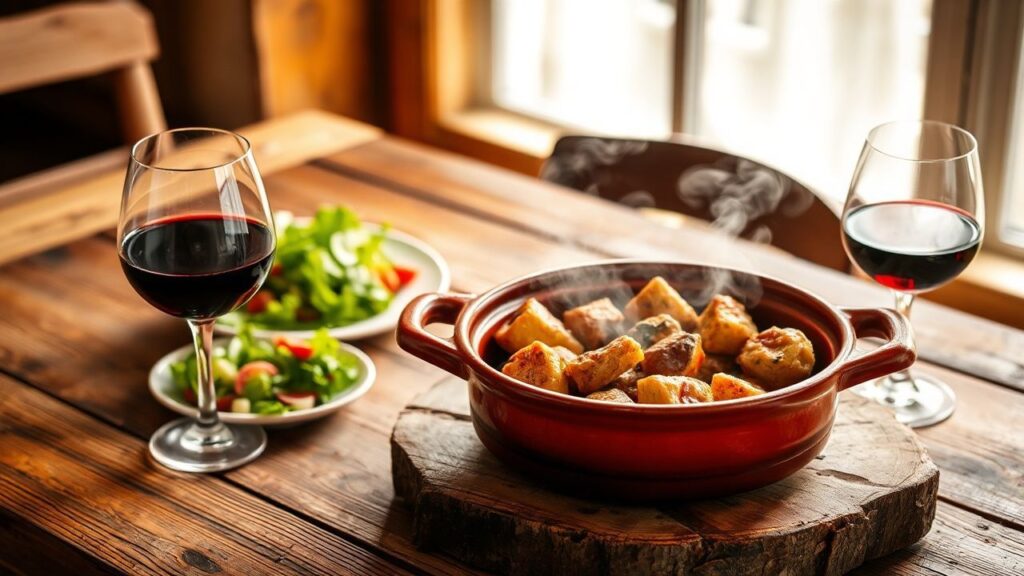
Another technique to consider is the incorporation of a small amount of smoked tofu, finely diced and sautéed with the aromatics. Its smoky flavor can subtly mimic the essence of cured meats without overpowering the dish. Furthermore, for an extra touch of luxury, a drizzle of high-quality truffle oil just before serving can impart an earthy, sophisticated aroma that complements the rustic nature of the cassoulet beautifully. When serving, consider a side of crusty bread for dipping and perhaps a light, peppery green salad to provide a refreshing contrast to the richness of the cassoulet.
Conclusion: A Triumph of Plant-Based Comfort
The journey to crafting a truly exceptional vegetarian cassoulet is one that rewards patience, thoughtful ingredient selection, and a deep understanding of flavor layering. What might initially seem like a daunting culinary undertaking, devoid of its traditional animal protein anchors, reveals itself to be an opportunity for profound creativity. By meticulously building umami through caramelized vegetables, aromatic herbs, and enriching liquids, and by focusing on textural contrasts with a crisp, flavorful topping, we can create a dish that stands proudly alongside its classic counterpart. This vegetarian white bean cassoulet is not merely a substitute; it is a celebration of the inherent deliciousness of legumes and vegetables, proof of the enduring power of slow cooking, and a truly comforting, soul-satisfying meal that proves that sometimes, the most profound flavors emerge from the simplest, most honest ingredients.
Frequently Asked Questions
H2: Can I use canned beans instead of dried for my vegetarian cassoulet?
While using dried beans and soaking them overnight is highly recommended for the best texture and flavor absorption, you can use canned white beans in a pinch. If you do, ensure you use high-quality, low-sodium beans. Rinse them thoroughly to remove excess salt and starch. Add them towards the end of the simmering process (about 30-45 minutes before baking) to prevent them from becoming mushy. You will likely need to adjust the amount of liquid and seasoning, as canned beans have already been cooked and are less porous.
H2: How can I make my vegetarian cassoulet richer and more decadent?
To enhance richness, focus on building layers of flavor and incorporating ingredients that contribute healthy fats and umami. Sautéing your aromatics in a good quality olive oil until deeply caramelized is the first step. Consider adding a small amount of rendered plant-based bacon or a few drops of liquid smoke to the base for a subtle smoky depth. For a creamier texture, you can purée a small portion of the cooked beans and stir them back into the mixture. A tablespoon of cashew cream or a good quality vegan butter stirred in at the end of simmering can also add a luxurious mouthfeel. Don’t shy away from good quality vegetable broth, and ensure you are using enough of it to create a moist, unctuous dish.
H2: What are some good side dishes to serve with vegetarian cassoulet?
Vegetarian cassoulet is a hearty and complete meal in itself, but it pairs wonderfully with simple accompaniments that offer a refreshing contrast. A light, peppery green salad with a sharp vinaigrette is an excellent choice to cut through the richness. Crusty bread for dipping is almost mandatory, allowing you to savor every last drop of the flavorful sauce. Roasted root vegetables, such as parsnips or Brussels sprouts, can complement the flavors without overwhelming the main dish. A simple platter of pickled red onions or cornichons can also provide a welcome acidic counterpoint.
See also: Cassoulet