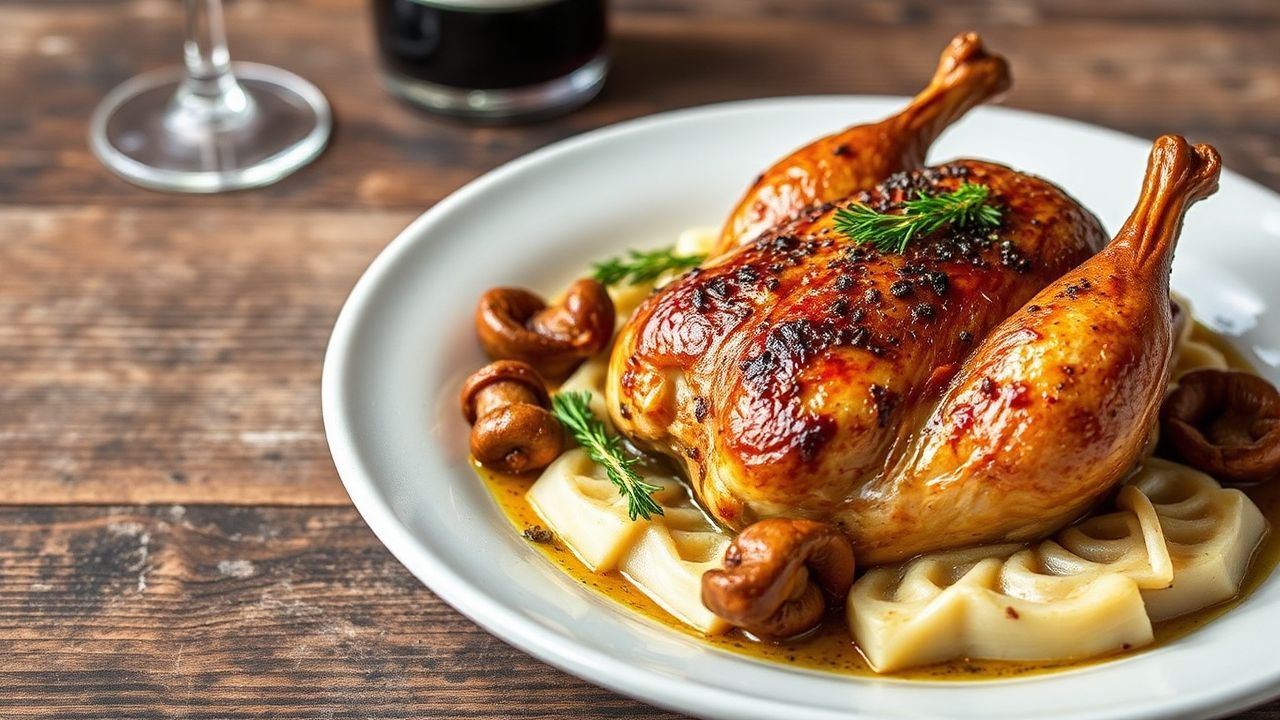

The Enduring Allure of Coq: A Culinary Cornerstone
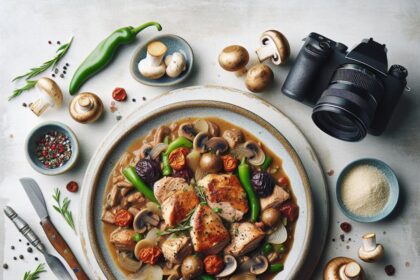
The practice of slow-cooking poultry in wine, central to coq au vin, has roots stretching back centuries, possibly as far back as Roman Gaul. This dish, often perceived as a rustic peasant meal, has ascended to the pantheon of haute cuisine, its inherent complexity and comforting embrace resonating with diners across generations. The magic of *coq* with mushrooms lies not just in its robust flavors but in the transformative alchemy that occurs during its slow braise. The humble chicken, coaxed with aromatic vegetables, rich wine, and earthy fungi, transcends its everyday status, becoming proof of the power of patient cooking and quality ingredients. It’s a dish that speaks of heritage, of convivial gatherings, and of the sheer joy found in a well-crafted meal.
At a Glance: Mastering Coq with Mushrooms
- The Foundation: A quality bird and a robust red wine are non-negotiable for authentic flavor.
- Mushroom Harmony: The choice and preparation of mushrooms significantly impact the final dish’s earthy depth.
- Patience is Key: Slow braising is essential for tenderizing the meat and melding the flavors.
- Finishing Touches: Delicate garnishes like pearl onions and lardons elevate the presentation and taste.
The essence of *coq* with mushrooms is a celebration of primal flavors, coaxing the deepest potential from simple ingredients. The richness of a good red wine, typically Burgundy or Pinot Noir, acts as both a tenderizer and a flavor enhancer, imbuing the chicken with profound and nuanced complexity. The mushrooms, often a mix of cremini and shiitake, contribute an umami-rich earthiness that beautifully complements the wine and poultry, creating a gastronomic tapestry that is both comforting and sophisticated. This dish demands attention, respect for its components, and a willingness to let time work its magic.
The Genesis of Coq: From Rustic Hearth to Refined Table
The origins of *coq* au vin are somewhat shrouded in folklore, with tales attributing its creation to a Roman legionary presenting a rooster to Julius Caesar, who, in turn, commanded it to be cooked in wine. While the historical accuracy of this anecdote is debatable, it speaks to the ancient practice of using wine in cooking, particularly with tougher cuts of meat or poultry that benefit from slow, moist heat. Over centuries, regional variations emerged, with different wines and aromatics defining the dish’s character. The classic French iteration has become the benchmark, evoking images of cozy bistros and hearty family meals. The inclusion of mushrooms, a later addition perhaps, amplifies the dish’s inherent earthiness, transforming it into a truly multi-dimensional culinary experience.
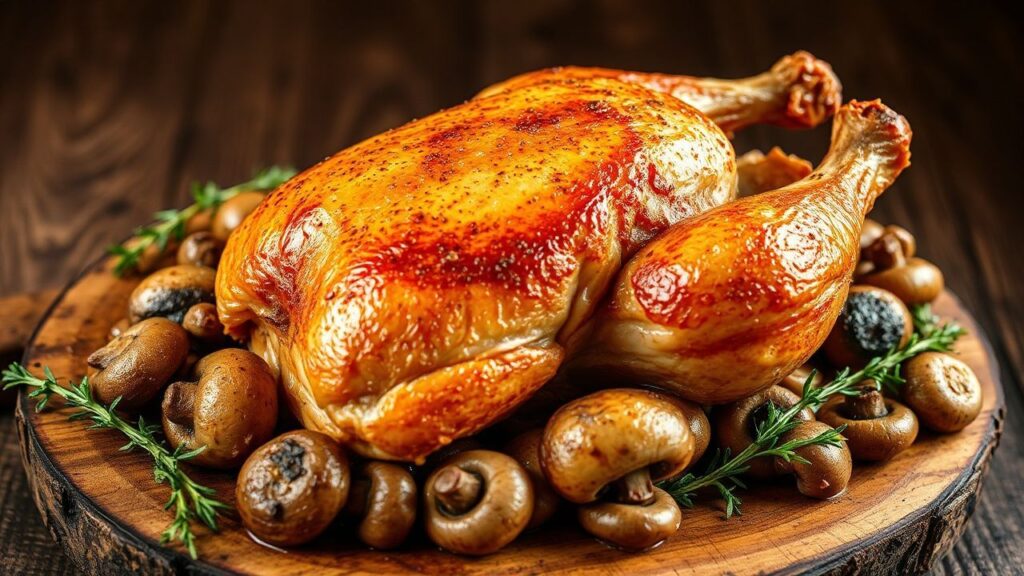
Ingredients: The Pillars of a Perfect Coq
Crafting an exemplary *coq* with mushrooms requires a discerning selection of ingredients. Quality is paramount, as each component matter significantly in the final flavor profile.
For the Coq
- Whole Chicken: 1.5 – 1.8 kg (approx. 3.3 – 4 lbs), preferably free-range or organic, cut into 8-10 pieces (or use a good quality rooster if available for a more traditional, albeit tougher, result). The richer flavor of a well-raised bird is indispensable.
- Dry Red Wine: 750 ml (1 bottle), a good quality Burgundy (Pinot Noir) or a robust Côtes du Rhône is ideal. Avoid anything too sweet or overly tannic.
- Cognac or Brandy: 50 ml (approx. 1/4 cup), for flambéing, adding a layer of depth and aroma.
- Chicken Stock: 250 ml (approx. 1 cup), low sodium, preferably homemade.
- Lardons (Smoked Bacon): 150 g (approx. 5.3 oz), diced.
- Button Mushrooms: 250 g (approx. 8.8 oz), quartered or halved if small.
- Cremini Mushrooms: 250 g (approx. 8.8 oz), quartered.
- Shallots: 2 large, finely chopped.
- Garlic: 4 cloves, minced.
- Carrots: 2 medium, peeled and diced.
- Celery: 2 stalks, diced.
- Tomato Paste: 2 tablespoons.
- All-Purpose Flour: 2 tablespoons, for dredging the chicken.
- Butter: 30 g (approx. 2 tablespoons), unsalted.
- Olive Oil: 2 tablespoons.
- Fresh Thyme: 3-4 sprigs.
- Fresh Parsley: A small bunch, for garnish.
- Bay Leaf: 1.
- Salt: To taste.
- Freshly Ground Black Pepper: To taste.
For the Garnish (Optional but Recommended)
- Pearl Onions: 200 g (approx. 7 oz), peeled.
- Butter: 1 tablespoon.
- Sugar: 1 teaspoon.
The Importance of Wine Selection
The wine used in *coq* au vin is a fundamental flavor architect. A wine with good acidity and moderate tannins will break down connective tissues, rendering the chicken exquisitely tender, while contributing vibrant fruitiness and a complex backbone to the sauce. A heavy, oaky Cabernet Sauvignon might overpower delicate nuances, while a thin, watery wine results in an uninspired sauce. Burgundy, with its earthy undertones and bright cherry notes, is the classic pairing for a reason, but a well-chosen Côtes du Rhône or even a mature Merlot can yield spectacular results.
The Art of Preparation: A Step-by-Step Culinary Journey
Executing this classic dish is a methodical process, each step building upon the last to create a symphony of flavors. Patience and attention to detail are your most valuable tools.
- Prepare the Chicken: Pat the chicken pieces thoroughly dry with paper towels for a good sear. Season generously with salt and freshly ground black pepper. Lightly dredge each piece in flour, shaking off any excess.
- Render the Lardons: In a large, heavy-bottomed Dutch oven or casserole dish, cook the diced lardons over medium heat until crispy and golden brown. Remove the lardons with a slotted spoon and set aside on paper towels, leaving the rendered fat in the pot.
- Sear the Chicken: Increase the heat to medium-high. Add olive oil to the pot if needed. Sear the floured chicken pieces in batches until deeply golden brown on all sides. Do not overcrowd the pot; this ensures a proper sear rather than steaming. Remove the seared chicken and set aside with the lardons.
- Sauté the Aromatics: Reduce the heat to medium. Add the chopped shallots, carrots, and celery to the pot. Cook, stirring occasionally, until softened and lightly golden, about 8-10 minutes. Add the minced garlic and cook for another minute until fragrant, being careful not to burn it.
- Deglaze and Flambé: Stir in the tomato paste and cook for 1-2 minutes, allowing it to caramelize slightly. Pour in the Cognac or brandy. Carefully ignite it with a long match or lighter, allowing the flames to subside completely. This burns off the harsh alcohol while leaving behind a rich aroma.
- Add the Wine and Stock: Pour in the red wine, scraping the bottom of the pot to loosen any browned bits (fond). Bring to a simmer and let it reduce slightly for about 5 minutes. Return the seared chicken pieces and the reserved lardons to the pot. Add the chicken stock, thyme sprigs, and bay leaf. The liquid should come about two-thirds of the way up the chicken; add more stock or water if necessary.
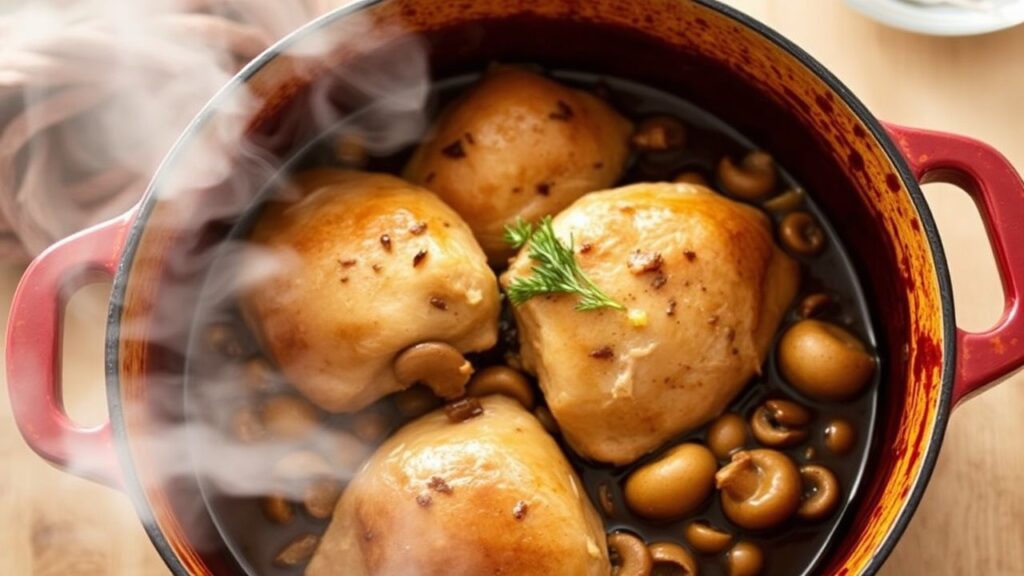
- Braise the Coq: Bring the liquid to a gentle simmer, then cover the pot tightly. Transfer to a preheated oven at 160°C (325°F) and braise for 1.5 to 2 hours, or until the chicken is very tender and almost falling off the bone.
- Prepare the Mushrooms and Pearl Onions: While the chicken braises, clean and quarter the mushrooms. In a separate skillet, melt 1 tablespoon of butter over medium heat. Add the pearl onions and cook until lightly browned and tender. Add the prepared mushrooms to the skillet with the pearl onions. Sauté until the mushrooms are golden brown and have released their moisture, about 10-15 minutes. Season with salt and pepper.
- Thicken the Sauce: Once the chicken is tender, carefully remove the pieces from the pot and set aside. Strain the braising liquid through a fine-mesh sieve into a clean saucepan, pressing gently on the solids to extract all the liquid. Discard the solids. Skim off any excess fat from the surface of the strained liquid.
- Reduce and Finish: Bring the strained sauce to a simmer over medium heat. Cook until it has reduced by about one-third and has thickened to a luscious consistency. Taste and adjust seasoning with salt and pepper. If the sauce is not thick enough, whisk together 1 tablespoon of butter and 1 tablespoon of flour (beurre manié) and whisk small amounts into the simmering sauce until desired consistency is reached.
- Combine and Serve: Return the chicken pieces to the thickened sauce. Add the sautéed mushrooms and pearl onions to the pot. Gently stir to coat everything in the sauce. Simmer for another 5-10 minutes to allow the flavors to meld.
- Garnish and Present: Garnish generously with freshly chopped parsley. Serve hot, traditionally with mashed potatoes, crusty bread, or egg noodles to soak up the magnificent sauce.
The Nuance of Mushroom Selection
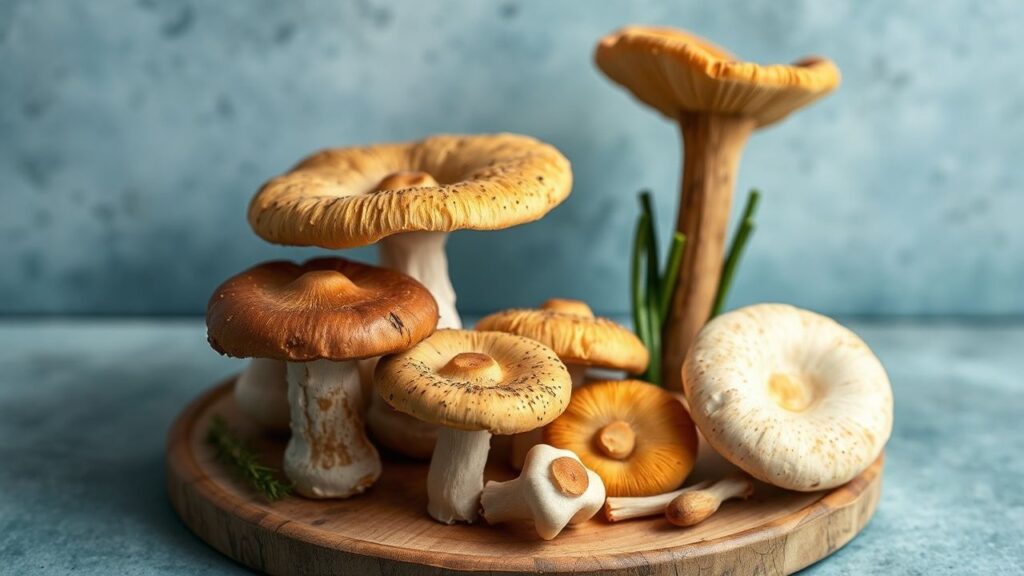
While cremini and button mushrooms are standard, don’t shy away from experimenting. Shiitake mushrooms offer a deeper, more pungent earthiness, while oyster mushrooms provide a delicate, almost silken texture. For an elevated experience, consider foraging for wild mushrooms like chanterelles or morels when in season. The key is to treat them with respect, allowing them to develop characteristic flavors during sautéing. Overcrowding the pan leads to steaming, not browning, sacrificing crucial flavor development.
Nutritional Profile: A Wholesome Indulgence
While *coq* with mushrooms is undeniably decadent, understanding its nutritional contribution offers a balanced perspective. Exact figures vary based on specific ingredients and portion sizes.
Approximate Nutritional Information Per Serving (based on 8 servings):
| Nutrient | Amount |
|---|---|
| Calories | 550-650 kcal |
| Protein | 35-45 g |
| Fat | 25-35 g |
| Saturated Fat | 8-12 g |
| Carbohydrates | 15-25 g |
| Fiber | 3-5 g |
| Sodium | 500-700 mg (highly dependent on stock and seasoning) |
| Iron | 2-4 mg |
| Vitamin D | Trace amounts |
The protein content comes primarily from the chicken, essential for muscle repair and growth. The fats, while present, are largely from the chicken skin and lardons, contributing to the dish’s rich mouthfeel. Carbohydrates are derived from vegetables and any flour used for thickening. Mushrooms, in particular, offer a good source of B vitamins and minerals like selenium and copper.
Balancing Richness and Health
To mitigate some of the richness, consider using a leaner cut of chicken or trimming excess fat before searing. Opting for low-sodium stock and controlling added salt helps manage sodium intake. While the dish is best enjoyed as a special occasion meal, its inherent goodness from lean protein and vegetables makes it a satisfying and nourishing choice when prepared thoughtfully. Fiber from vegetables and mushrooms also contributes to digestive health.
Expert Pro-Tips: Elevating Your Coq to Culinary Stardom
Transforming a good *coq* with mushrooms into an exceptional one requires a nuanced understanding of technique and a willingness to go the extra mile. These insights are born from years of experience in demanding kitchen environments.
The Magic of Marinating
For even more profound flavor depth, consider marinating the chicken pieces in the red wine with aromatics (carrots, celery, shallots, garlic, herbs) for at least 4 hours, or ideally, overnight, in the refrigerator. This allows the wine to penetrate the meat, tenderizing it further and infusing it with complex flavors before cooking begins. Remember to strain the marinade and reserve the solids for sautéing, discarding the meat after straining.
A common pitfall in making *coq* au vin is an under-reduced sauce. A thin, watery sauce detracts significantly from the dish’s appeal. When reducing the sauce, aim for a consistency that coats the back of a spoon beautifully. This concentration of flavor transforms the dish from good to sublime. A beurre manié (a paste of equal parts softened butter and flour) is a classic French technique for achieving this perfect sheen and thickness without compromising flavor. Whisk small amounts of this paste into the simmering sauce until the desired viscosity is achieved.
The Role of Lardons
The lardons are not merely decorative; they are a crucial flavor base. Their rendered fat provides a rich, smoky foundation for searing the chicken and sautéing vegetables. Opt for good quality, unsmoked pancetta if you prefer a less smoky profile, though traditional *coq* au vin almost always includes smoked bacon. The crispy lardons themselves, when returned to the dish at the end, offer delightful textural contrast and savory bursts of flavor.
Frequently Asked Questions
What is the best type of chicken to use for coq au vin?
Traditionally, *coq* au vin is made with a rooster (*coq*), a mature male chicken with tougher, more flavorful meat that benefits immensely from slow braising. However, roosters are not always readily available and can be quite tough if not cooked correctly for an extended period. For a more accessible and consistently tender result, a good quality free-range or organic whole chicken, cut into pieces, is an excellent choice. The richer flavor of a well-raised bird will still shine through. Avoid pre-packaged chicken pieces that may have been injected with saline solutions, as this can affect the final texture and flavor absorption.
Can I make coq au vin ahead of time?
Absolutely. In fact, *coq* with mushrooms often tastes even better the next day, as flavors have more time to meld and deepen. You can prepare the entire dish up to the point of adding the mushrooms and pearl onions. Let it cool completely, then refrigerate. The next day, gently reheat the dish over low heat on the stovetop or in a low oven, adding the sautéed mushrooms and pearl onions towards the end of reheating. This allows for optimal flavor development without overcooking components.
What are some common variations of coq au vin?
While the classic version uses red Burgundy wine, several popular variations exist. *Coq* au vin blanc, for instance, uses a dry white wine (such as Chardonnay or Riesling) and often features chicken breasts for a lighter dish, sometimes with added cream. Another variation uses different mushroom types or adds other vegetables like leeks or parsnips. Some recipes incorporate different herbs or spices, such as rosemary or a touch of nutmeg, to subtly alter the flavor profile. The fundamental technique of slow braising remains constant, ensuring tenderness and flavor infusion.
See also: Coq